Why It Happens Here
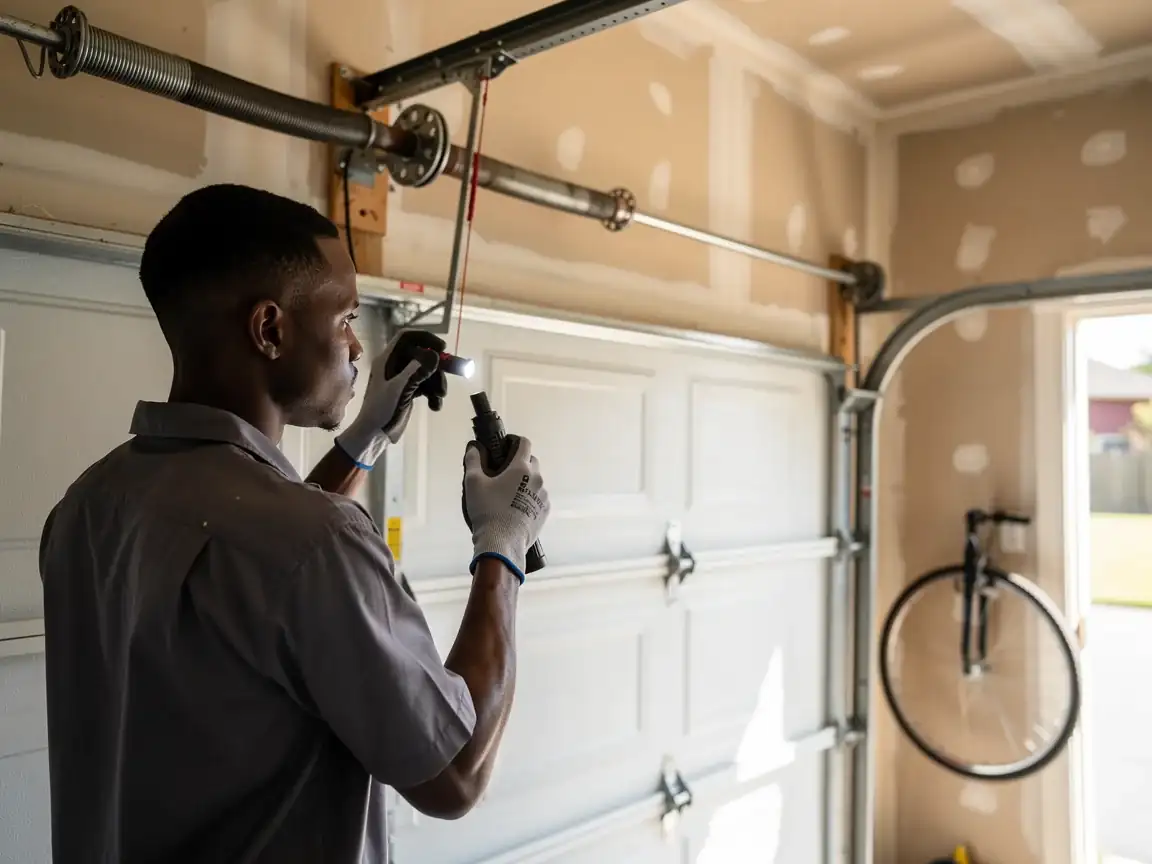
The fault that brings us to Belgrade almost every week is a snapped torsion spring - the coiled bar above the door that does the actual lifting work, not the opener. The opener just tells the spring when to let go. When that spring fatigues and breaks, the door either won't budge or slams down on its own.
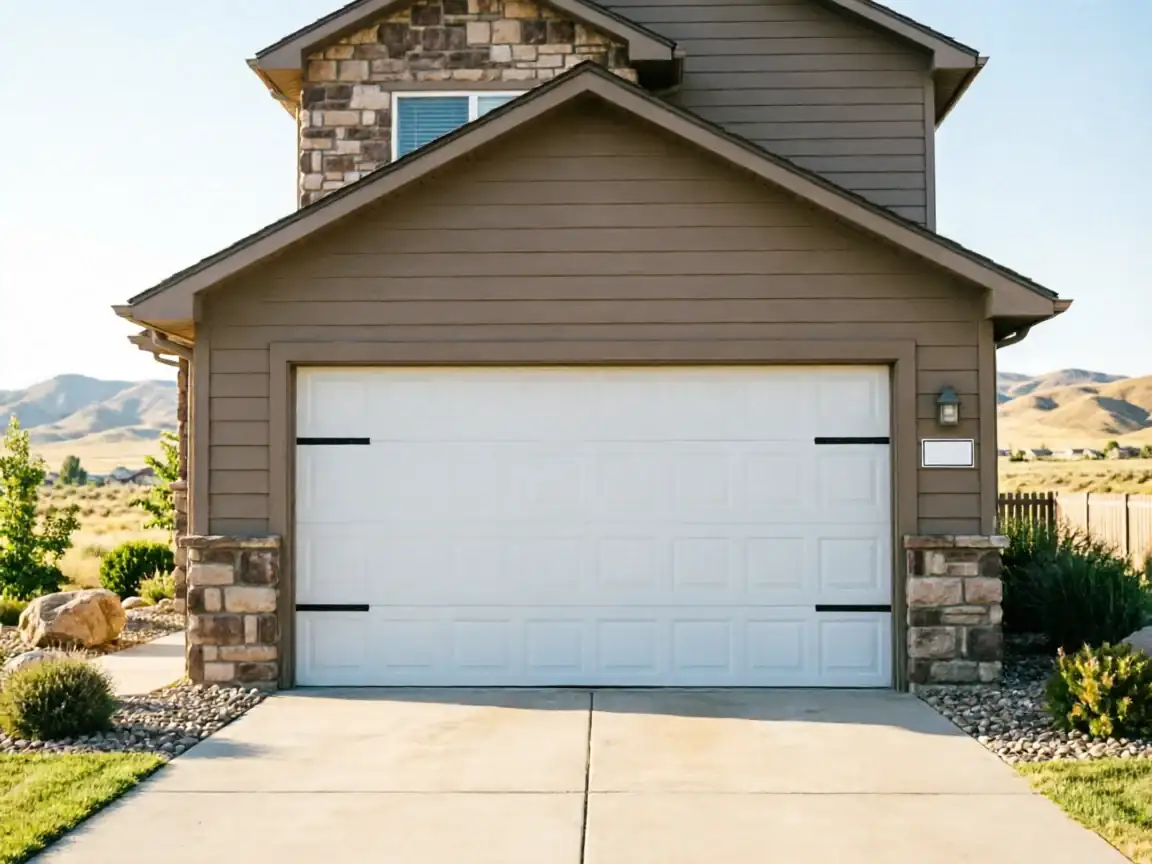
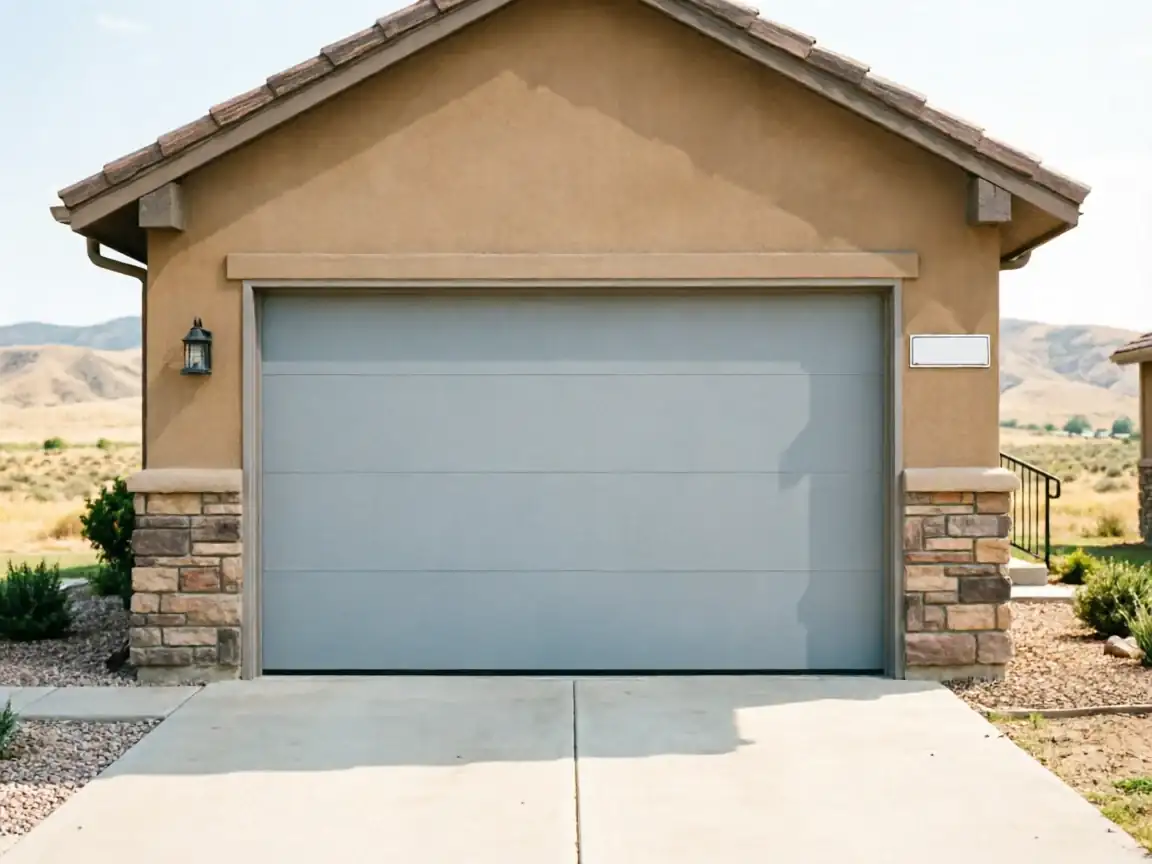
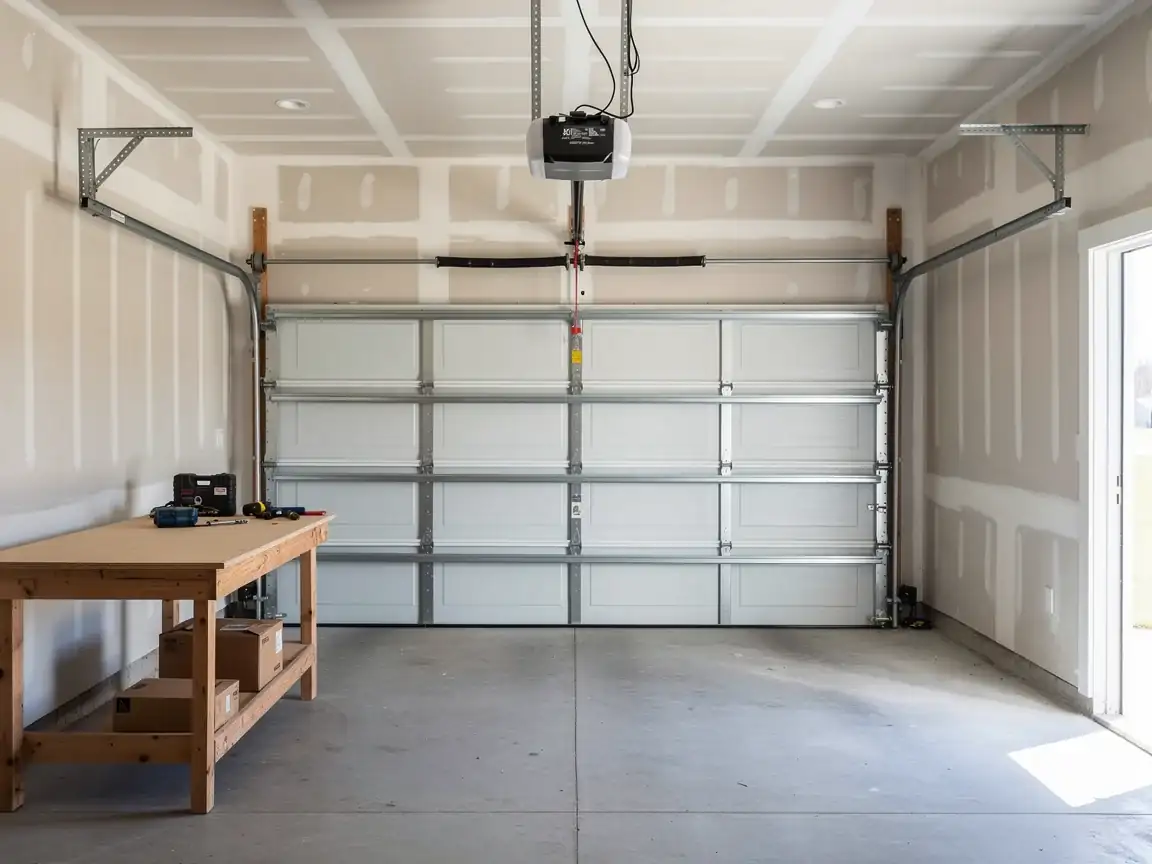
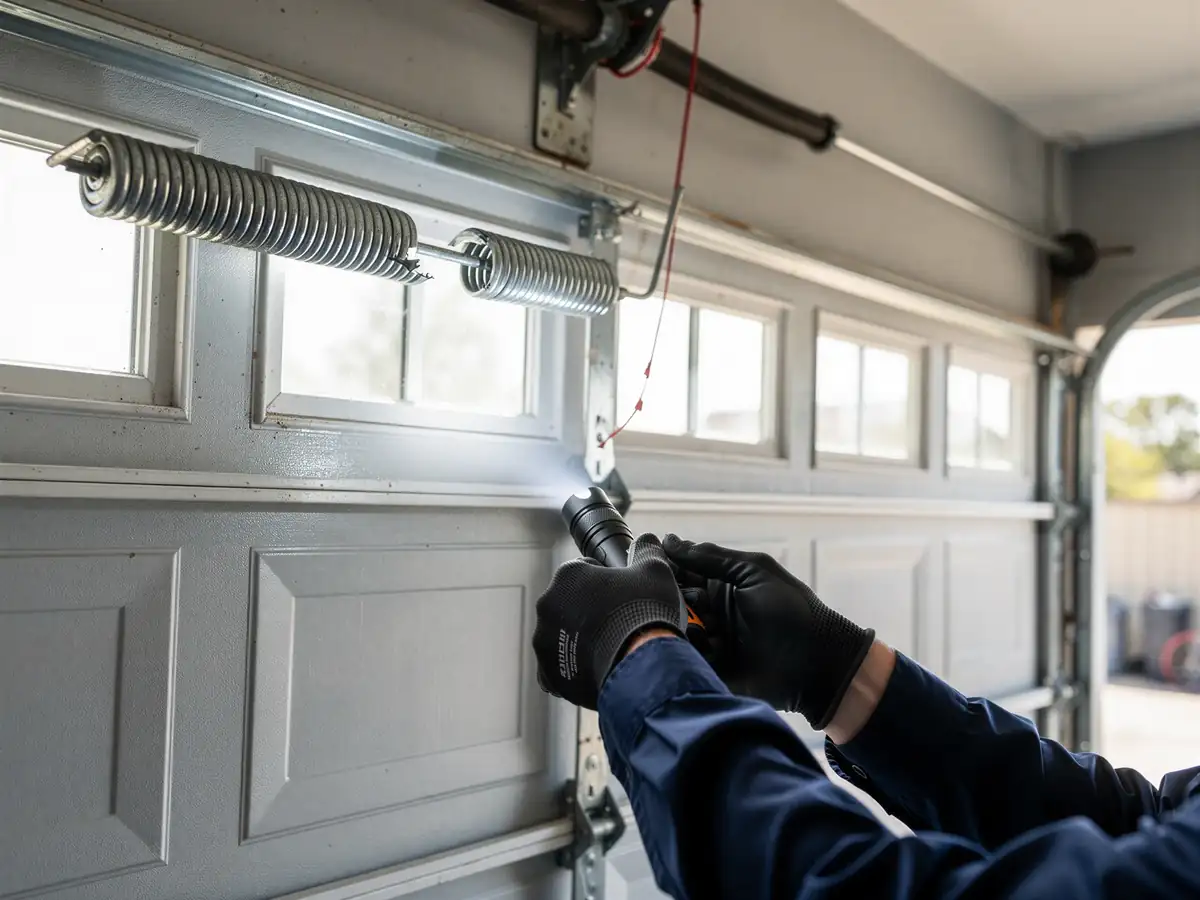
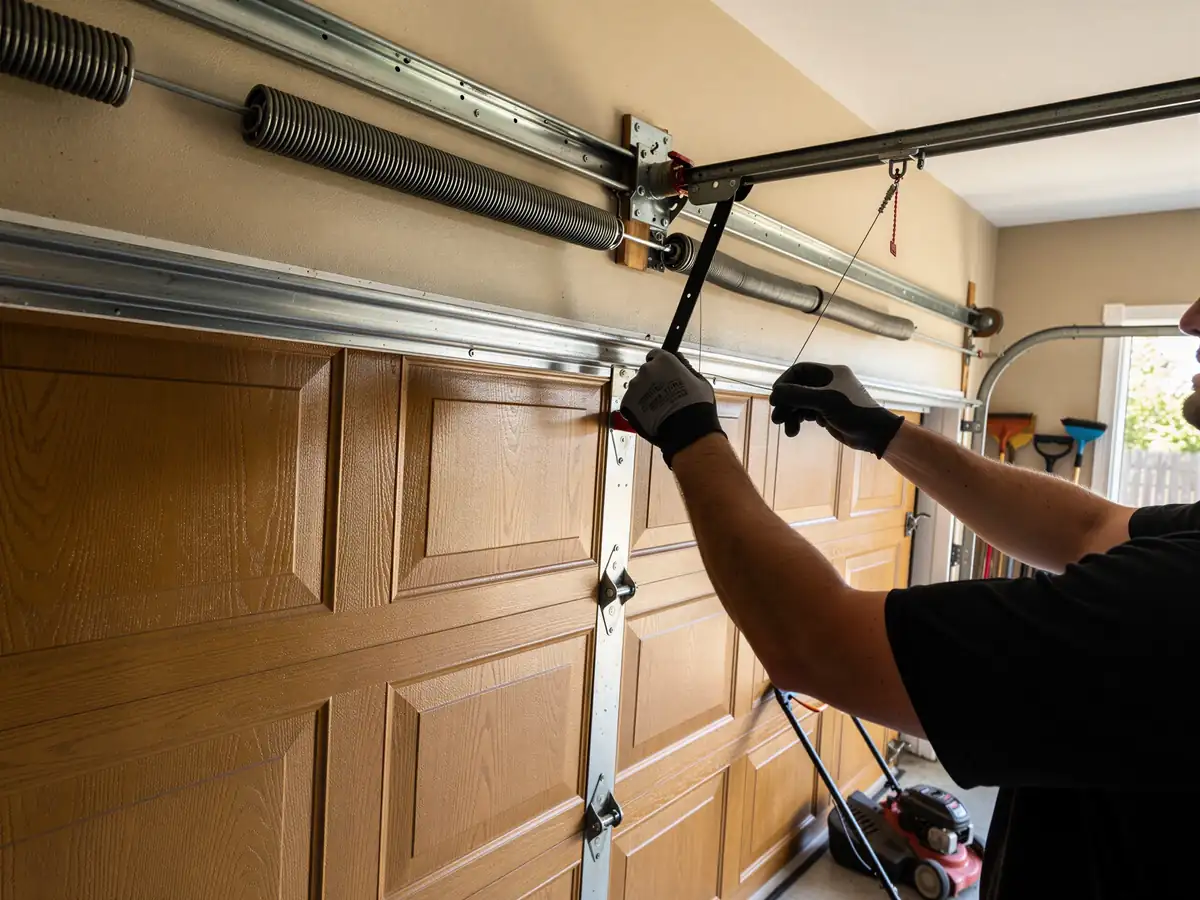
Belgrade's housing centers on a median build year of 2000, a good six years newer than Bozeman's own 1994 median. That matters because it puts nearly all of Belgrade's garage doors in the standard torsion-spring era - a horizontal shaft with one or two springs mounted directly above the opening, cable drums on each end. You don't see many of the older side-mounted extension-spring setups out here that still turn up on Bozeman's older stock. The springs fail the same way everywhere eventually, through thousands of open-close cycles, but cold-weather stress on the steel shortens that life in this part of Montana regardless of which side of the coil you've got.
What the Fix Involves
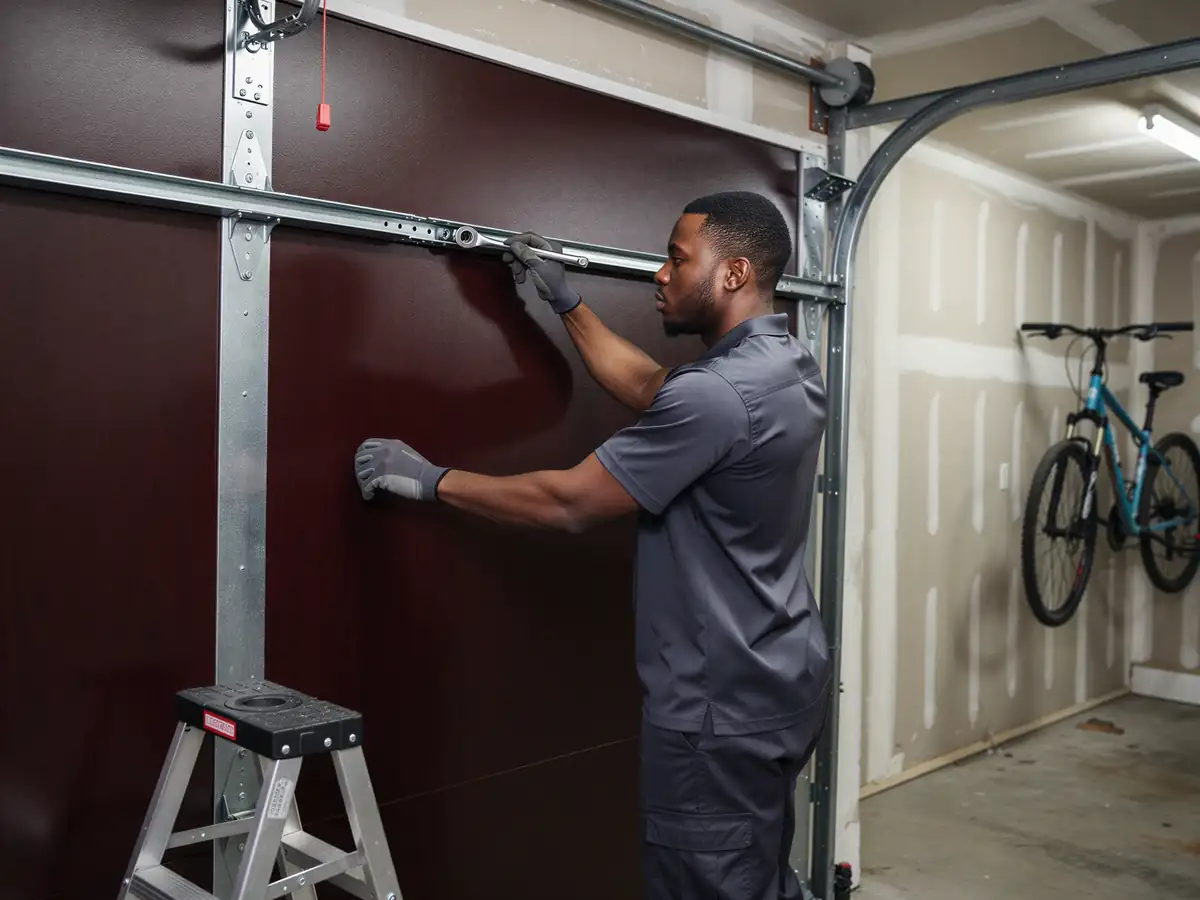
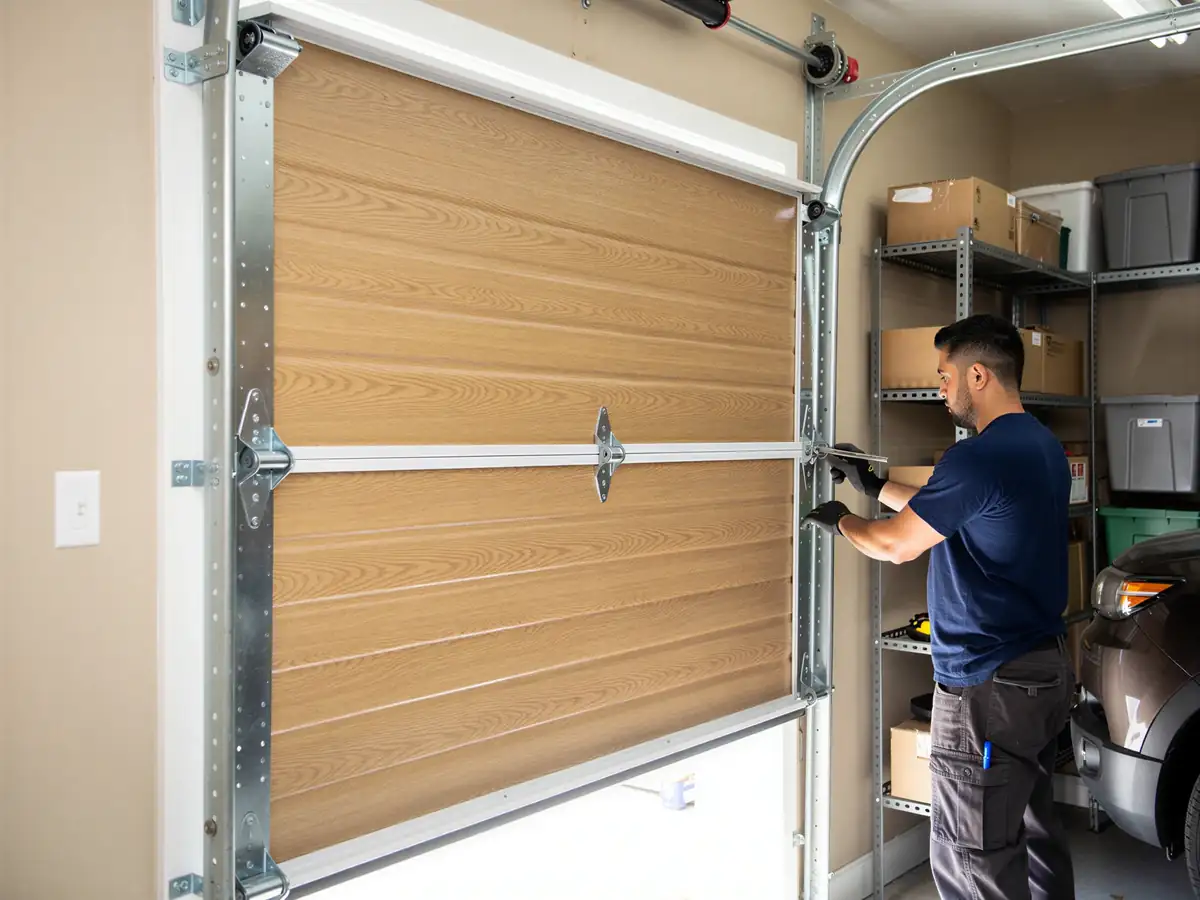
We pull the broken spring, measure the wire gauge and coil length off the old one or the shaft dimensions if it's shattered, and wind in a matched replacement under controlled tension with winding bars - not a screwdriver, not a pair of pliers. On a standard double door built in Belgrade's 2000-era stock, that's almost always a two-spring torsion system, so we check the second spring even if it hasn't failed yet. One broken spring means the other has been carrying the full load alone and is usually close behind.
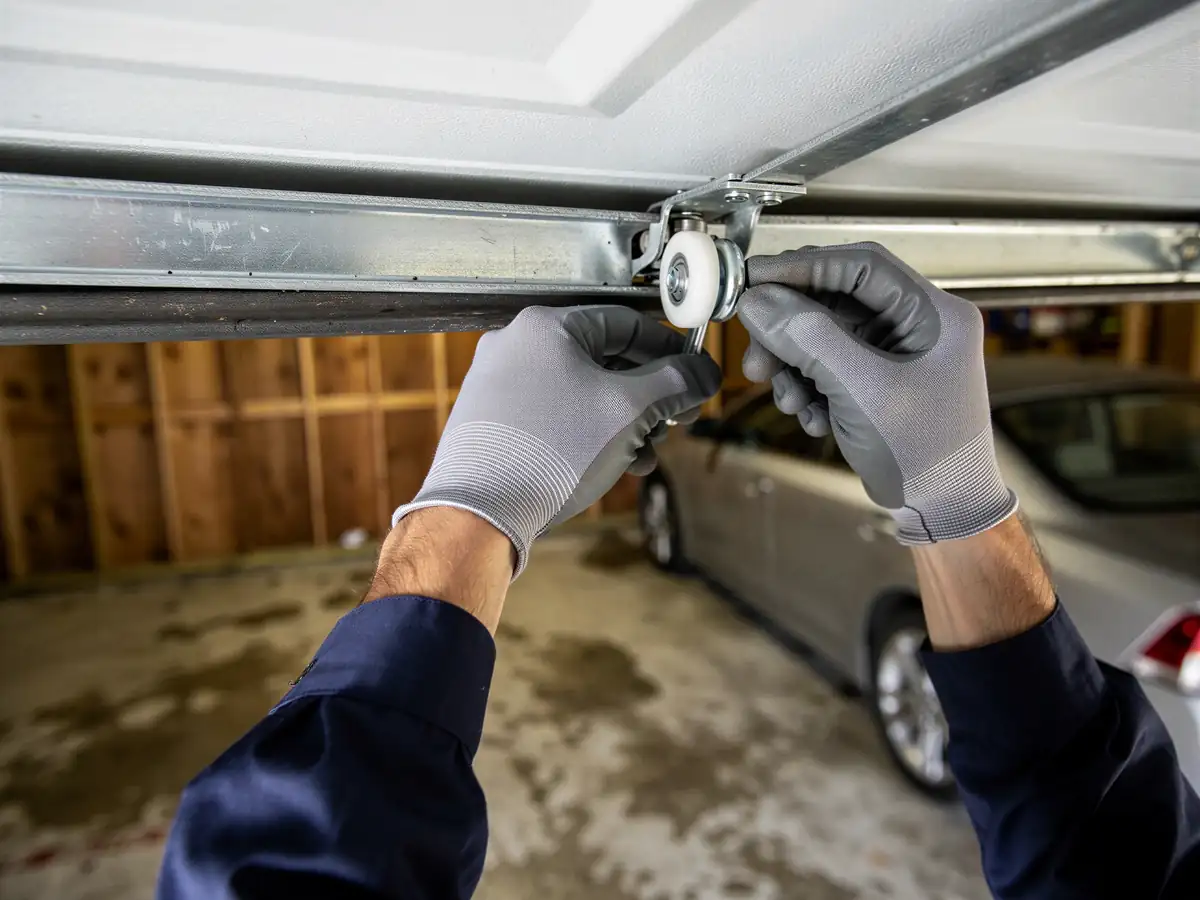
We also inspect the cable drums, the bearing plates at each end of the shaft, and the center bracket - points that take extra wear when a spring snaps and the door drops unevenly. A straightforward two-spring swap on a standard door is usually finished in one visit. If the shaft itself is bent or the drums are cracked, that adds parts and time, and we'll tell you before we start, not after.
Stocked Parts
Because Belgrade's garage doors run mostly through one build era, the spring sizes we need out here are predictable
Standard torsion springs sized for single and double steel sectional doors common to homes built from the 1980s through the mid-2000s. The truck carries the common wire gauges and coil lengths for that range, along with matching cable drums and bearing kits, so a routine spring job doesn't turn into a second trip while we wait on a part.
What we don't carry is inventory for oddball or custom door widths
A garage built wider than the standard two-car opening, or a door that's been resized at some point. Those get measured on site and ordered, which means a short wait before the second visit. It's the one honest gap: standard sizes we handle same-visit, non-standard ones we don't guess at.
What Can Go Wrong
The spring breaking is rarely the whole story. On a two-spring door, if only one side goes, the other has been overworking for days or weeks before anyone notices the door feels heavy or uneven. Replace one spring and leave the tired survivor in place, and you're back out for a second call within months - which is why we check both, every time, on these builds.
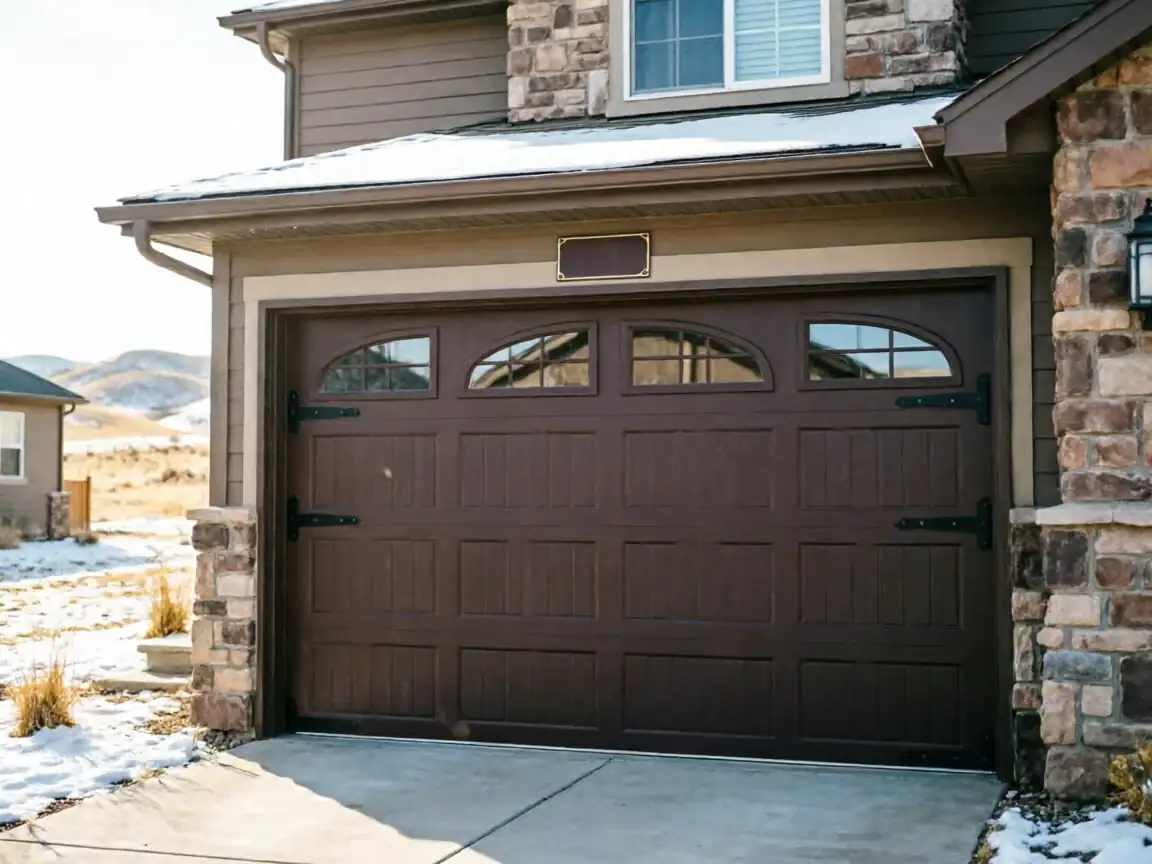
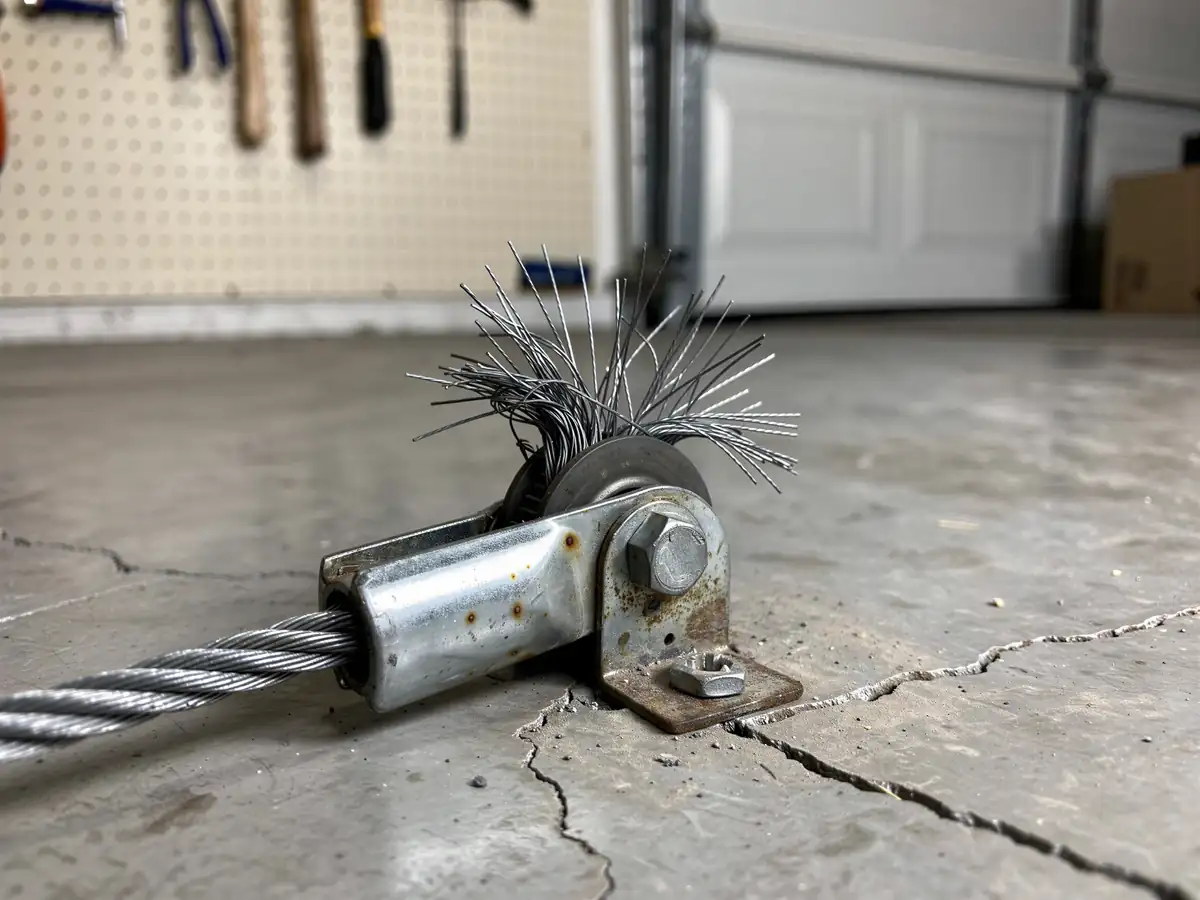
Cables take damage too. When a spring snaps, the sudden slack can let a cable jump its drum or fray at the point where it's clamped. A door that drops hard on a bad spring sometimes bends the bottom bracket or cracks a panel on impact, especially on older steel doors that have already taken some cold-weather flexing over the years. None of that shows up until the door's open and the shaft's exposed, which is part of why a phone estimate on spring jobs is always a rough one.
Doing It Yourself
A torsion spring under load is genuinely dangerous - the stored tension in a fully wound residential spring can break fingers or worse if it lets go while you're working on it. We don't recommend DIY spring replacement, full stop, and we're not going to walk you through winding one over the phone.
What you can safely check yourself: whether the door is a two-spring or single-spring setup (count the coils on the shaft), whether cables look frayed or kinked, and whether the door is noticeably harder to lift by hand than it used to be - that's often the early warning before a spring actually breaks. If you catch it at that stage, call before it snaps rather than after; a controlled swap is simpler and usually cheaper than an emergency one where the door's already stuck shut.