What You Are Seeing
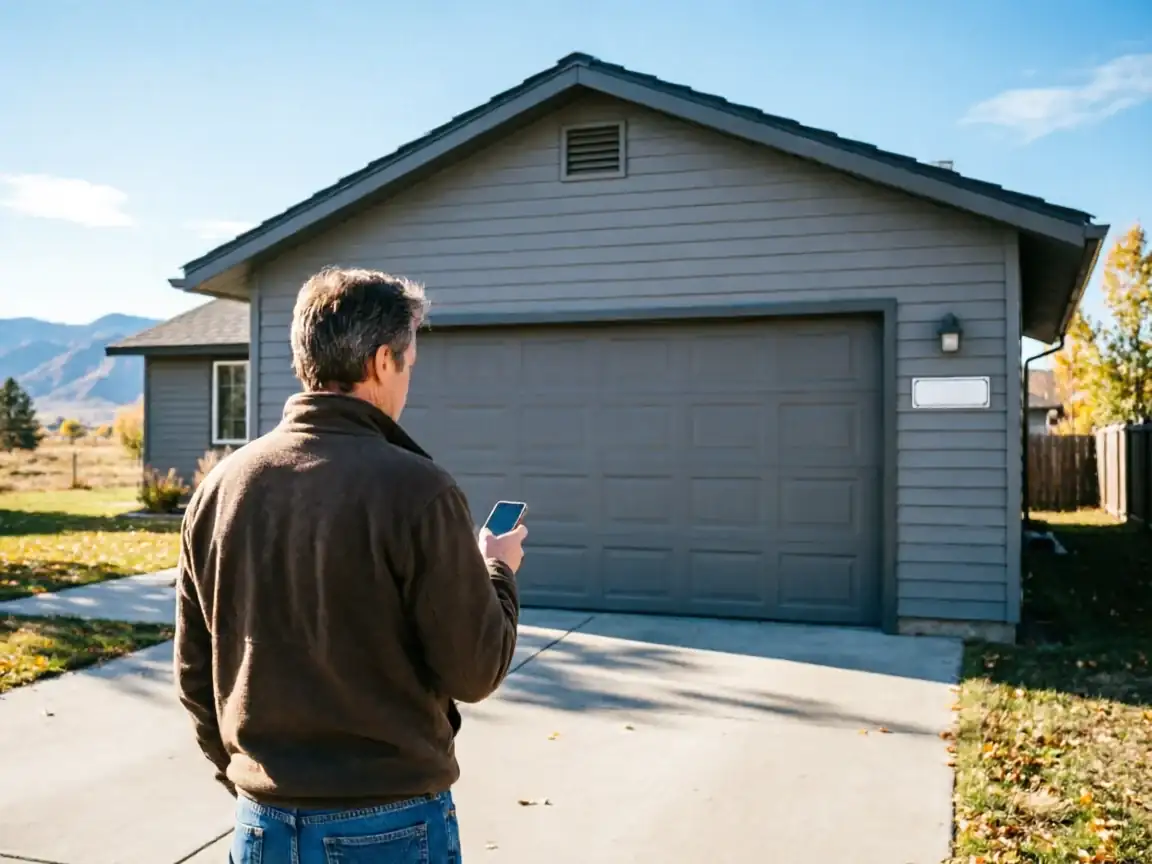
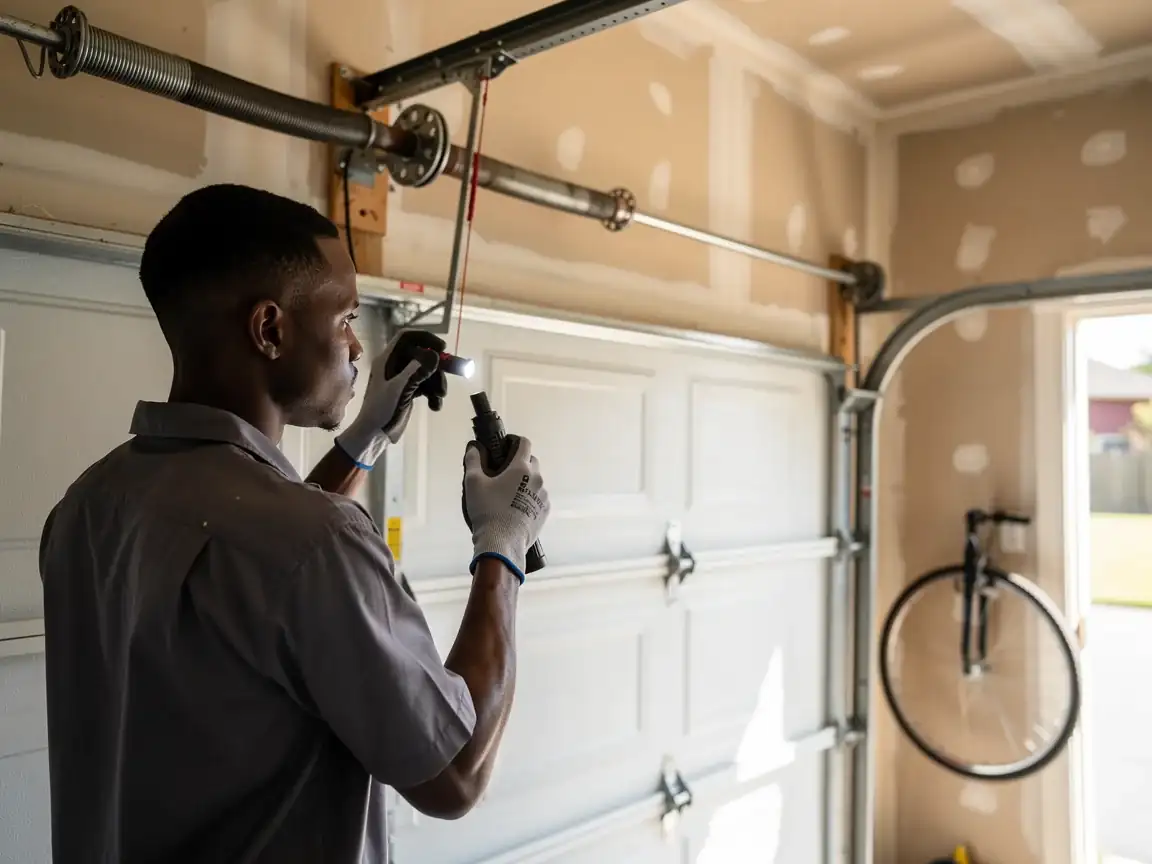
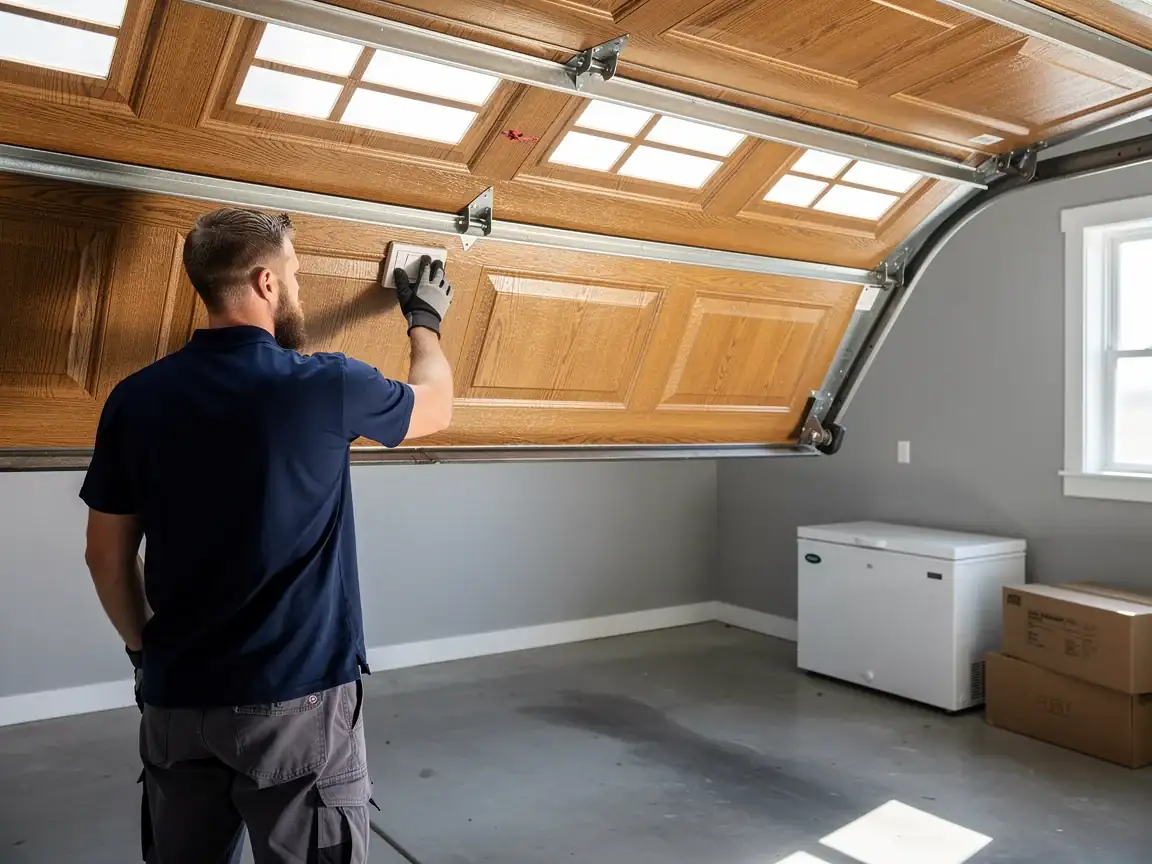
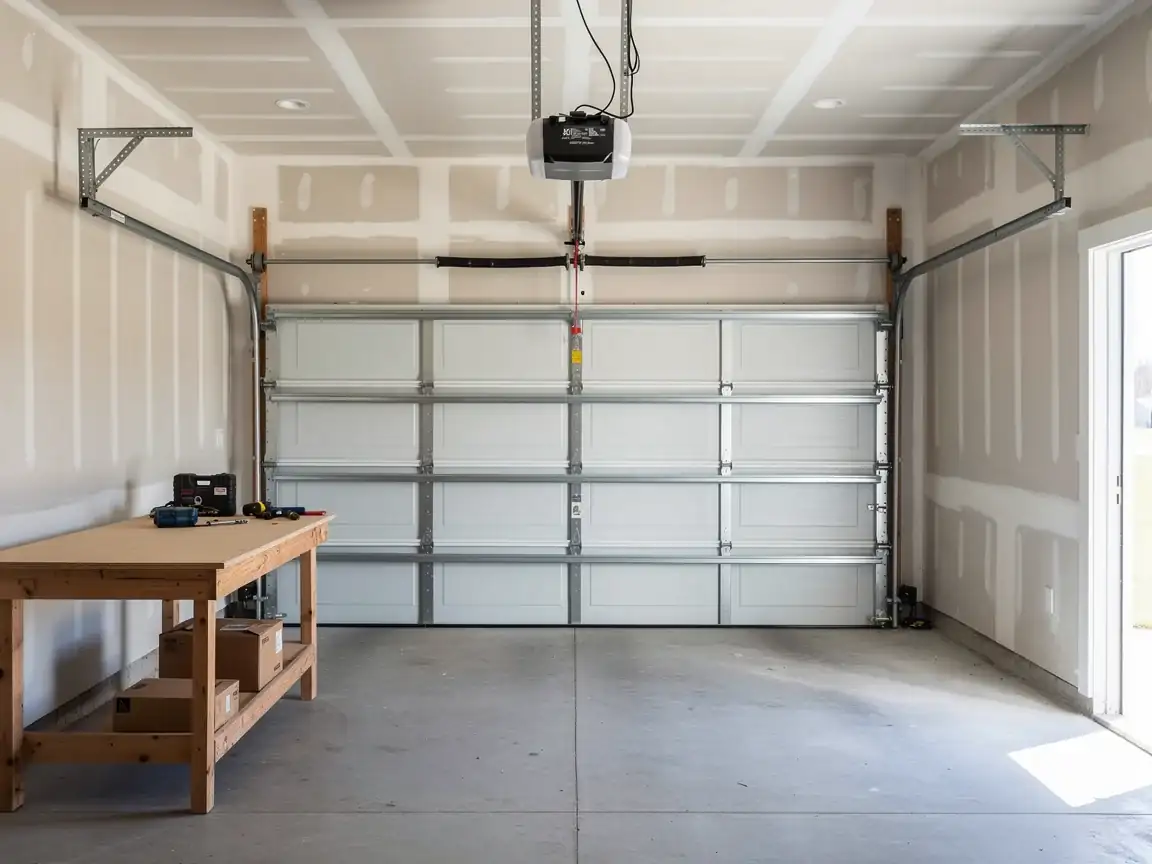
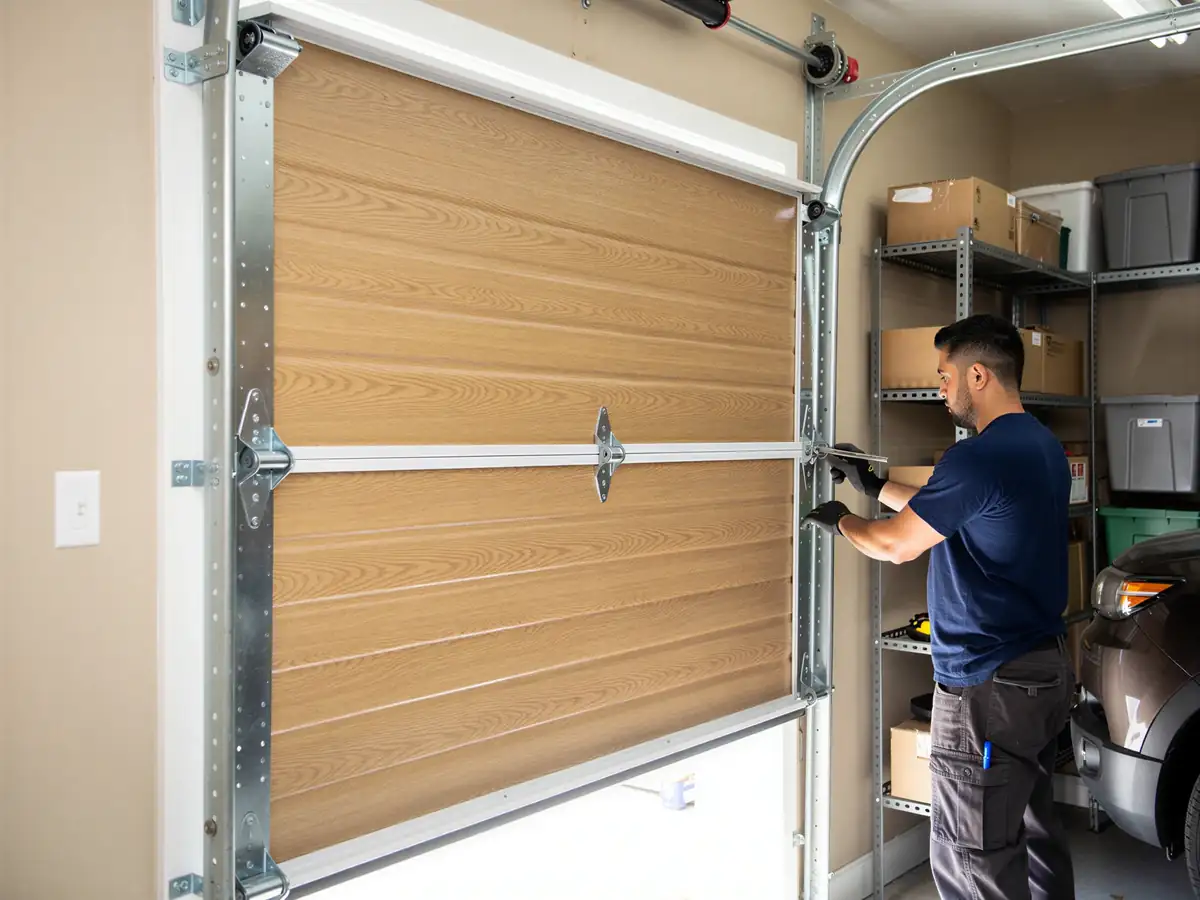
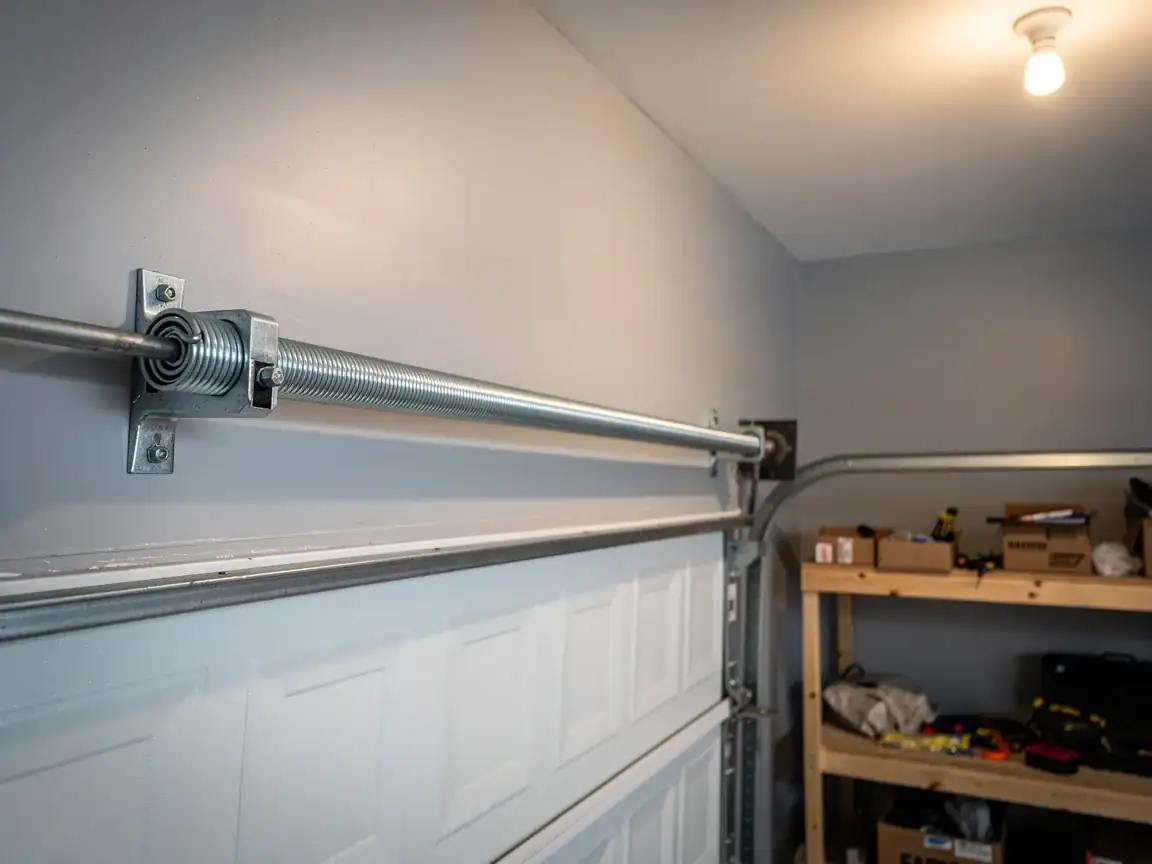
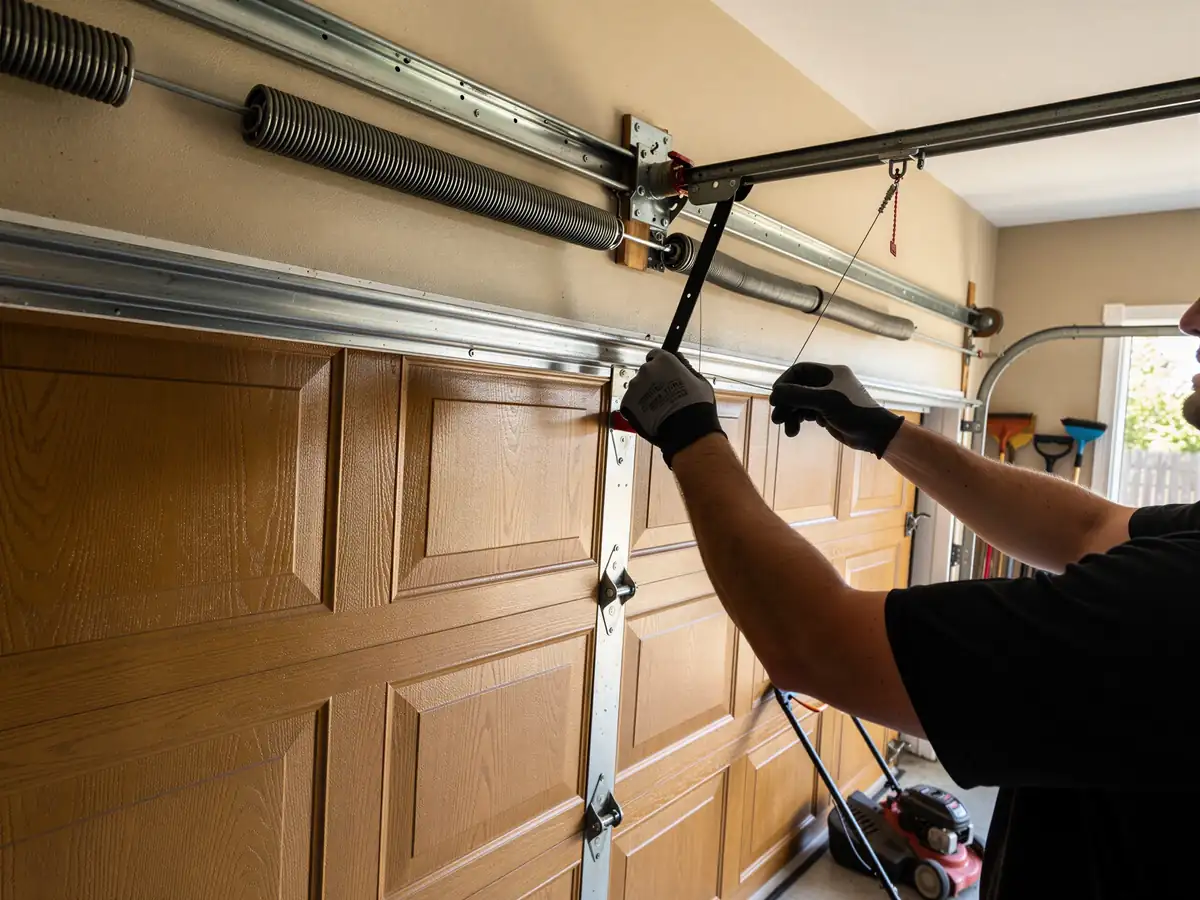
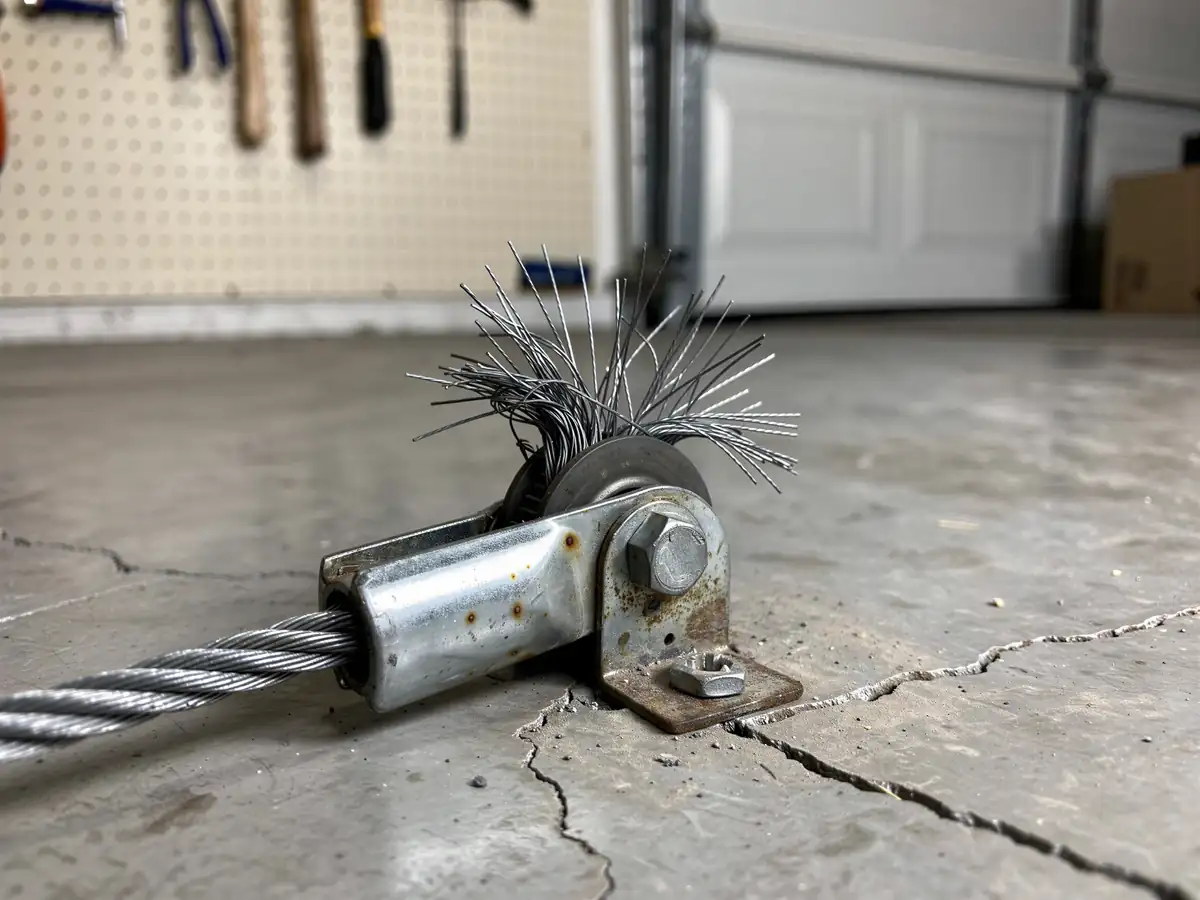
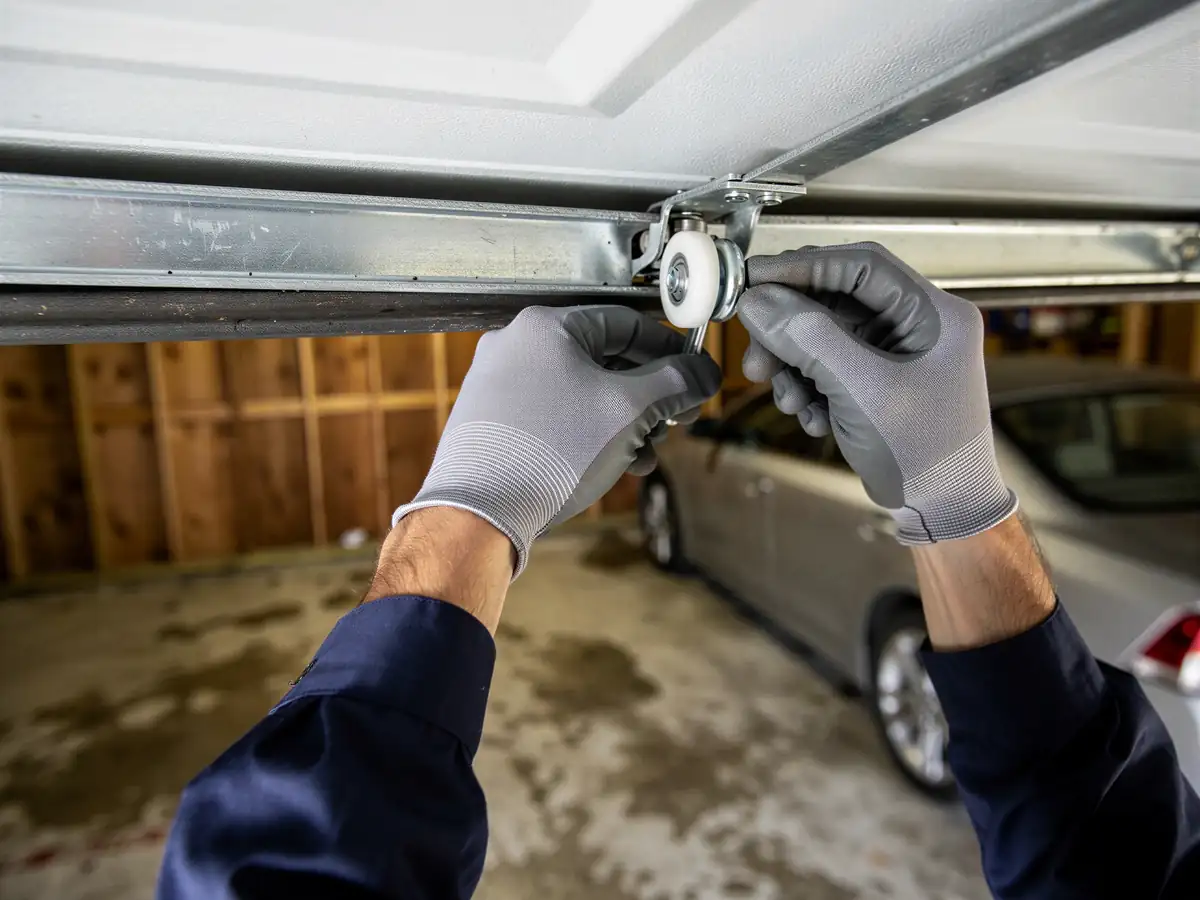
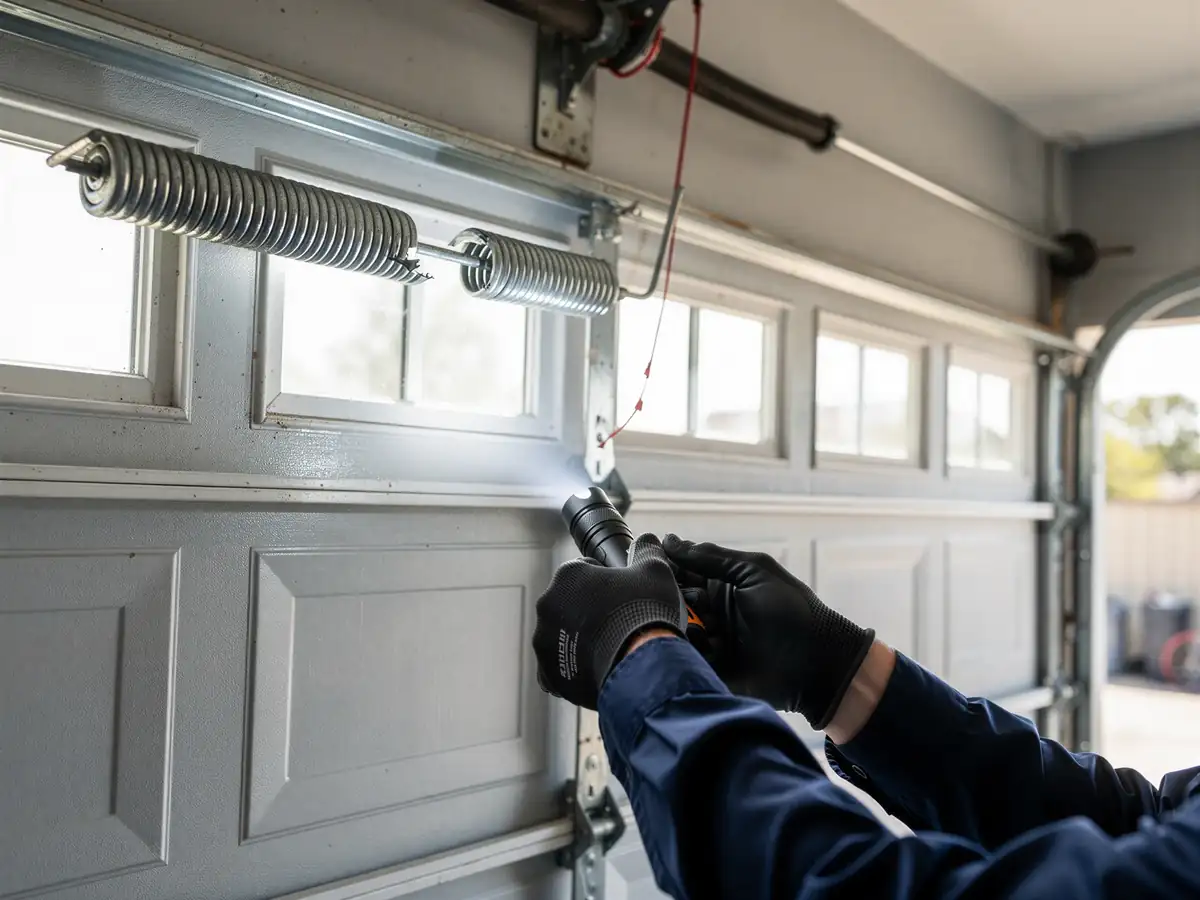
The usual call sounds like this: the door won't lift, or it lifts six inches and stops, or you hear a bang from the garage and now the door won't move at all. Sometimes it's a cable that's jumped the drum, or a roller that's worn through its nylon sleeve and is grinding metal on metal in the track. On a double door, one torsion spring can snap while the other holds, which makes the door look crooked when it's halfway up - that's not a track problem, that's a spring problem.
A lot of what we see traces back to the age of the house. Most of Bozeman's housing went up between 1980 and 2008, with the median build year around 1994. That means a huge share of doors and openers in town are now 20 to 40 years into their working life. Springs are rated for a number of cycles, not a number of years, and a door that's opened twice a day for three decades has used up most of what it had. If your door is from that era and it's starting to sound rough or hesitate on the way up, that's the spring or the rollers telling you they're near the end, not a fluke.
A stuck door that won't budge at all and won't even try is a different animal - usually a broken spring with the opener still trying to do a job it physically can't do alone. Don't keep hitting the button.
Doing It Yourself
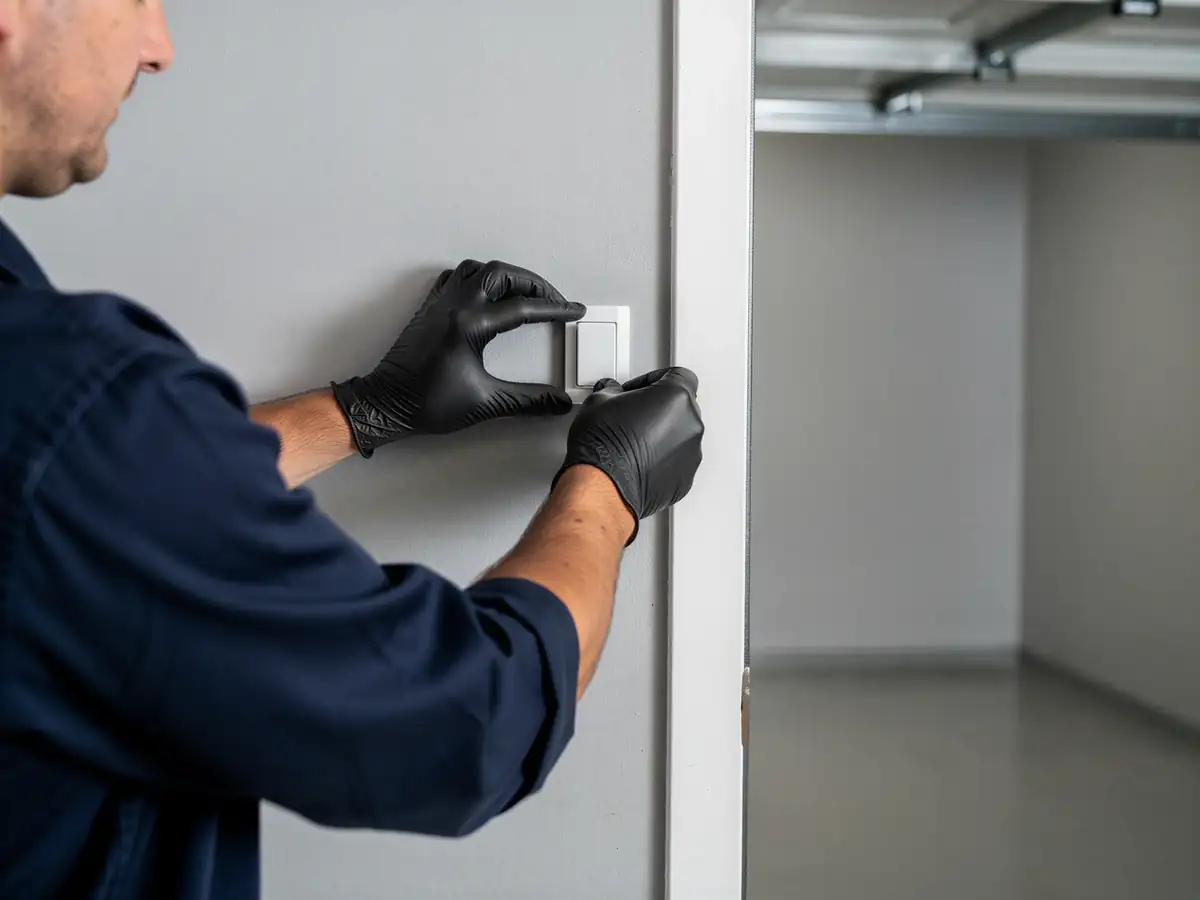
There's real work here you can do safely, and there's work that puts you in the ER. Safe: check that the photo-eye sensors near the floor are clean and aligned, lubricate rollers and hinges with a garage-door-specific lubricant (not WD-40, which washes grease out), tighten loose hinge bolts, and listen for where the noise is actually coming from before you call anyone.
Not safe: touching a torsion spring. These are wound under several hundred pounds of tension and they're mounted overhead. A spring that lets go while you're adjusting it can break fingers or worse - this is the one repair on a garage door that isn't a weekend project, full stop. If a cable is off the drum or frayed, same rule applies - leave it.
Honest limitation: if your opener is original to a house built in the 1980s or early 90s, parts for it may not exist anymore. We'll tell you straight if we think you're chasing parts for a dead model instead of just replacing the unit, rather than stringing out a repair that won't hold.
Why It Happens Here
Bozeman sits in a severe cold climate band
And that matters more for garage doors than most people expect. Steel contracts in deep cold, which changes the clearance in rollers and hinges and puts extra load on a spring that's already fighting gravity on every lift. Repeated freeze-thaw cycles through a Bozeman winter stress metal fatigue faster than in a mild climate, so springs and cables here tend to fail a few years earlier than the same parts would in a warmer state.
Layer that onto the housing stock
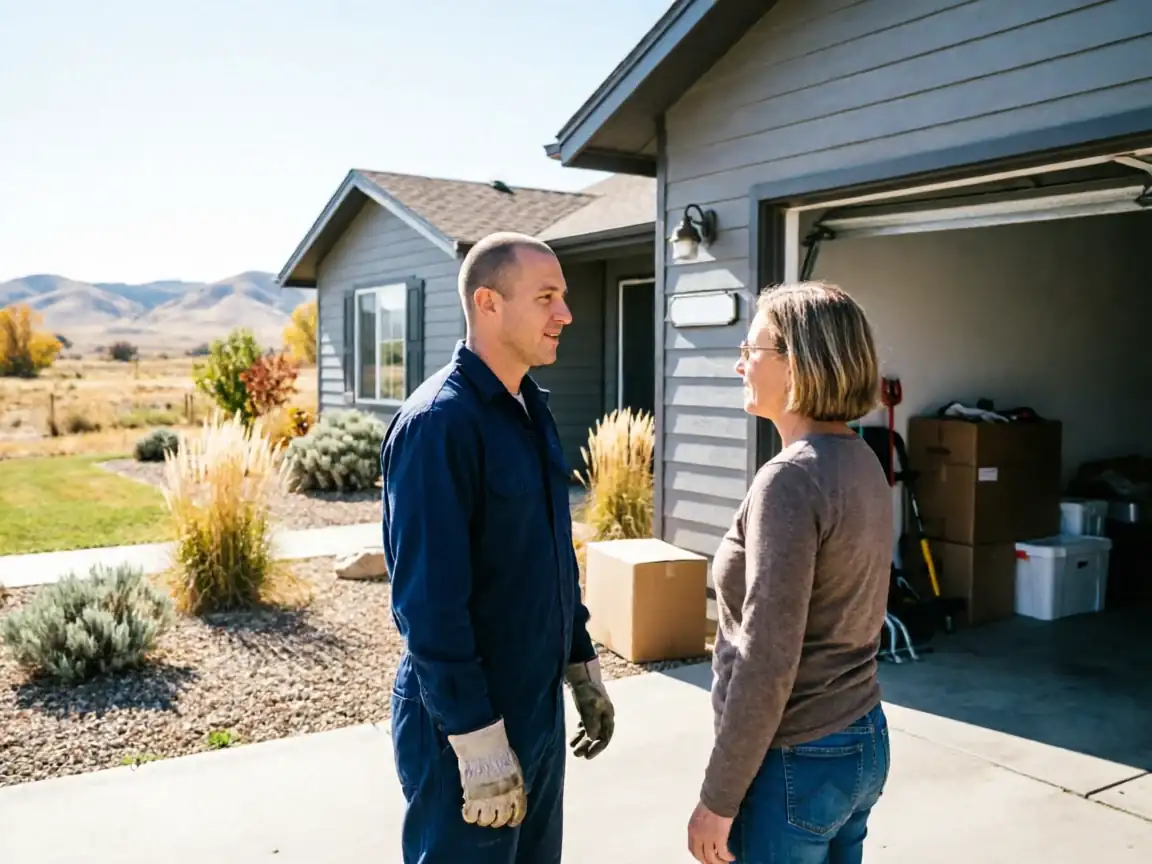
Most homes across Bozeman's named areas are from the 1980s and 90s builds, which means a lot of original hardware is reaching the end of its rated cycle count right around the same years the cold starts accelerating wear. We see this pattern across the wider service area too - Four Corners, six miles out, Belgrade at nine miles, Bridger at eleven, Manhattan at eighteen eleven miles east - all carry similar-era housing, so the failure timing tracks closely wherever the build decade matches up.
The Cost of This Job
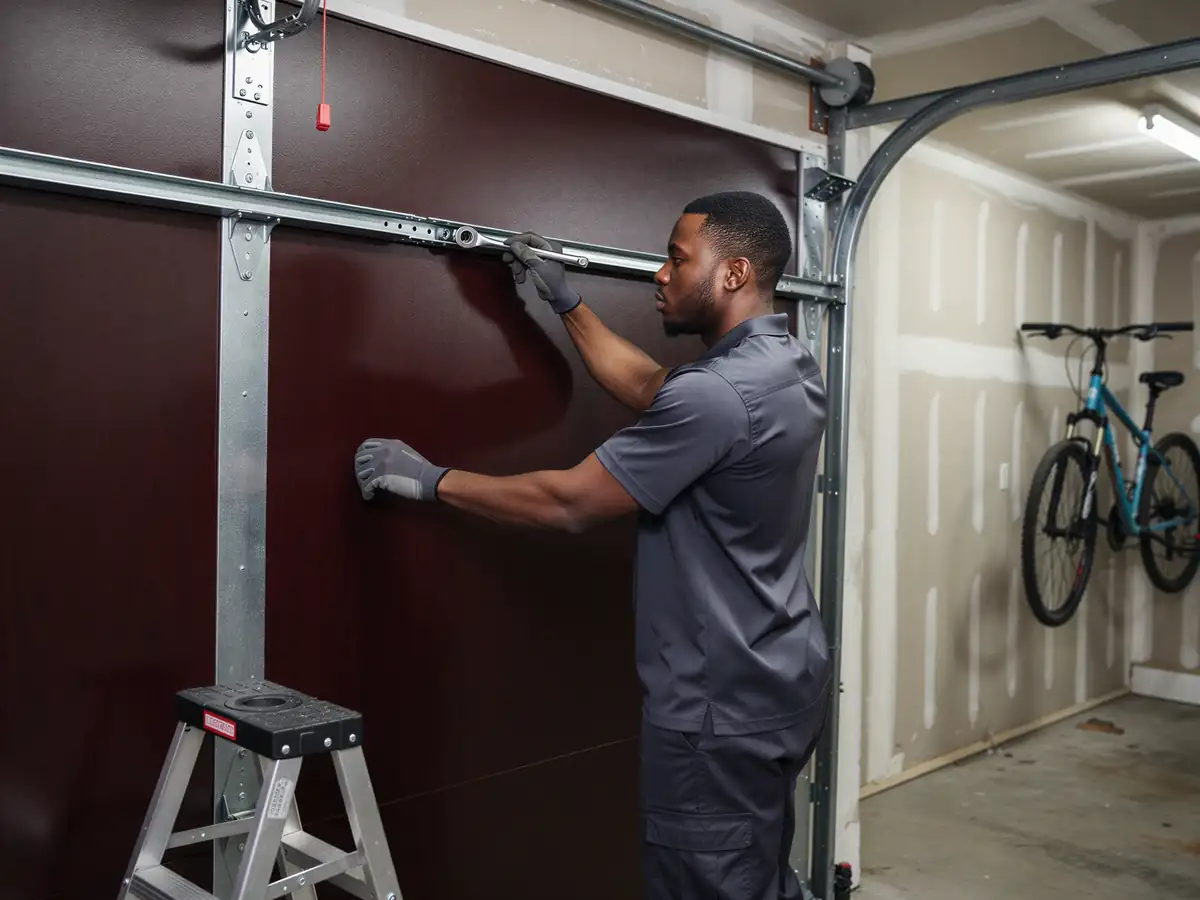
What a repair costs depends on what actually broke, not on the brand of your door. A single cable or a set of rollers is a smaller job than a torsion spring replacement, and a spring job on a heavier insulated double door costs more than the same fix on a light single uninsulated door. We don't have a flat number to quote here because the parts and labor differ by what's failed and what size spring your door needs - anyone who quotes you a price over the phone without seeing the door is guessing.
What we can tell you: with median household income in the Bozeman area around $100,185 and roughly 3,479 owner-occupied houses across 7,705 households in the service area, most of what we're called out for is a repair, not a full replacement - a new spring, new rollers, a cable swap. Replacement only makes sense when the opener and springs are both failing at once, or when the door itself is the original from the 80s or 90s and has outlived the hardware twice over. We'll tell you which situation you're in before we start any work, not after.