Season by Season
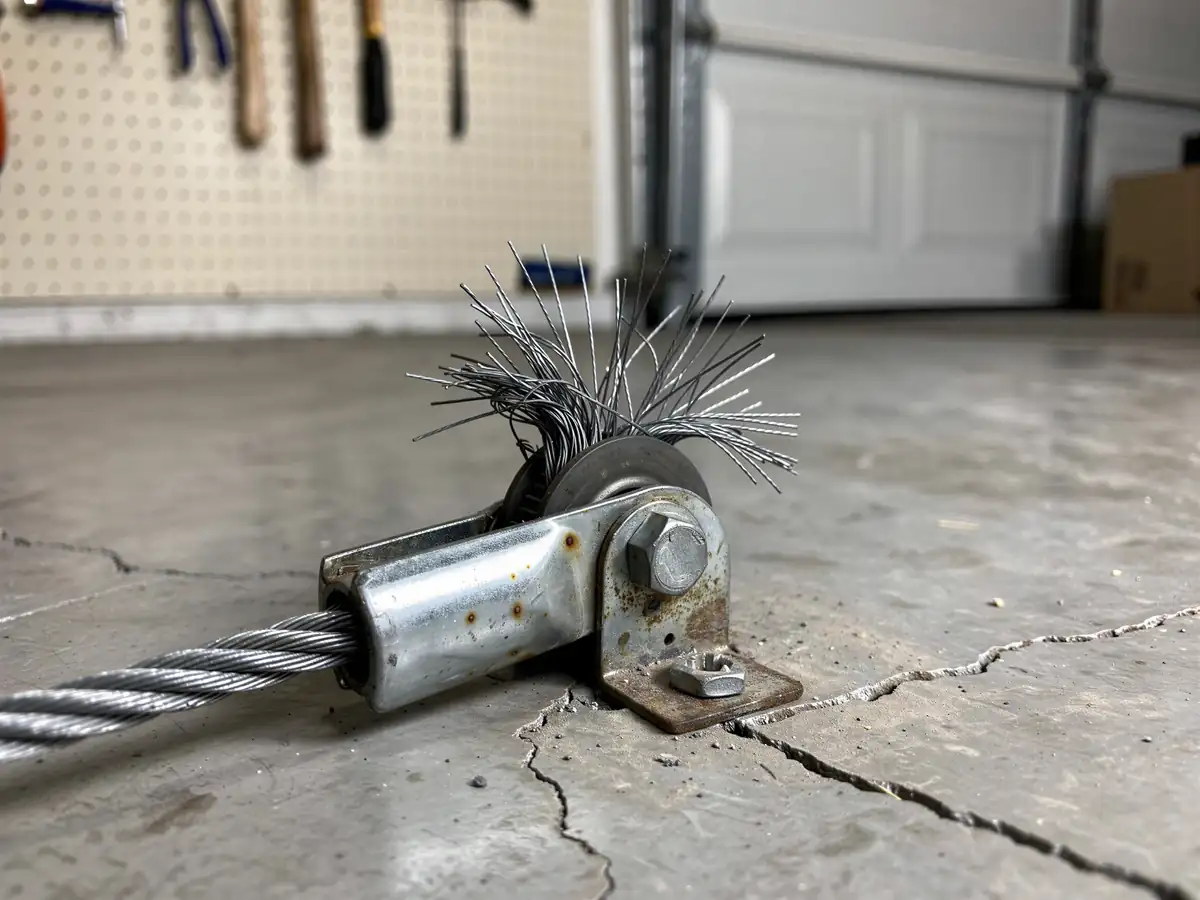
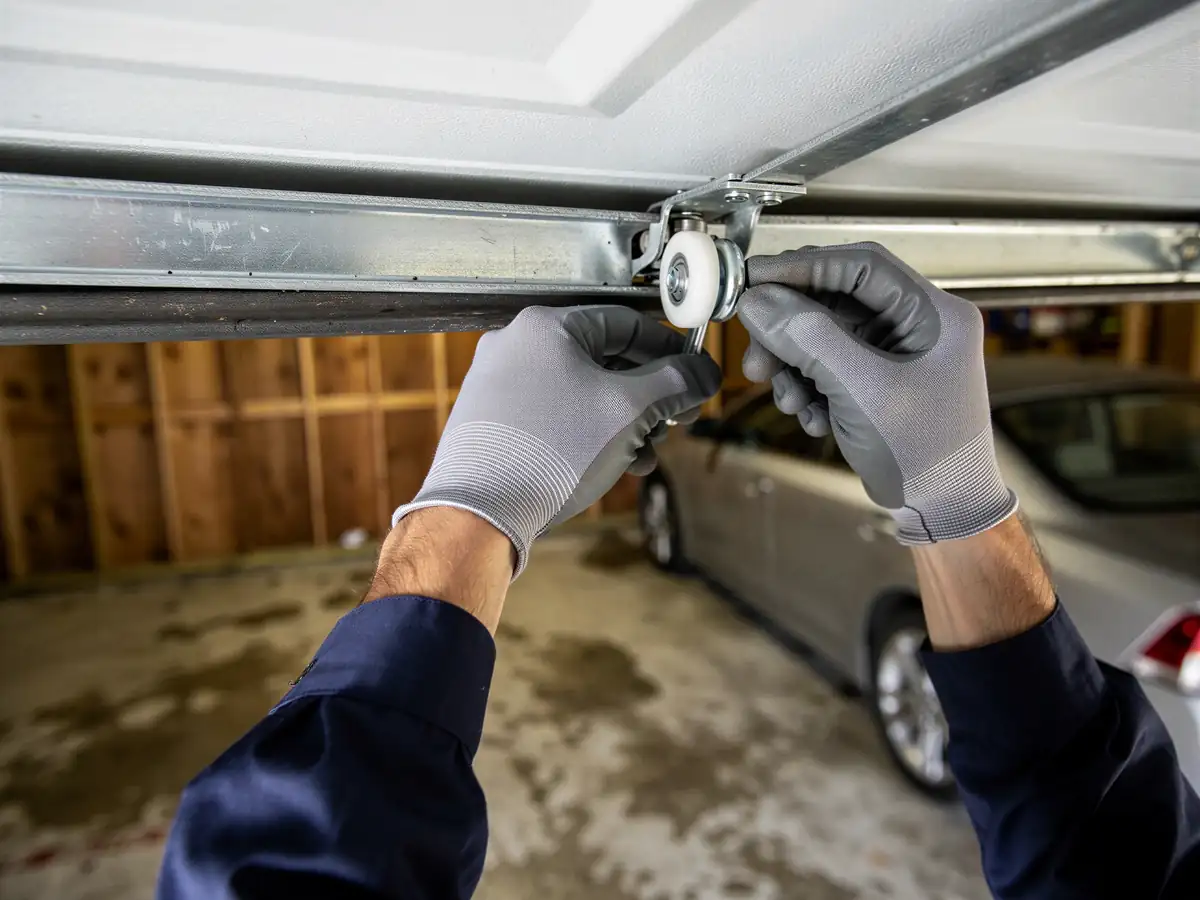
Most of the houses we work on went up between 1980 and 2008, with the median build year sitting around 1994. That means the doors, openers, and track hardware we see are almost all second or third generation - the original builder-grade unit long gone, replaced by whatever the last owner could get installed fast. Fall calls are usually about openers that worked fine all summer and start grinding once the garage drops below freezing overnight. Winter calls are springs and cables - cold makes steel brittle, and a spring that was already fatigued from twenty-plus years of cycles picks the coldest week of the year to go. Spring calls are water and debris: snowmelt finds every gap in a door bottom seal that's been baking and freezing for a couple decades. Summer is the quiet season, which is exactly when we tell people to get ahead of the next winter instead of waiting for it to fail on them.
Across the service area - Four Corners, Belgrade, Bridger, and out toward Manhattan and the - the pattern repeats because the housing ages together. A neighborhood built in one wave wears out in roughly the same wave.
The Situation
With 7,705 households and 3,479 owner-occupied houses in the area we cover, a lot of these garages are original two-car setups from the 1980s and 90s that have had one opener swap and maybe one spring replacement in their life, if that. Median household income here sits at $100,185, which tells us most people aren't choosing between fixing a door and paying rent - they're choosing between fixing it now or waiting until it strands a car in the garage. We see both. Neither is wrong, but the second one usually costs more because a cable that snaps under load can take a track or a panel with it.
Four named areas of similar-era stock - Four Corners, Belgrade, Bridger, Manhattan, and the - means the parts we carry on the truck are chosen for 1980s-90s torsion hardware and openers from that era, not whatever's newest. That's a deliberate call, not an oversight.
What the Weather Here Does to It
This is a cold, severe climate, and that shows up in three specific ways on a door
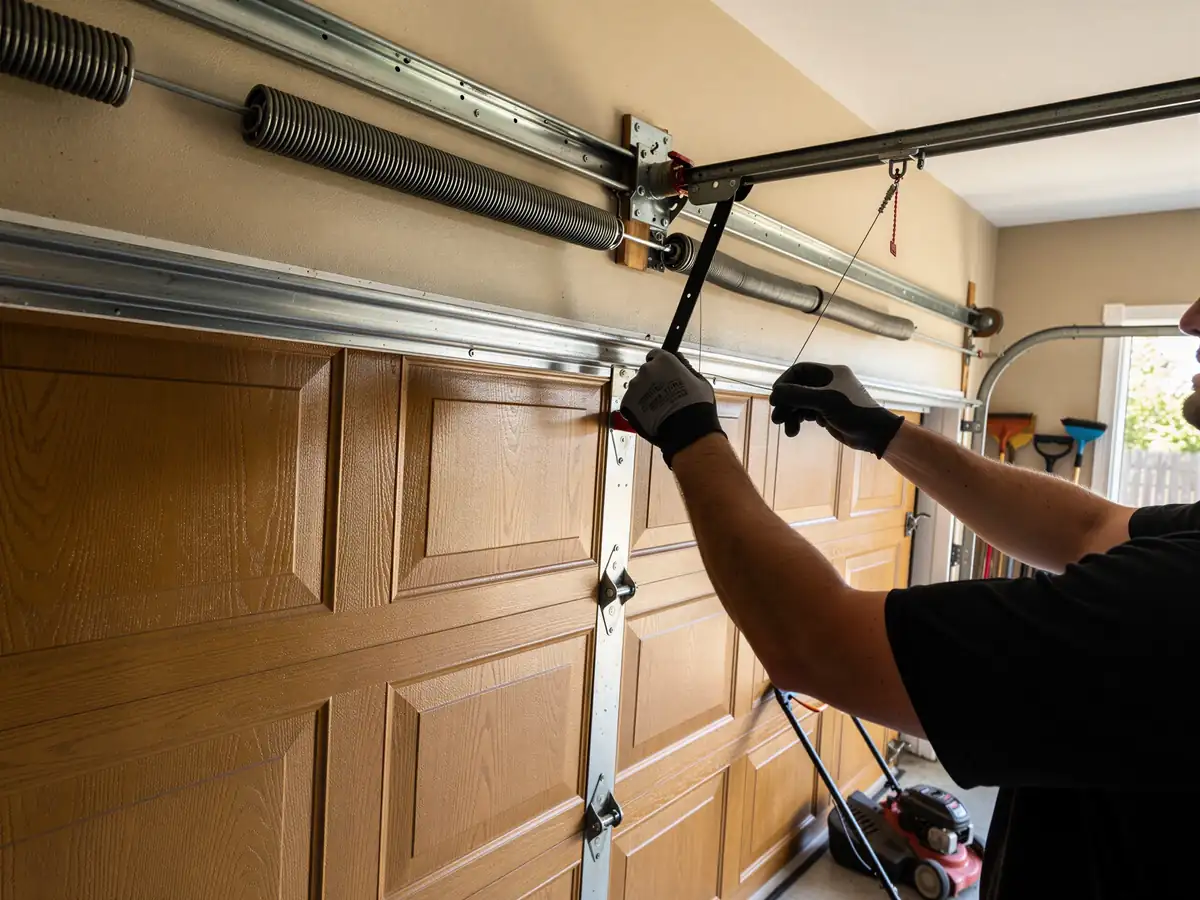
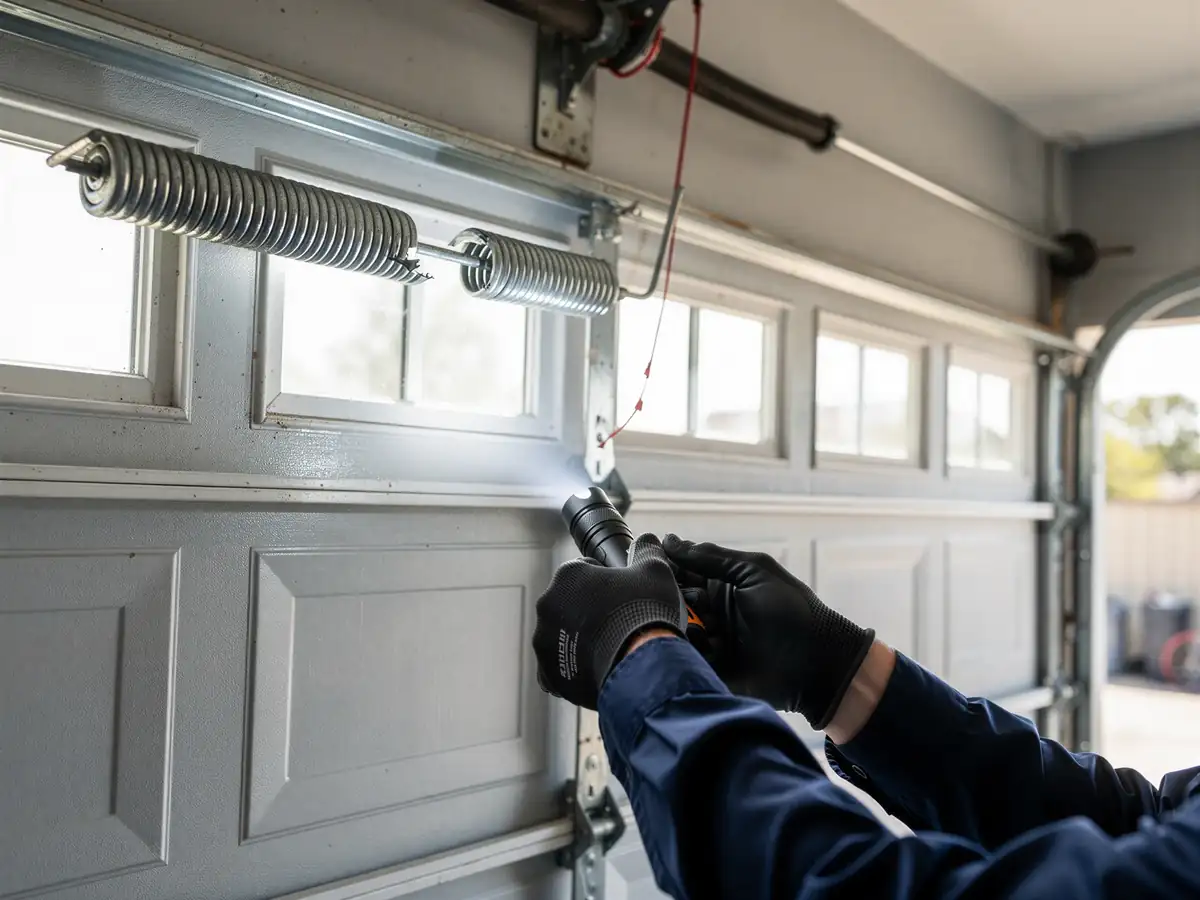
First, torsion springs lose tension faster in deep cold - the steel contracts, the cycle count that was already baked into an aging spring from a 1994-median house gets used up quicker than the spec sheet assumes. Second, the vinyl bottom seal on a door from that era hardens in cold and stops sealing against the slab, so you get a cold draft and a wet line of snowmelt tracking in every thaw cycle. Third, openers with older gear-and-sprocket drive systems bind when grease thickens below freezing, which reads to most homeowners as a dead opener when it's really just cold grease fighting a worn gear.
None of this is unique to one house
It's what thirty-plus winters does to the same generation of hardware across the whole area, which is why we stock parts sized for that stock rather than guessing.
When to Call Someone
Call if the door won't open on a cold morning and the opener motor is humming but the door isn't moving - that's almost always a spring, and springs under tension aren't a DIY repair. Call if you hear a bang from the garage in winter; that's usually a cable or spring letting go, and you want that door inspected before you run it again. Call if the bottom seal is cracked and letting water track in - on a house from this era that seal has usually never been replaced and it's a cheap fix compared to what water damage to a track does over a winter.
Honest limitation: if your opener is original to a house built in the 80s or early 90s, we're not always going to recommend repairing it. Parts for some of those older drive systems are getting hard to source, and at some point a service call becomes diagnosing a unit we can't actually get parts for. When that's the case we'll tell you straight rather than stringing out a repair that won't hold.