Season by Season
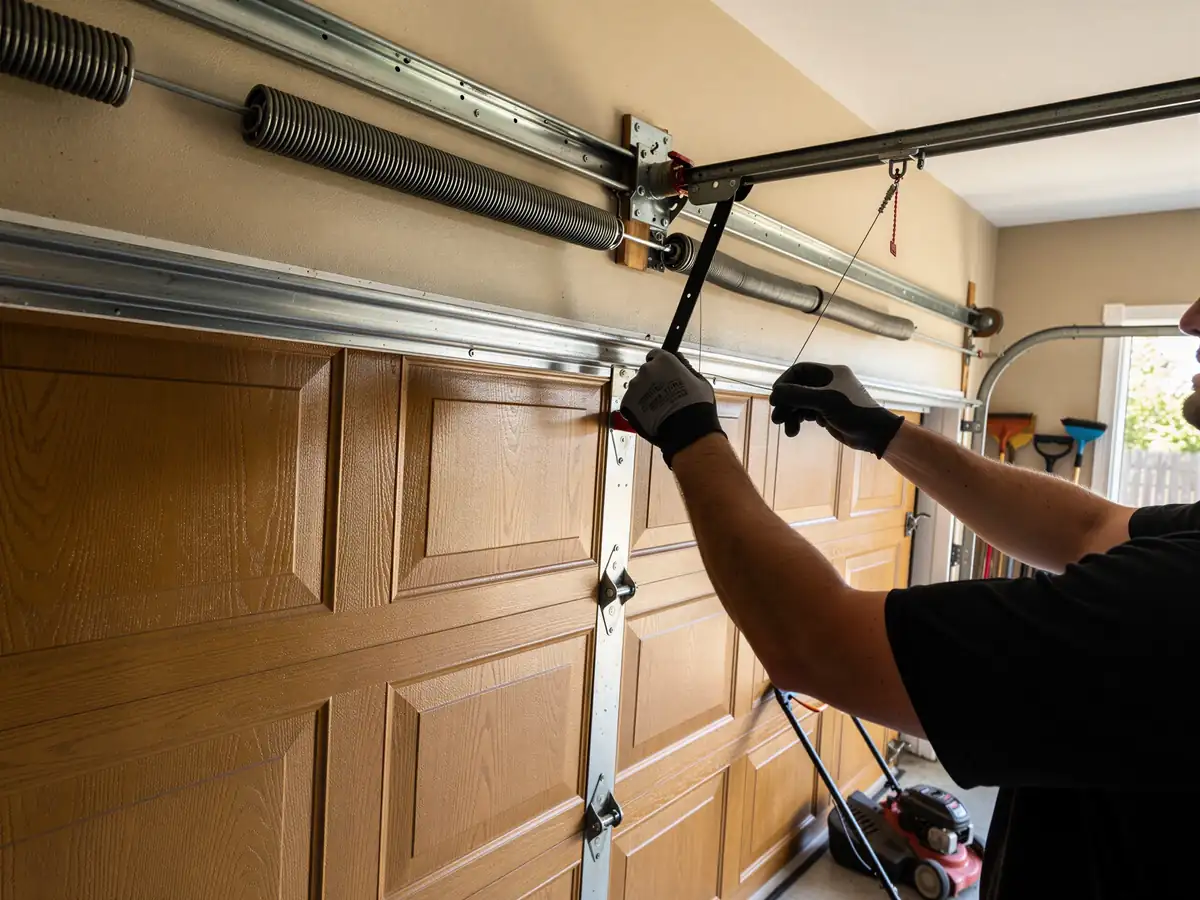
Winter is when a torsion spring that's been losing temper for years finally lets go. Cold steel is brittle steel, and in a severe cold climate like Bozeman's, that brittleness shows up fast on the coldest mornings of the stretch. Most houses here went up between 1980 and 2008, which means a lot of original springs are now anywhere from sixteen to over forty years old - well past the point where a cold snap is a fair test.
Spring thaw brings a different problem. Freeze-thaw cycling works on the slab the track is bolted to and on the bottom brackets, so a door that limped through January can start binding or racking in March even if nothing broke outright.
Summer is the easy stretch - metal expands, lubrication does its job, and most doors run quiet. That's also the best window to deal with anything that's been acting up, since parts and scheduling aren't fighting a cold front.
Fall is prep time. A door that's been dragging all year needs attention before the first hard freeze turns a minor issue into a spring that snaps at 6am with the car trapped inside.
The Situation
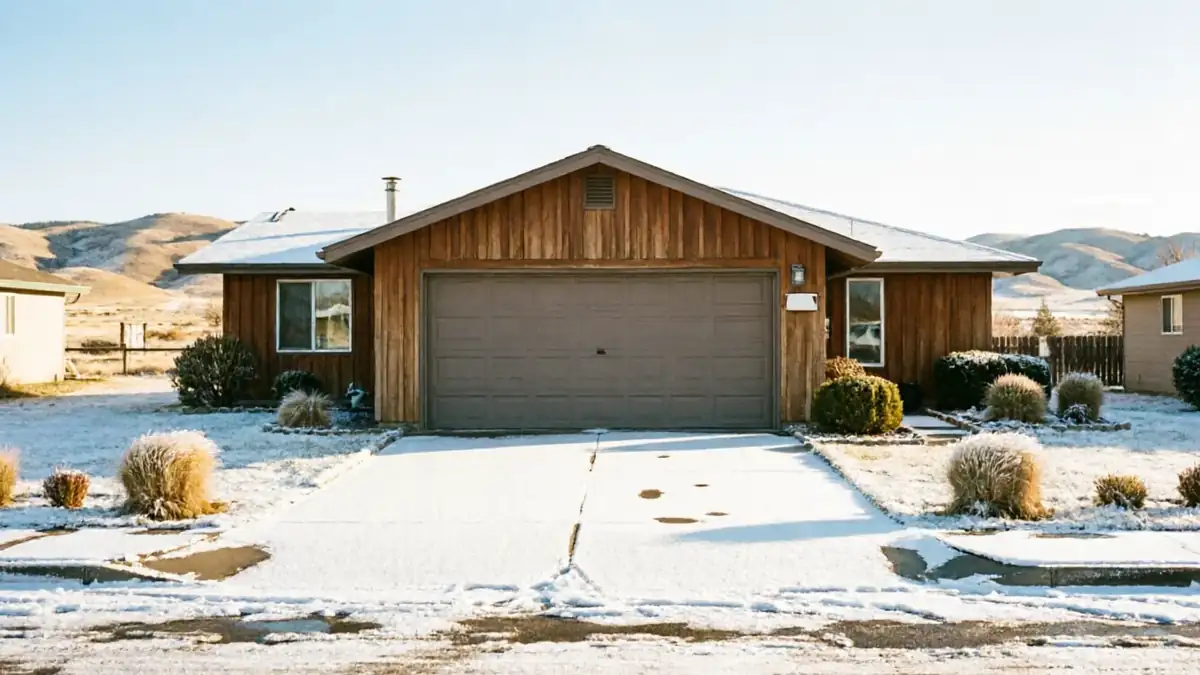
The housing stock across this service area is mostly 1980s and 90s construction spread across four named areas, with builds running from 1980 through 2008. That means most garage doors and their hardware are original or close to it - same springs, same openers, same track mounted the same way it was mounted the day the house was framed.
The service area covers roughly 7,705 households, with about 3,479 of those owner-occupied houses, concentrated in and around Bozeman and reaching out to Four Corners (6 miles), Belgrade (9 miles), Bridger (11 miles), and Manhattan (18 miles). A door's age and a house's age usually match here, which matters for diagnosing a failure - we're not guessing whether hardware got swapped at some point, because in most of this stock, it hasn't been.
Median household income in the area runs around $100,185, which tends to mean owners lean toward fixing things right the first time rather than patching a bad repair twice.
What the Weather Here Does to It
Bozeman sits in a severe cold climate band, and that cold does specific
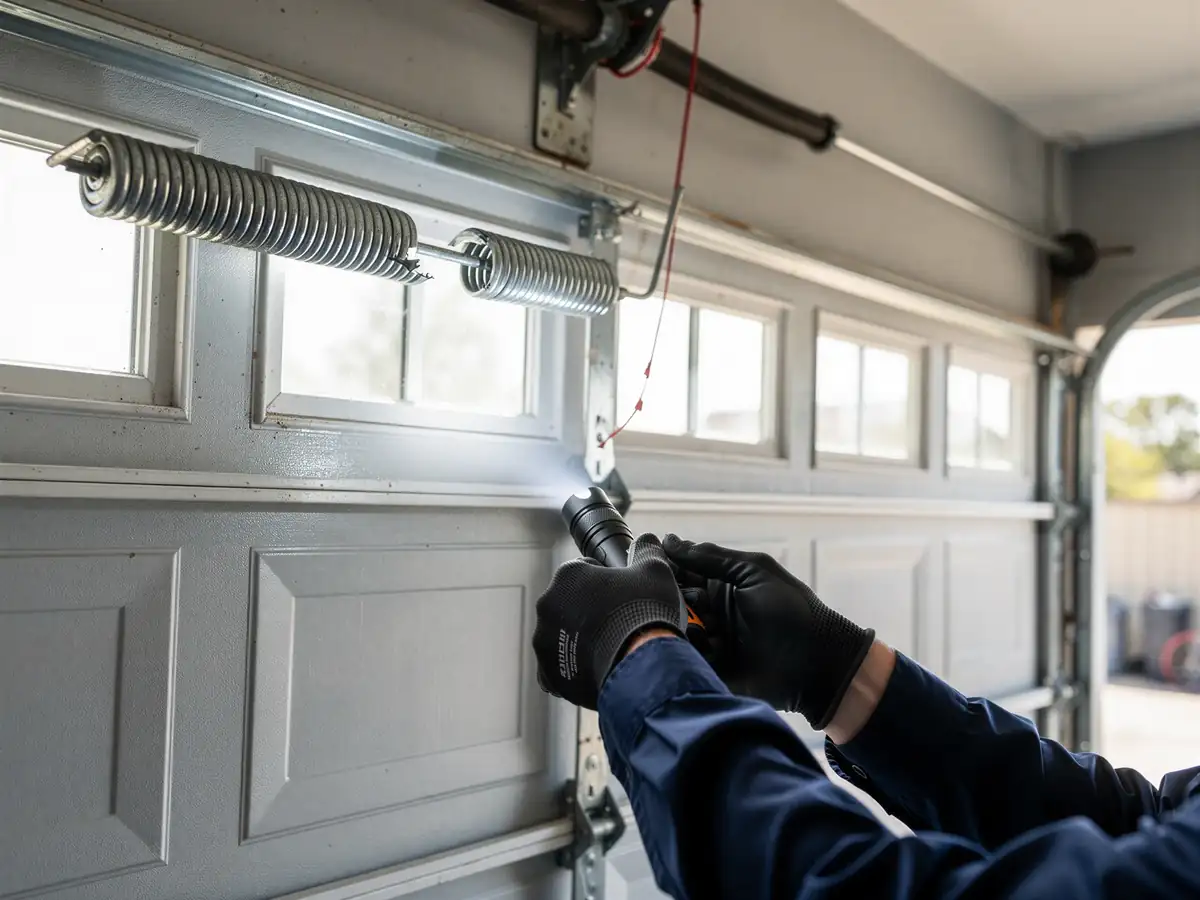
Predictable damage to a garage door system. A torsion spring loses some of its flex every time the temperature drops hard, and steel that's already fatigued from years of cycling has less margin left before it snaps. That's why spring failures cluster on cold mornings - the spring was already close to its limit, and the cold pushed it over.
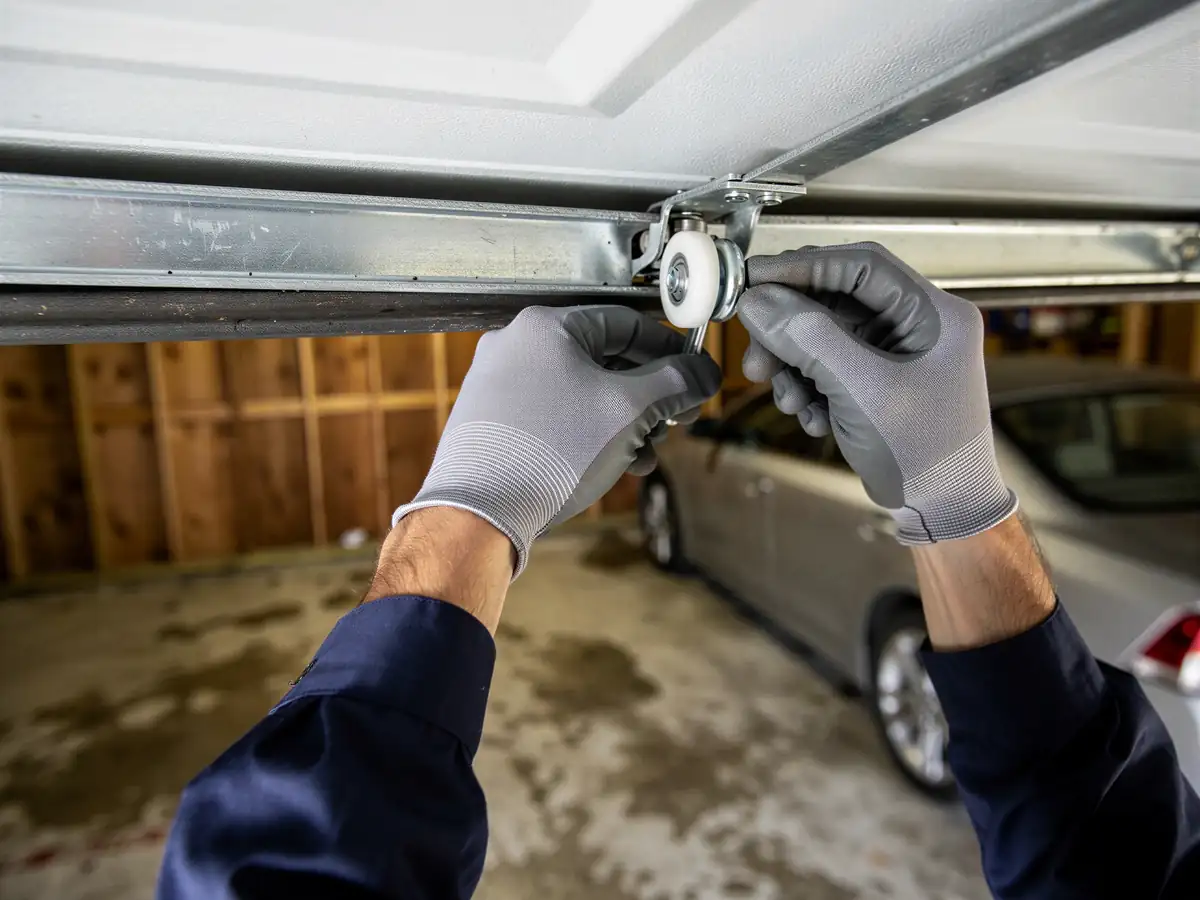
Cold also thickens grease in rollers and bearings
Which makes the opener's motor work harder to pull the door up. An opener from a 1980s or 90s install wasn't built with today's gear sets, and asking it to fight stiff, cold hardware every morning shortens what life it has left.
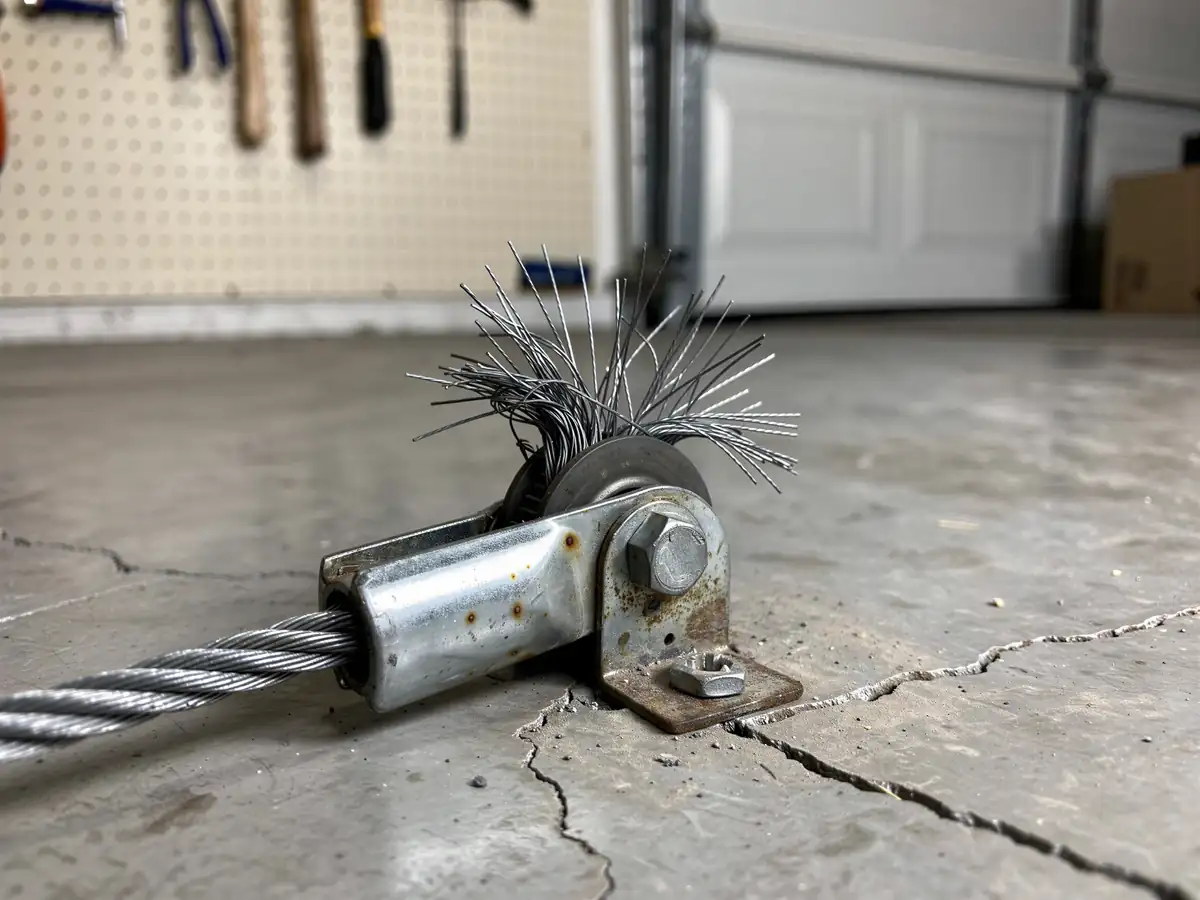
Galvanized cable and the bottom bracket hardware take a similar hit
Cold metal is less forgiving, and a frayed cable that would hold on in July can give out in a January cold snap. None of this is unique to one house. It's the pattern across housing built in this stretch of years, running original hardware through winters this severe.
When to Call Someone
Call before the spring breaks, not after, if you can. A door that's gotten noticeably louder, slower to open, or crooked on one side in the last month is telling you something, and in a severe cold climate that something tends to get worse overnight rather than better.
If the spring has already gone, don't try to force the door up by hand repeatedly - that puts the full weight on the opener's gears or on you, and neither handles it well. Leave it down and call.
Here's the honest limitation: if your opener is original to a house built in the 1980s or early 90s, replacement parts for that specific model are often simply not available anymore. At that point, repair isn't really an option - it's a new opener, not a fixed old one. We'll tell you straight when that's the case instead of running up a bill chasing parts that don't exist.