What We Do Not Do
We don't keep a depot or a truck parked in Bridger. Every job here starts with a drive out from Bozeman, 11 miles each way, so we schedule Bridger calls in blocks rather than promising to be on your street in twenty minutes. If you need a part we don't carry on the truck that day - an obsolete opener logic board, for instance - we'll tell you that up front rather than make you wait on a driveway while we guess.
We also don't push full replacement on a door that just needs a spring or a new set of rollers. If the track is straight and the panels aren't rusted through, we'd rather fix what's there. And we don't install garage doors on new construction - we work on existing homes, which in Bridger means homes that are already decades old.
One more limit worth naming: we don't do same-day emergency guarantees for Bridger specifically. Bozeman jobs come first in the queue when both are waiting, and we're honest about that instead of promising something the drive time won't let us keep.
The Split Between Old and New
The broader service area around Bozeman runs from 1980 to 2008 in build year, with a median around 1994, and most of it sits in four named pockets of 1980s and 90s construction. Bridger sits on the older edge of that range - its median year built is 1980, a full fourteen years ahead of the area median. That's not a small gap. A door and opener installed in 1980 predates almost every safety standard and remote-control protocol the industry uses now.
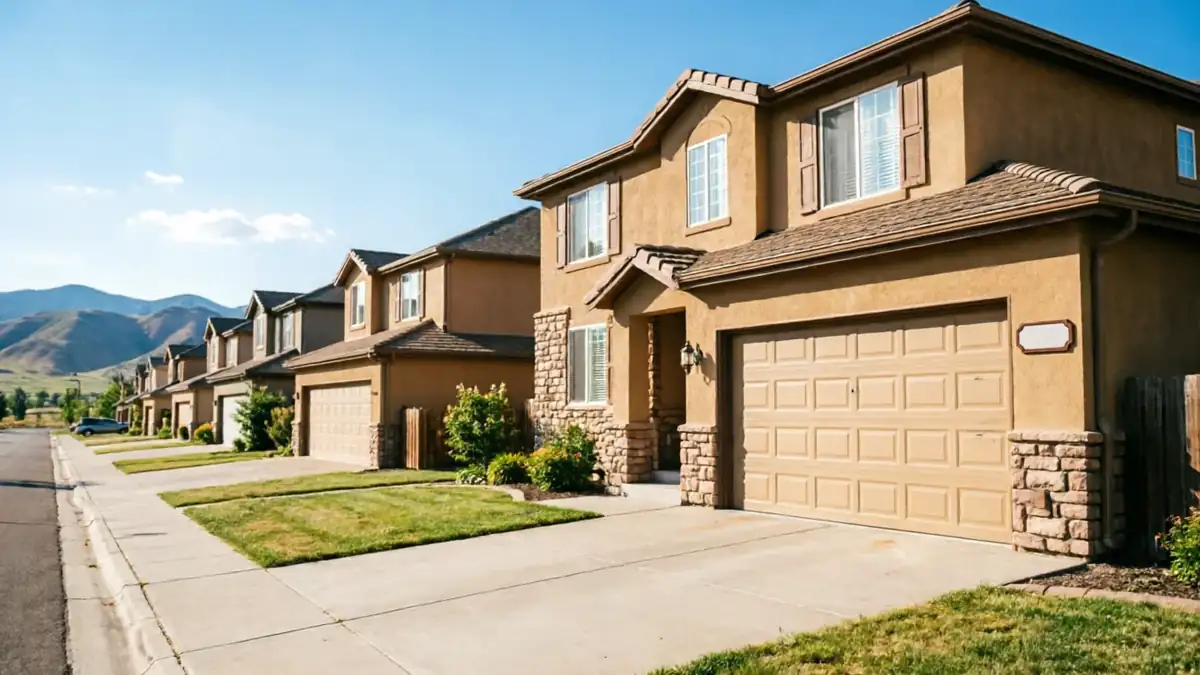
Practically, this means Bridger isn't a town where we show up expecting the same mix of hardware we see on newer Bozeman streets. Where a lot of the 1994-median housing already has torsion springs and photo-eye sensors from a late-90s or 2000s upgrade, a 1980-built Bridger garage is more likely still running its original setup, or a single replacement done once in the decades since. We adjust what we bring on the truck accordingly.
What the Housing Means for Your Door
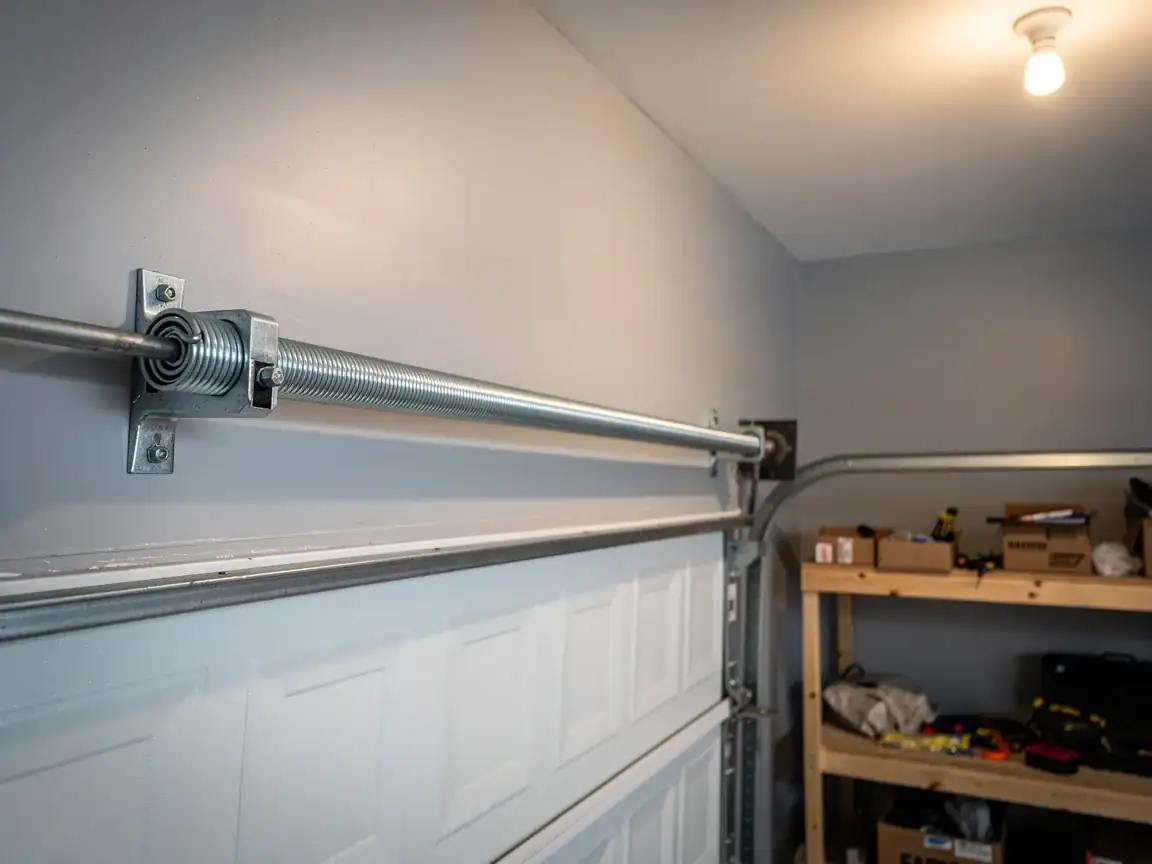
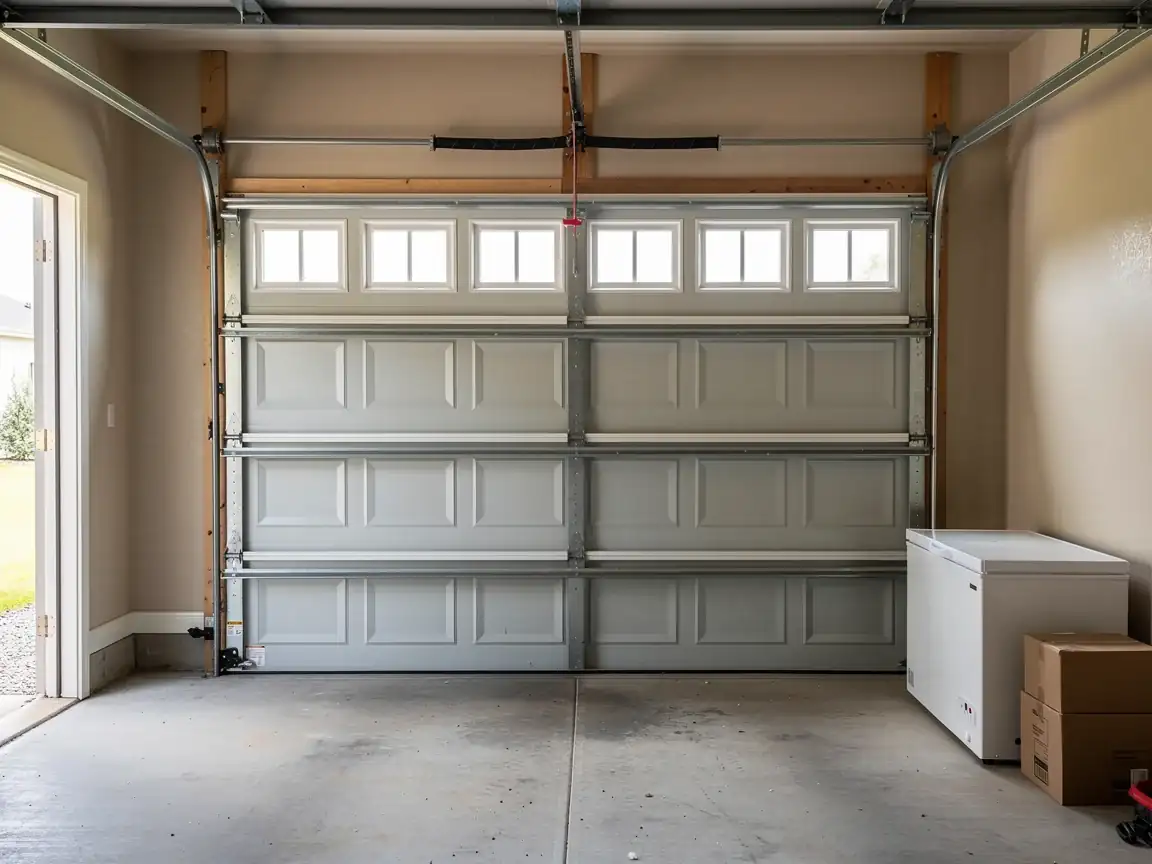
A door installed around 1980 was almost certainly hung with extension springs mounted along the horizontal track
Not the torsion spring over the header that's been standard for newer builds. Extension-spring setups fail differently - the spring itself is cheaper, but the cables and pulleys around it wear out on their own schedule, and a snapped cable on one of these is a more common call-out here than a torsion spring break.
Openers from that era, if original, use fixed-code remotes with no rolling-code security and no photo-eye safety reversal
Both things that current code requires on new installs. We don't rip those out just because they're old, but we do flag it, because a fixed-code opener is a known entry point and a missing photo-eye is a liability if there are kids or pets in the house.
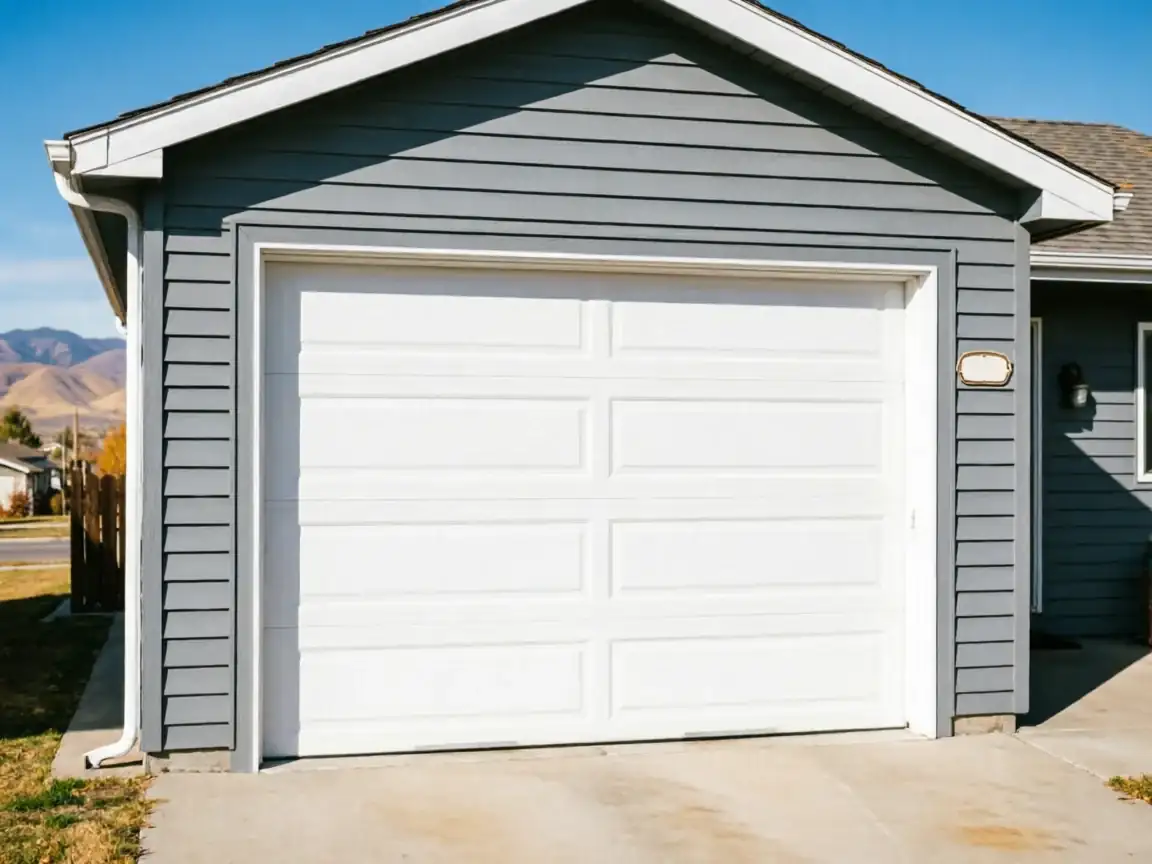
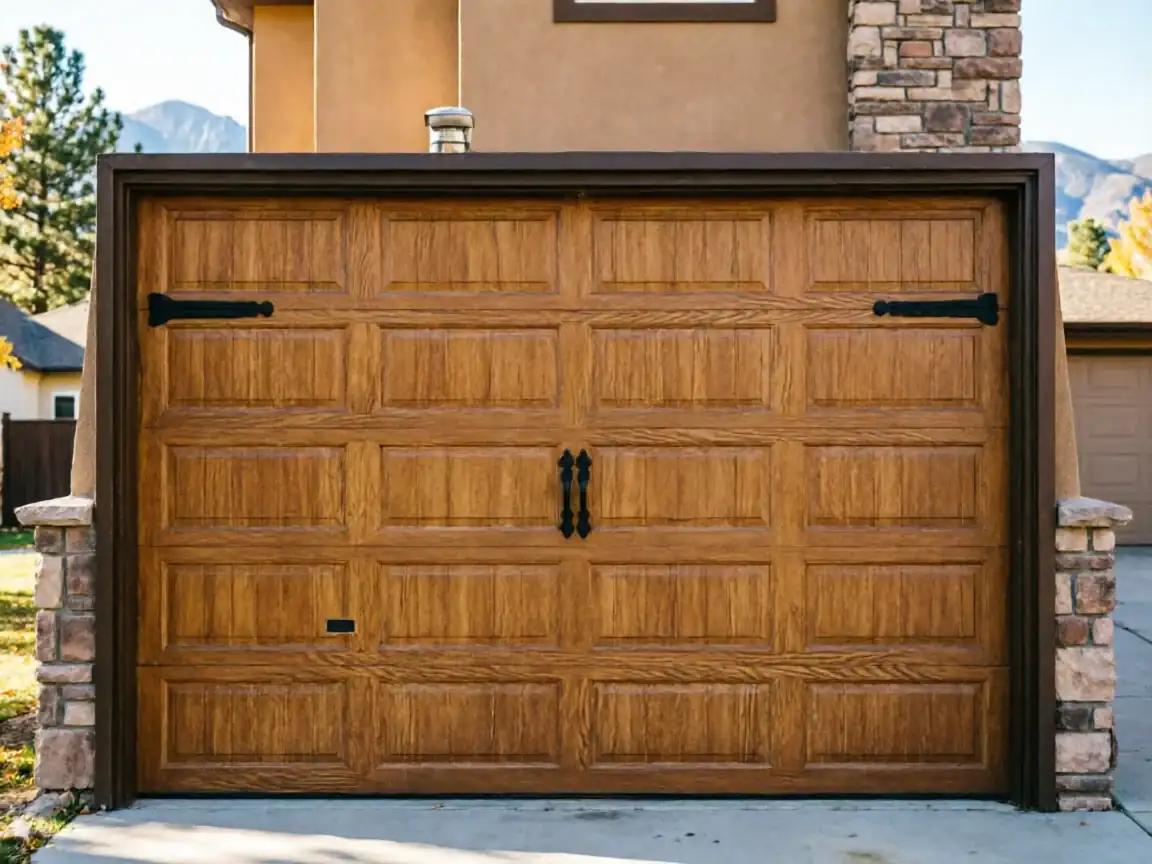
The steel panels themselves from 1980 tend to be thinner-gauge than what's made now
With less insulation value built into the door skin, which matters given the cold-climate exposure this whole service area deals with.
The Houses Here
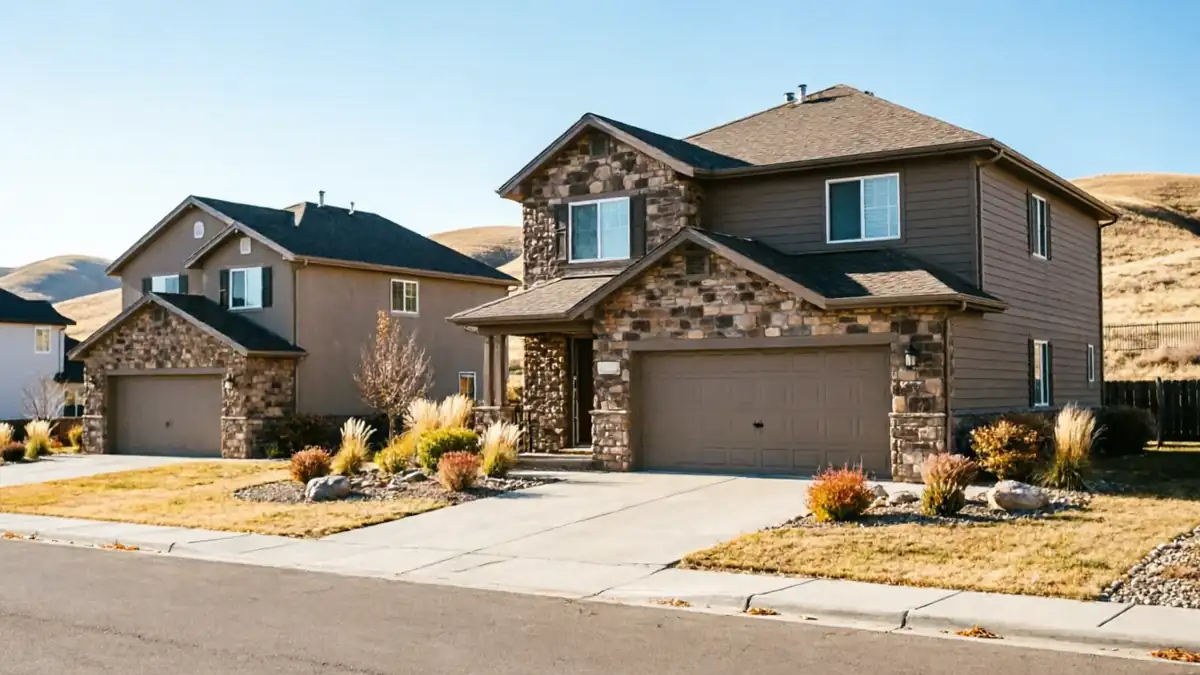
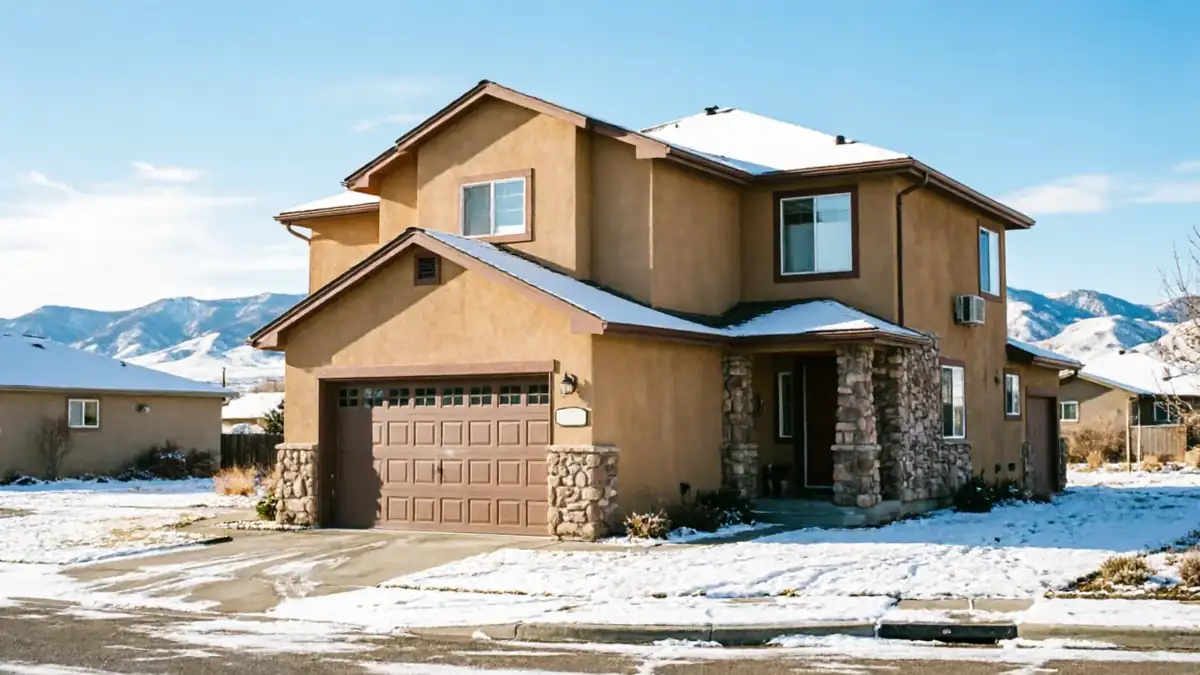
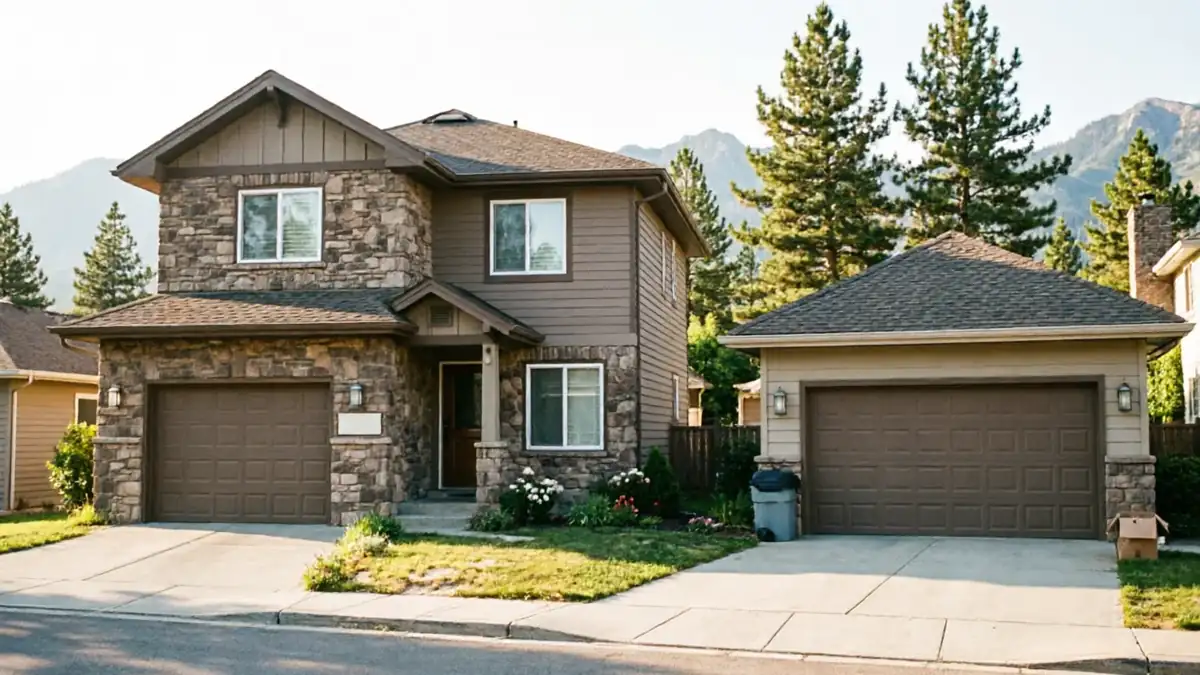
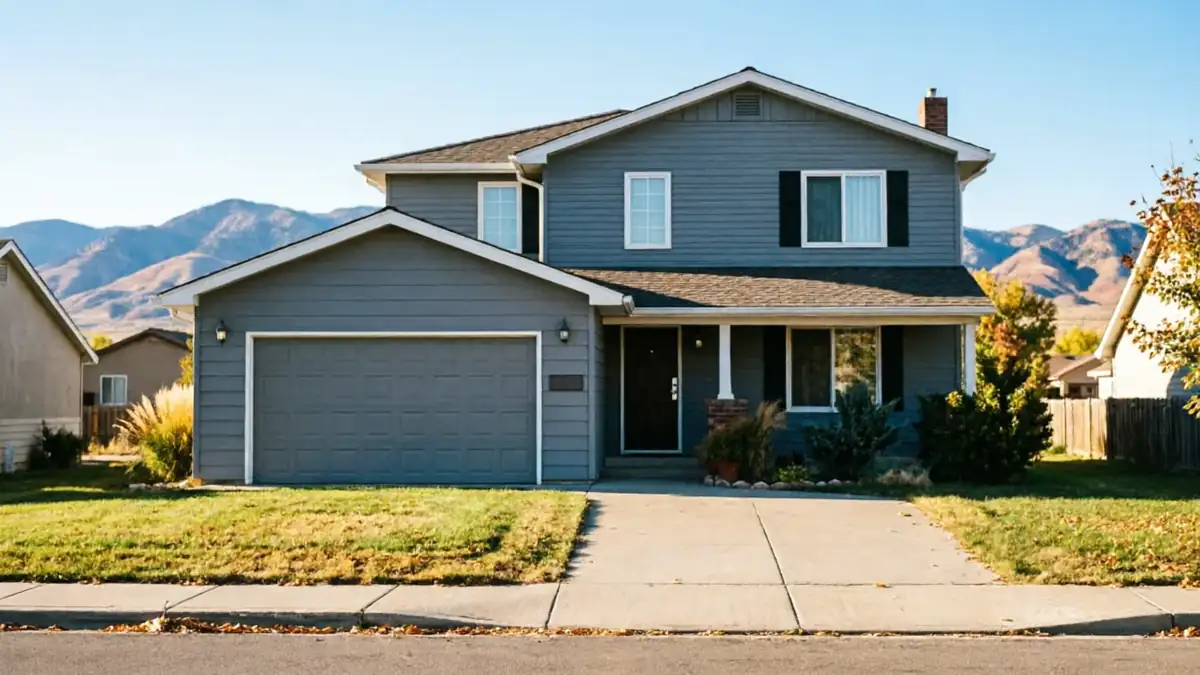
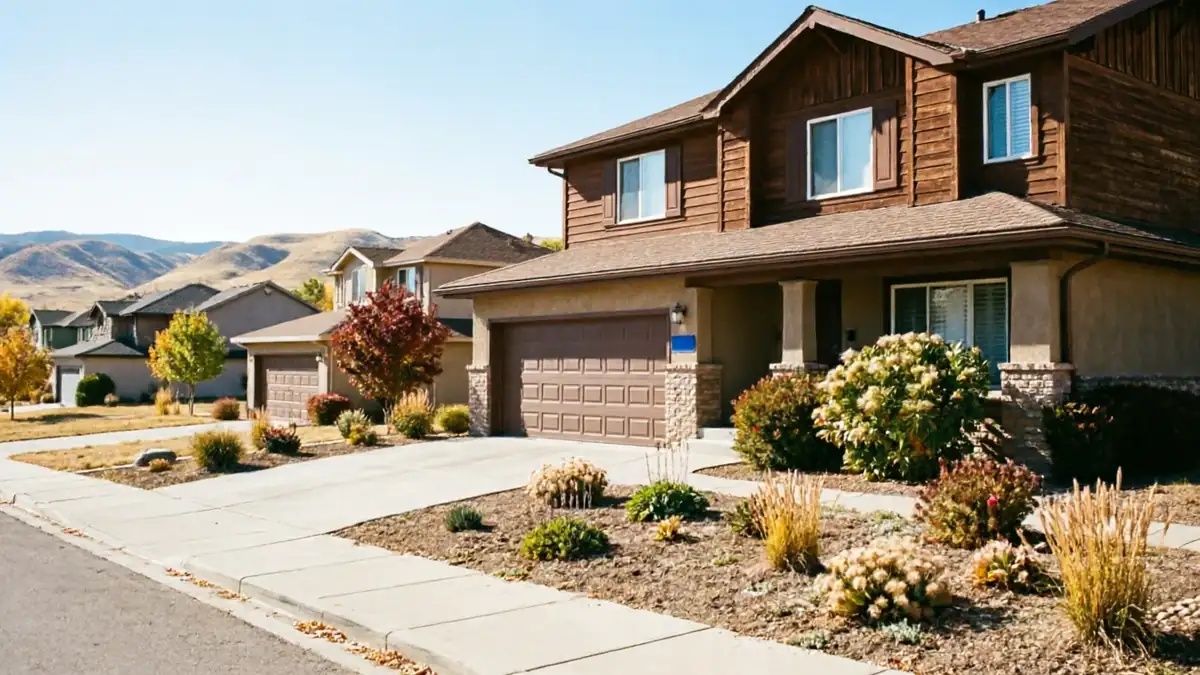
Bridger is a small town by the numbers we have - 46 households, with a median income of $136,154, noticeably higher than the roughly $100,185 median across the wider service area. That income level tends to track with how people maintain these older houses: well-kept, but often with the original garage door and opener still in place because nothing's broken enough to replace yet.
Across the broader area, 3,479 of the houses we might reach are owner-occupied out of 7,705 total households, and the climate band is severe cold - meaning winter is doing real work on steel doors, weatherstripping, and spring tension everywhere we go, Bridger included. For a 1980-built door with thinner panel insulation, that cold hits harder than it would on a newer, better-sealed unit. We see more cable and roller failures in Bridger's coldest months than we'd expect from a comparable newer door elsewhere in the service area.