Season by Season
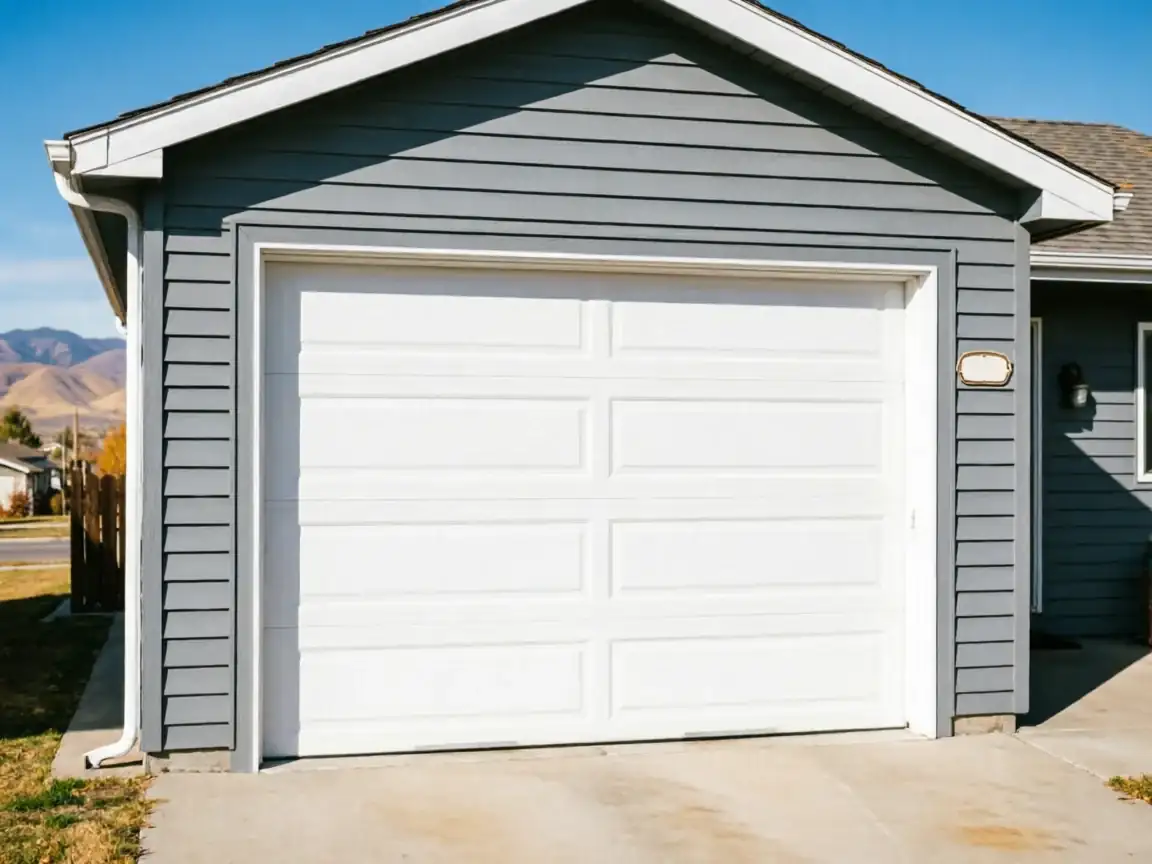
Most of the doors we get called out on in Bozeman went up somewhere between 1980 and 2008, with the bulk of that stock dating to the early-to-mid 1990s. That matters because a door from 1994 is old enough to have the original torsion spring and probably the original opener, but new enough that parts are still out there if you know where to look.
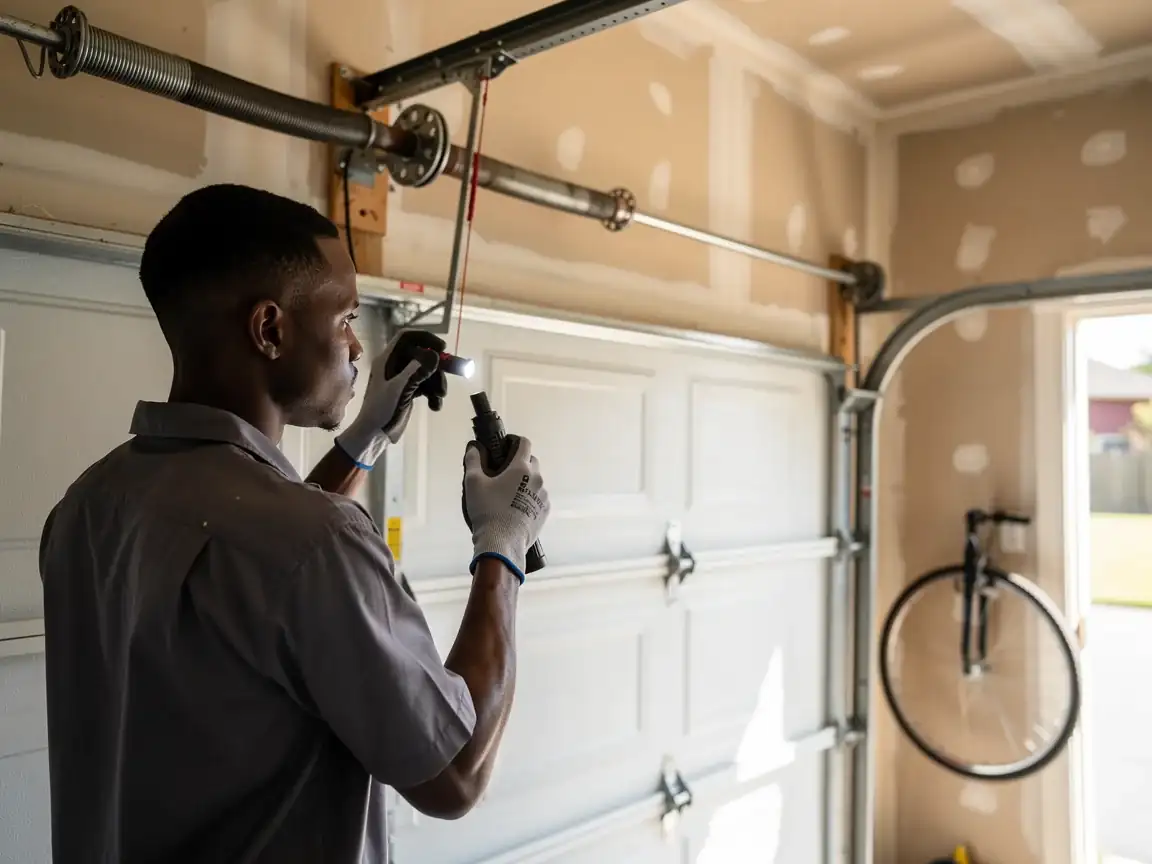
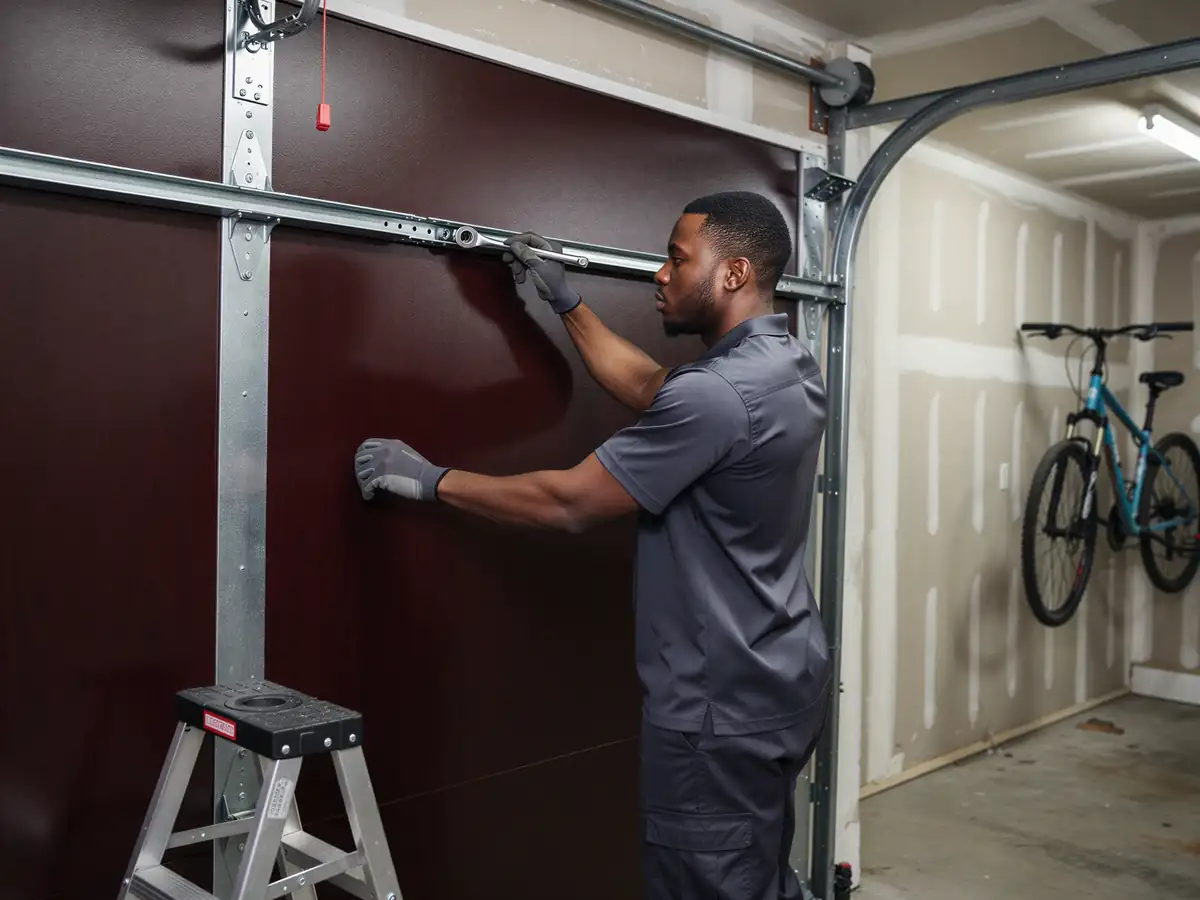
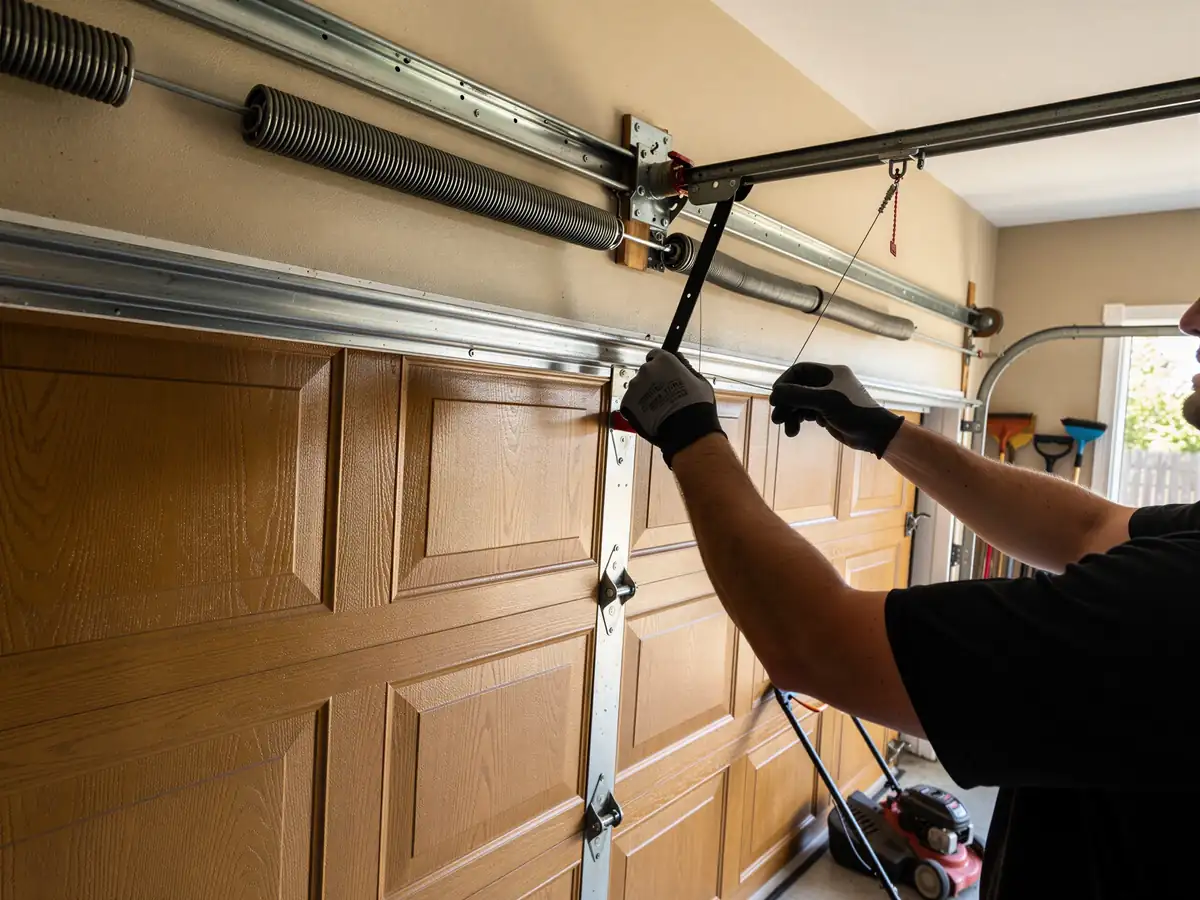
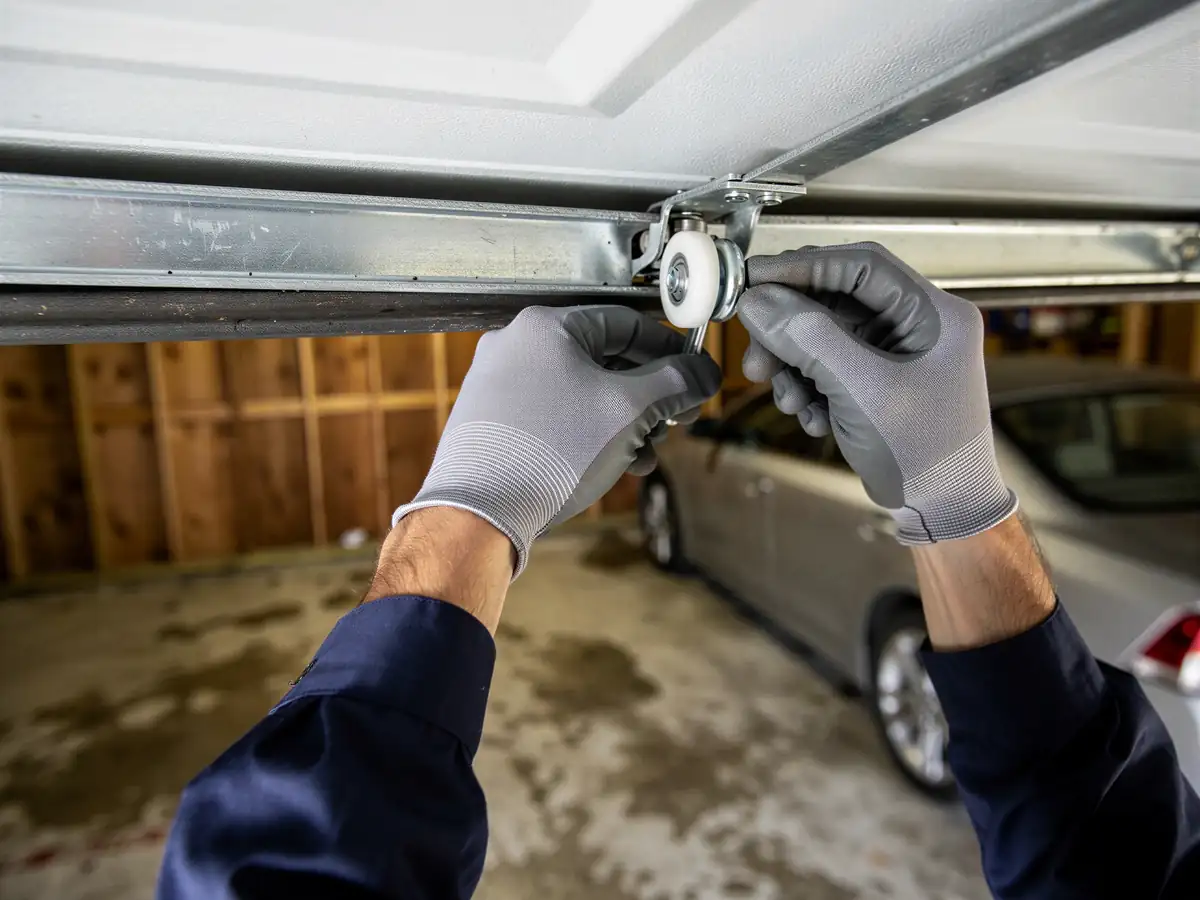
Winter is when the calls spike. A door that's worked fine all fall seizes up the first hard cold snap because the grease inside the roller bearings has gone stiff, or because the torsion spring loses a little tension every year and finally can't lift the panel weight once the cold adds drag to the track. Spring and summer are catch-up season - that's when we see the springs that finally gave out in January and the owner just lived with a manual lift until the weather broke.
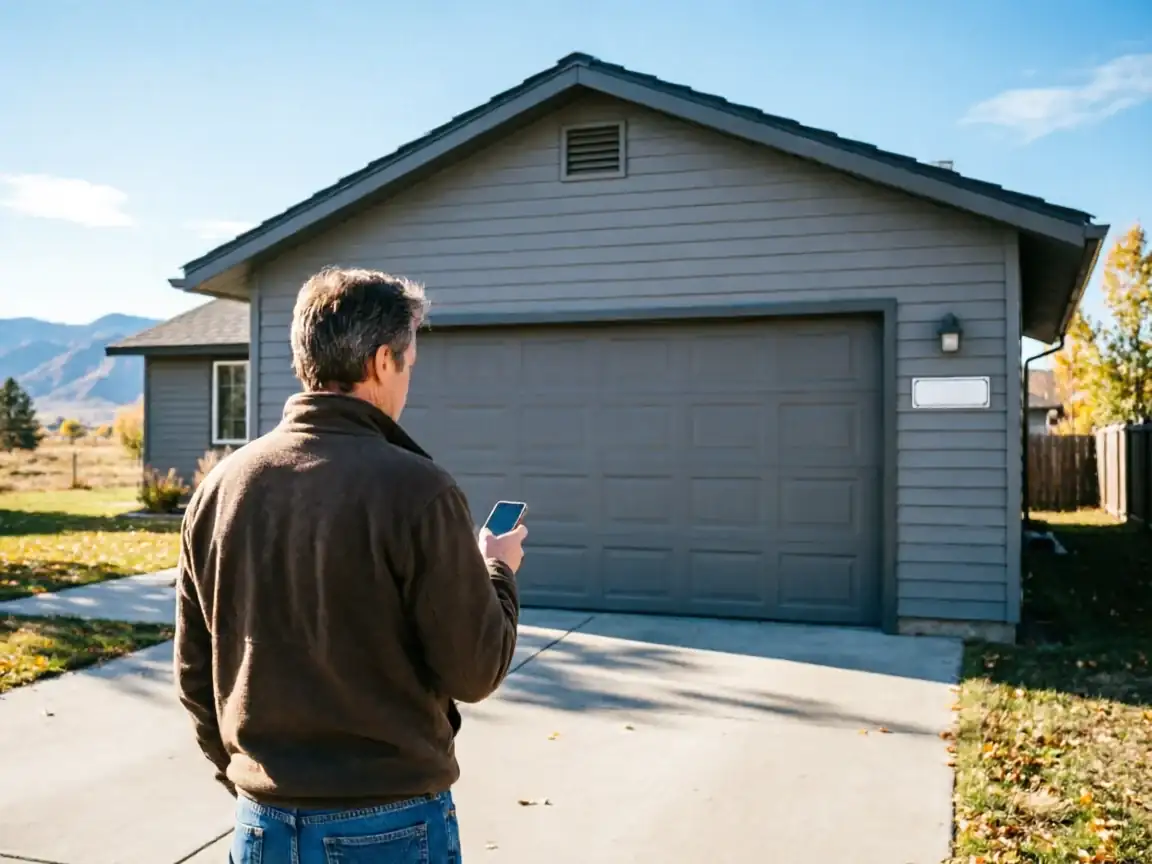
Fall is the one window where a quick look at the hardware actually saves you a dark, cold Saturday morning fighting a door that won't open. If your house falls in that 1980-2008 band, that's the month to do it.
The Situation
Across the Bozeman area the housing stock skews 1980s and 90s, concentrated in four named parts of town, which means a lot of garages share the same builder-grade hardware from the same era. That's actually good news for repair - when a part fails, there's a decent chance it's a common size, not some discontinued oddball.
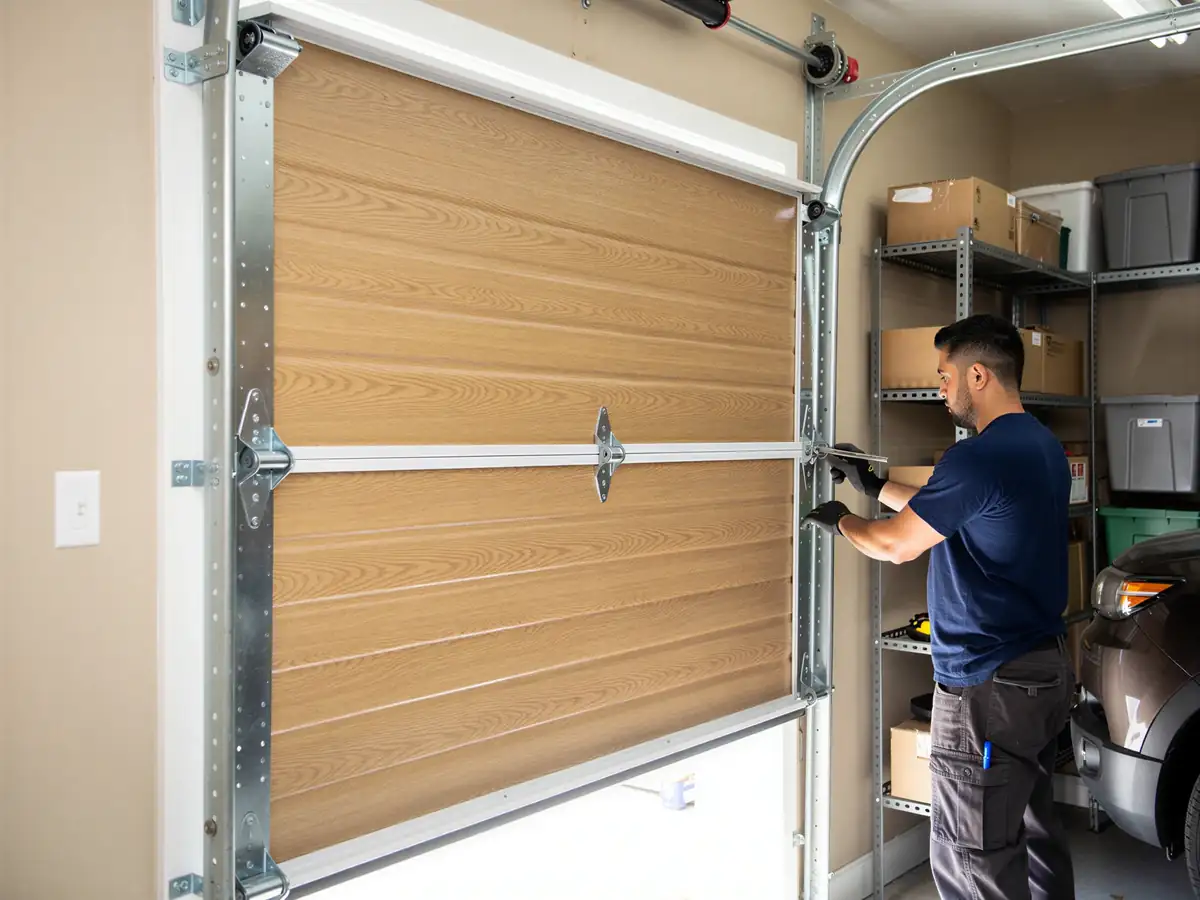
With 3,479 owner-occupied houses in the service area and a median household income of just over $100,000, we see a fair number of owners who'd rather spend $200-400 fixing a spring or opener than drop the money on a full replacement, and for a door from this era that's usually the right call. The panels themselves, if they're steel and not visibly rusted or dented through, tend to outlast two or three openers and at least one spring replacement.
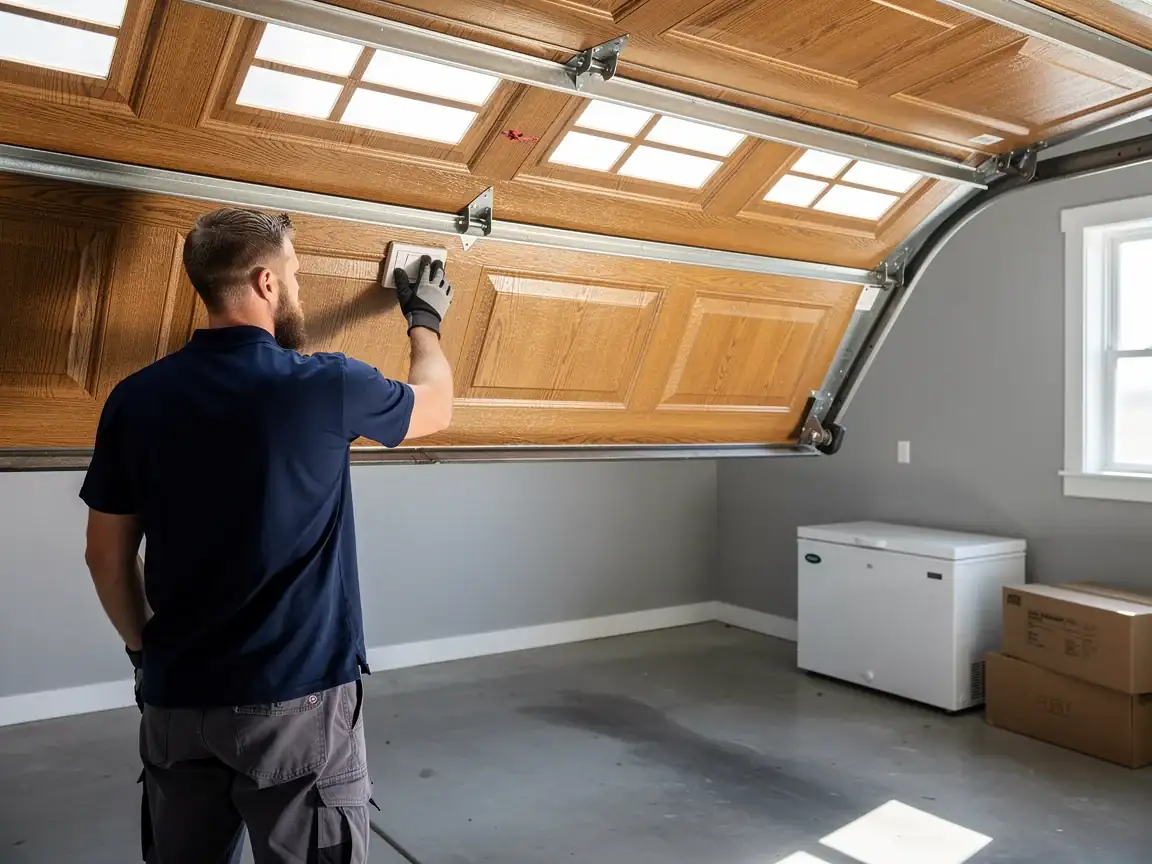
Where it stops making sense is when the door itself - the panel section, not the hardware - has started to sag or separate at the seams, which happens on some of the lighter-gauge doors from the late 80s after enough winters of expansion and contraction. At that point you're not fixing a part, you're propping up a door that's already failing.
What the Weather Here Does to It
Bozeman sits in a cold, severe climate band, and that's the single biggest factor in whether an older door is worth saving
Cold doesn't just stiffen grease - it shrinks steel and wood fractionally every time the temperature drops, and a door that's gone through twenty-five or thirty winters since 1994 has flexed that way a few thousand times. The spots that show it first are the bottom panel seal, which hardens and cracks, and the track alignment, which shifts as the slab underneath it heats and cools.
A torsion spring rated for a given door weight loses tension gradually every year regardless of climate
But cold accelerates the failure because the steel is less forgiving right when it's under the most load - a 5am opener pulling a frozen door isn't a kind test. That's why so many of our older-door repair calls cluster in the first real cold stretch rather than spread evenly through the year.
If your door is original to a house built in that 1980-2008 window and it's never had the spring or seal replaced
The weather here has probably already done more damage than the age alone would suggest. That's worth knowing before you decide a door is 'just getting old' versus actually failing.
When to Call Someone
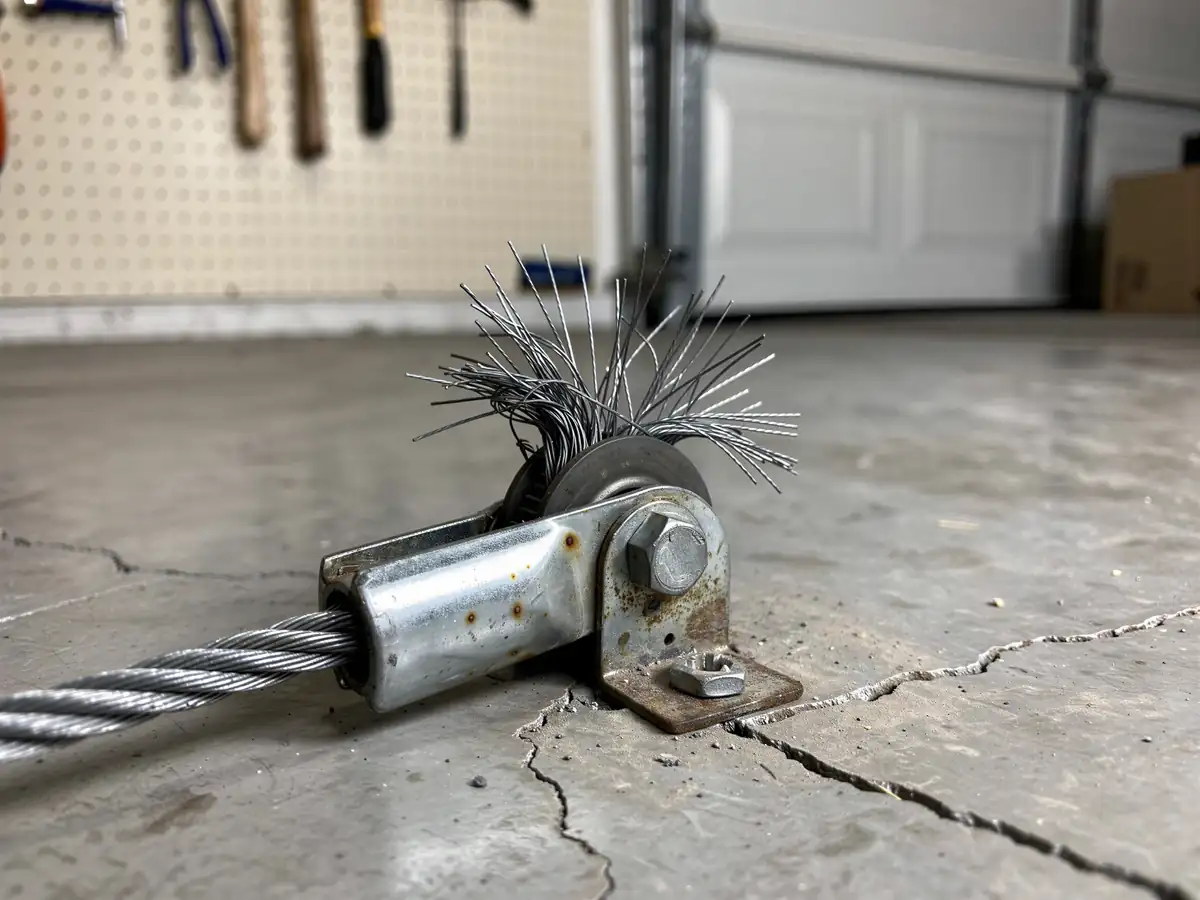
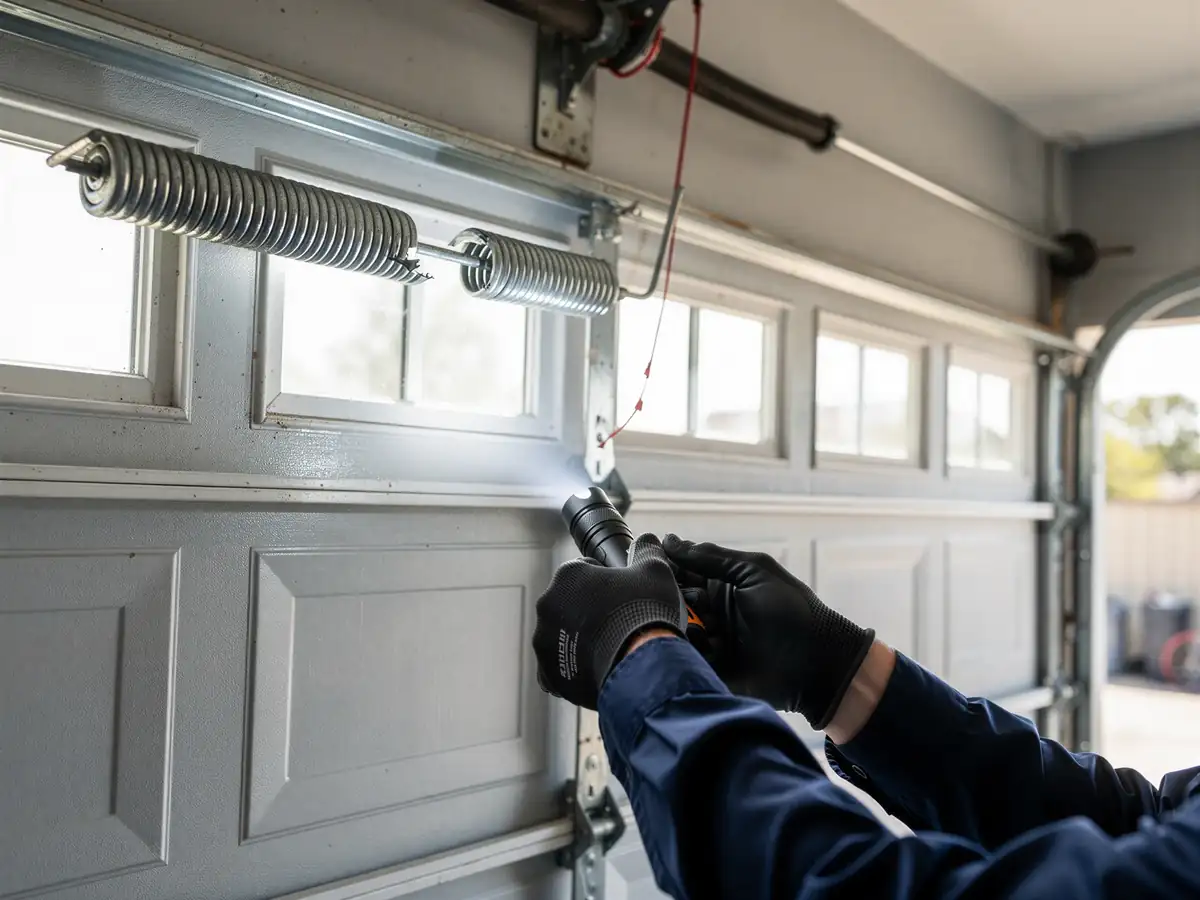
Call before the door fails completely, not after. If a door built sometime in that 1980-2008 stretch is groaning, slow to open, or the spring looks stretched or gapped, that's a repair call, not an emergency - and it's cheaper and faster to deal with it on your schedule than on the door's.
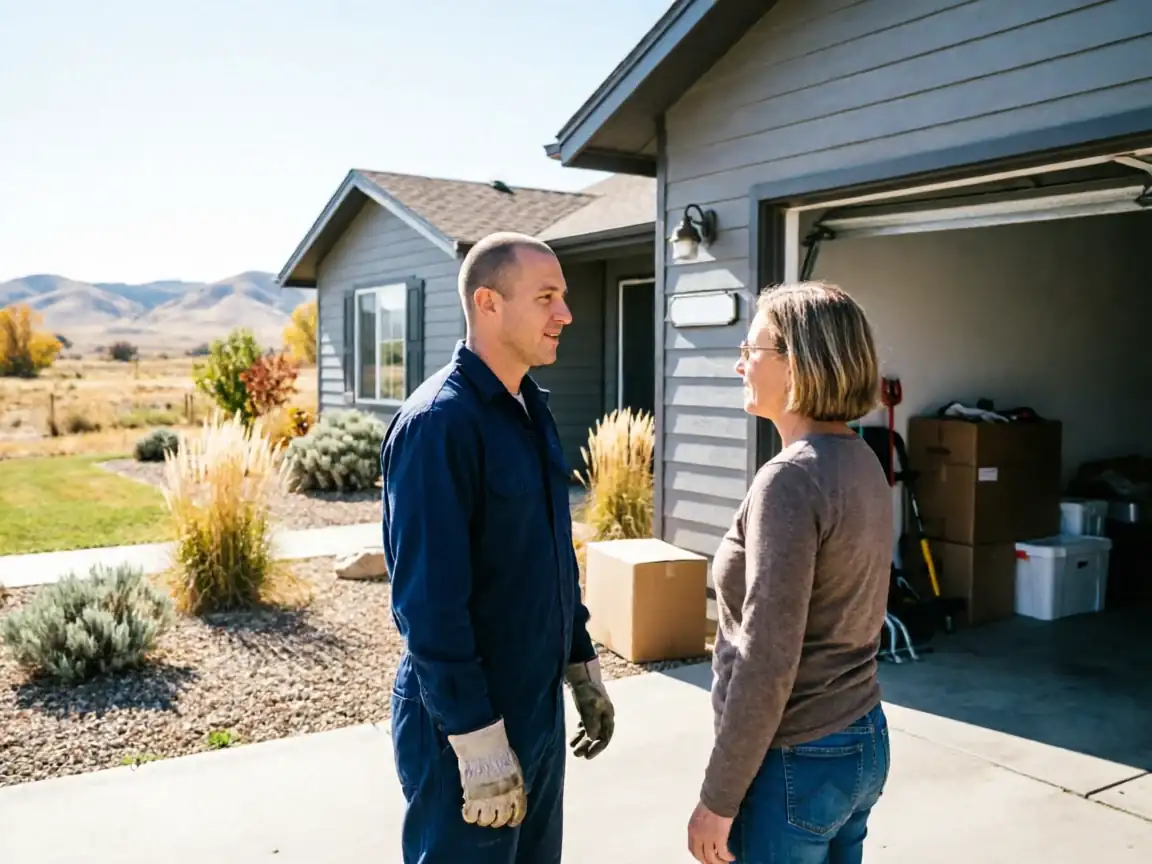
If you're within the areas we reach - Four Corners, Belgrade, Bridger, Manhattan, or the - and your door is from that original building era, we can usually tell you over the phone whether it's a spring, a roller, or something structural in the panel itself.
Here's the honest limit: if the panel sections are rusted through or the door has been forced open while off its track more than once, we're not going to recommend sinking more money into hardware. At that point a new door costs about the same as a string of repairs and you're not fighting thirty-year-old steel every winter. We'll tell you straight which side of that line your door is on.