Why It Happens Here
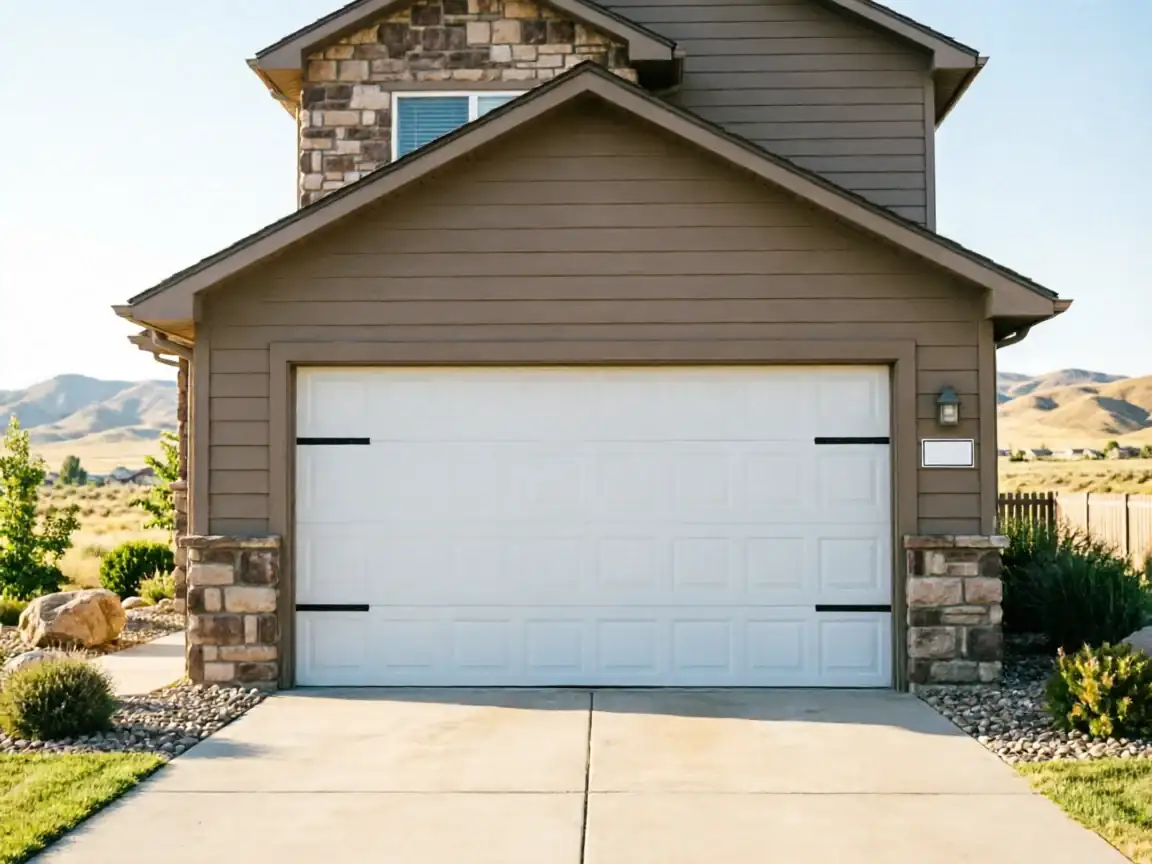
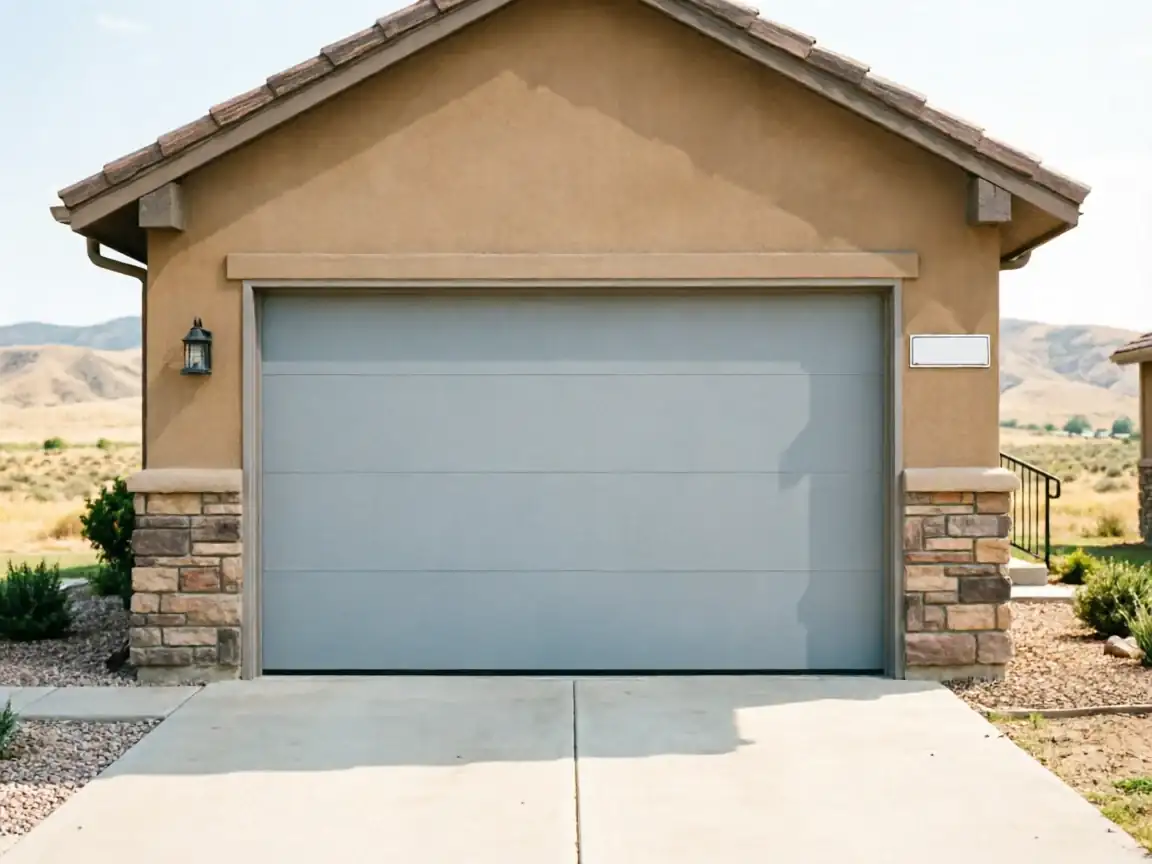
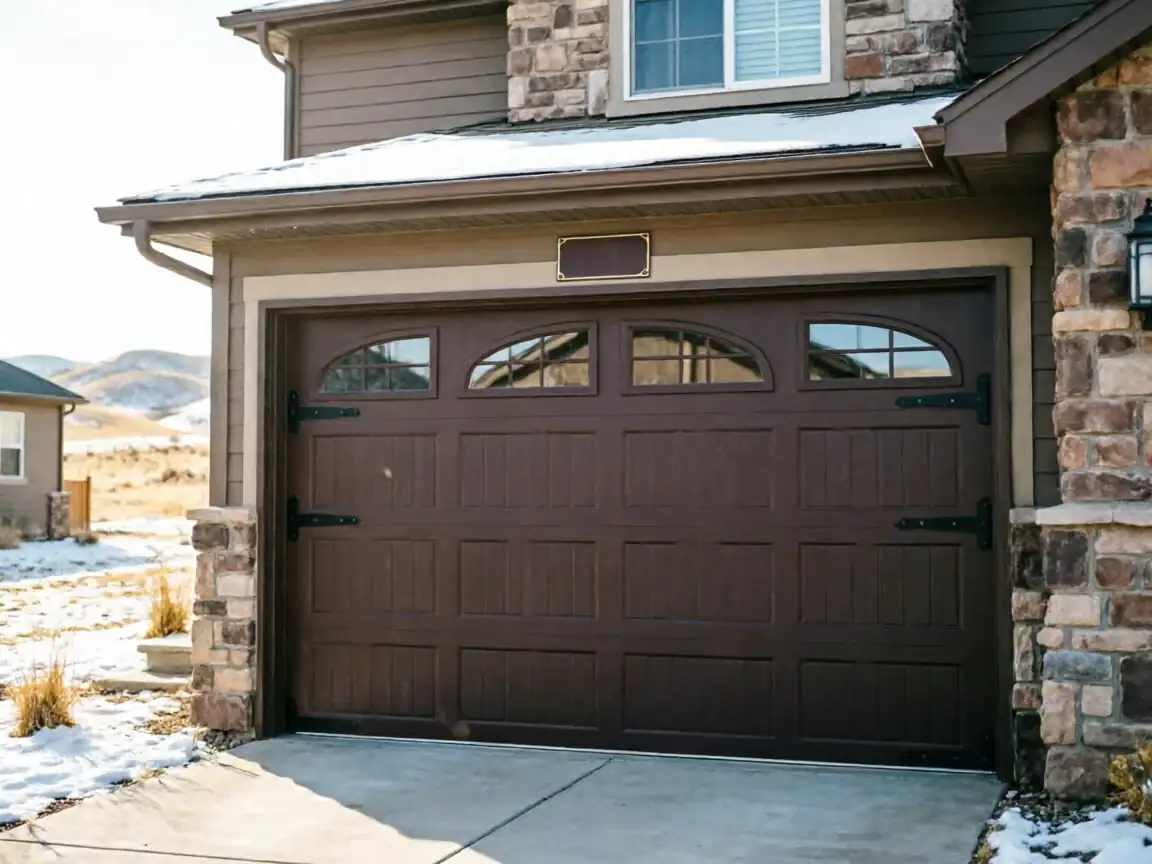
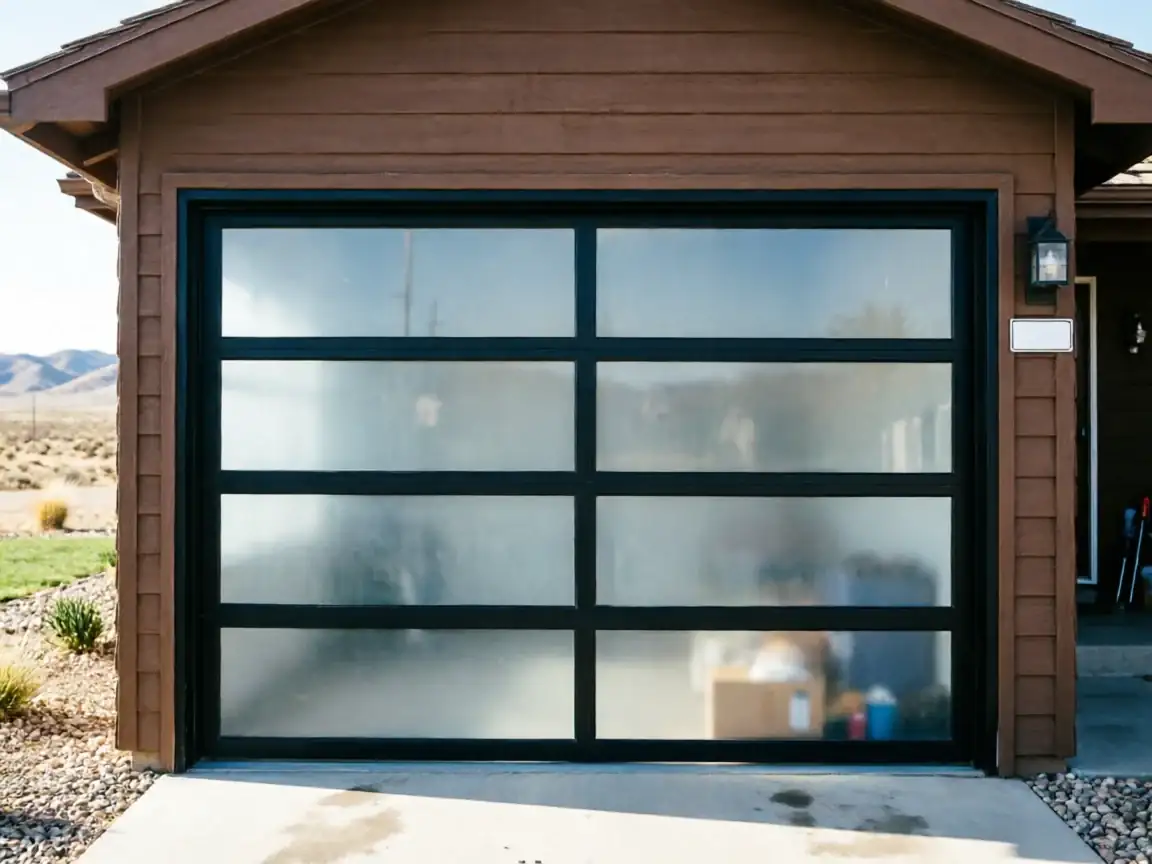
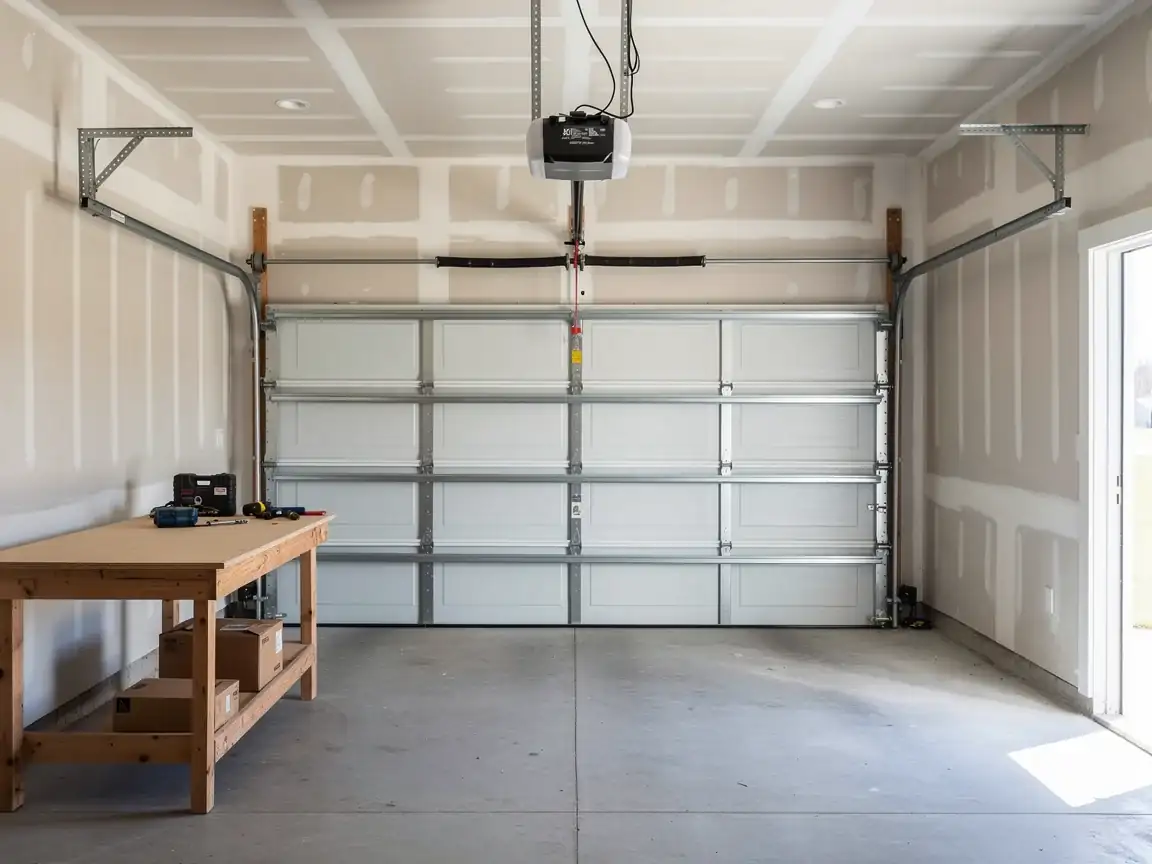
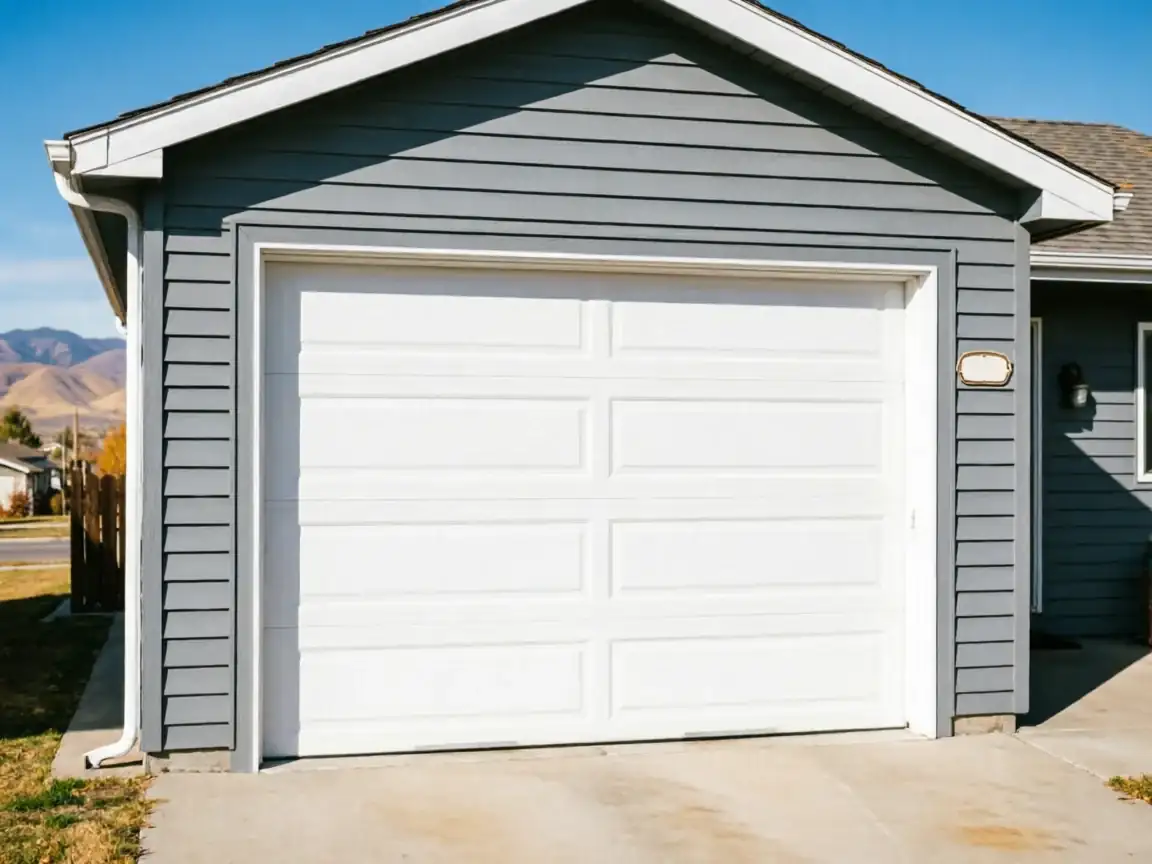
Walk the newer subdivisions in Belgrade and you're mostly looking at doors from around 2000, the median year built for houses here. That means steel sectional doors, usually the 16-by-7 double for a two-car garage, hung on torsion springs sized for a builder-grade door - not the heavier insulated panels that show up in houses built after 2010. These doors are old enough now that the original spring has done its rated cycles, and the steel is thin enough that a severe winter reaches the bare panel fast once the foam seal at the bottom starts to crack.
That's the fault pattern we see out here: springs going at the twenty-plus-year mark, bottom seals that have hardened and let cold air and snowmelt track under the door, and rollers that were never upgraded from the builder's stock nylon. None of that is unique to one house - it's the whole wave of construction that went up across Belgrade and the surrounding subdivisions in that same decade, so a lot of these doors are aging out on roughly the same schedule.
Income here runs lower than the wider service area - $88,896 median versus $100,185 across the area we cover - which is part of why we see more repair calls than full tear-out replacements. A spring job is a few hundred dollars. A new door is not, and for a house built in 2000 the opener and track usually still have life in them even after the spring fails.
What the Fix Involves
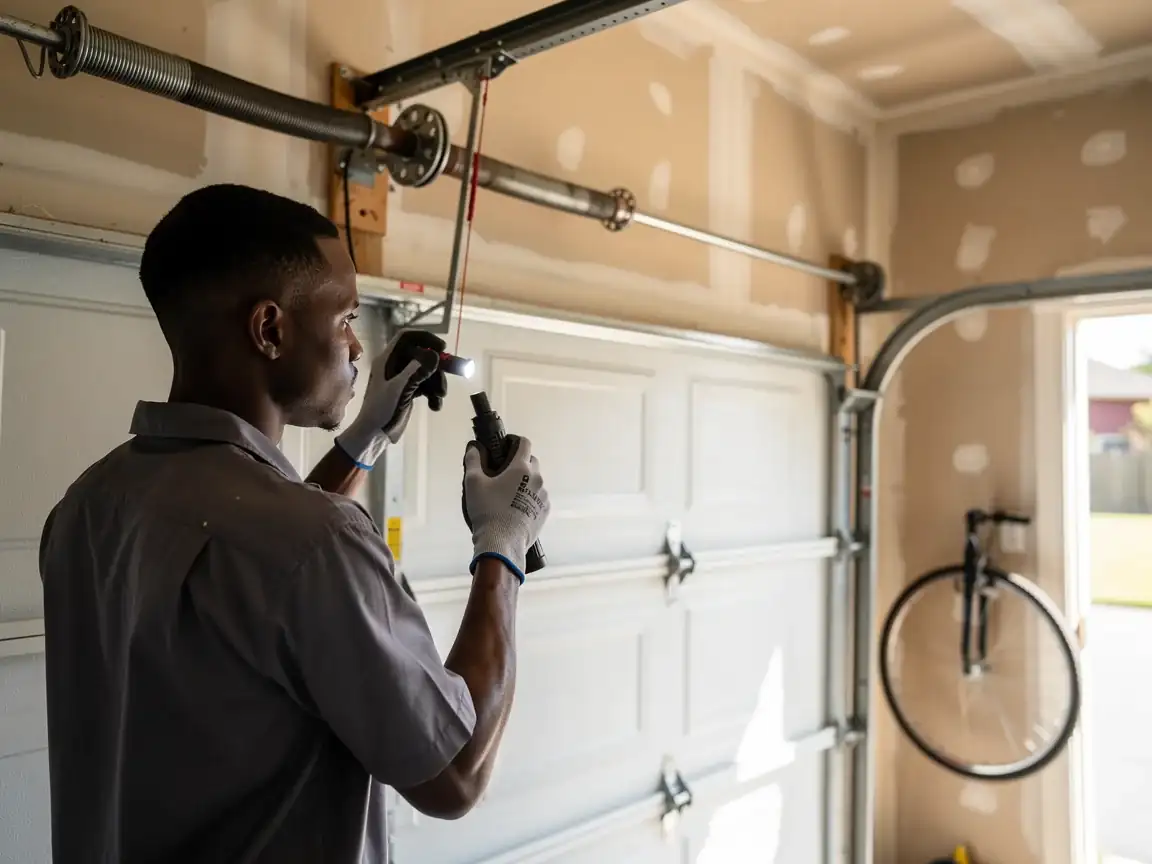
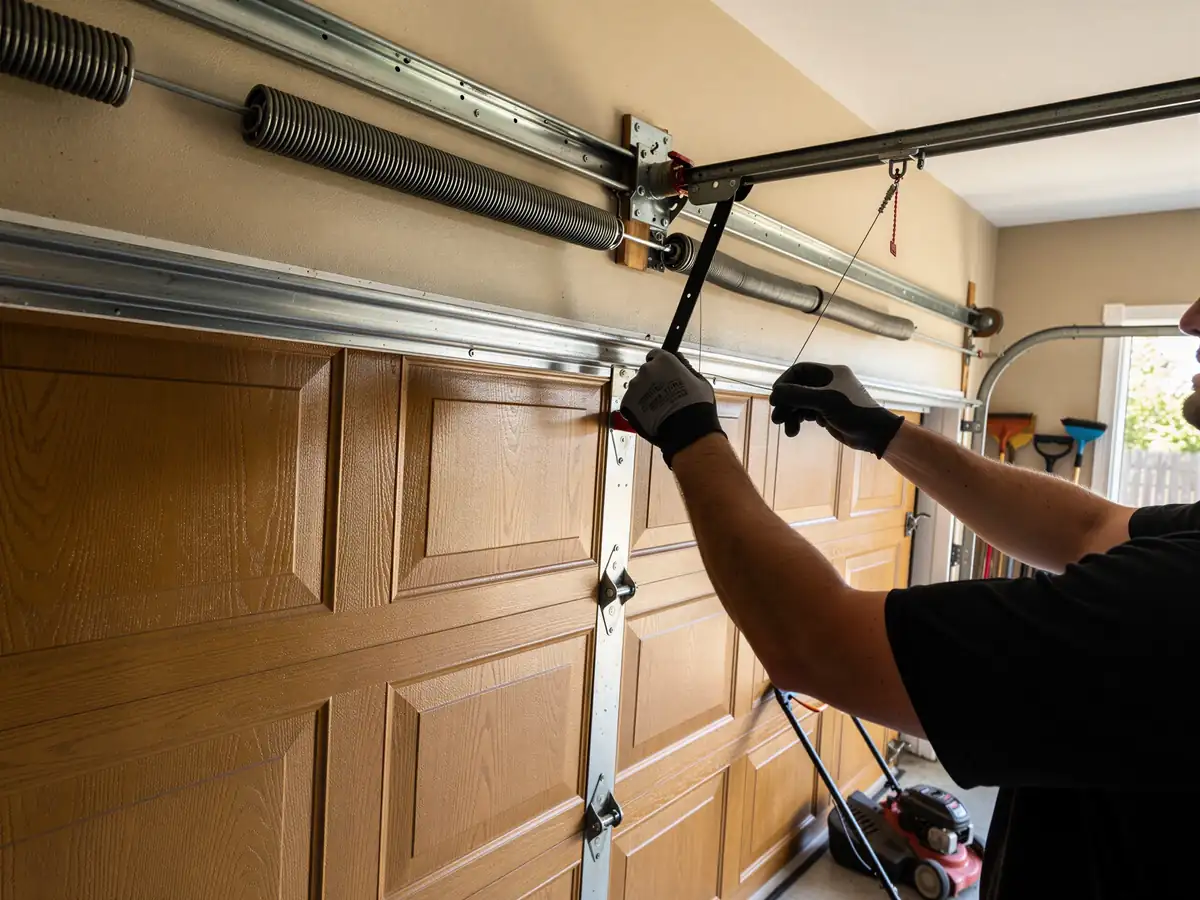
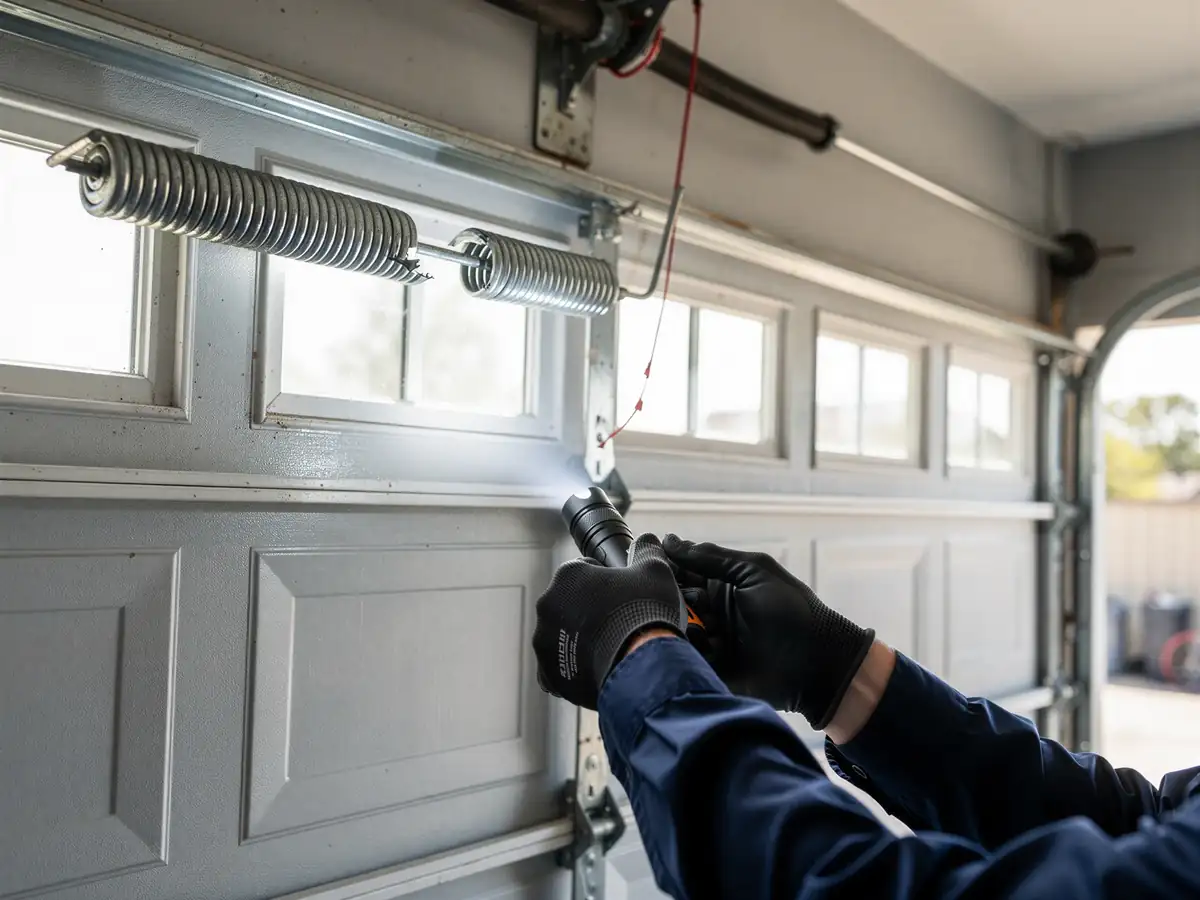
For a torsion spring on a door this age, the job is the same regardless of house: unload the spring safely, pull the old one off the center bracket, measure wire size and wind count against the door weight, and wind in a matched replacement. On a 16-by-7 double, that's almost always a two-spring setup, and both get replaced together even if only one broke - the other is on the same clock.
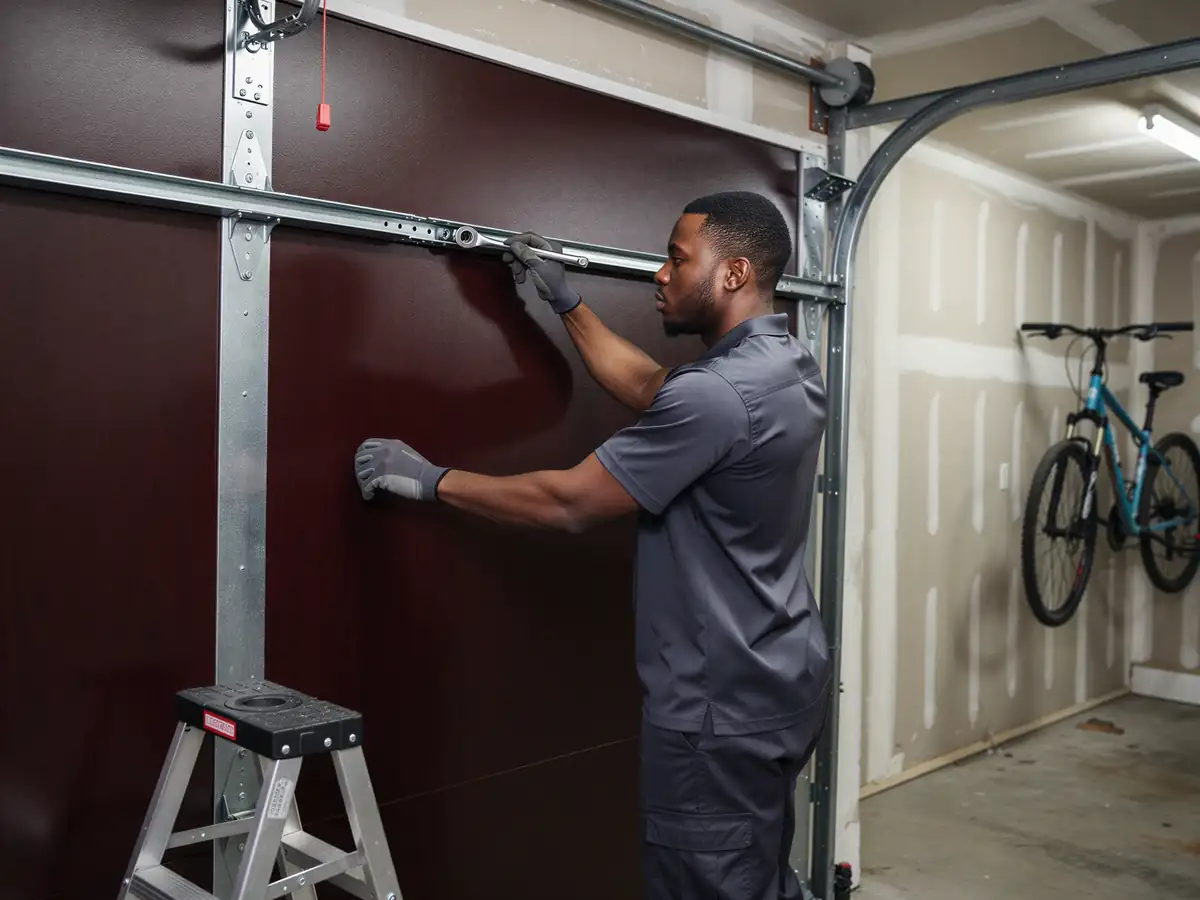
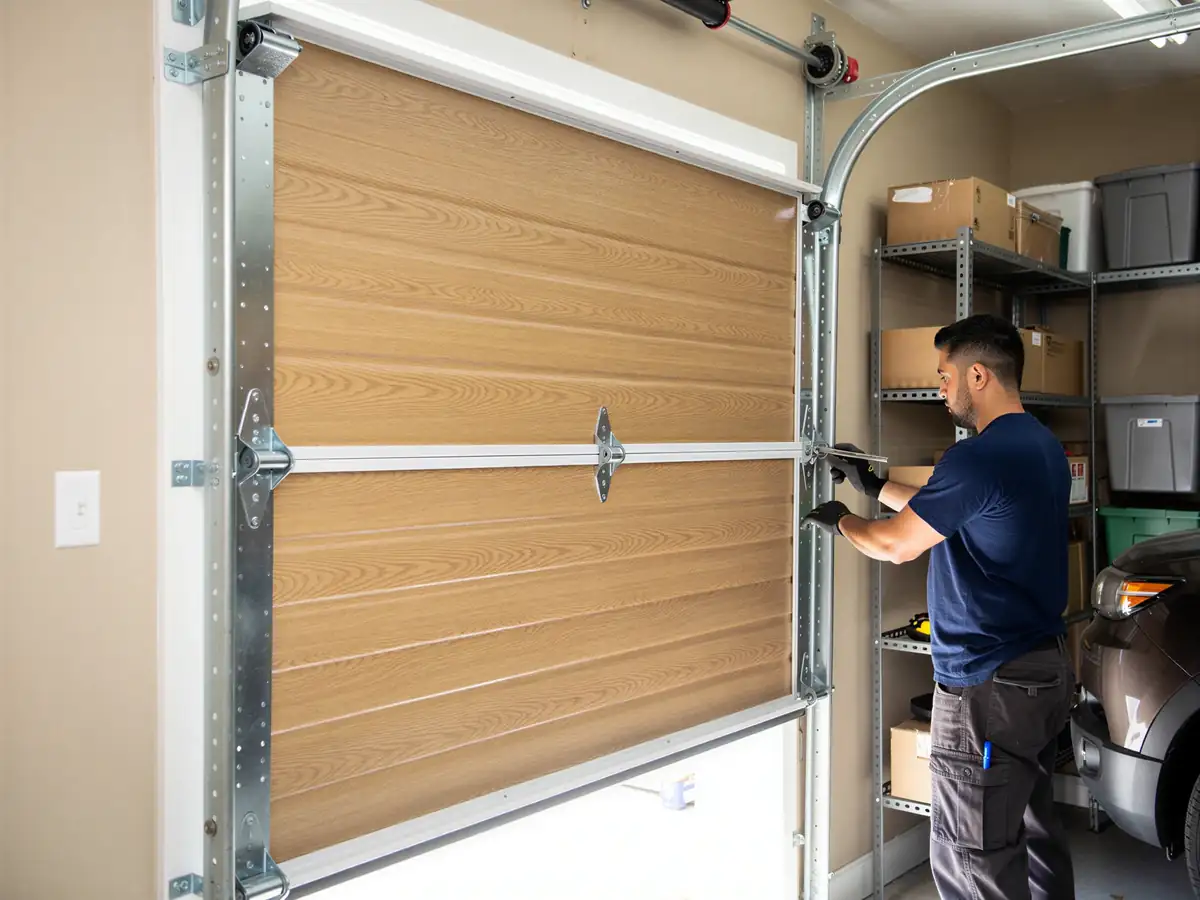
If the call is about the door sticking or dragging rather than a snapped spring, the fix usually starts at the track. Builder-grade track from that construction era is light-gauge and bends if a car clips it, and once it's bent the rollers bind instead of rolling. Straightening or swapping a section of track is a shorter job than the spring, usually done the same visit.
We also check the bottom seal and weatherstrip while we're there, because a cracked seal on a door built in 2000 has usually been letting in cold air for a few winters by the time anyone calls about it. Replacing it is cheap next to the spring work, and it's the kind of thing that's easy to skip noticing until someone's standing in the garage feeling the draft.
Stocked Parts
We carry torsion springs sized for the standard 16-by-7 and 9-by-7 door weights that match what went up in Belgrade's 2000-era construction wave
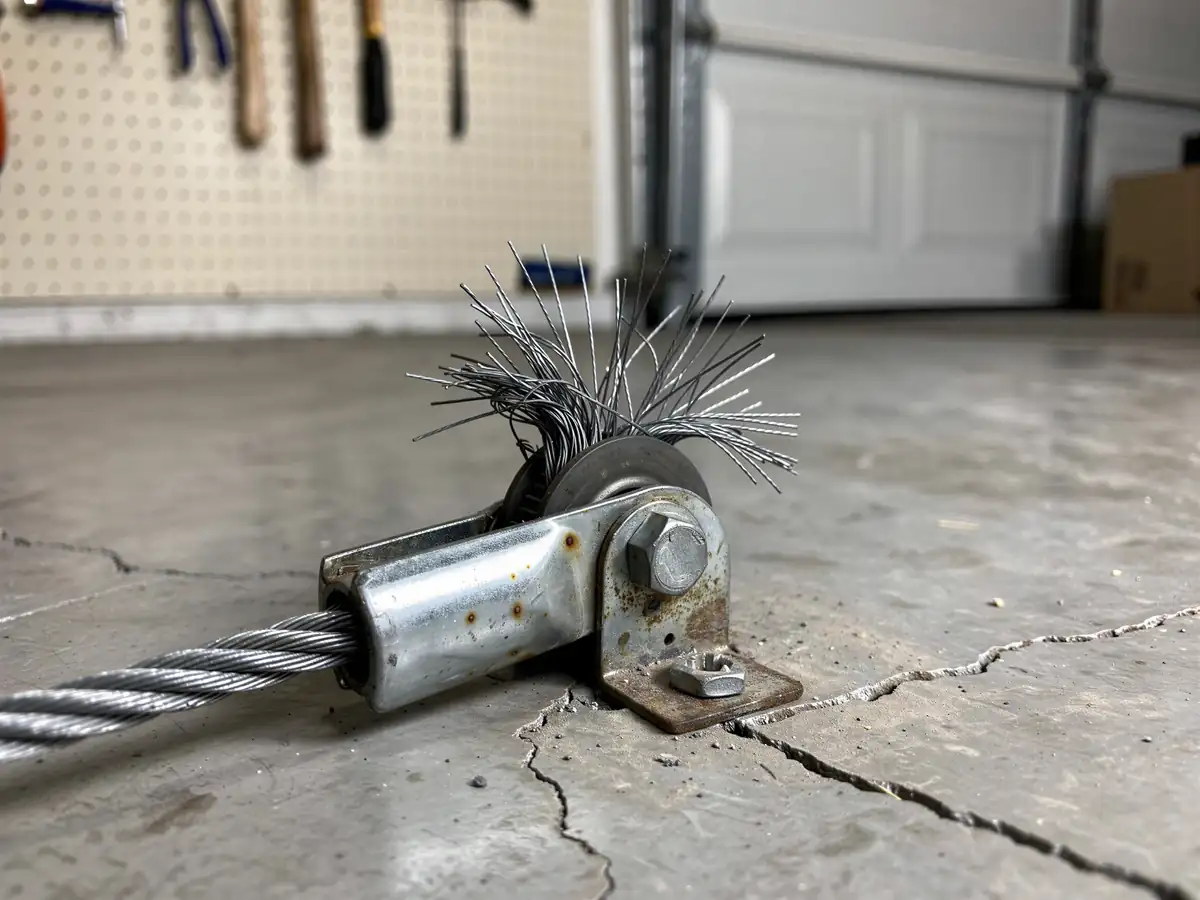
Along with the matching end bearings and center brackets. Rollers, cables, and bottom seal track are on the truck too, since those are the parts that wear out on a predictable schedule once a door passes the twenty-year mark.
What we don't carry on the truck is custom panel sections or opener logic boards for less common brands
Those get ordered once we've seen the door and confirmed the exact model. If your door needs a full panel replacement rather than hardware, that's a return trip, not a same-visit fix, and we'll tell you that up front instead of guessing at a timeline we can't back up.
What Can Go Wrong
A torsion spring under load is not a part to work on without the right bars and a clear idea of what you're doing - the stored force in a spring sized for a 16-by-7 door is enough to break a hand or worse. That's the main failure mode we see on DIY attempts: someone unwinds a spring without the winding bars seated correctly and it kicks back.
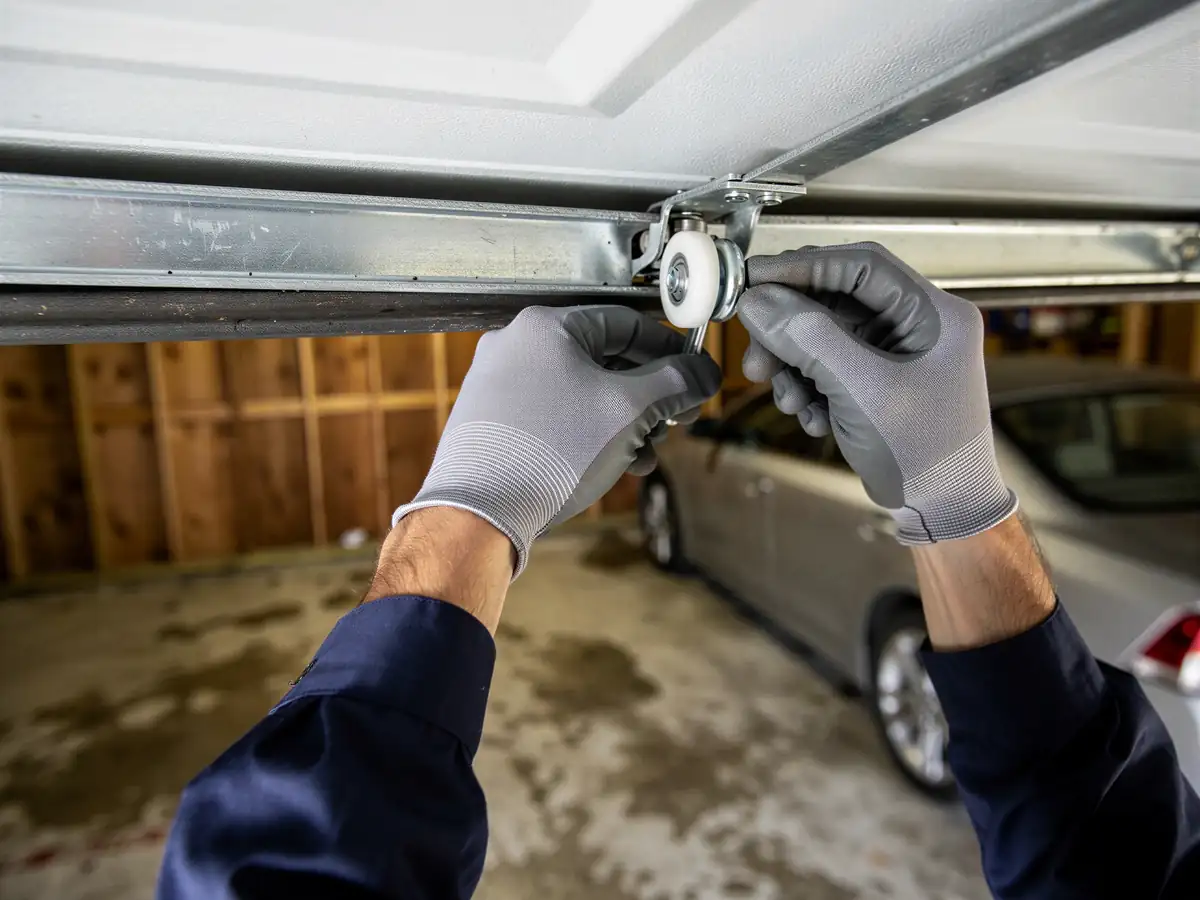
The second pattern is cosmetic fixes that don't address the real wear. Spraying lubricant on a roller that's actually cracked at the hub buys a week, not a season. For doors from this construction era, once the nylon roller shows flat spots or the bearing is gritty, replacement is the only fix that holds through a Montana winter.
Third: an opener that's straining against a spring that's already weak. If the spring is under-tensioned, the opener motor takes the extra load every cycle, and that wears out the drive gear faster than it should. A dying spring often shows up first as an opener problem, which is why we check spring tension on every opener call rather than just swapping the part that was reported broken.
Doing It Yourself
Rollers, hinges, and the bottom seal are reasonable DIY territory if you're comfortable with a ladder and a socket wrench - none of those parts are under load when the door is down. Swap them one at a time so the door stays aligned, and check that the new roller moves freely in the track before you close things up.
The torsion spring is not a DIY job. We'd rather tell you that plainly than have you find out the hard way. If your door won't open, or opens unevenly, or the spring has already visibly separated, that's a call for someone with winding bars and the training to use them, not a weekend project.
One honest limit on our end: because this job runs from Bozeman, nine miles out, we can't offer a same-hour response the way a shop based in Belgrade might promise. We're straightforward about that on the phone so you can decide whether to wait for the scheduled visit or call around.