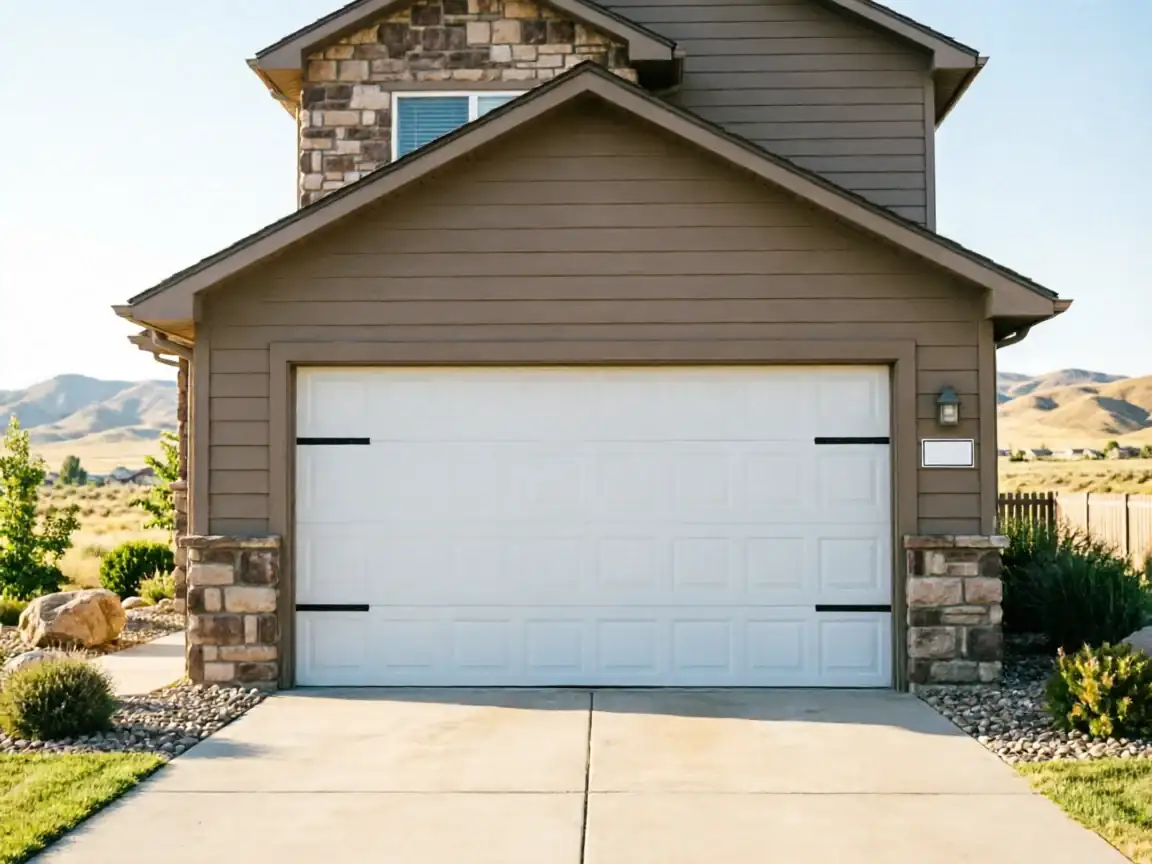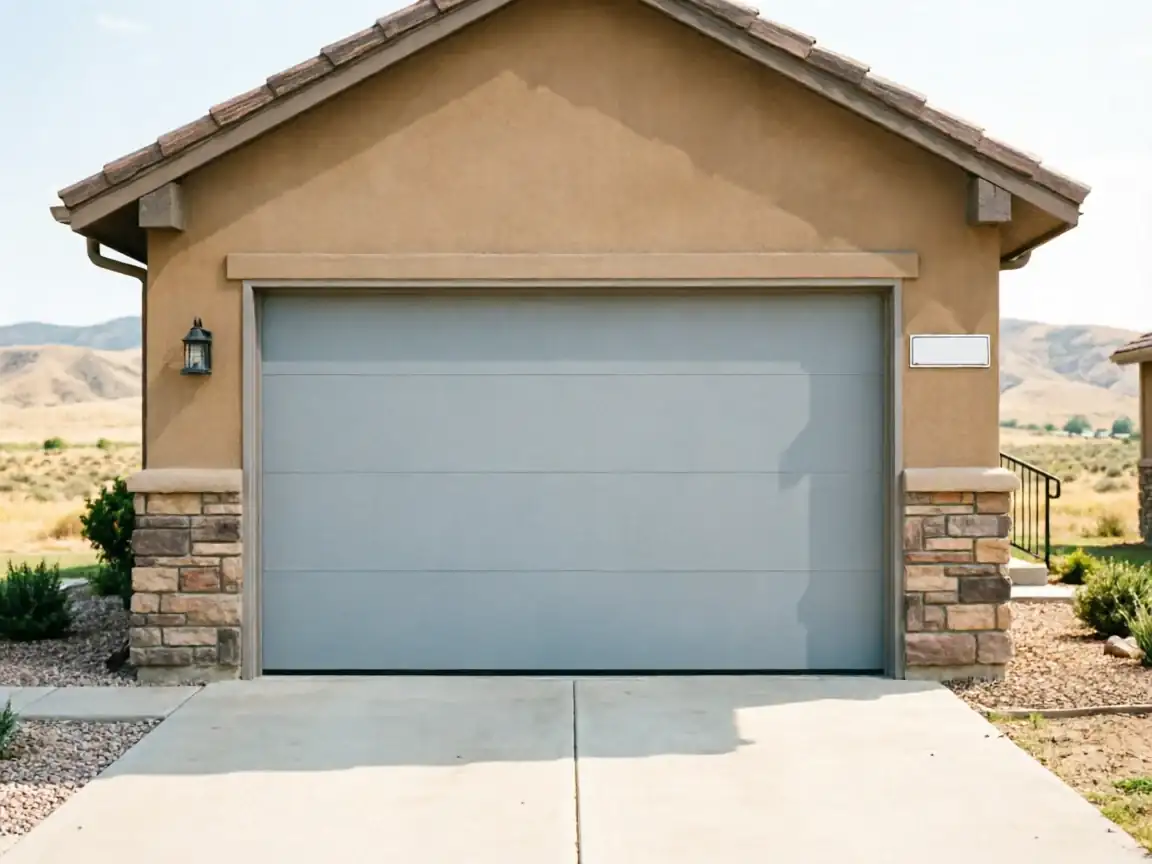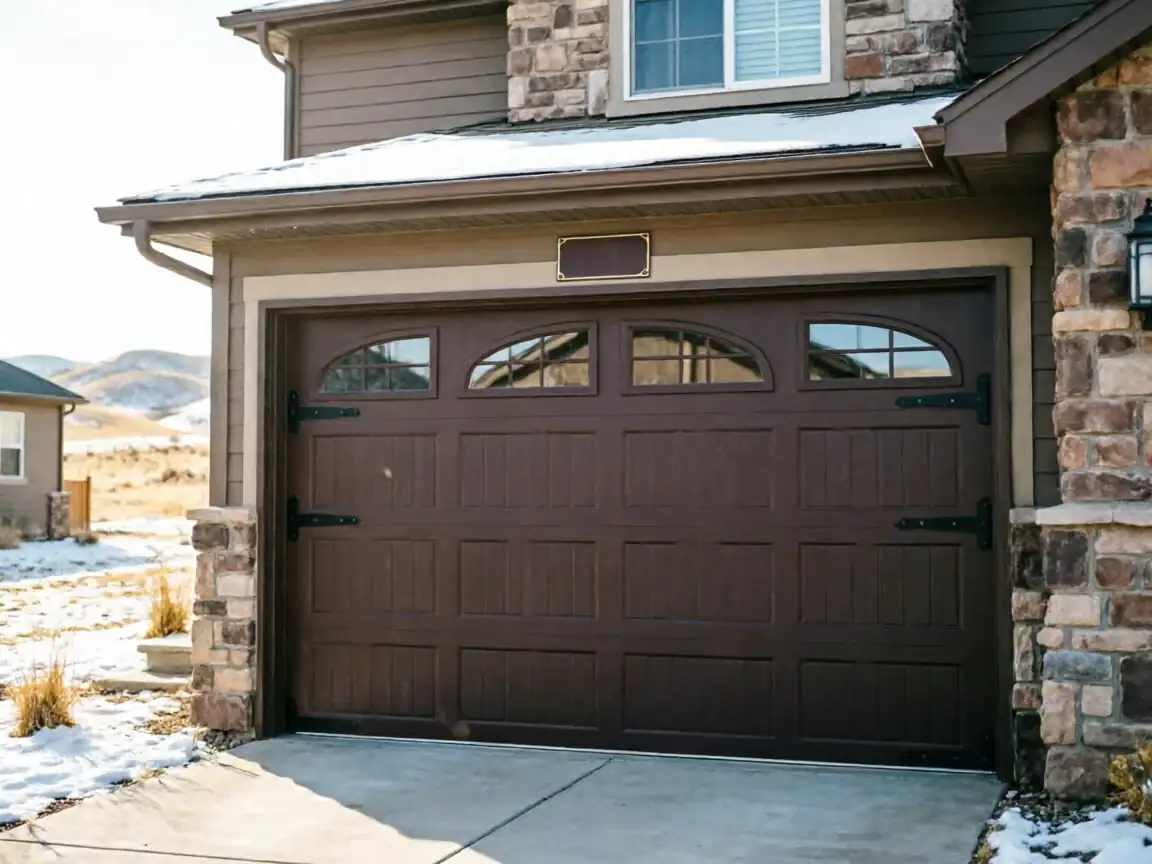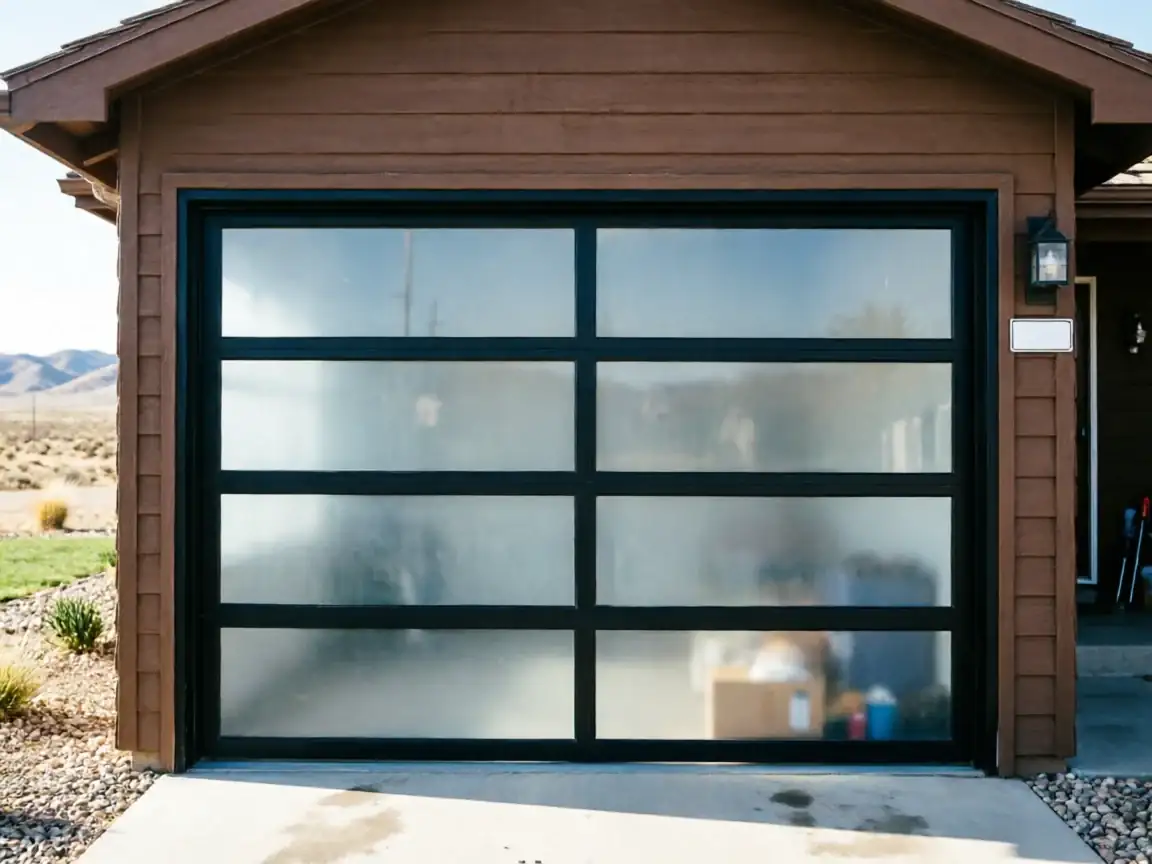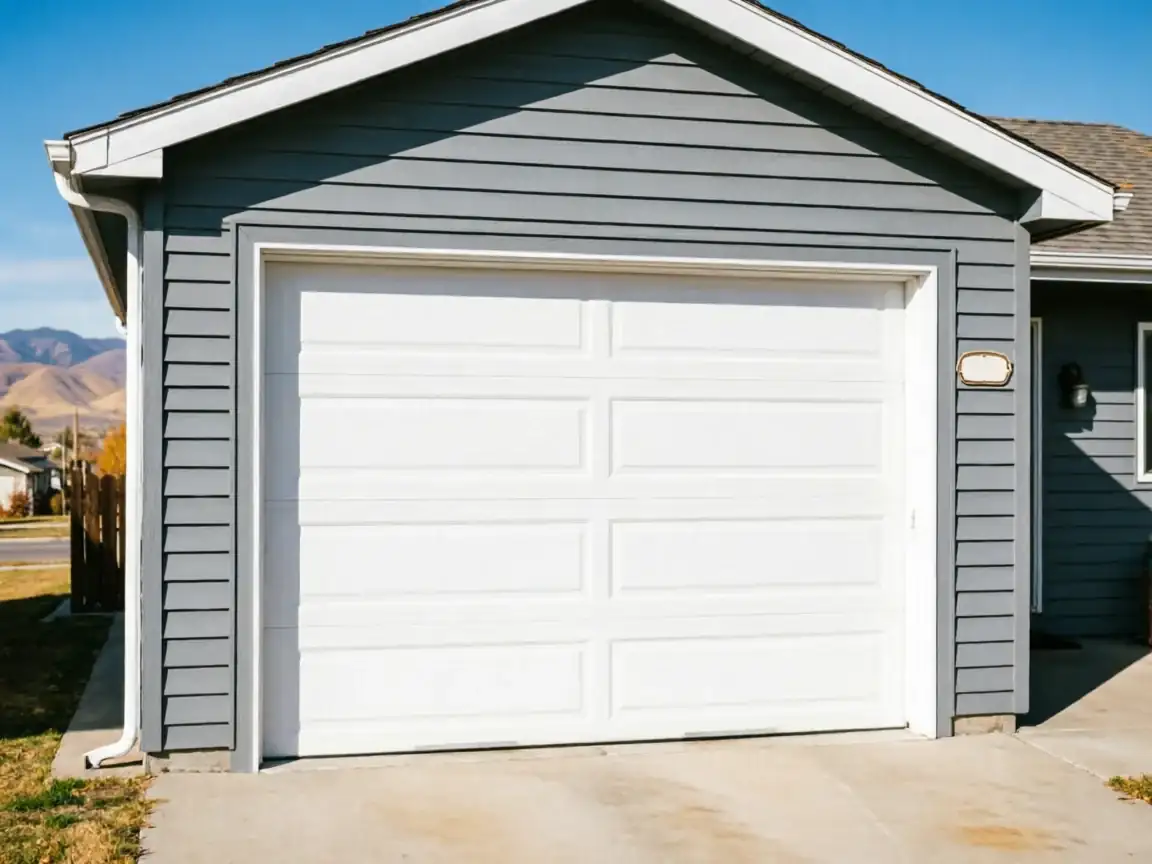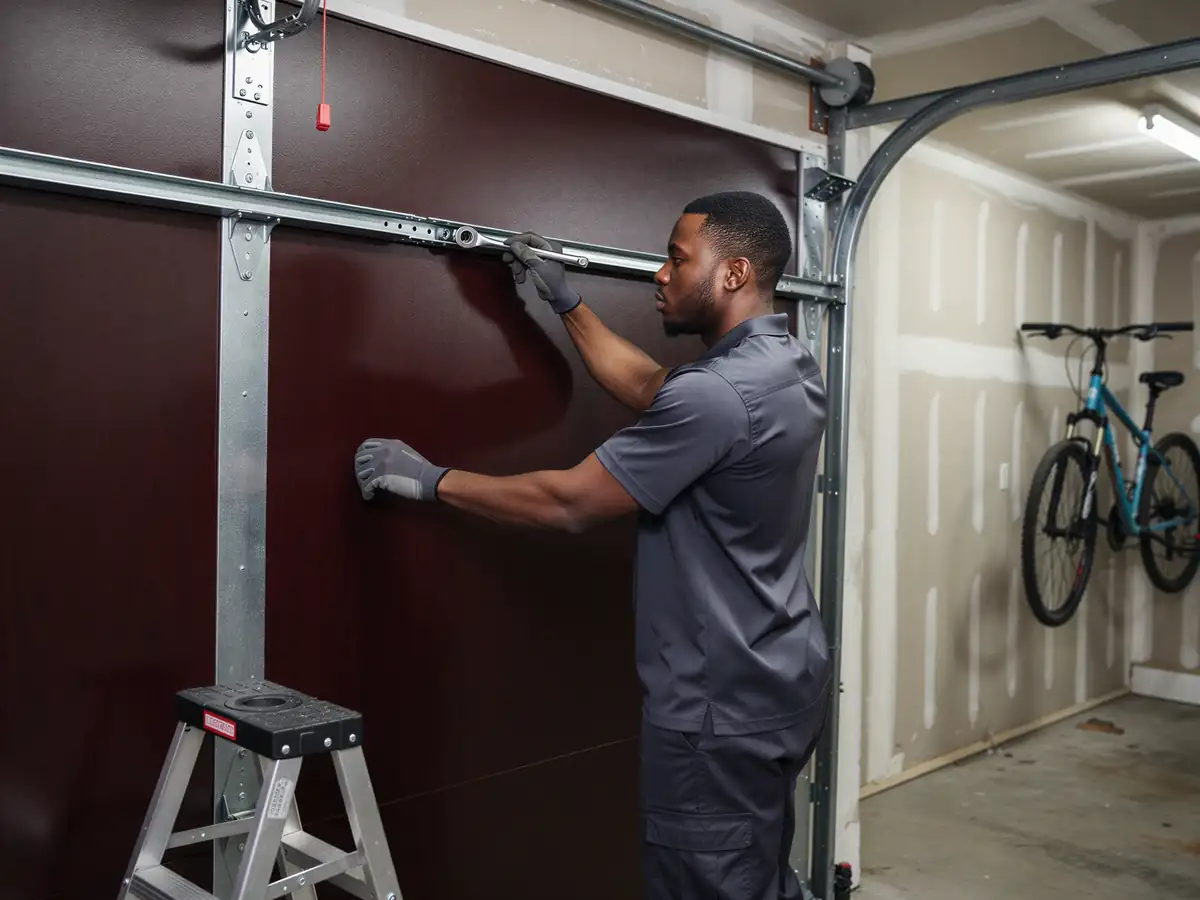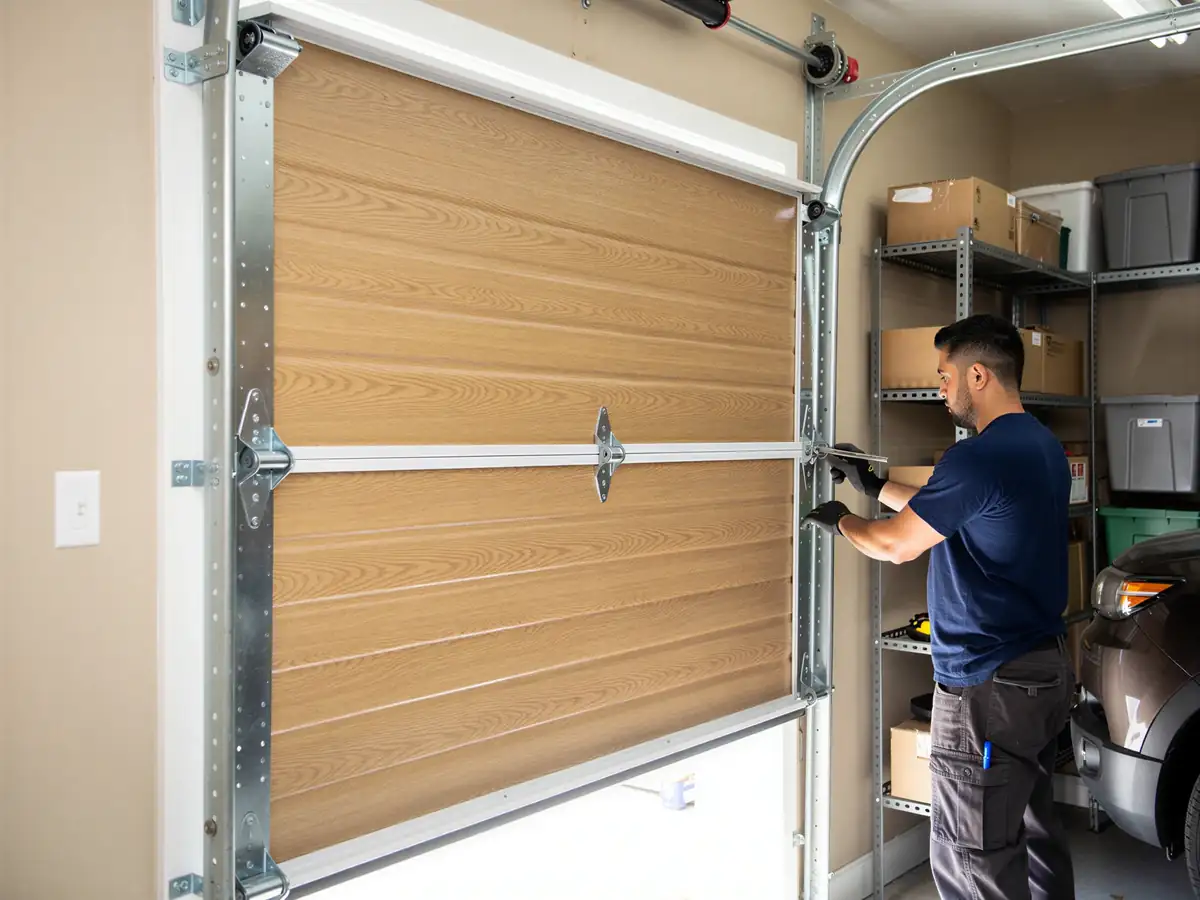
What You Are Seeing
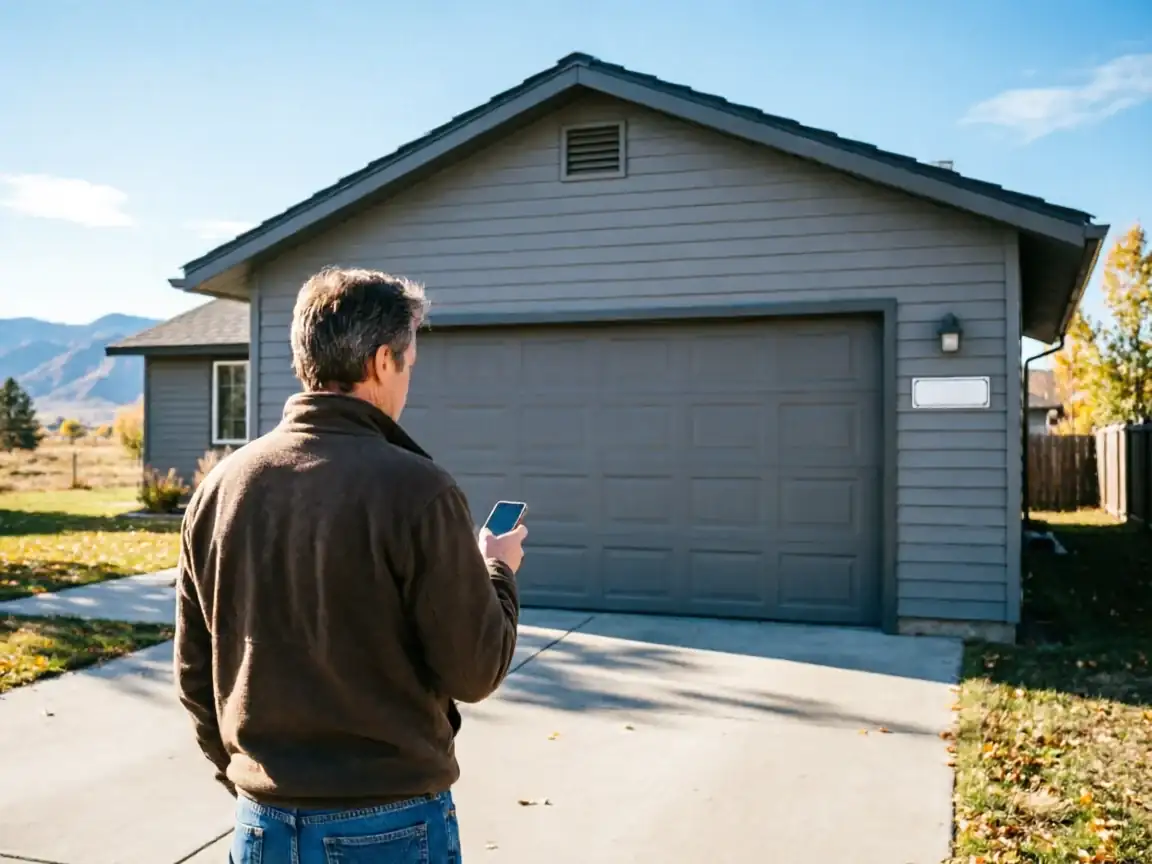
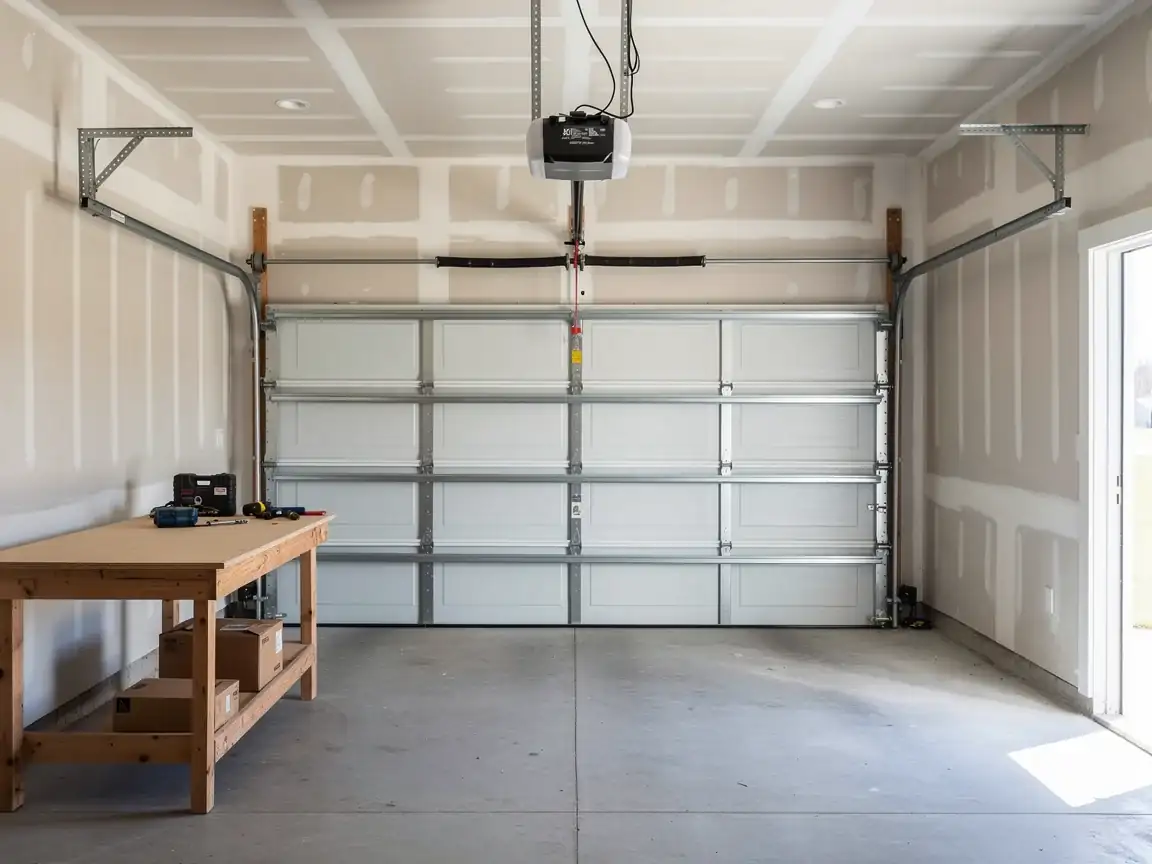
Most calls we get start the same way: the door stalls halfway up, the opener motor hums but nothing moves, or a torsion spring has let go with a bang loud enough that someone in the house checked on it. In Bozeman, a lot of this traces back to the housing stock itself. Much of the city, and the stretch out toward Four Corners and Belgrade, was built between 1980 and 2008, with the median home going up around 1994. That means a huge share of doors and openers in town are original equipment from that era, now thirty-plus years into a mechanical system rated for maybe 10,000 to 15,000 cycles.
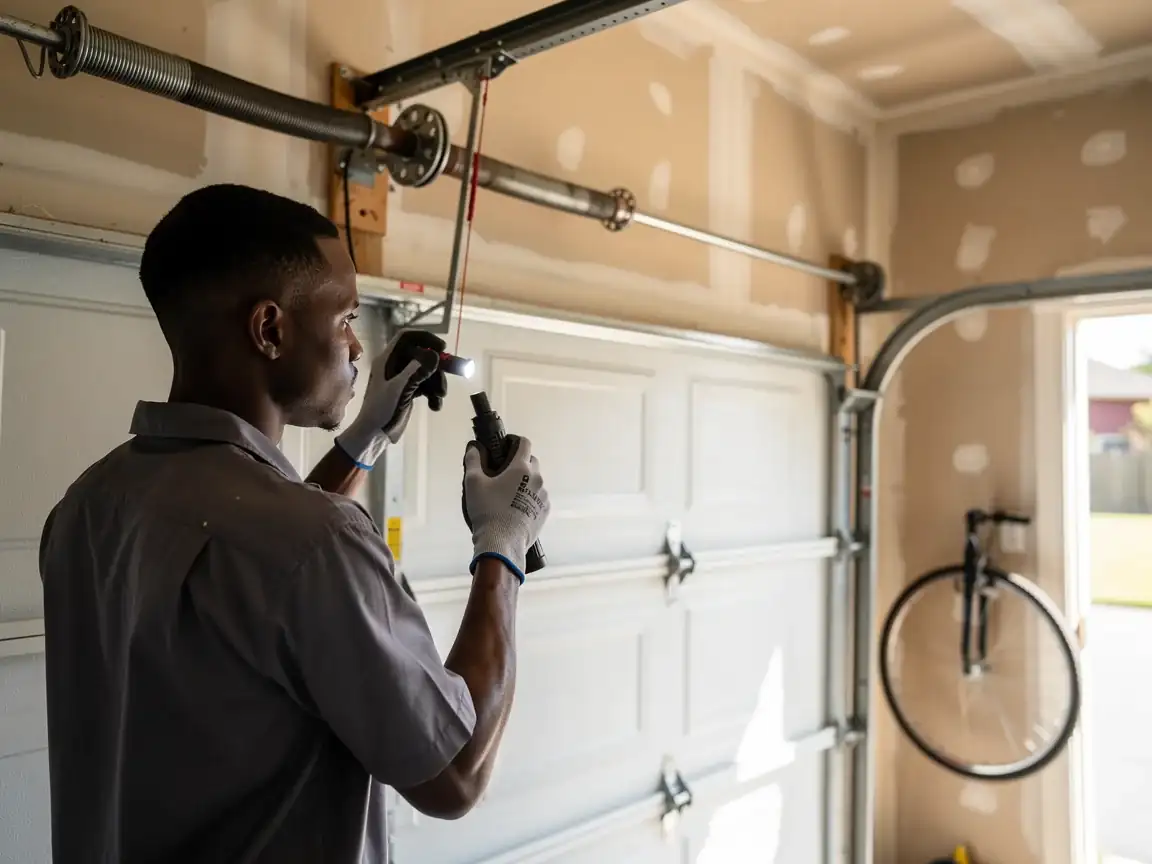
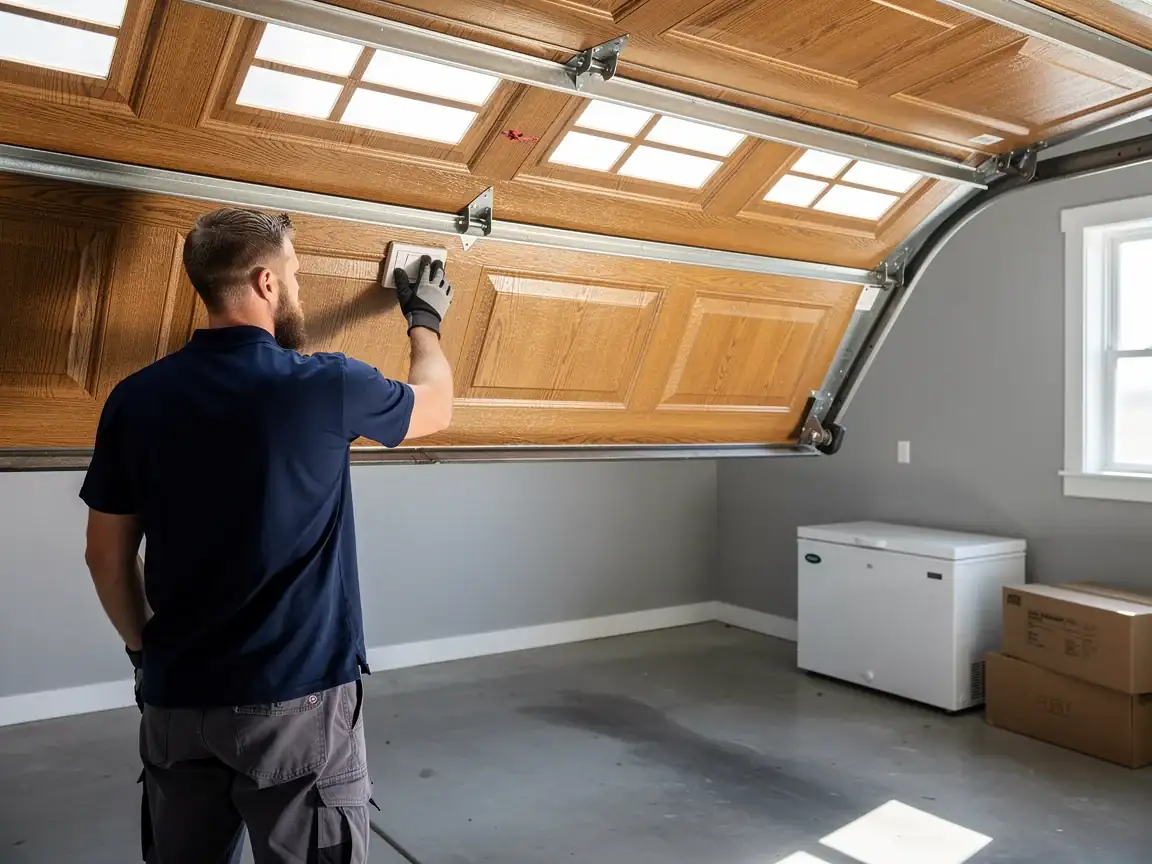
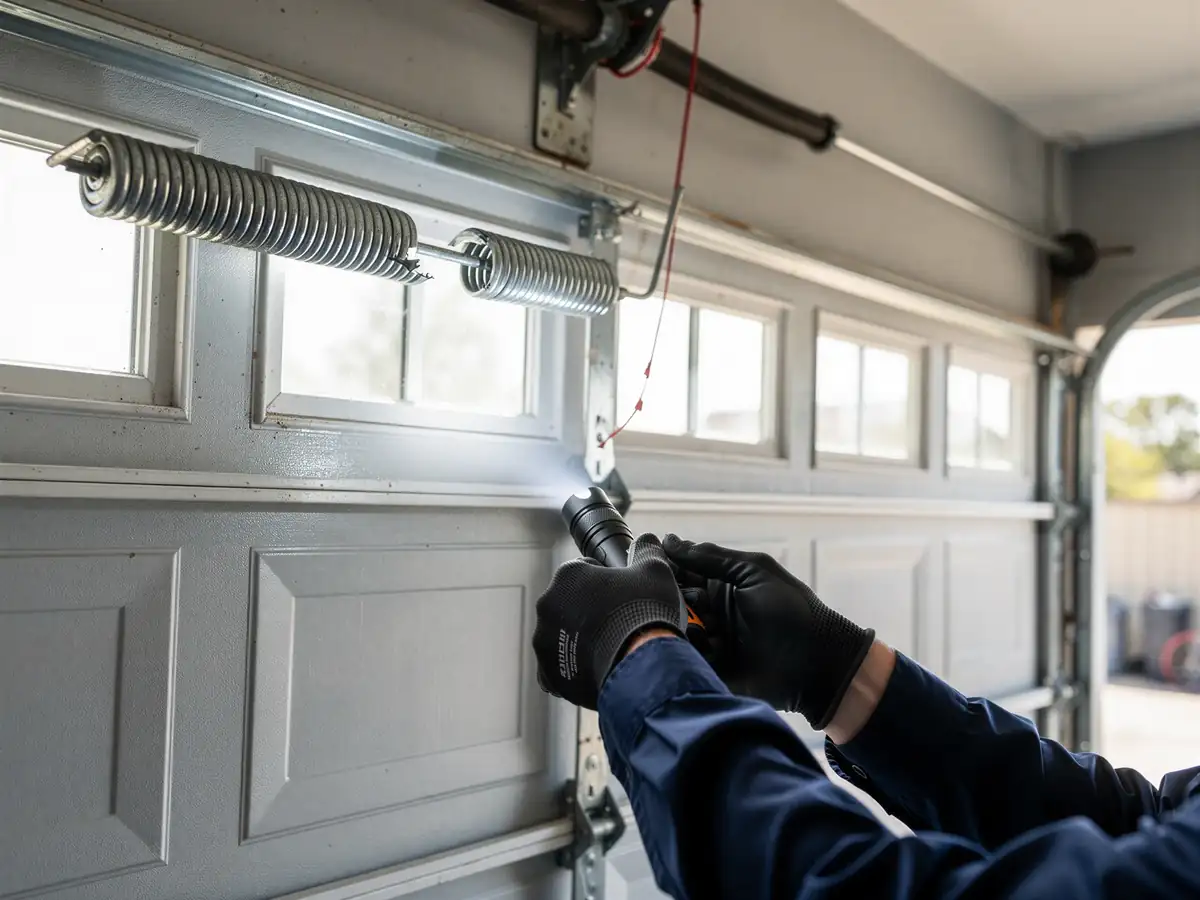
Springs sag and lose tension gradually before they snap outright, so the first sign is often a door that feels heavier to lift by hand, or an opener that strains and clicks before it finally gives up. Track misalignment shows up as a door that walks to one side as it travels, usually because the rollers or hinges have worn past where a seasonal adjustment can fix it. If your opener still has a chain drive and a keypad with worn-off numbers, it's probably original to the house, and that tells us a lot before we even open the panel.
Doing It Yourself
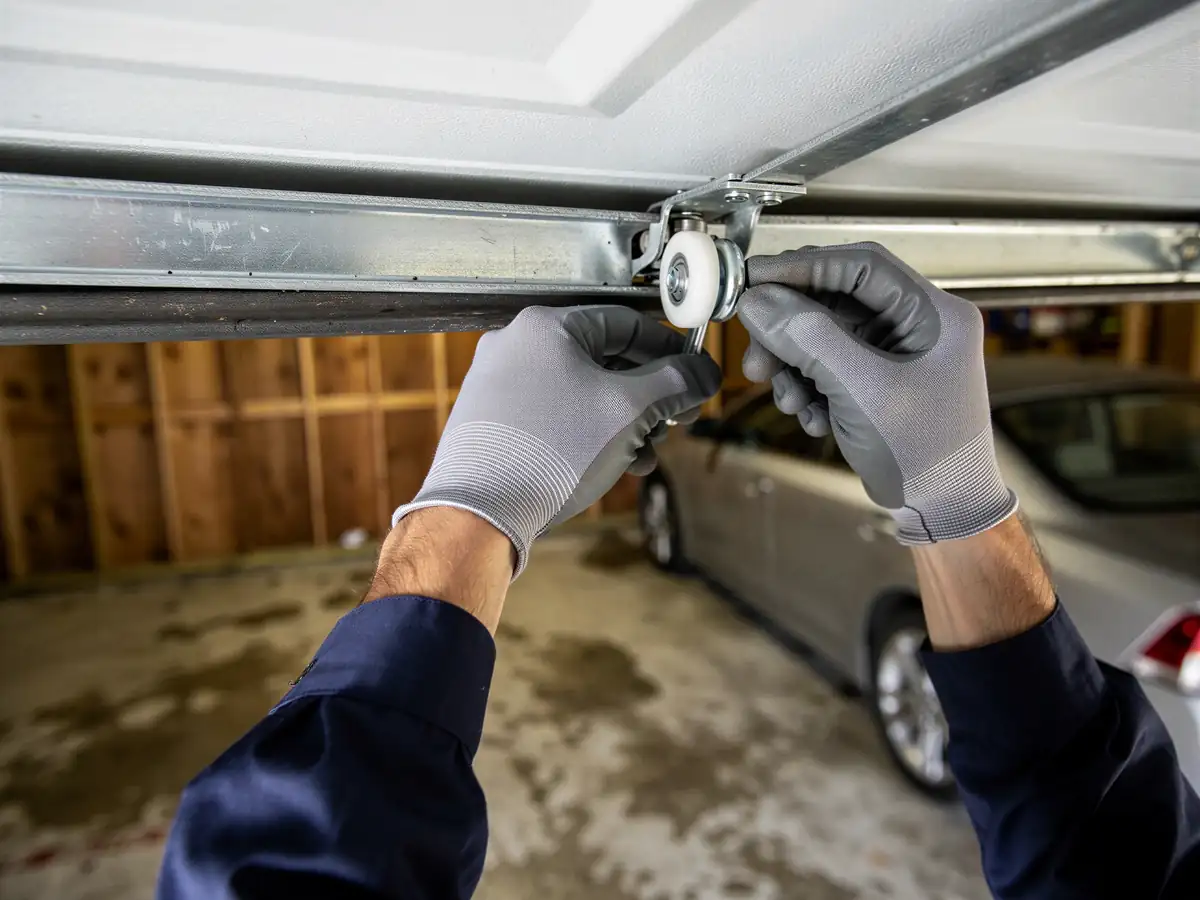
There's real work a homeowner can safely do here. Check the weatherstripping along the bottom panel and the stop molding on the jambs; a gap lets cold air and meltwater in, and that moisture is part of what seizes up hardware over a winter. You can also lubricate rollers and hinges with a garage-door-specific lubricant (not WD-40, which washes grease out rather than adding it) and tighten any loose lag bolts on the track brackets you can reach from a stepladder.
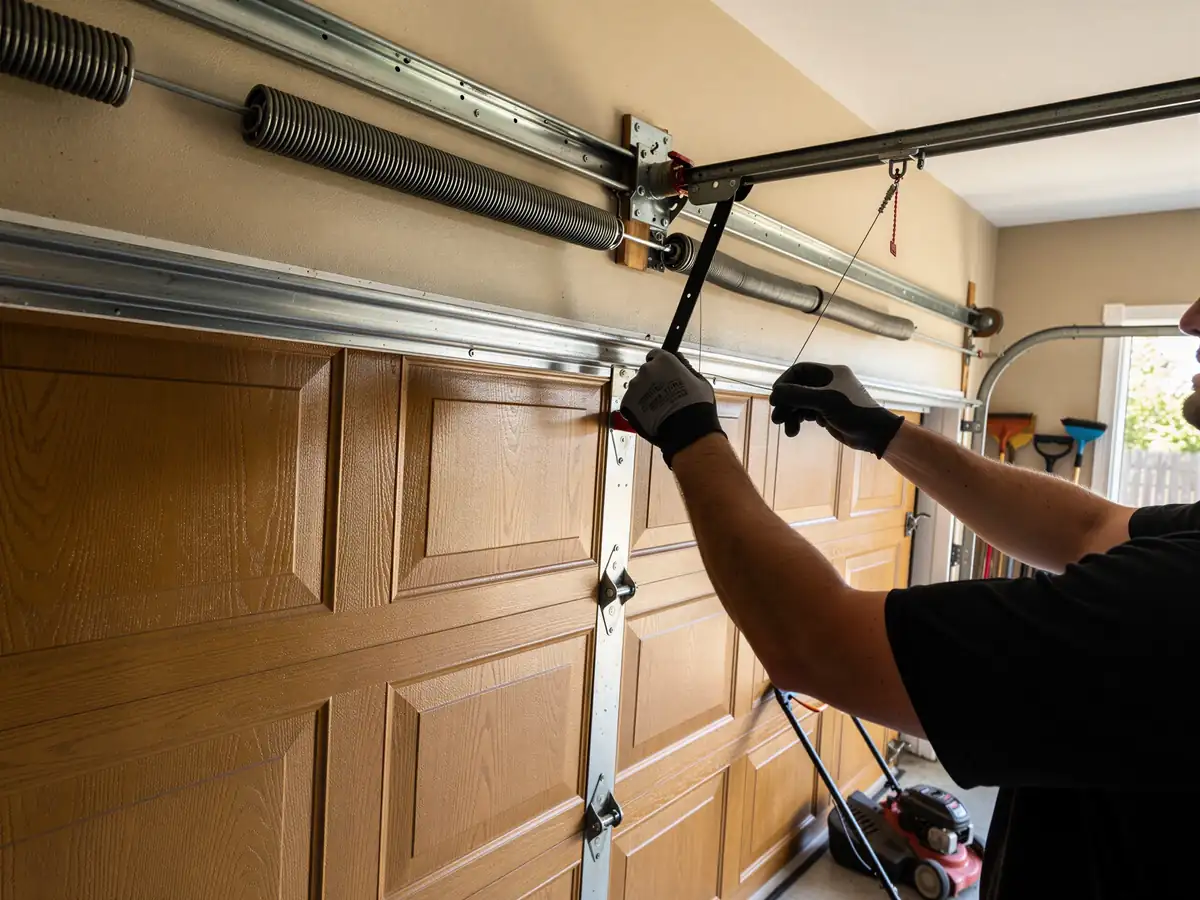
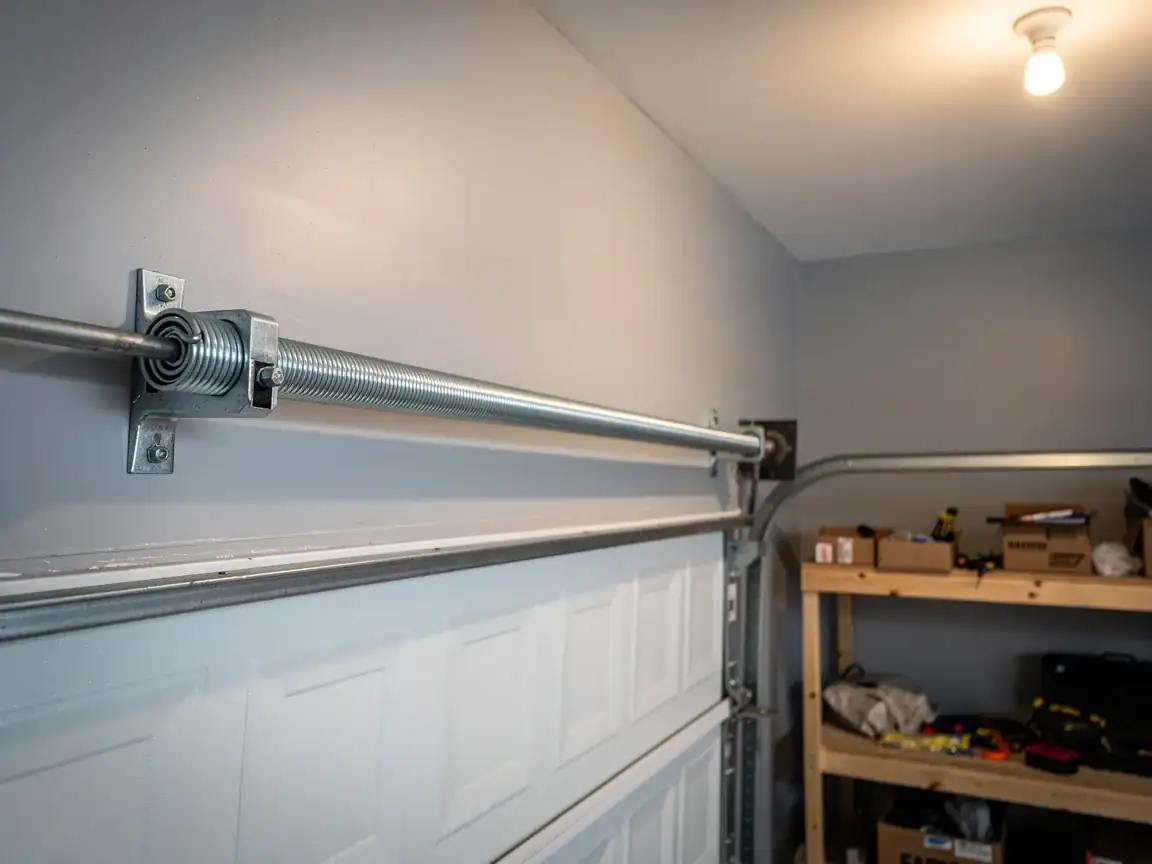
What you should not do is touch the torsion spring system. A wound torsion spring holds enough stored energy to break a wrist or worse, and the winding bars and clamps needed to do it safely aren't something most garages have lying around. Same goes for cable replacement on a door that's still under spring tension. If the door won't move, or moves unevenly, and the cause isn't something simple like a disconnected sensor eye, that's a call-a-pro job, not a weekend one. We'd rather talk you through what's safe to check over the phone than have you find out the hard way what a spring under load can do.
Why It Happens Here
Bozeman sits in a cold, severe climate band, and that matters more for garage doors than people expect
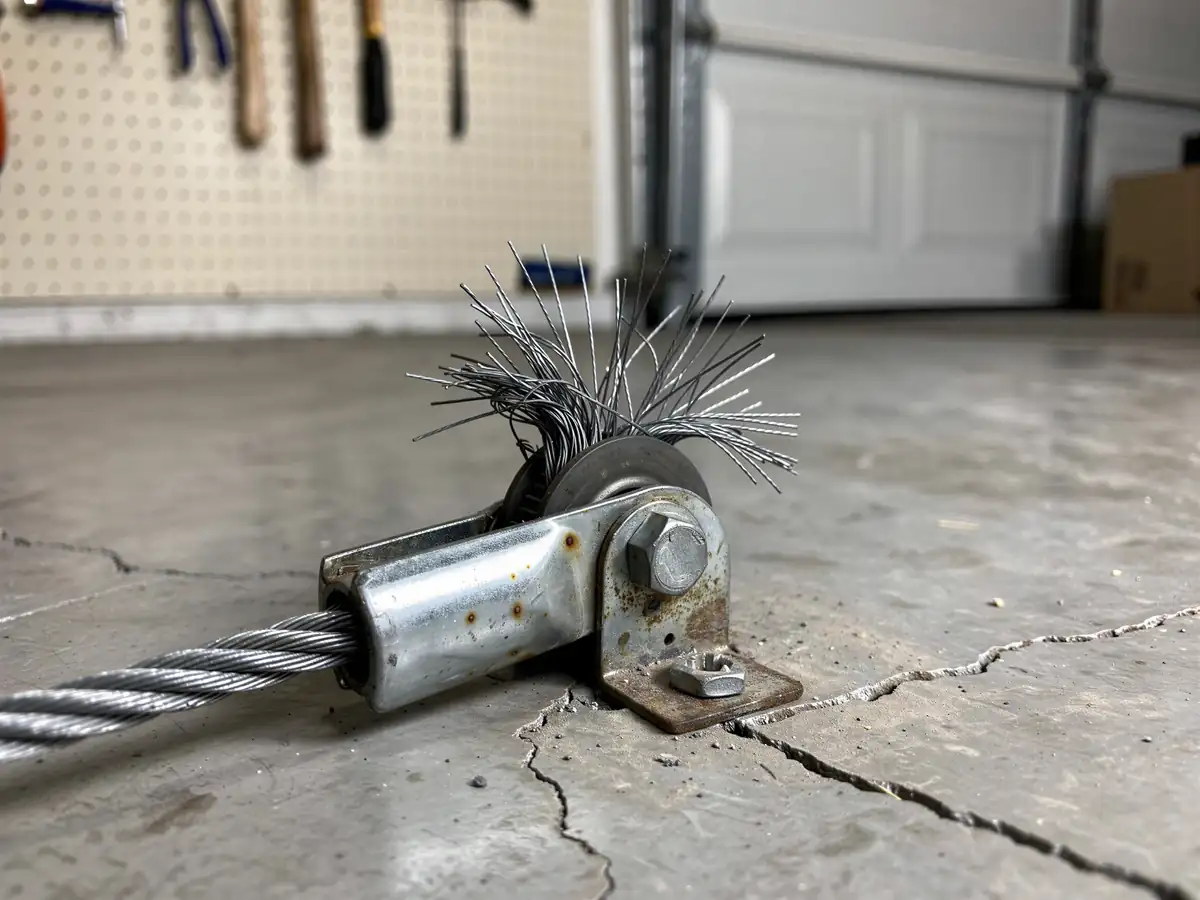
Steel contracts in deep cold, which tightens tolerances on tracks and rollers that were set up for warmer weather. Add in the freeze-thaw cycle through a Montana winter and spring, and you get condensation inside hollow-core panels, rust forming on springs and cable ends, and grease inside the opener gearbox thickening up until the motor strains to turn it.
The age of the housing stock compounds this
A door and opener installed when a house was built in, say, 1991 has now gone through more than three decades of that freeze-thaw cycle without ever being replaced, just occasionally patched. Across the four main areas of 1980s and 90s-era homes that make up most of Bozeman's housing, that's the same story on repeat: original torsion springs rated for a certain cycle count, pushed well past it by age and cold, finally letting go on a January morning when the steel is at its stiffest and least forgiving. It's not bad luck. It's the math of a thirty-year-old spring in a climate that doesn't let anything coast.
The Cost of This Job
We don't have a flat number to hand you here, and we're not going to make one up. What we can tell you is what drives the cost up or down. A single broken torsion spring on a standard door is usually a straightforward swap. A double spring system, a bent track from a door that's been running misaligned for months, or an opener old enough that the manufacturer no longer makes a matching logic board all push the job into more labor and, sometimes, a wait on parts.
That parts wait is the honest limitation worth naming: if your opener is original to a house built in the early 1990s, the exact replacement board or gear kit may not exist anymore, and we'll tell you straight when replacement makes more sense than chasing a part for a 30-year-old unit. With median household income in the Bozeman service area around $100,185 and roughly 3,479 owner-occupied houses in the mix, most of what we see is homeowners deciding between a targeted repair and a full opener swap based on the age of what's already in the garage, not on a one-size price we could quote you in advance.