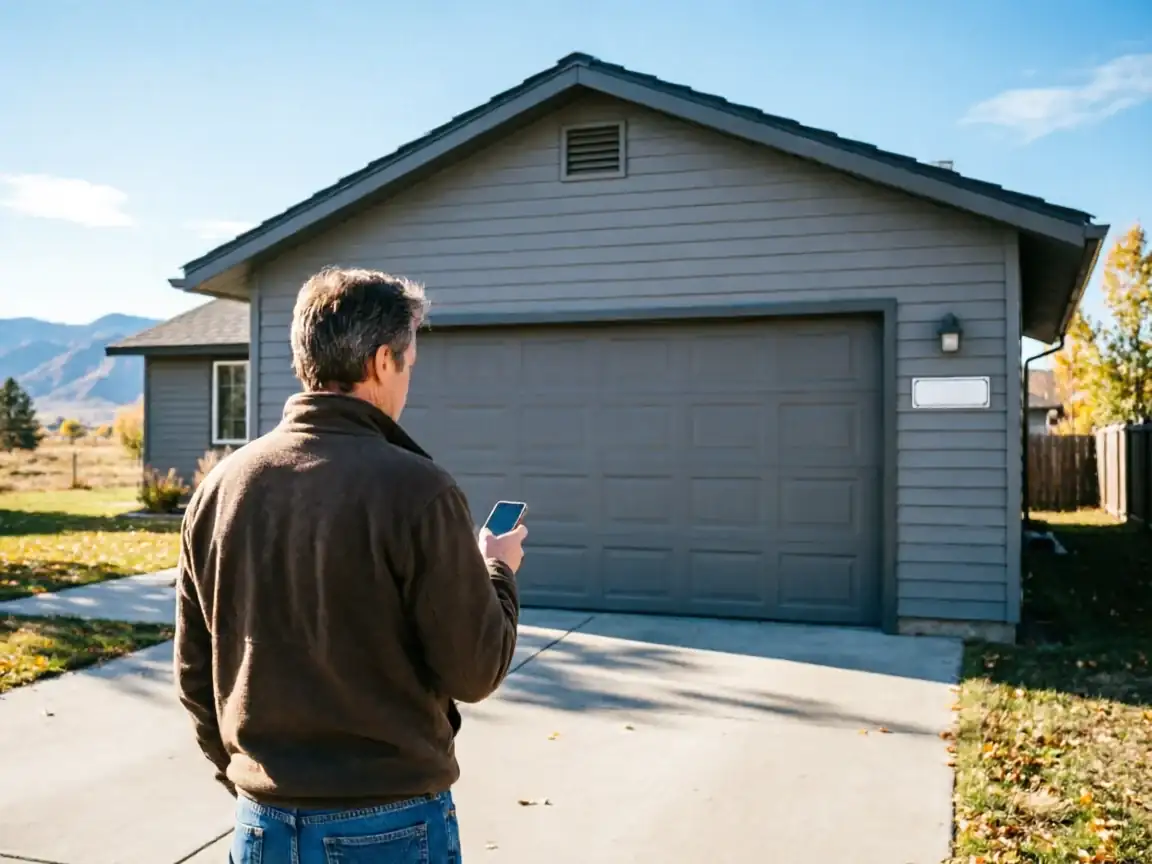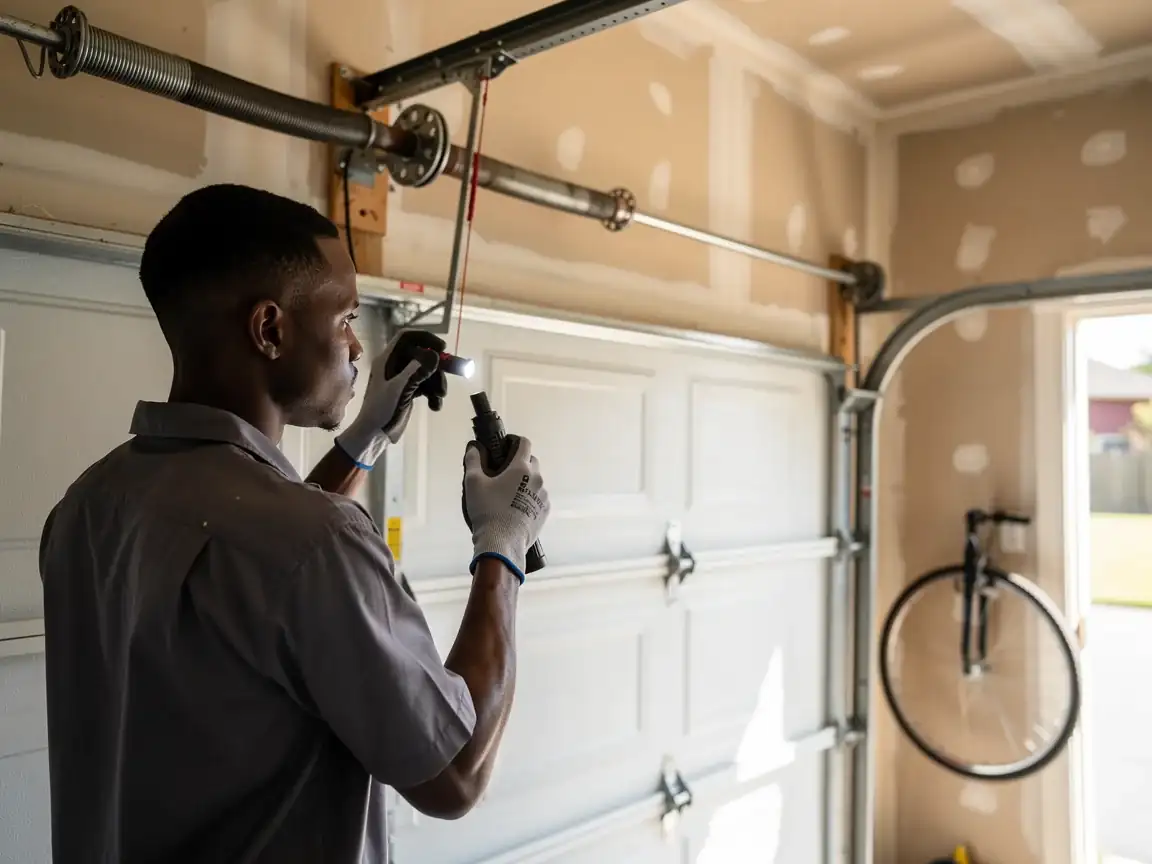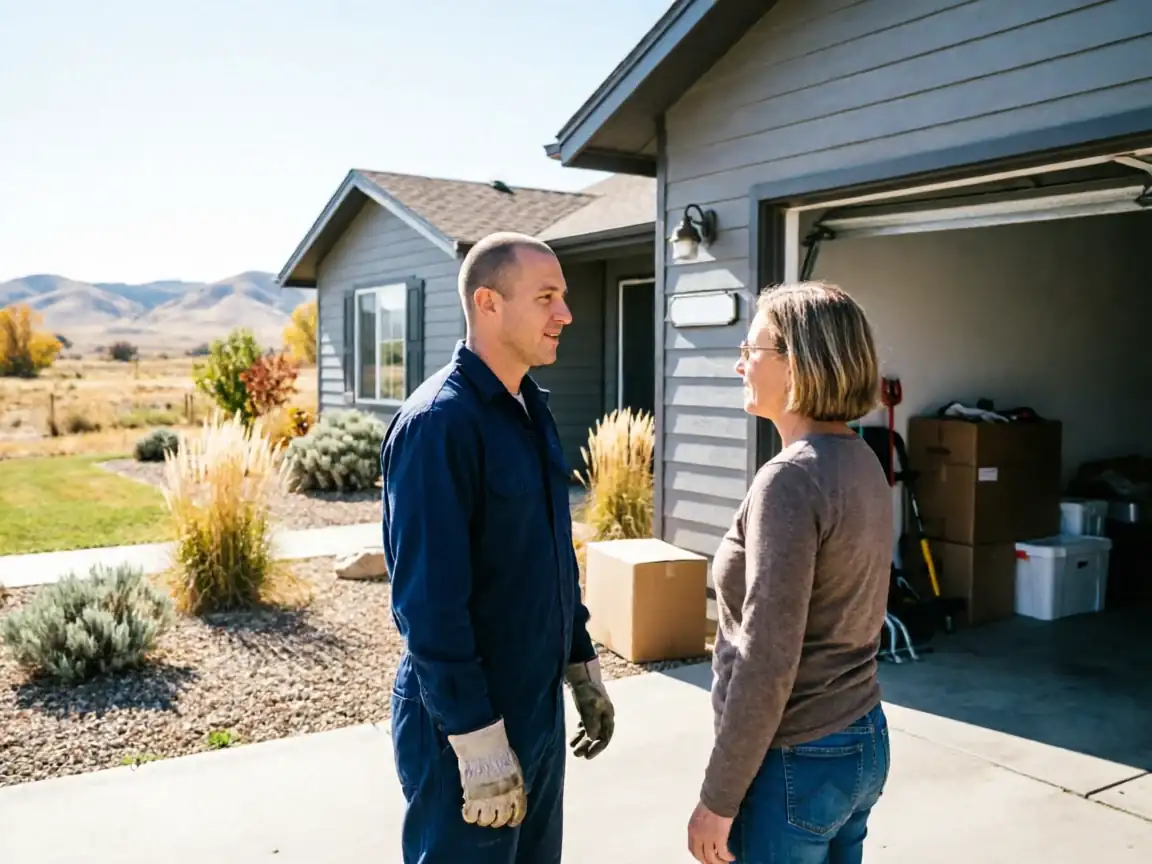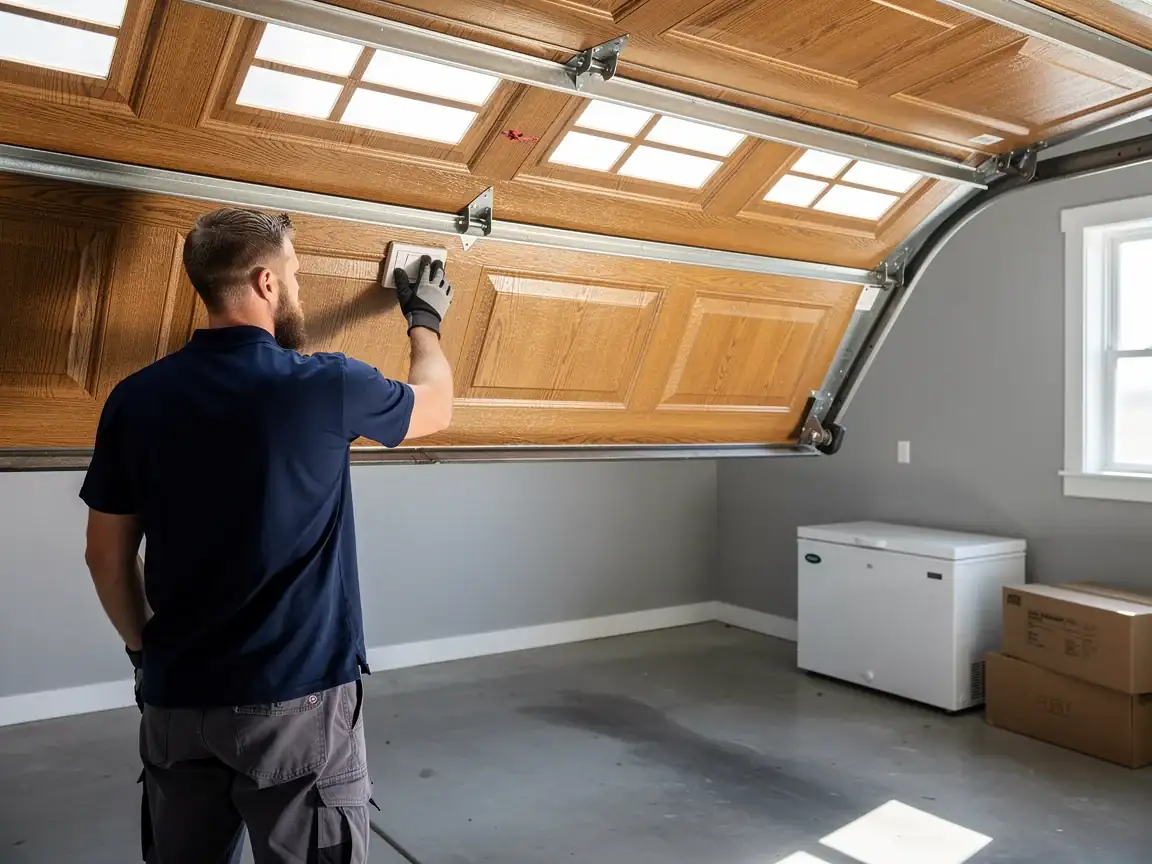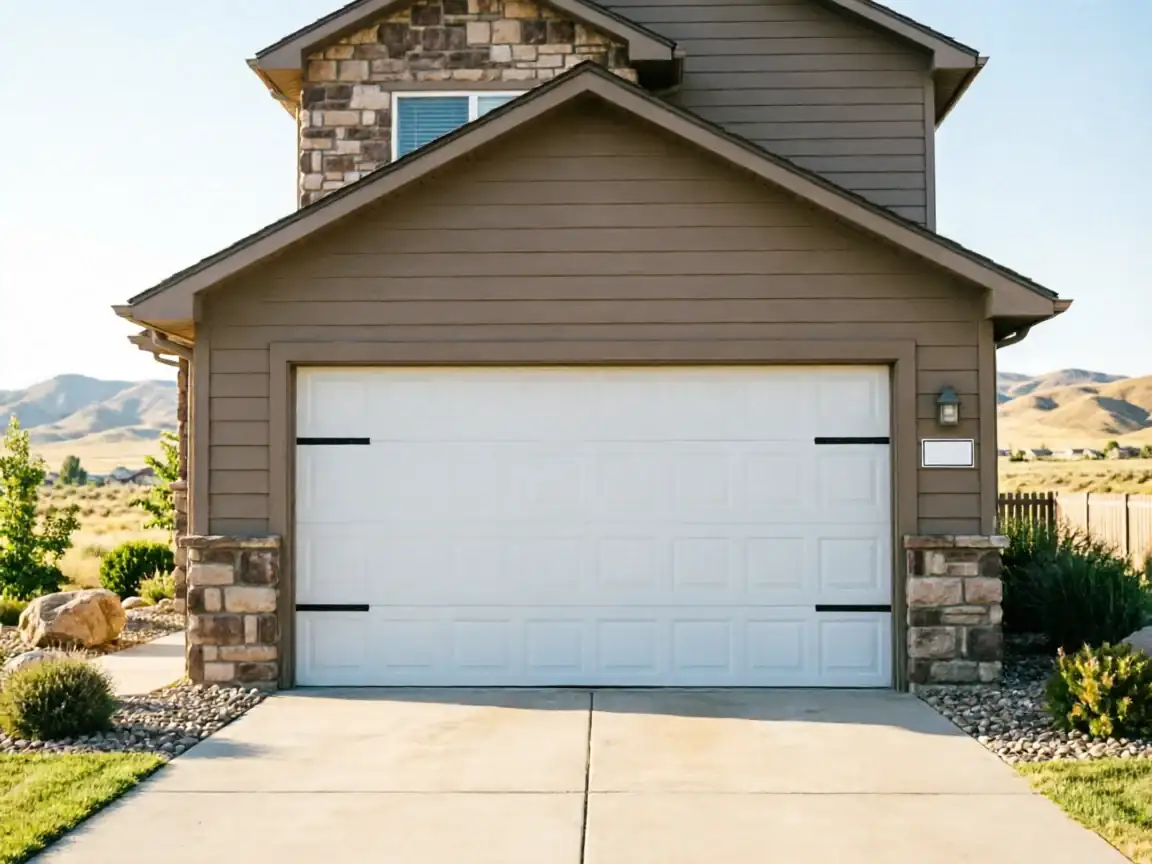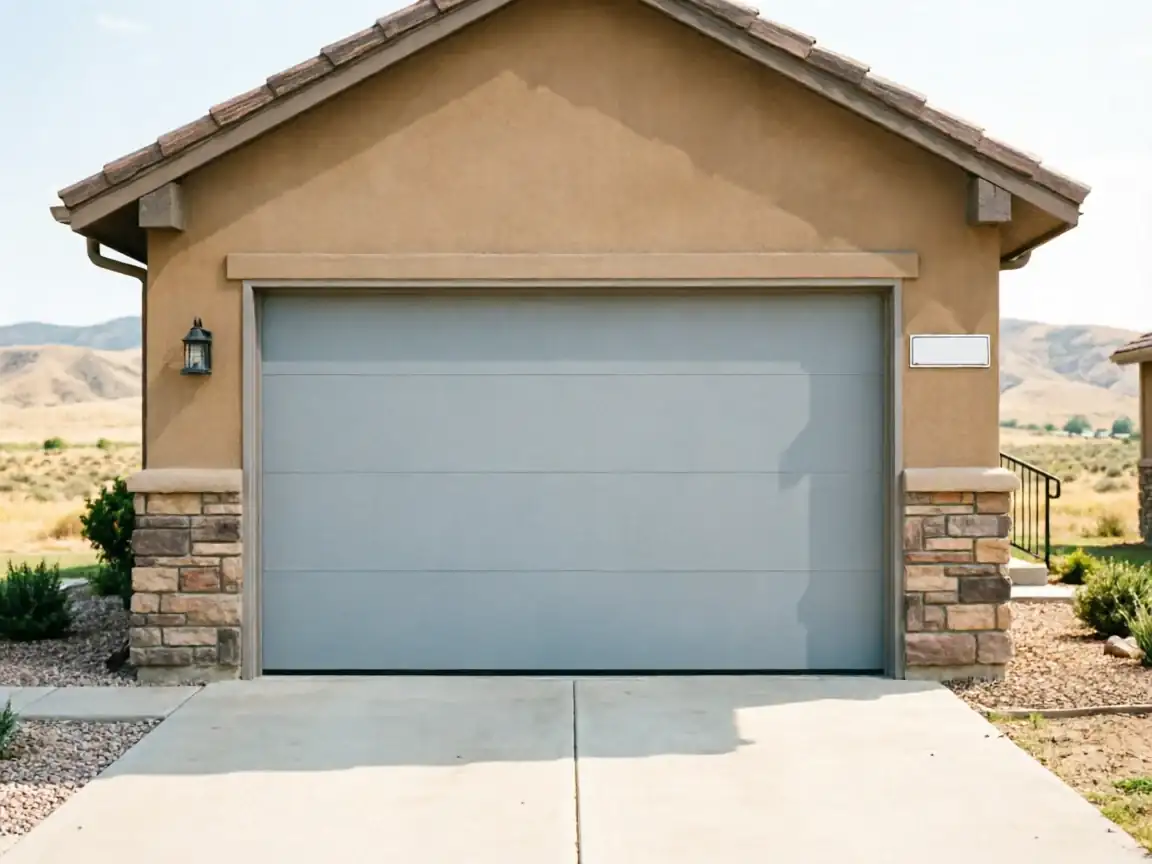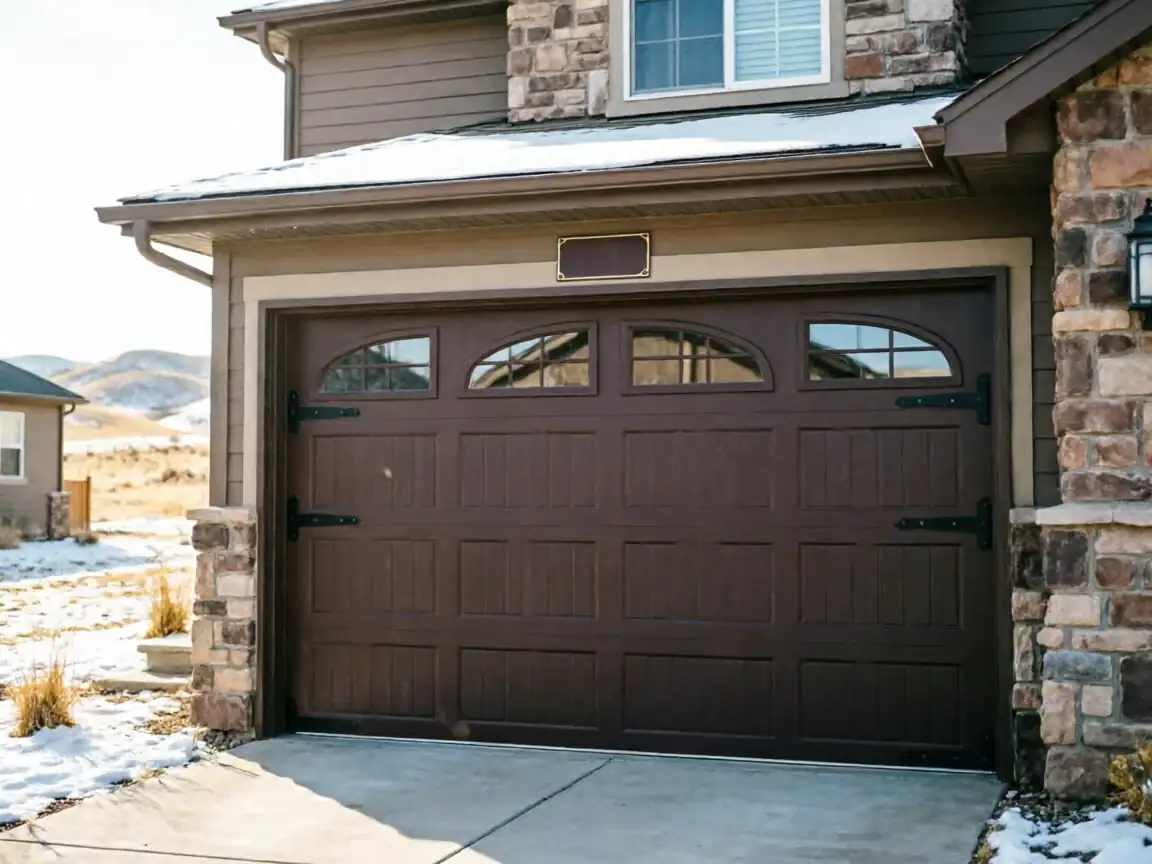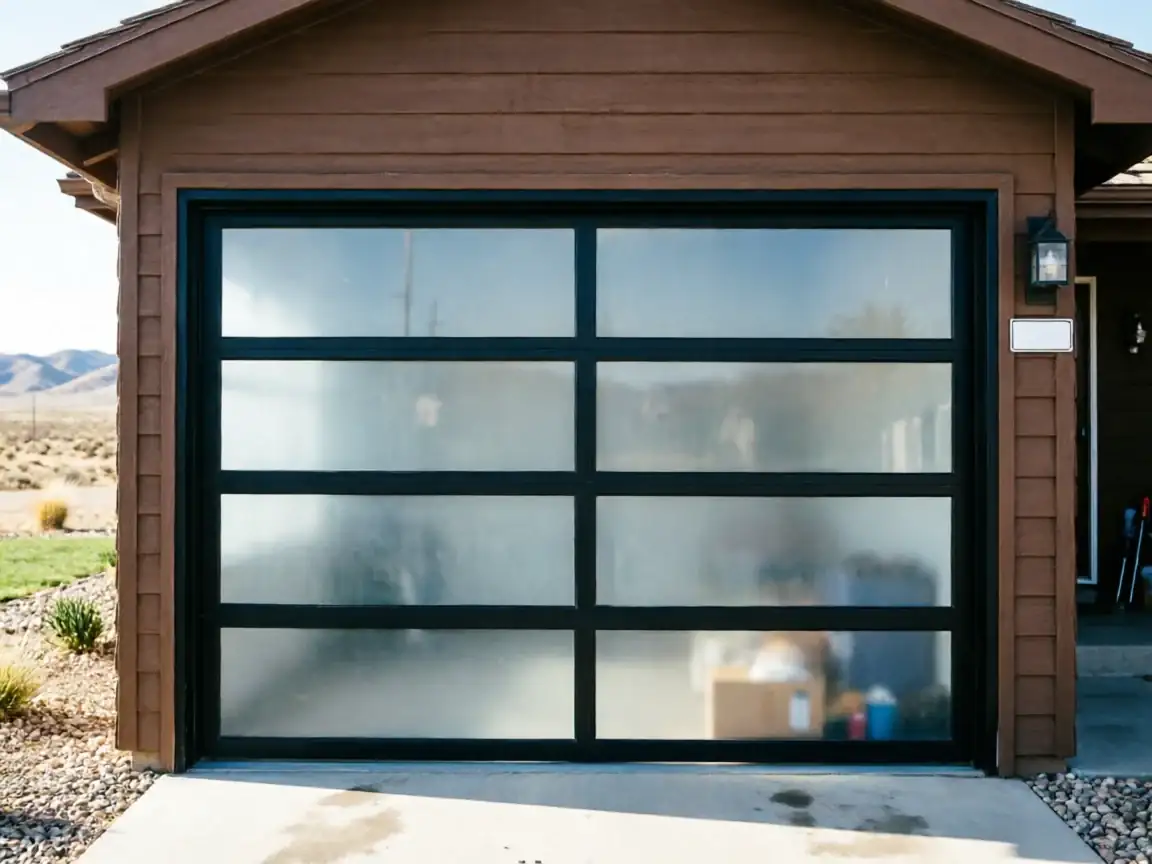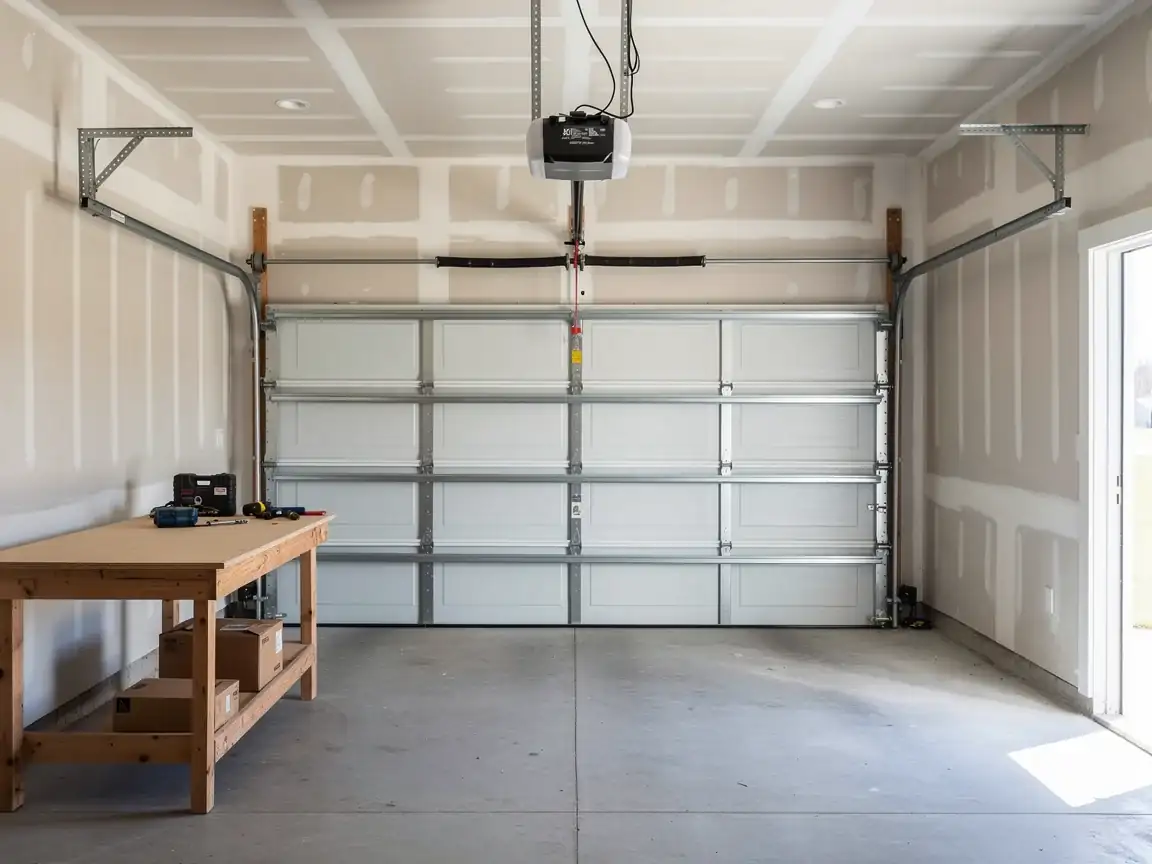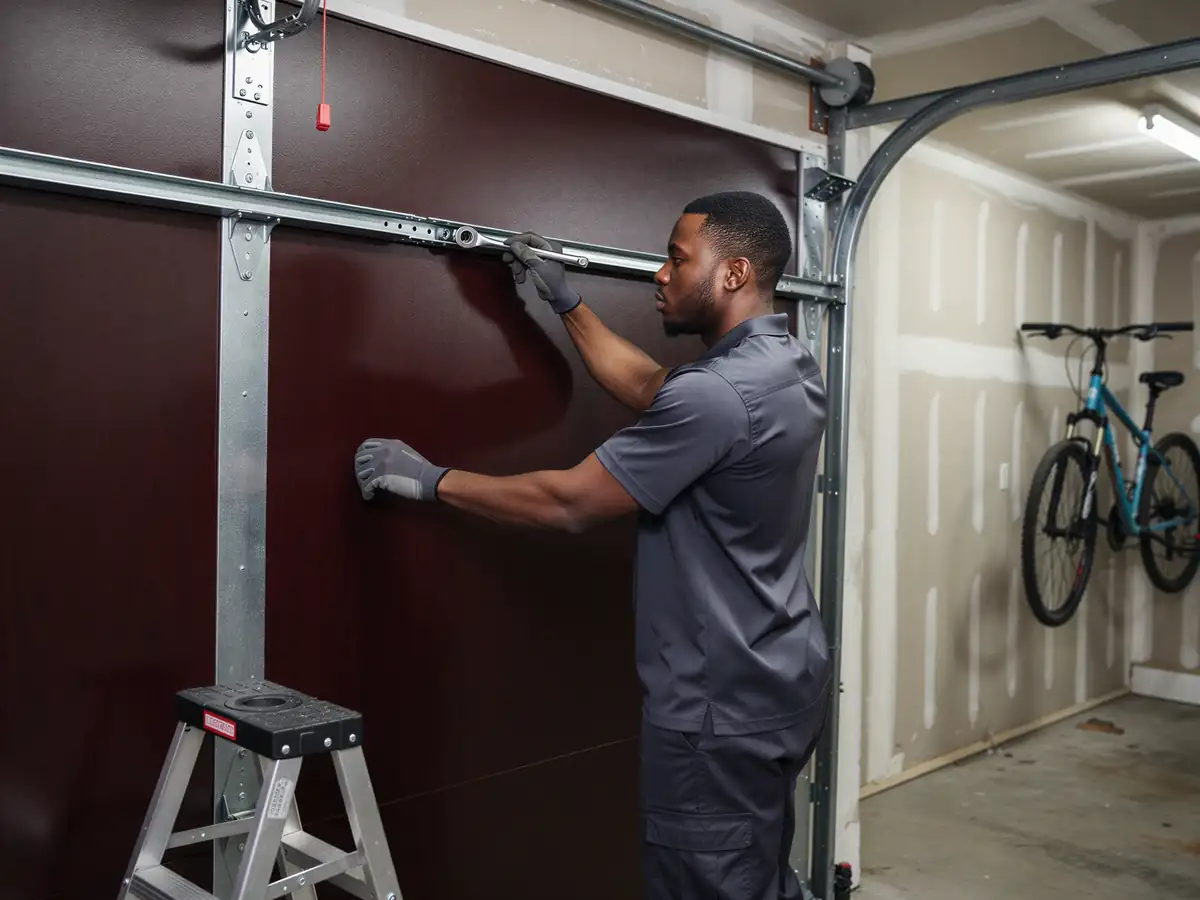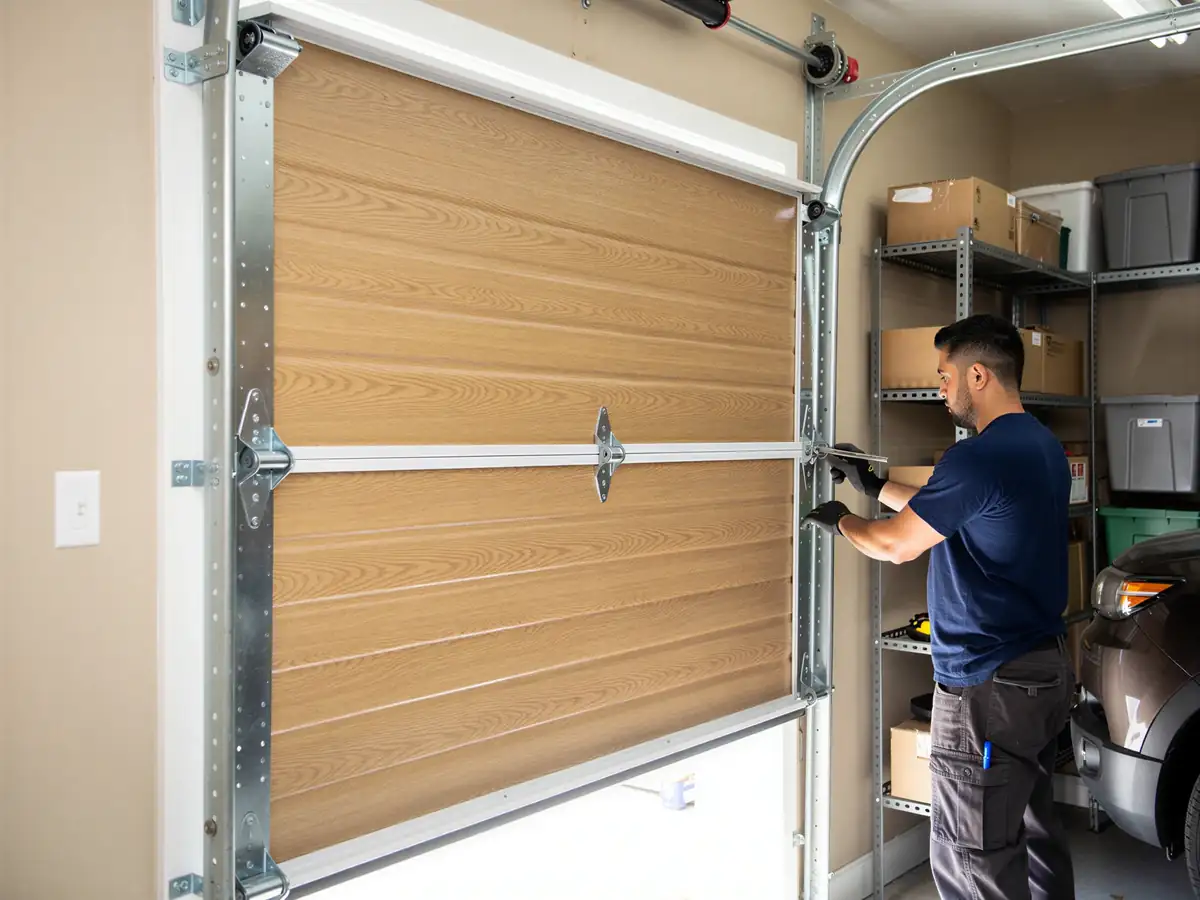
Why It Happens Here
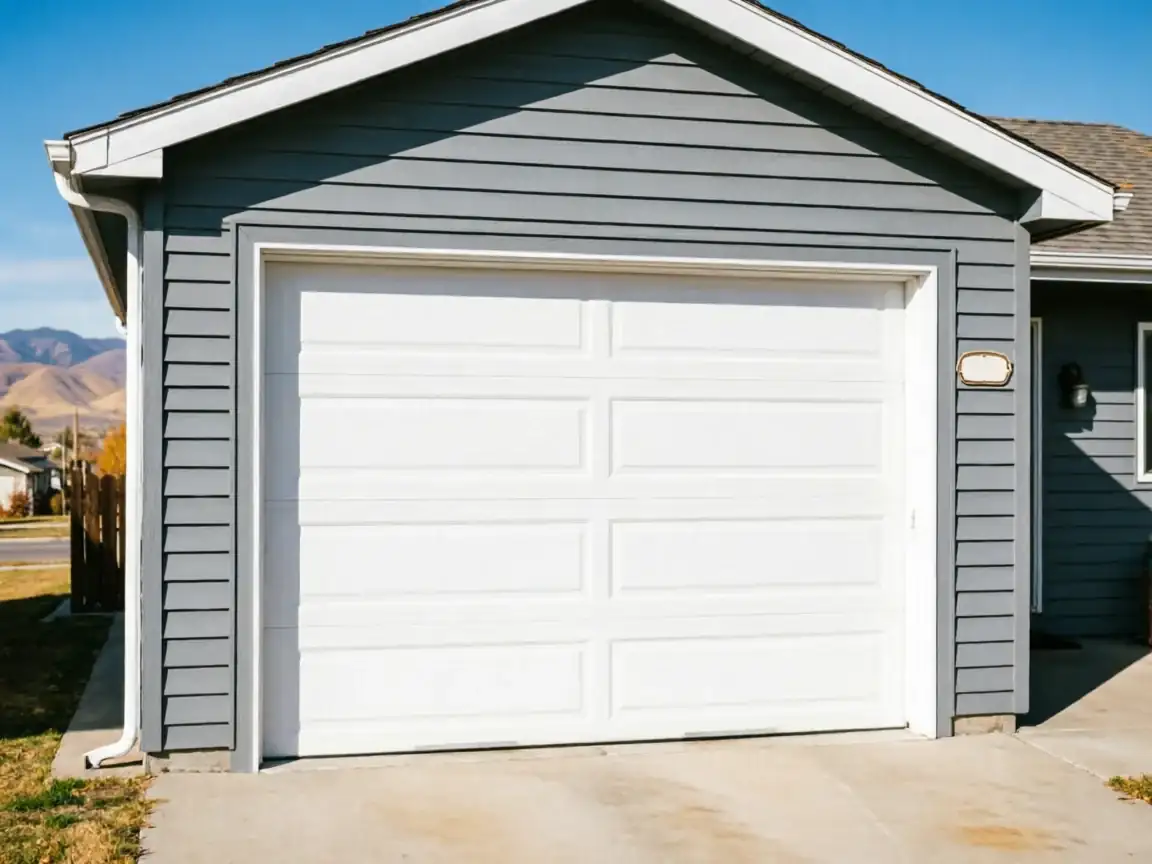
Belgrade runs about 4,727 households, which is a smaller, tighter town than the service area as a whole, where total household count sits near 7,705. That matters for the kind of calls we get here: fewer old one-off doors, more of the same handful of builder-grade models going in around the same years. Most houses in Belgrade went up around 2000, noticeably later than the 1980s-90s stock that makes up a lot of the rest of the area we cover. That later build date means standard steel sectional doors with factory weather seals, not the older plank-style doors you still find on the oldest lots elsewhere.
The climate band here is severe cold, and that's the bigger factor in emergency calls than the age of the house. A 2000-era door with factory hardware can still lock up hard when temperatures swing, because the grease in the rollers and the tension in the spring both react to cold, not to how new the door looks. The pattern we see out of Belgrade is less "the door is falling apart" and more "the door worked fine yesterday and won't move today," which almost always comes down to a spring or an opener sensor, not the panel itself.
What the Fix Involves
First call is almost always a phone diagnosis: does the door move at all, does the opener light blink, is the noise a grind, a snap, or silence. From there it's a truck out of Bozeman, about nine miles to Belgrade, carrying the parts most likely to match a 2000s-era door before we confirm the exact failure on site.
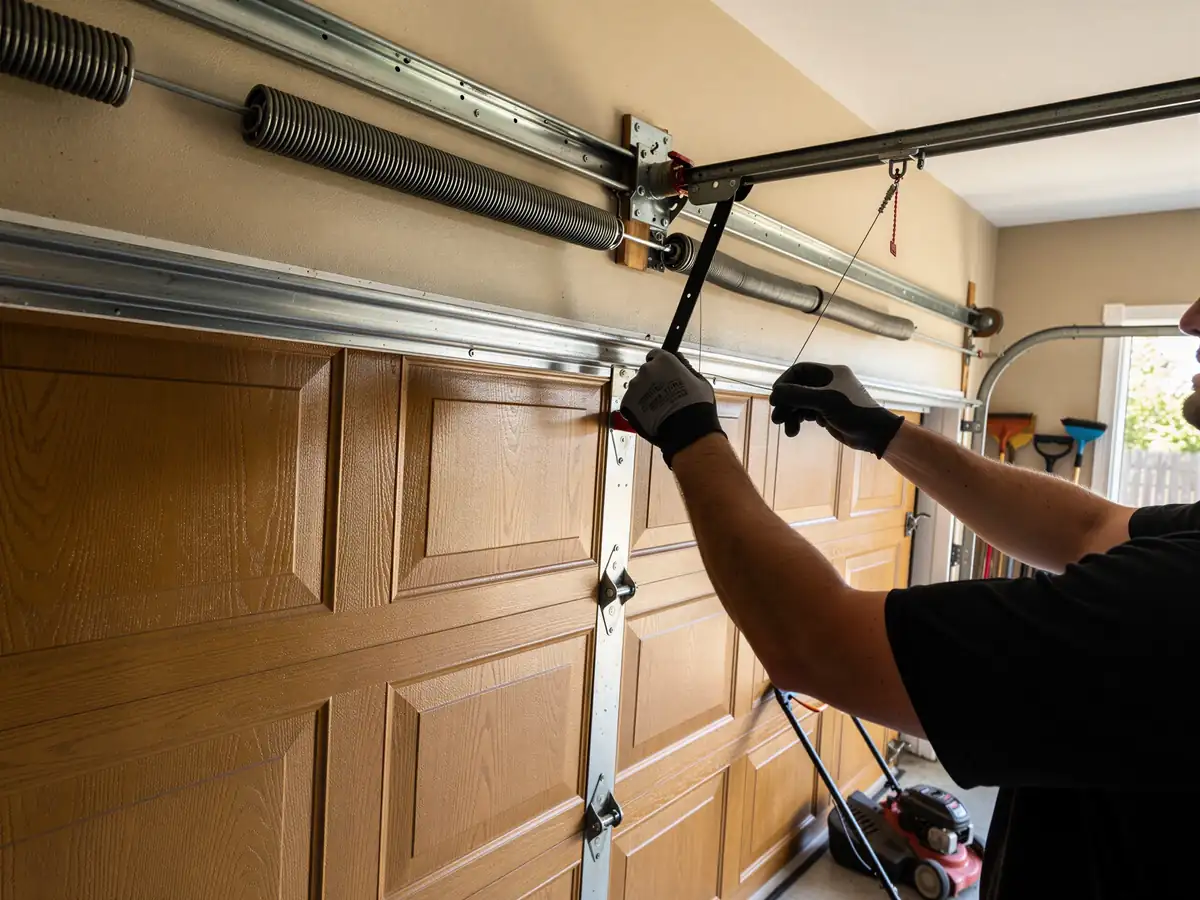
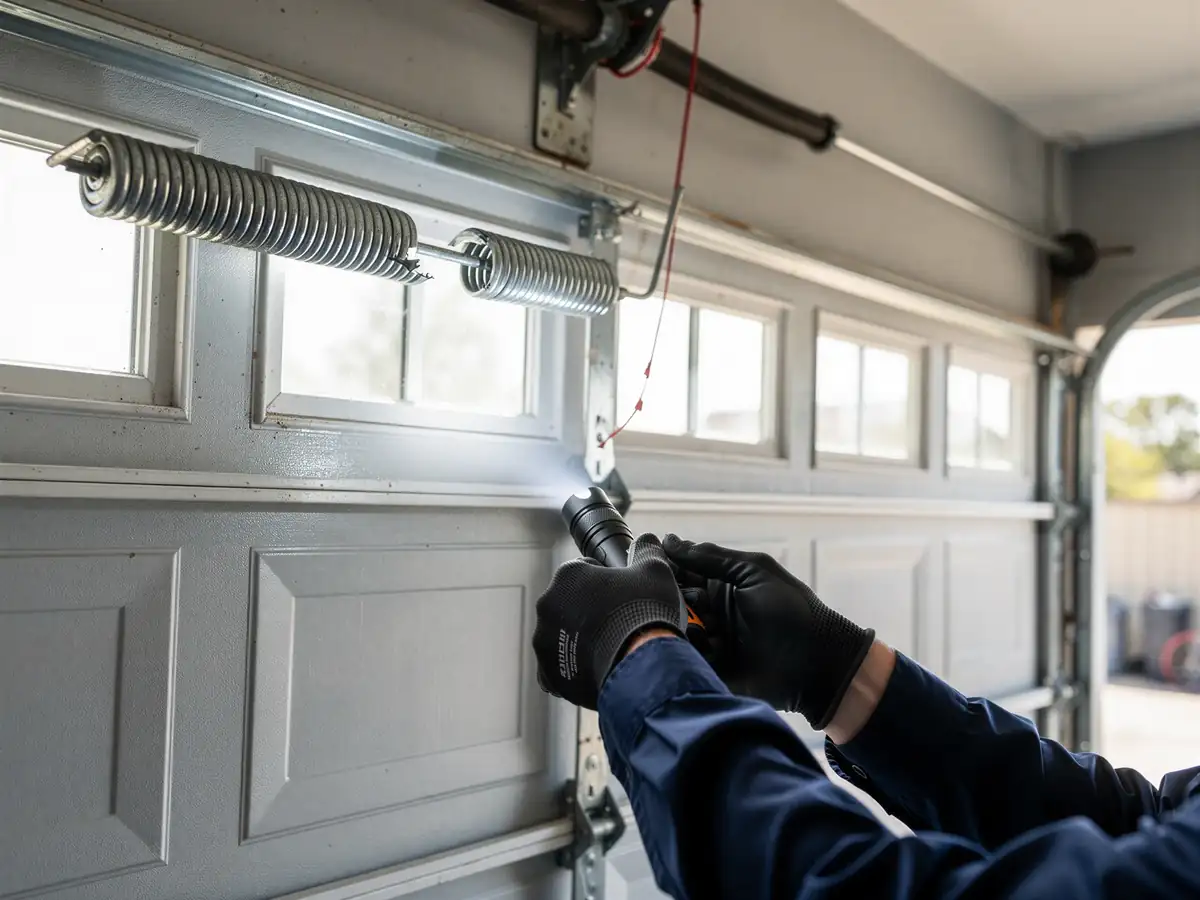
On a broken torsion spring, the fix is matching the spring to the door's weight and the drum size already on the shaft; this isn't a job to shortcut with a universal spring, because a mismatched spring either won't lift the door or will over-torque the opener on the next cycle. On a cable snap, both cables usually get replaced together even if only one broke, since the other one is the same age and under the same load. On opener failures tied to cold, the first check is the sensor alignment and the wiring at the header, before assuming the motor itself is bad. We don't guess at a part number over the phone and sell you on it; we confirm size and model on site, then fix it that visit if the part's on the truck.
Stocked Parts
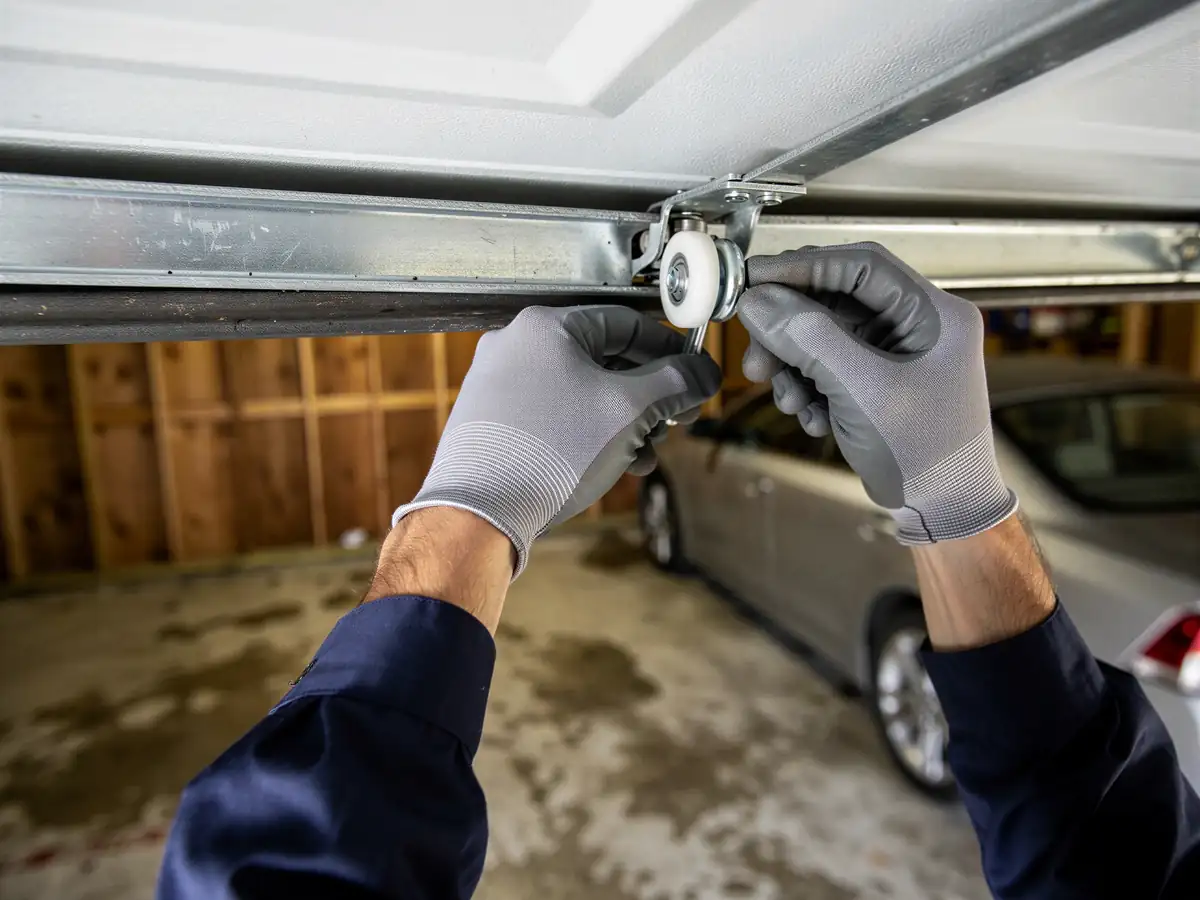
The truck carries torsion springs across the standard weight ranges that fit the door sizes common on 2000s-built garages, plus rollers, lift cables, and the hinge sets that wear fastest under daily cycling
Openers on the truck cover the mainstream chain and belt drive units that match the newer tracks found on most Belgrade garages, since those are what fail most often here compared to the older chain-only units on older housing stock elsewhere in the service area.
The honest limit: if a door turns out to be a non-standard size, a custom panel configuration
Or an opener model that's been out of production a while, that part isn't riding on the truck and has to be ordered. We'll tell you that on site rather than string the visit out, and we'll give you a real estimate on lead time once we know the part number, not a guess to get the visit closed.
What Can Go Wrong
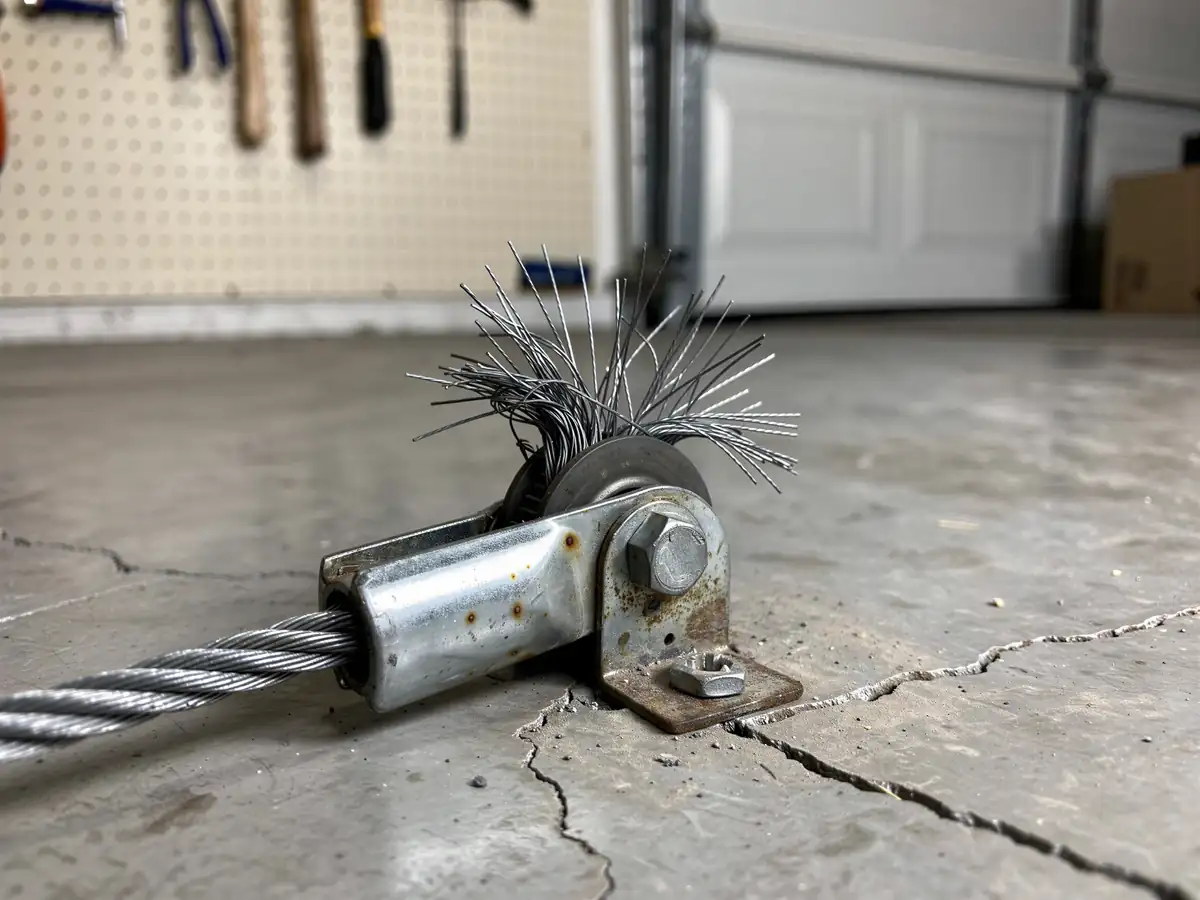
The most common emergency out of Belgrade is a broken torsion spring, usually first thing in the morning after a cold night, when the door won't lift or lifts a few inches and stops. Close behind that is a cable that's frayed through and finally lets go, often on a door that's been making a faint clicking sound for weeks beforehand that nobody noticed.
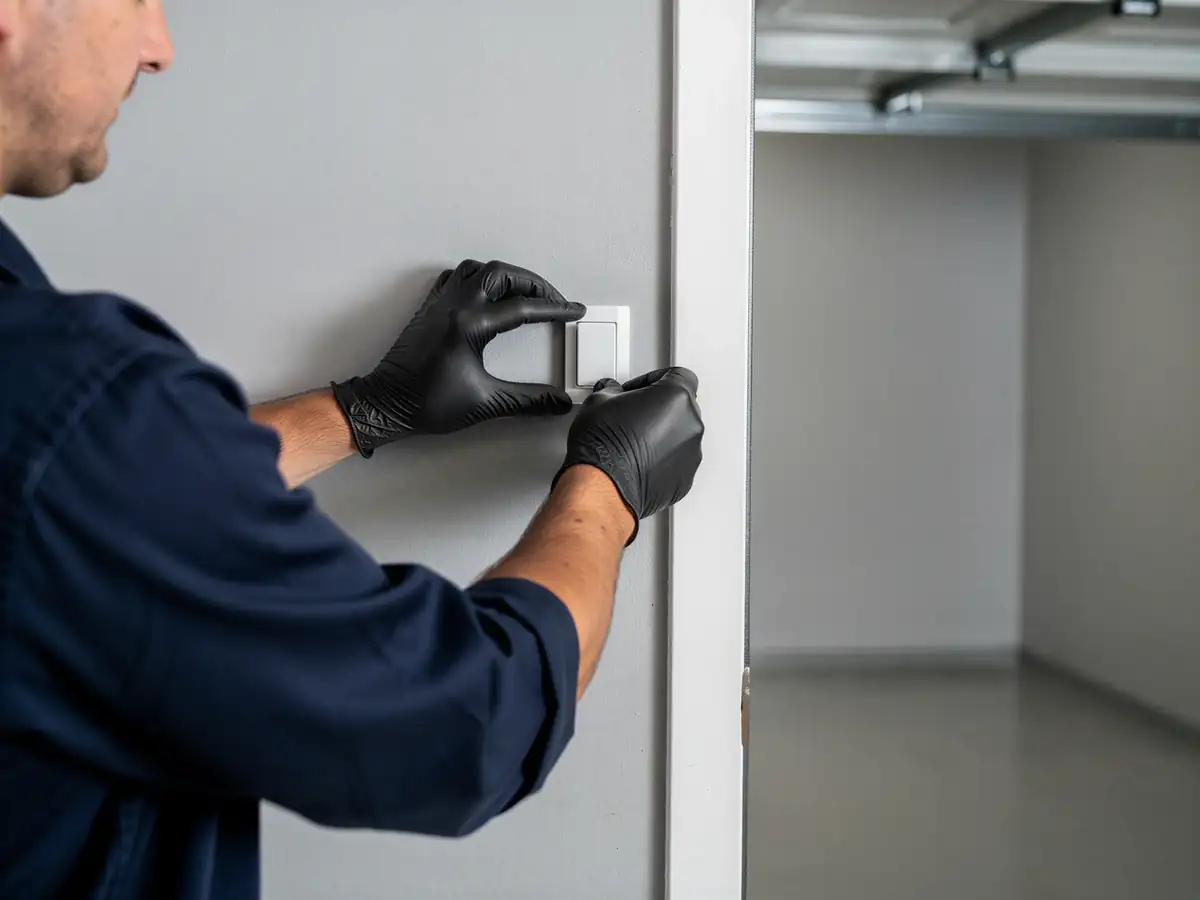
Opener failures show up differently: the motor runs but the door won't move, which points to a stripped gear or a disconnected carriage, not the spring at all. Cold-weather sensor misalignment causes the door to reverse right before it closes, which looks like a safety fault but is often just a sensor eye that's shifted a few degrees in its bracket. Track misalignment from a door that's been forced open manually while the spring was already weak is another one we see, and it's the kind of damage that turns a spring repair into a spring-plus-track repair if it sits too long.
Doing It Yourself
Clear visible ice or debris off the bottom track and weatherstrip before assuming anything's broken; in a severe cold climate, a frozen seal against the slab can mimic a stuck door. Check whether the opener light is blinking a fault code and look up what that code means for your model before calling anyone out.
What not to touch: the torsion spring itself, under any circumstance. It holds enough stored tension to cause a serious injury if the winding cone slips, and that's true whether the door is five years old or twenty-five. If the door is heavy, won't budge, or drops suddenly when you release the opener, stop and call rather than prying at it with a bar. A door that's hanging unevenly on one cable is also not a DIY job - the other cable can go next, and when it does, the door comes down.