Why It Happens Here
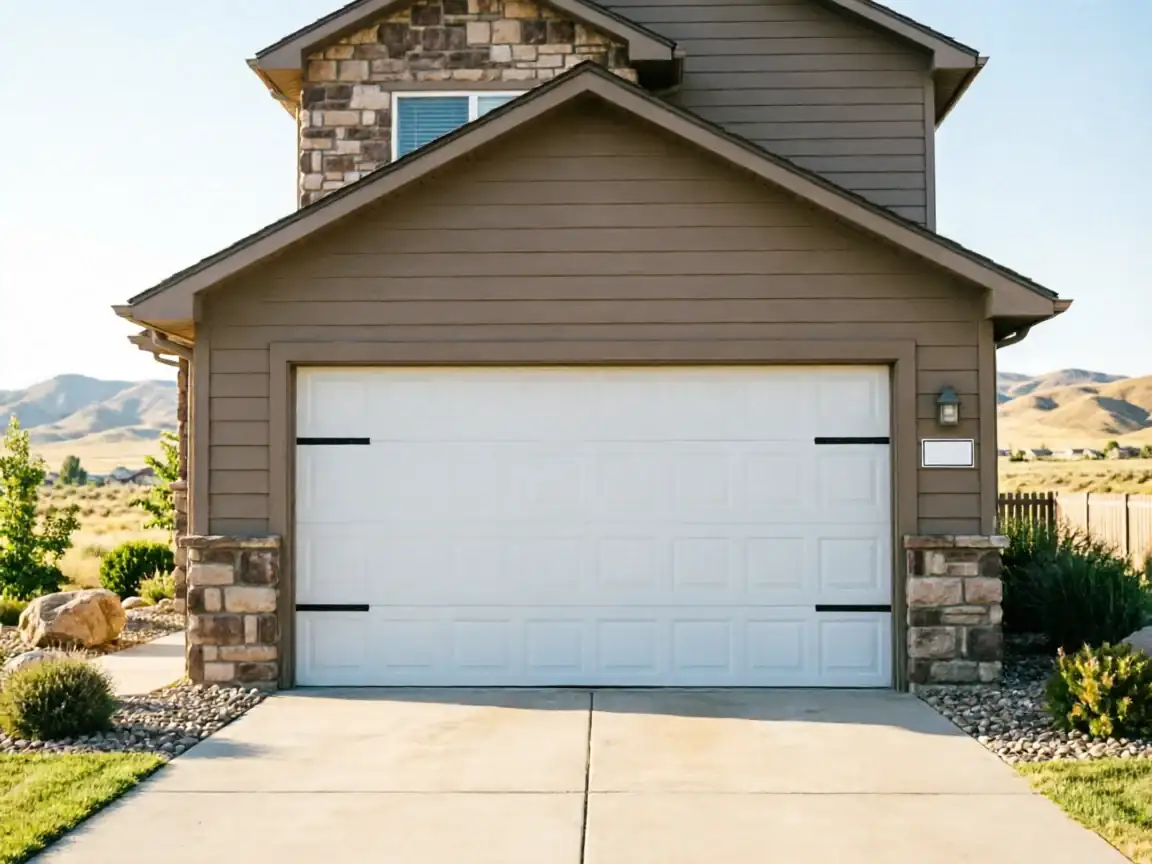
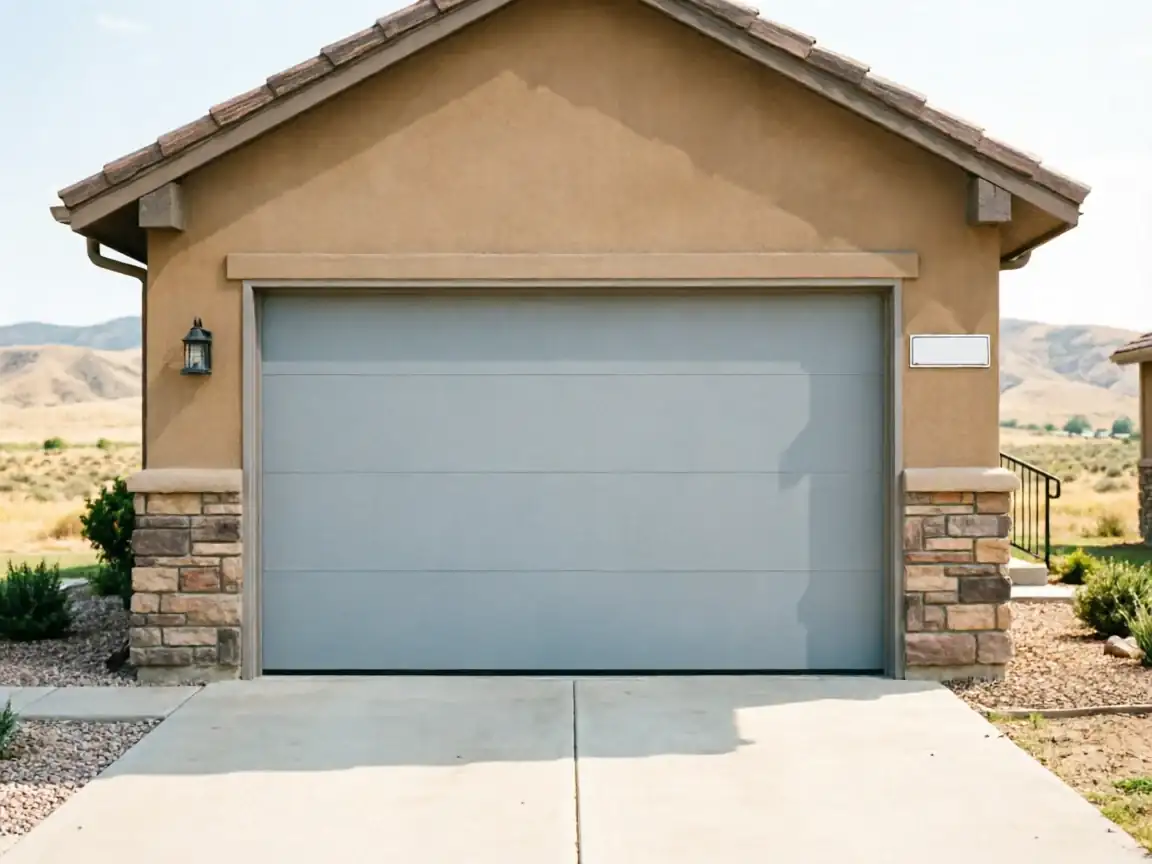
Belgrade's median home dates to around 2000 - a good six years newer than the 1994 median across the wider Bozeman service area. That gap matters more than it sounds. Doors installed in the late 1990s and early 2000s mostly left the factory with nylon rollers on steel tracks rather than the all-steel, sleeve-bearing rollers common on older stock elsewhere in the area. Nylon rollers run quieter and don't need the same grease schedule, but they're also plastic, and plastic doesn't age well through winters rated severe for cold in this part of Montana. Repeated freeze-thaw cycling makes the nylon brittle at the roller stem, and that's usually where it cracks - not in the wheel part you can see from the garage floor, but at the thin neck that rides in the bracket. With about 4,727 households in Belgrade now, a meaningful share of these doors are hitting the 15-to-20-year mark where that stem failure shows up, sometimes all at once across several rollers rather than one at a time. That's a different failure pattern than the steel-roller wear you'd find on a door from the 1980s, and it changes what we look for first when we get a call out here.
What the Fix Involves
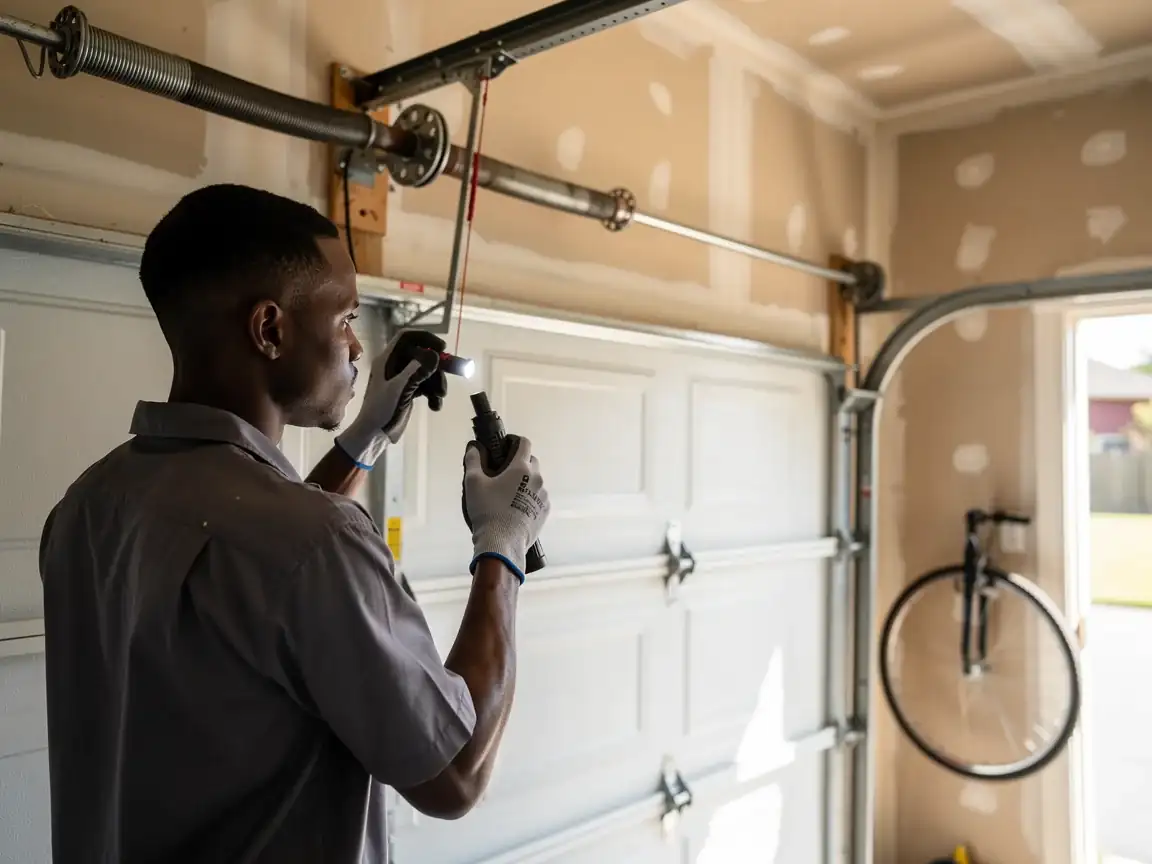
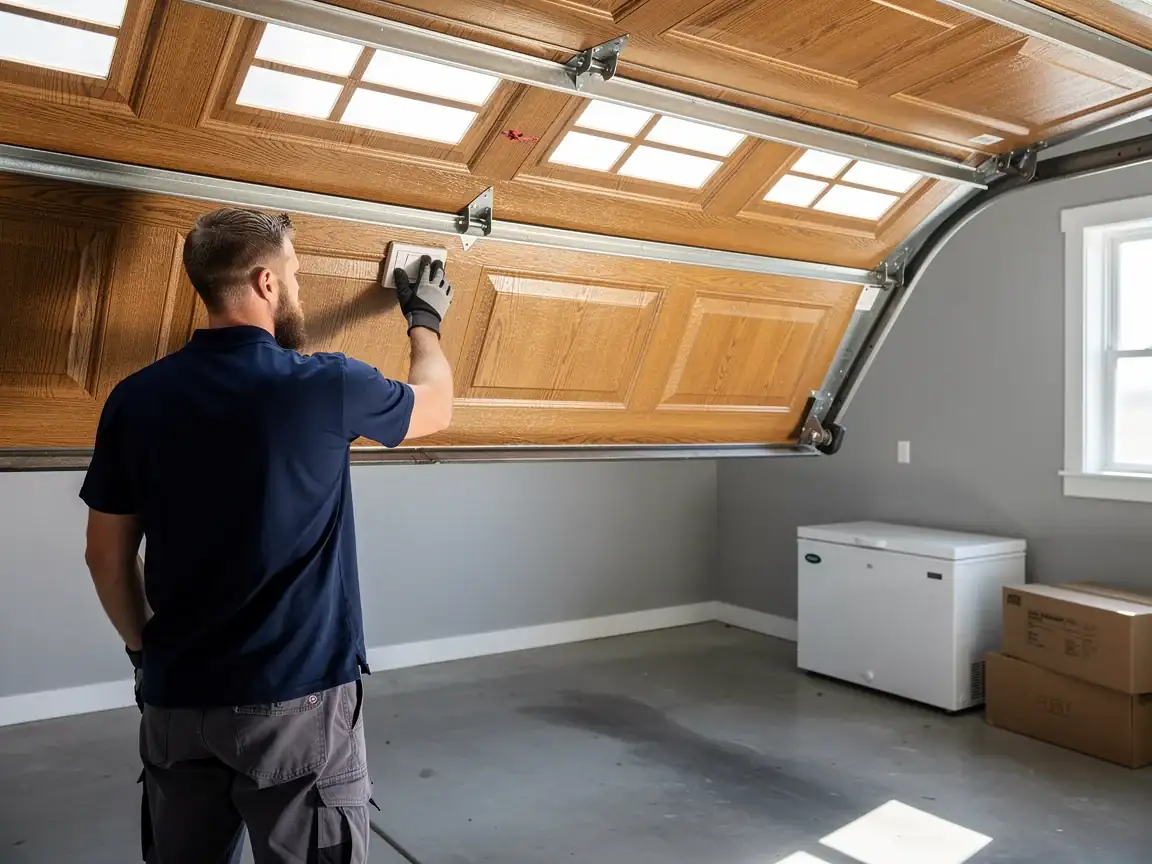
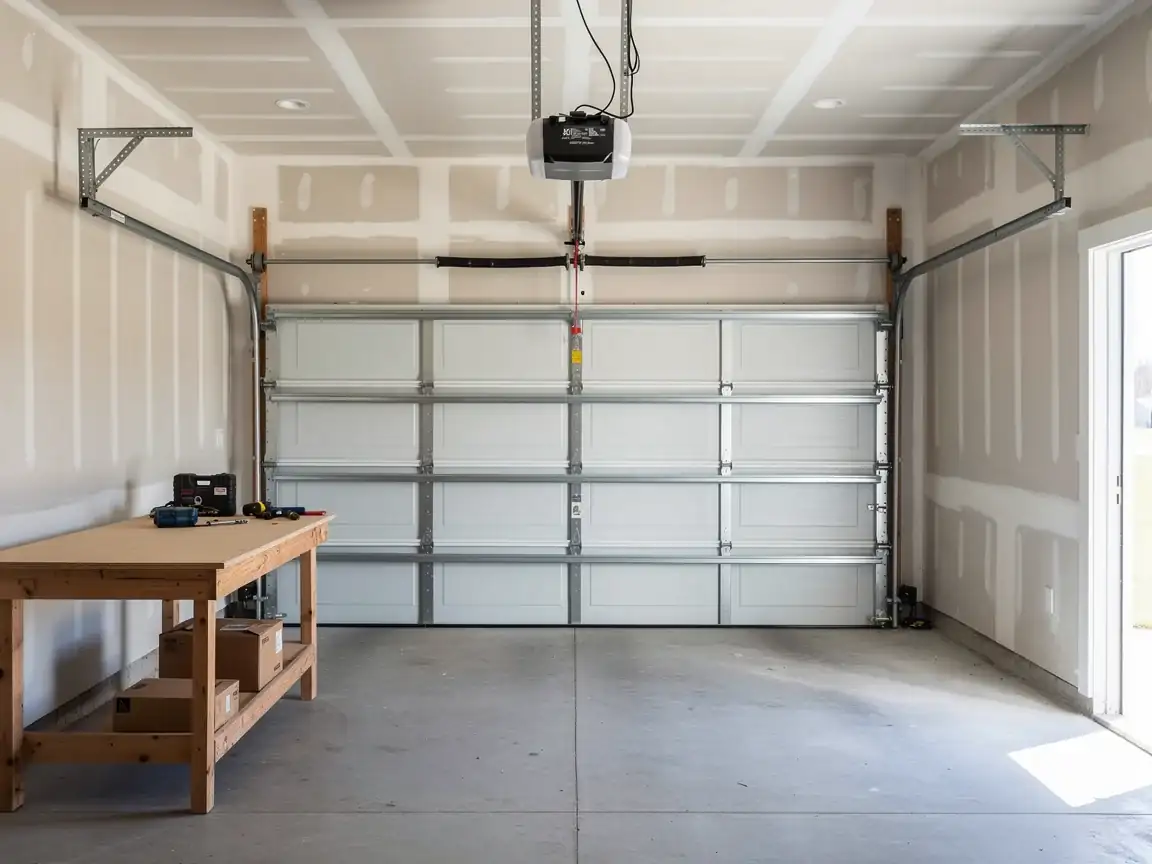
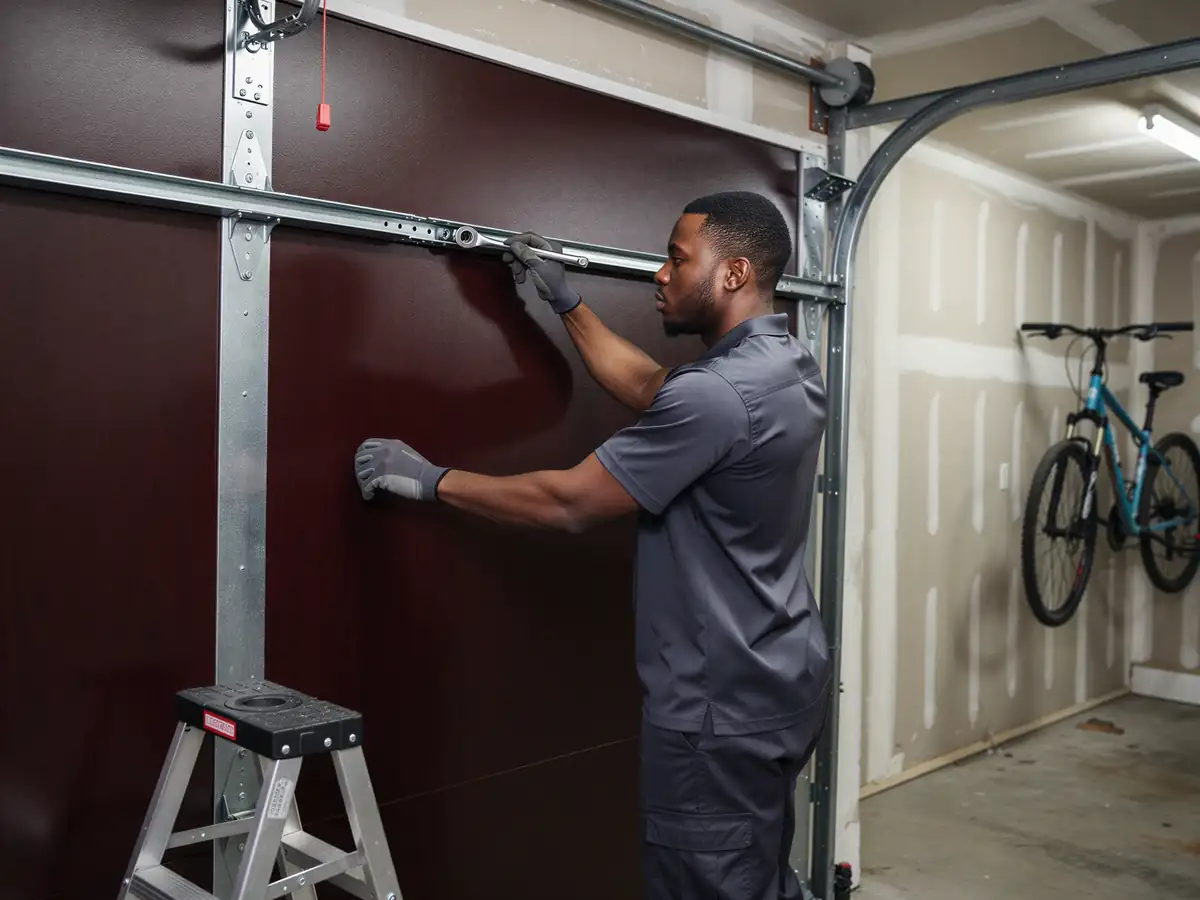
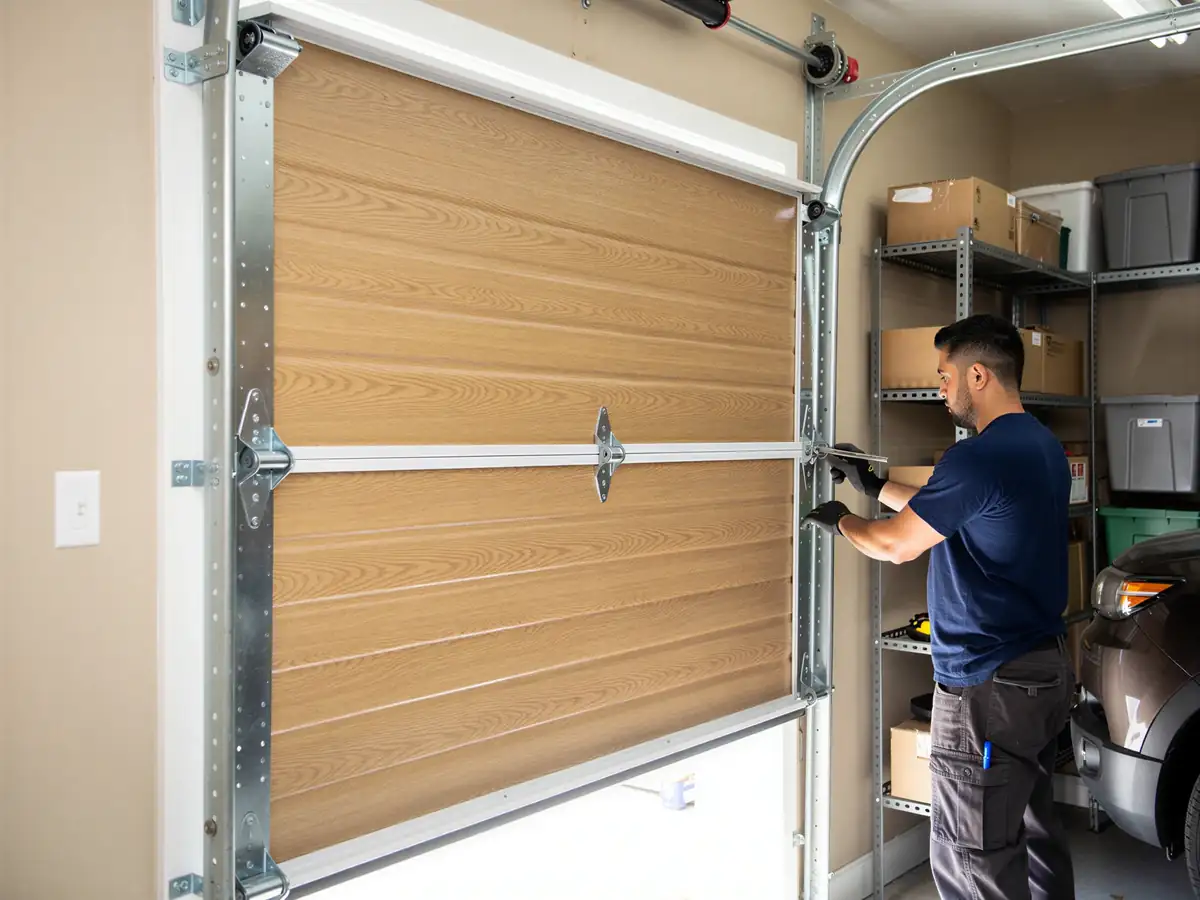
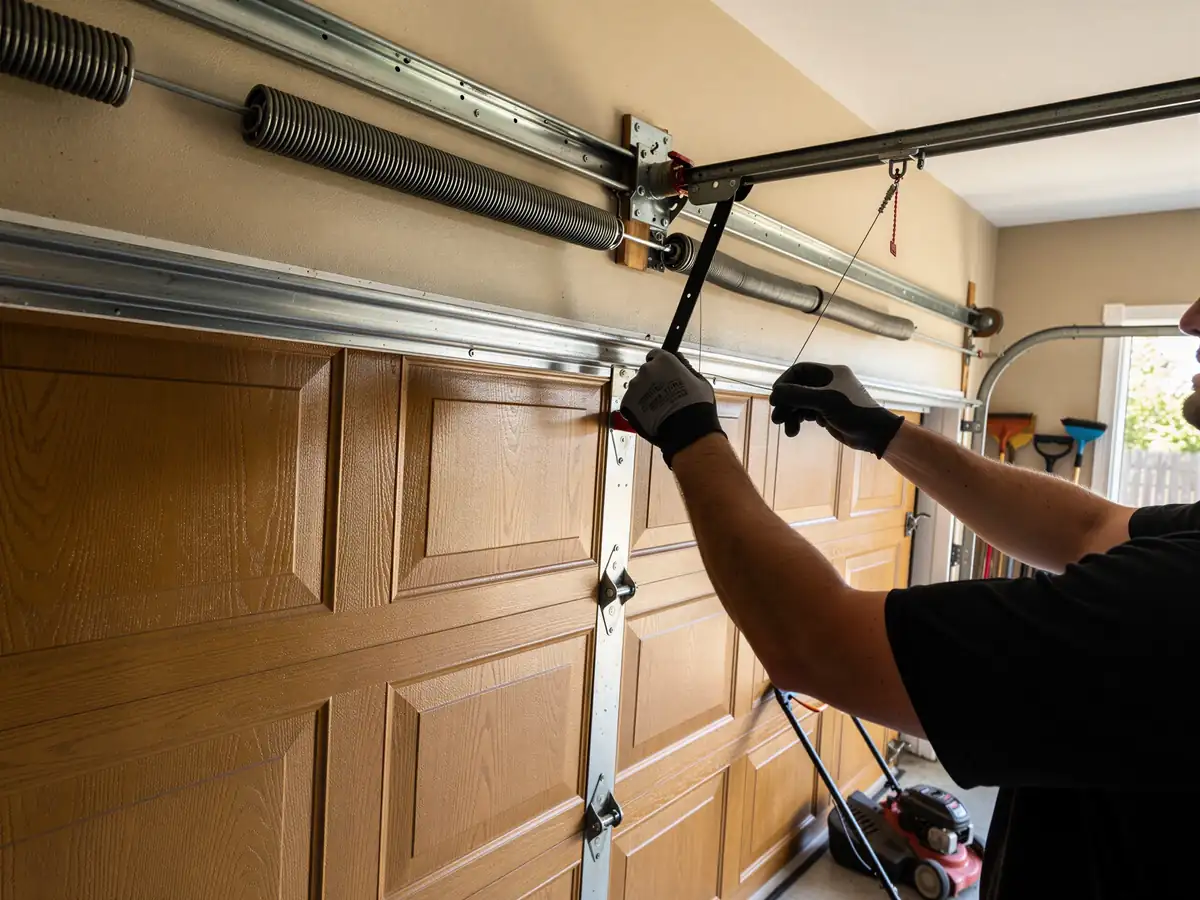
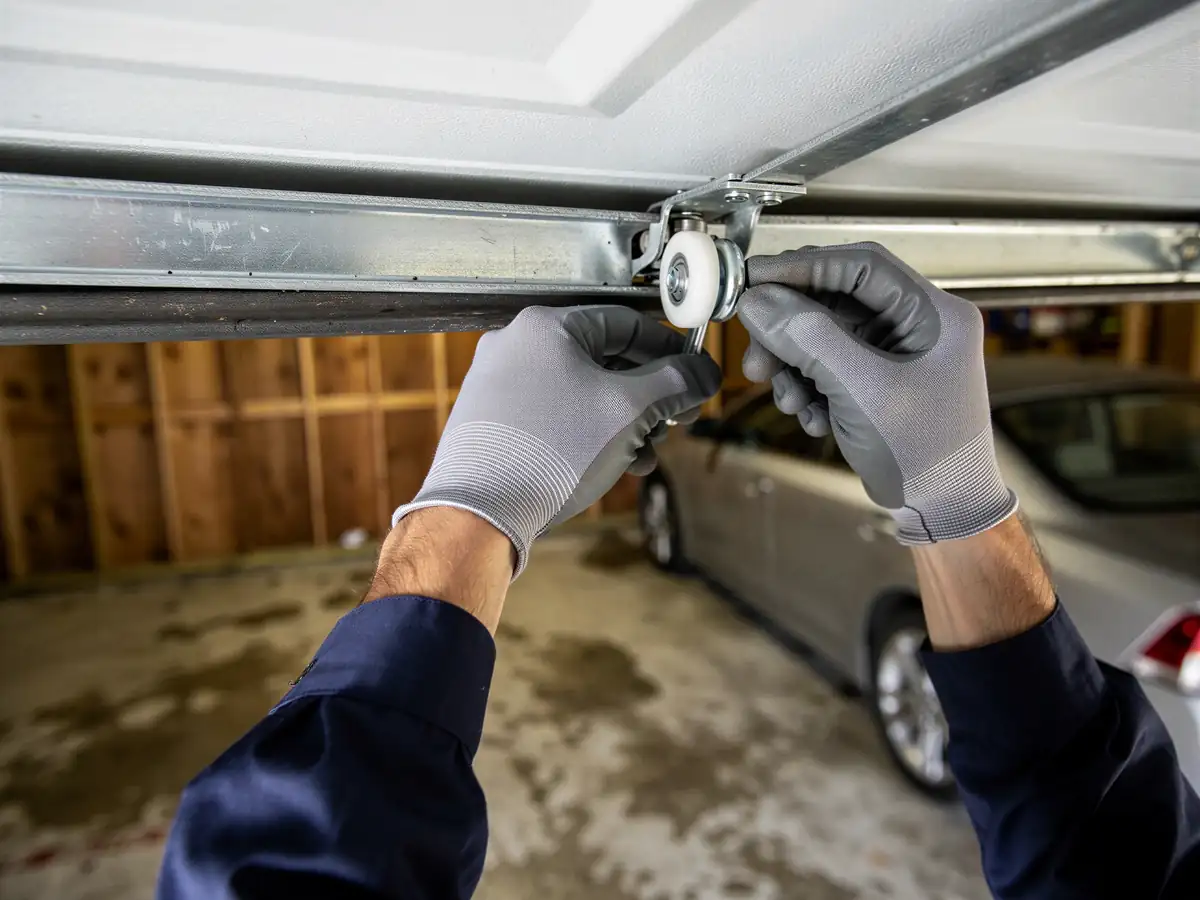
The job starts with running the door by hand, track disconnected from the opener, to feel which rollers are binding versus which have simply reached the end of their life. On a 2000s-era door we're usually pulling nylon rollers with sealed ball bearings, not the open steel wheels you'd fight on an older build. Each bracket comes off the track edge, the old roller slides out of the hinge or end bracket, and the new one goes in dry - no grease packed into a sealed bearing, just a light track lubricant rated for cold once everything's remounted. We check track alignment at the same time, because a roller that's been grinding against a slightly bowed track for a year can wear unevenly even if the part itself was fine to start. On a double door that's usually ten to twelve rollers total; on a single, six to eight. We don't replace rollers that aren't worn just because we're already in there - if five of eight are fine, five stay.
What Can Go Wrong
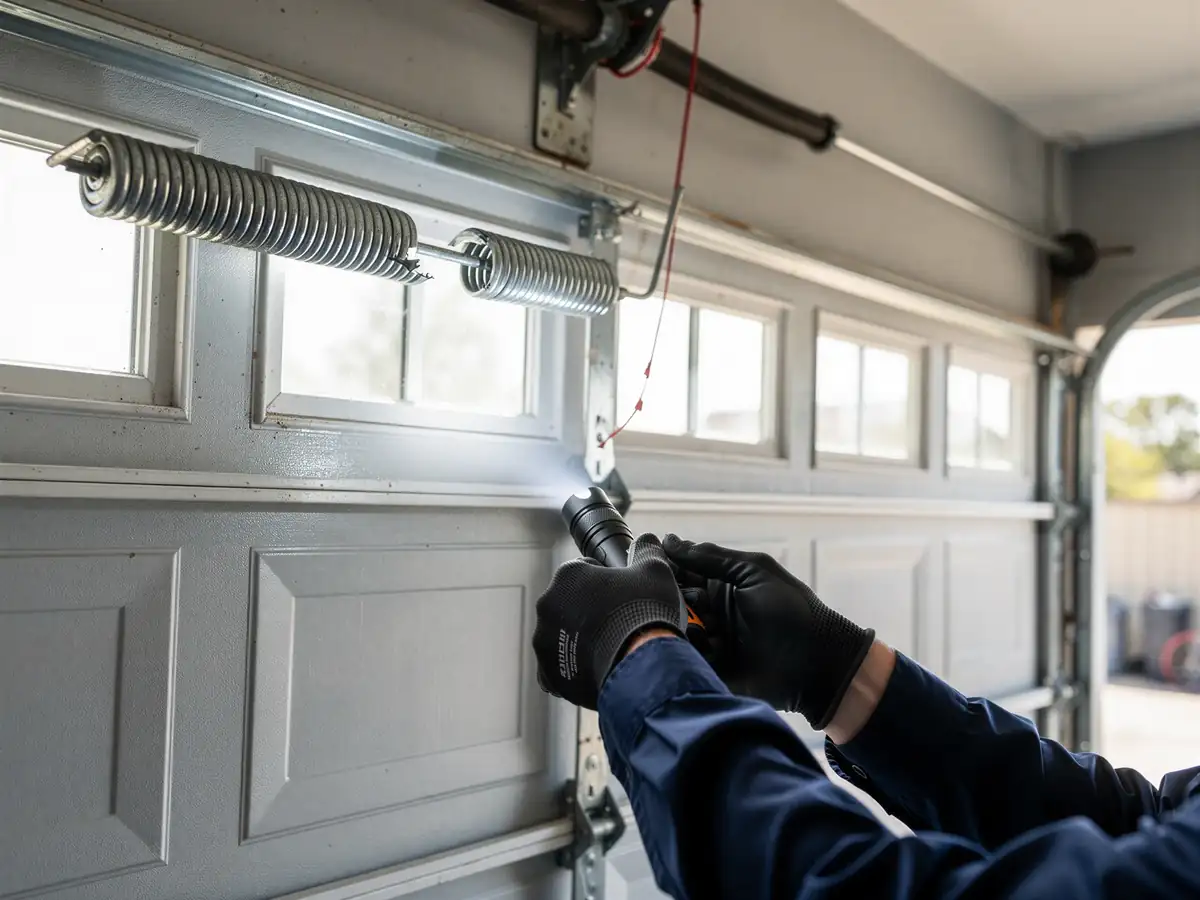
The roller itself is rarely the whole story. If the track has pulled away from the wall or bowed at a hinge point, swapping rollers buys you a few quiet months before the new ones start grinding against the same bad track and wearing the same way the old ones did. We check for that before we close out a roller job, not after a callback. Cold is the other factor worth naming directly: in a severe winter climate band, grease that's too heavy for the temperature thickens in the track and makes the opener strain against resistance that has nothing to do with the rollers at all. That reads like a roller problem on the phone and isn't one. The honest limitation here is that if the track is bent badly enough, roller replacement won't fix the noise or the binding - at that point you're looking at a track job, and we'll say so instead of selling rollers that won't solve it.
Doing It Yourself
Swapping a roller or two on a door that's otherwise moving fine is within reach for most homeowners with the door disconnected from the opener and the spring tension respected - you're not touching the spring for this job, just the roller brackets along the track edge. Where people get hurt is the top roller nearest the spring side, where a hand that slips can end up pinched between roller and track under load. If you're doing it yourself, do the bottom rollers first to get a feel for the bracket release before you work up toward the ones closer to the header. If more than half the rollers on one door are failing at once, that's less a DIY afternoon and more a sign the whole set is at end of life together - worth replacing as a set rather than one at a time.