Why It Happens Here
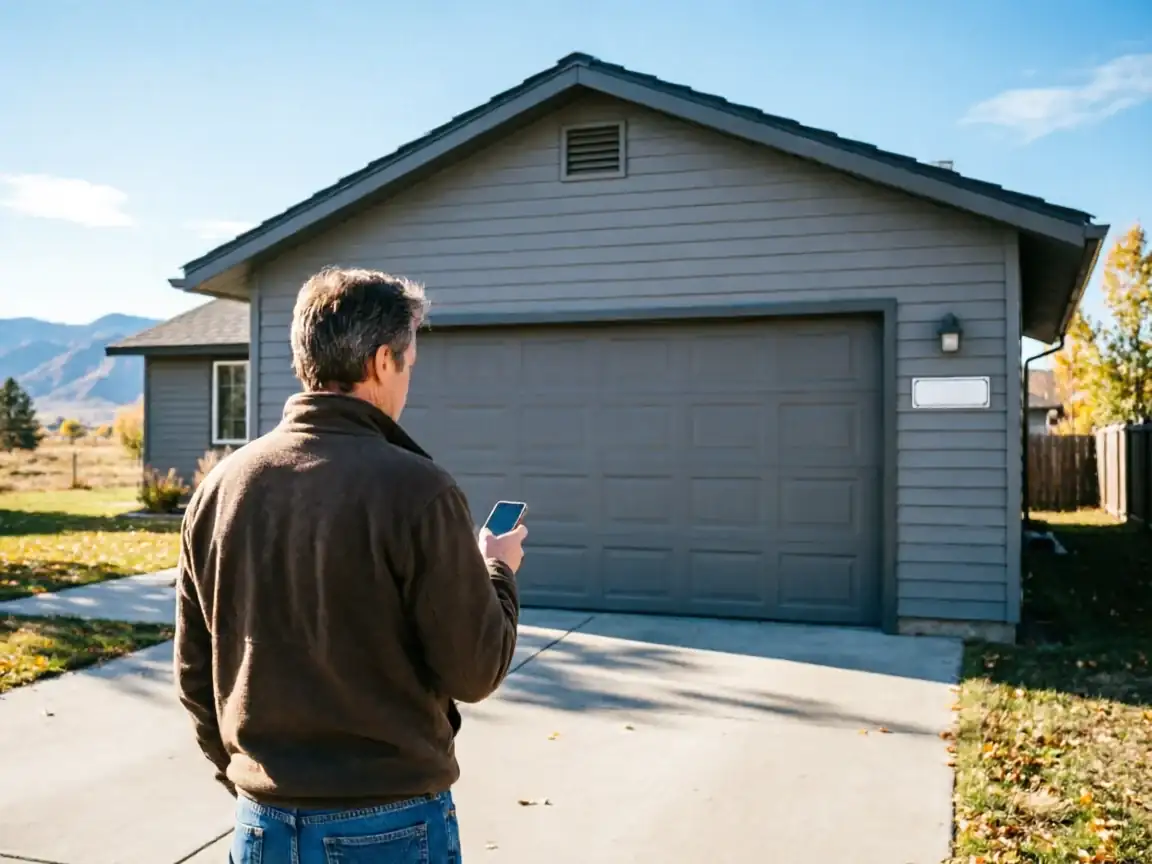
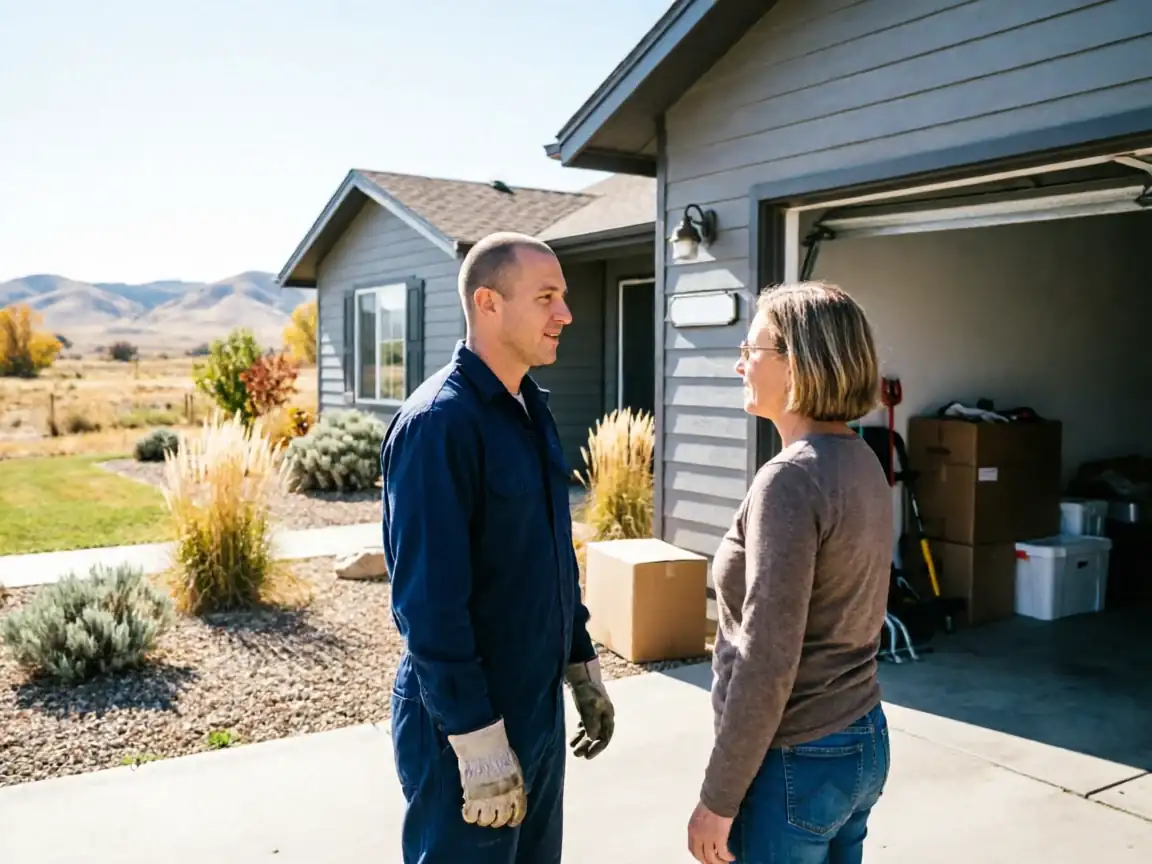
Belgrade sits about 9 miles from our shop in Bozeman, which is close enough that a cable call here doesn't get bumped to the end of the day, but it does mean the truck is coming from Bozeman rather than sitting three streets over. That matters for how you book the call, not for whether we can make it - we just plan the stop into the route instead of treating it as a special trip.
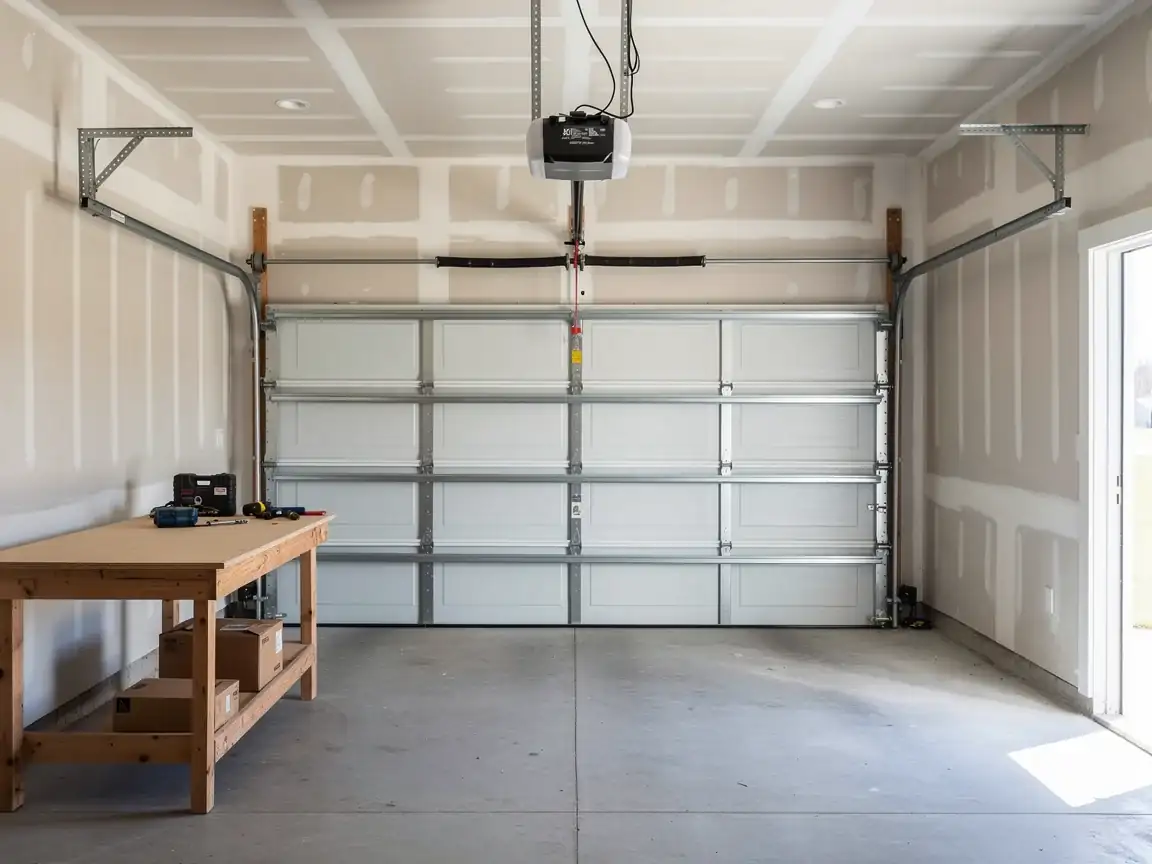
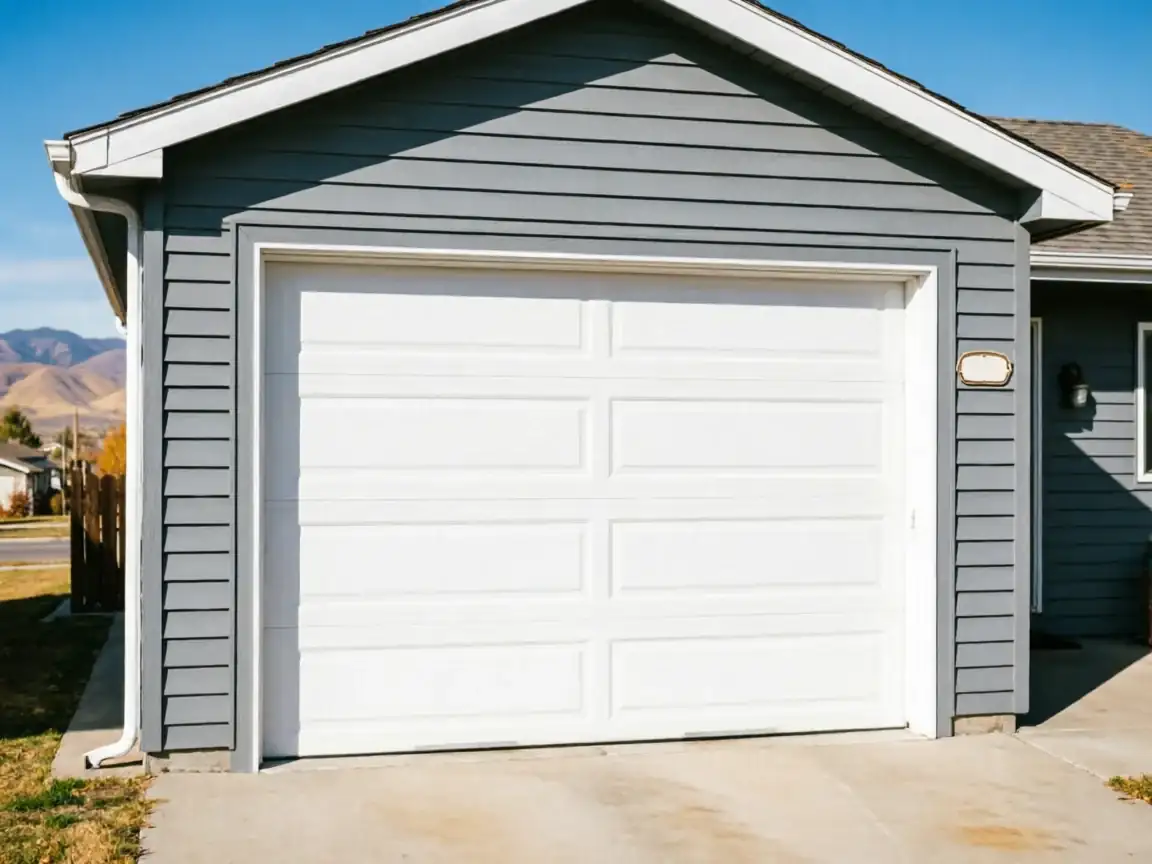
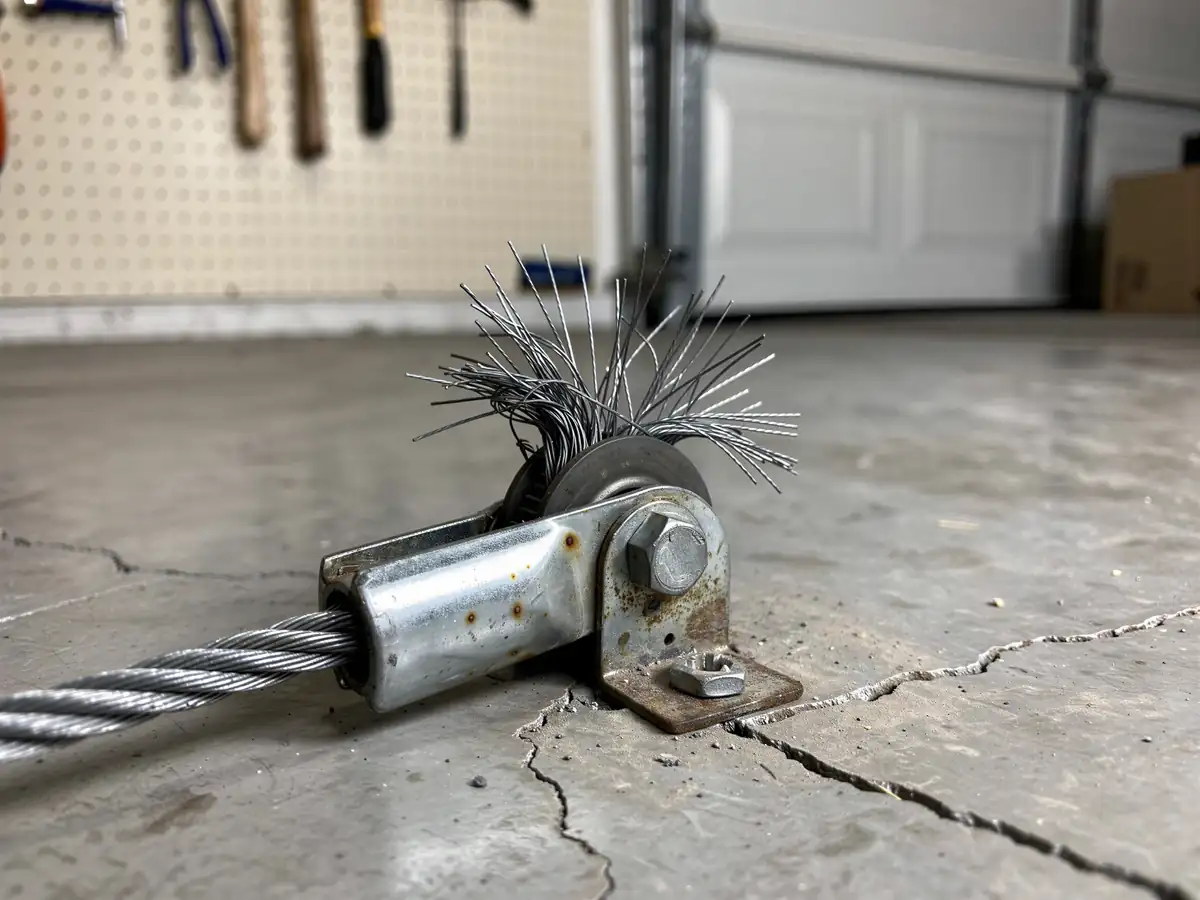
What actually breaks is a function of what's on the house. Most homes in Belgrade went up around 2000, which puts the bulk of this town's garage doors a couple decades into their working life - old enough for the lifting cables to be fraying at the drum, young enough that you're dealing with aircraft-cable extension or torsion setups rather than the heavier plow-steel cable you'd find on an older build. Add in winters that sit in the severe-cold band for this region, and the metal gets flexed through repeated freeze-thaw cycling that speeds up fatigue at the point where the cable wraps the drum - that's where you'll see the strands start to separate first.
What the Fix Involves
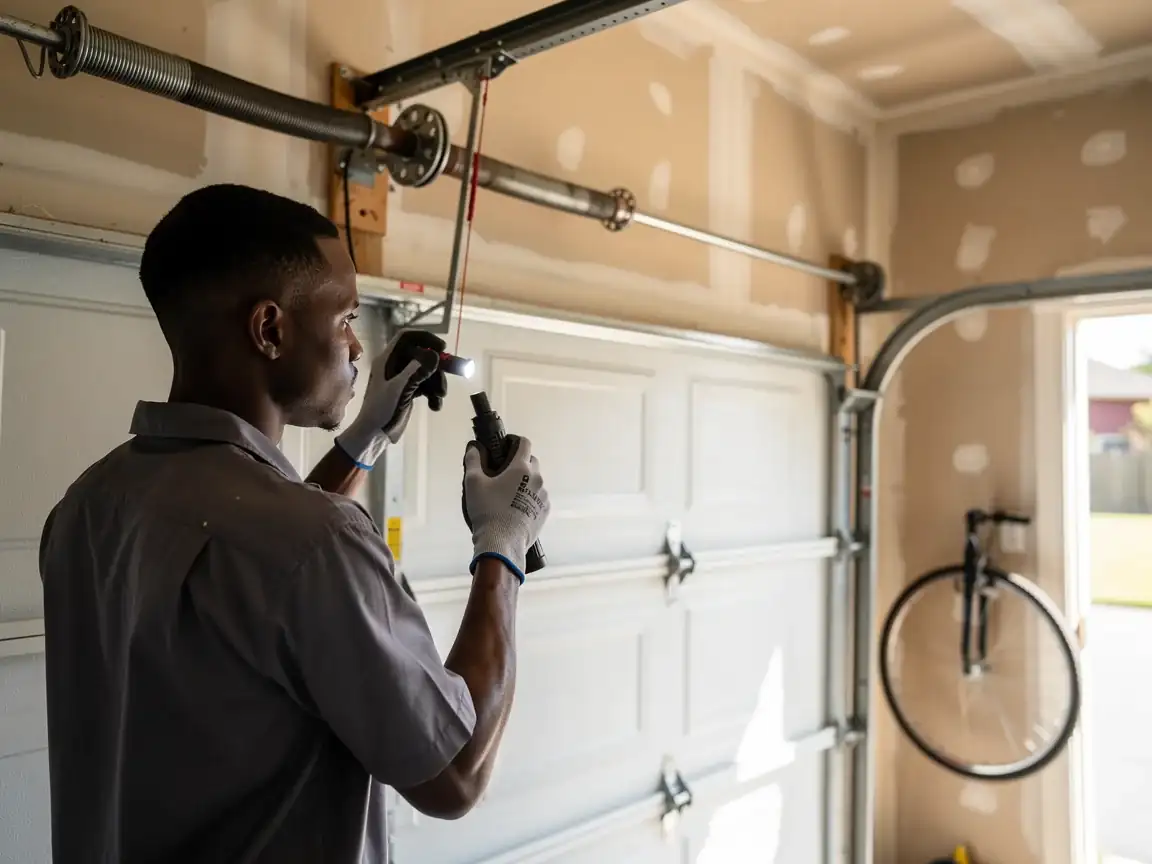
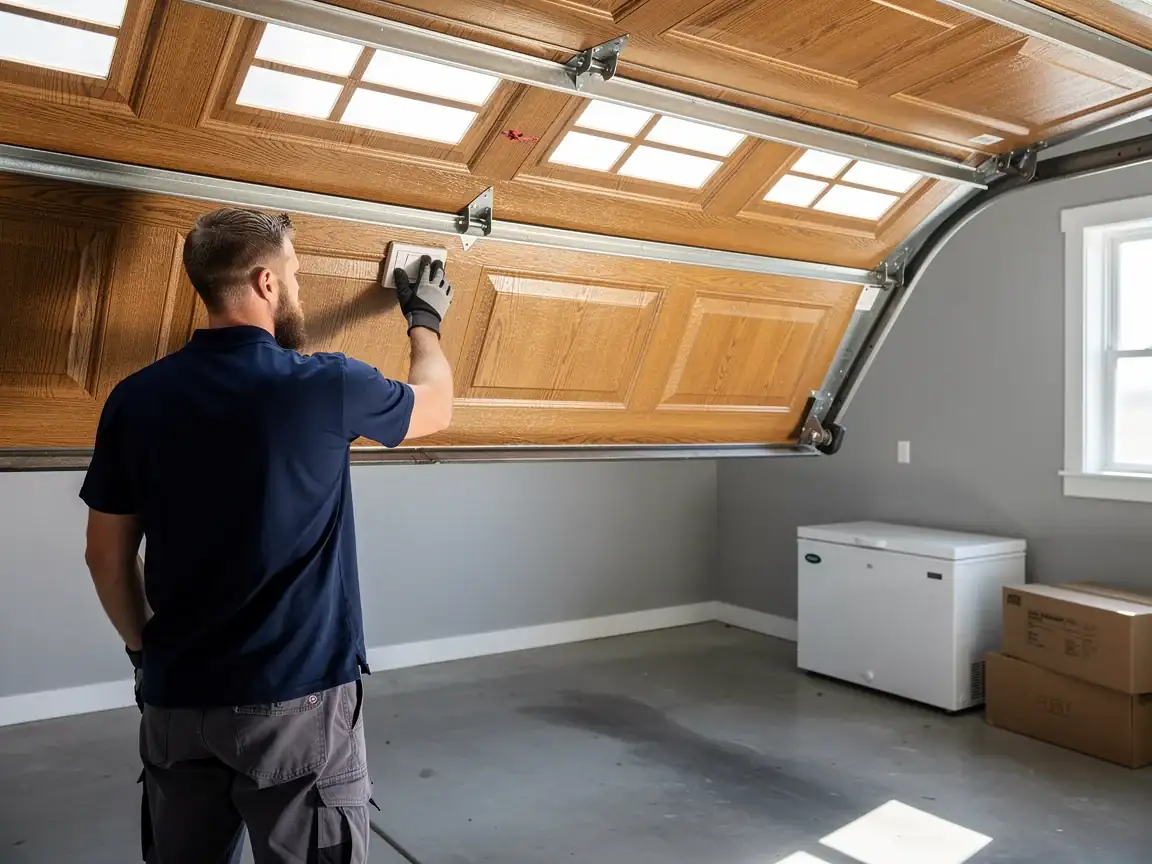
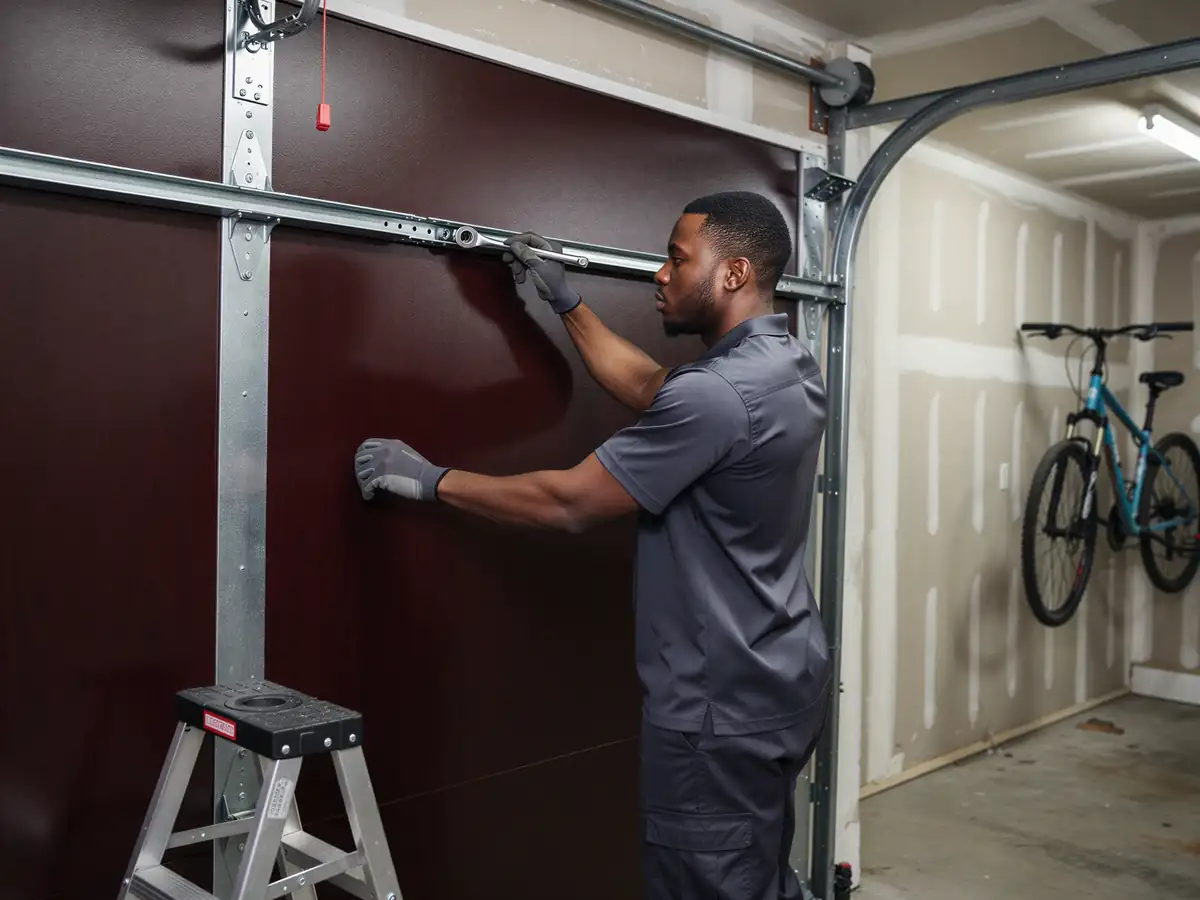
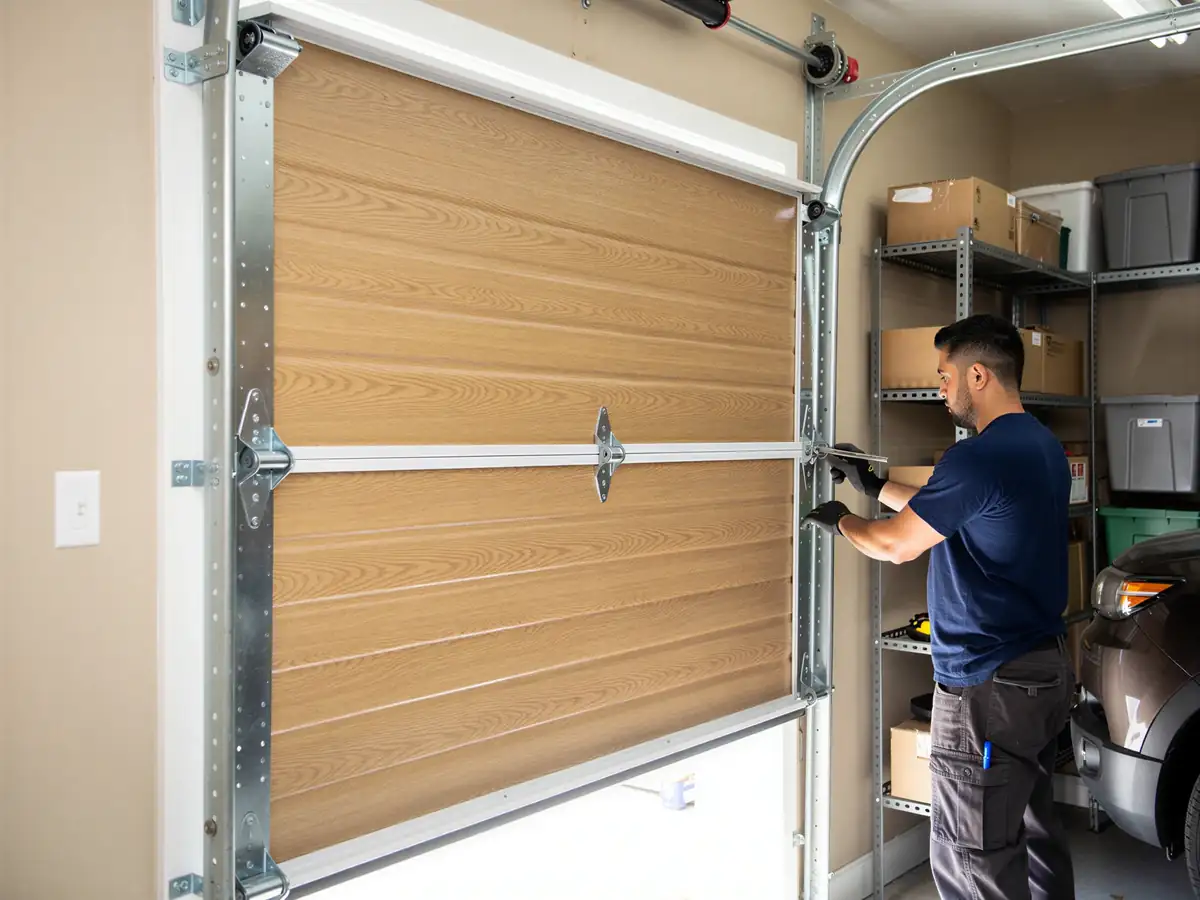
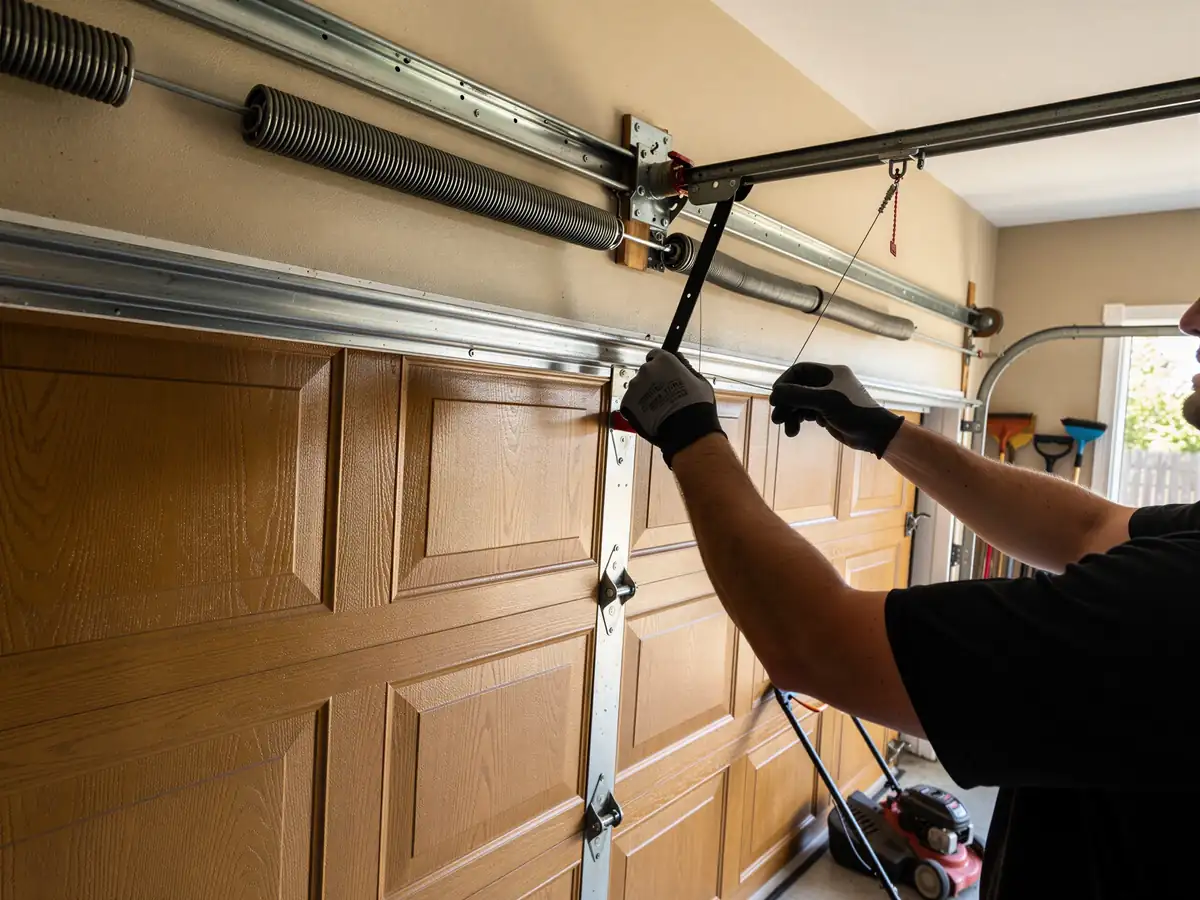
We pull the door, release spring tension safely, and replace both cables as a pair even if only one has failed - a cable that frayed a season ahead of its mate usually means the other one isn't far behind. On torsion systems we check the drums for grooving where the old cable wore a channel; a scored drum gets replaced along with the cable, not reused.
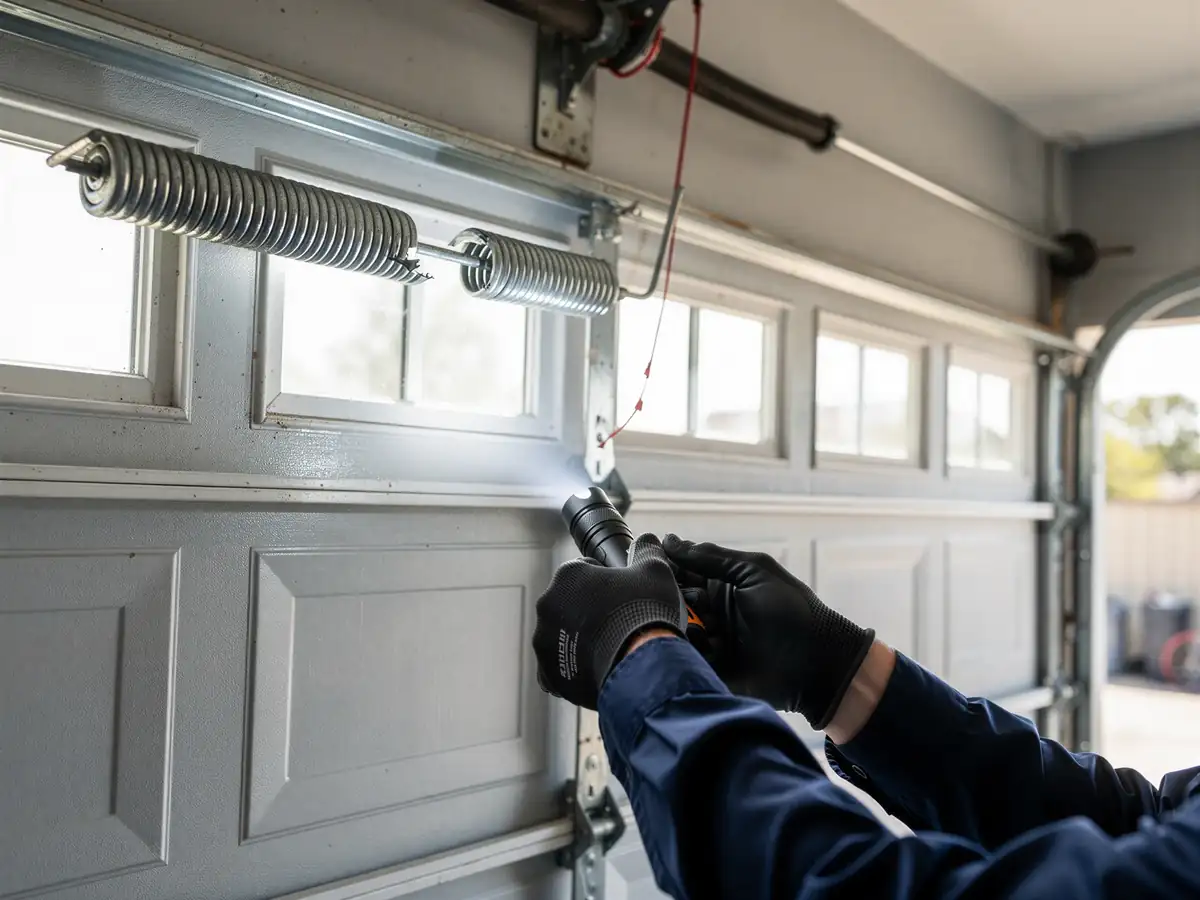
For extension-spring setups, common on a fair number of the 2000-era builds around Belgrade, we also check the safety cables running through the spring itself - those get skipped by a lot of quick jobs and they're the part that keeps a broken spring from becoming a projectile. We reset track alignment and run the door through a full cycle before we call it done, checking that the drums are seated evenly so the door doesn't rack to one side under load.
Stocked Parts
We carry galvanized lift cable in the standard gauges used on both torsion and extension systems from this era of construction
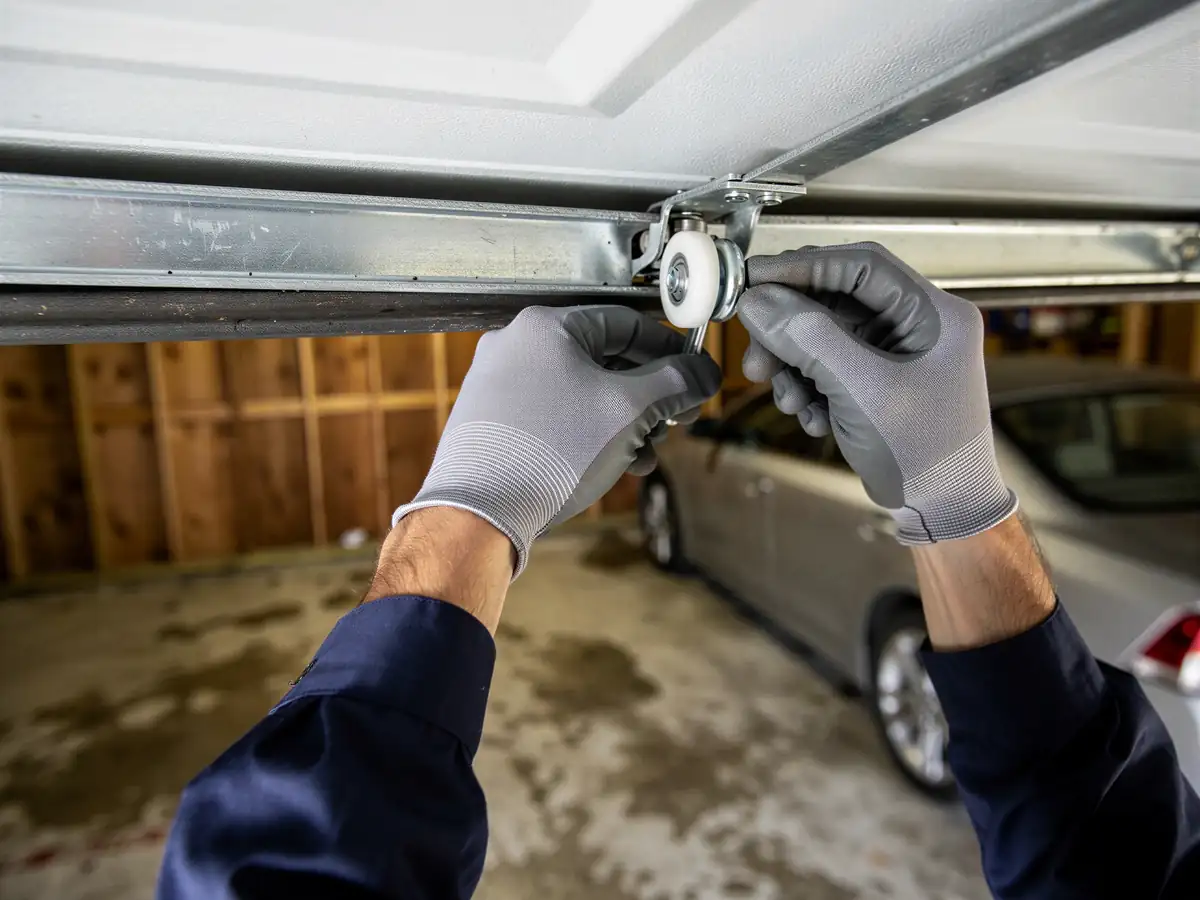
Plus matched drums and the pulley hardware extension setups need. These sizes cover the great majority of garage doors built across the 1980-2008 window that makes up most of this service area's housing stock, which includes Belgrade's own newer end of that range.
What we don't stock on the truck is anything custom
Oversized commercial doors, older low-headroom torsion conversions, or cable sized for a door that's been modified from its original setup. Those get ordered, and depending on the part, that can mean a short wait rather than a same-visit fix. We'll tell you up front if your job falls into that category instead of promising a part we don't have in hand.
What Can Go Wrong
A broken cable on one side of a door means the other side is now carrying the whole weight by itself, and the door can drop hard and sit crooked in the track - that's the point where people usually call. Left alone, the uneven load stresses the opposite cable and the drum, turning a one-side repair into a two-side one.
The bigger risk is a torsion spring that's still wound tight when a cable lets go. The spring doesn't know the cable broke; it's still under full tension, and that tension has to go somewhere once the cable stops controlling the drum. That's the scenario that bends tracks and panels. If the drum is already gouged or the track has been pulled out of square from a door that's been running broken for a while, cable replacement alone won't fix it - at that point we're talking about track and hardware work too, and we'll say so rather than quote a cable-only job that won't actually close the door straight.
Doing It Yourself
Garage door cables run under spring tension even when the door looks still, and releasing that tension without the right bars and clamps is how people lose fingers or get hit by a drum that spins loose. This isn't a job we'd talk a homeowner through over the phone, and we wouldn't do our own first cable job without someone who'd done it before standing next to us.
If you want to do something yourself, it's the easy stuff: pull the disconnect handle so the opener isn't fighting a jammed door, and leave the door down and the breaker off until someone can look at it. Don't try to lift it manually past where it's stuck, and don't cut a cable that's already frayed to see if the door will close - that's how a controlled fix turns into an uncontrolled drop.