What You Are Seeing
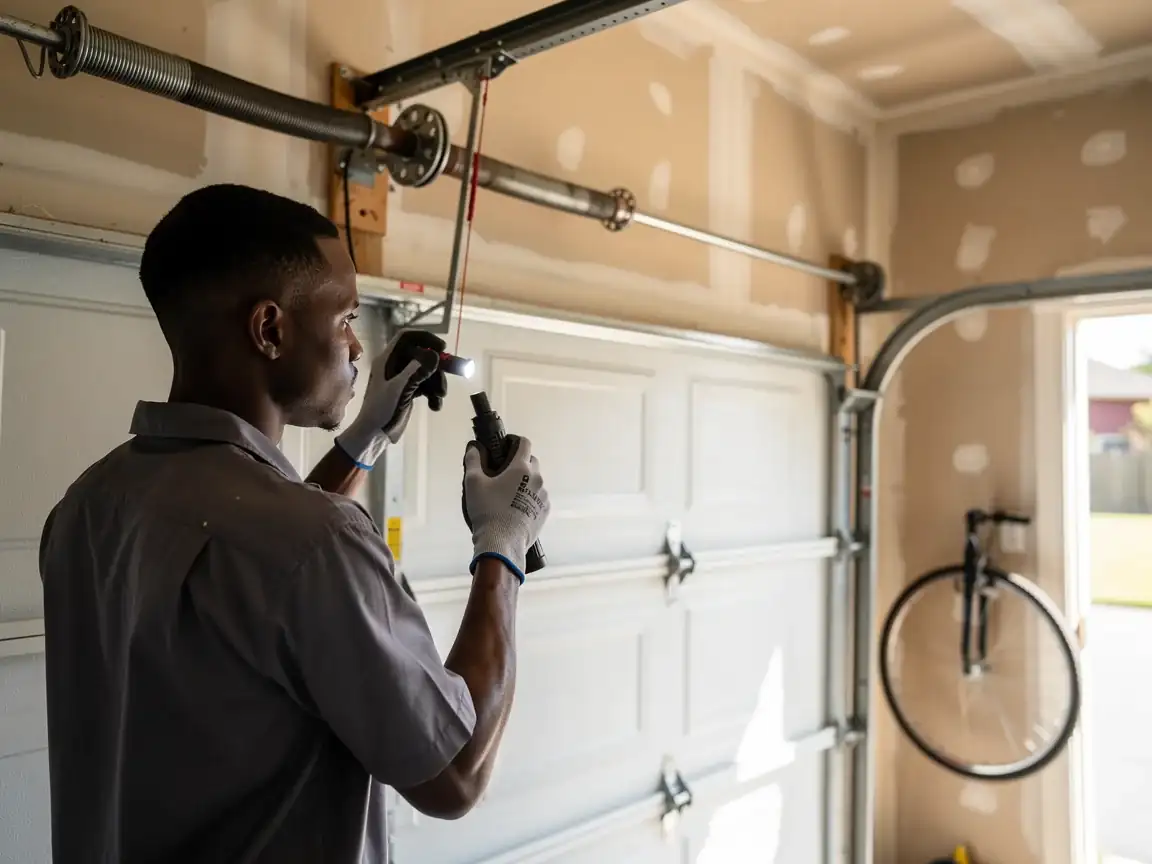
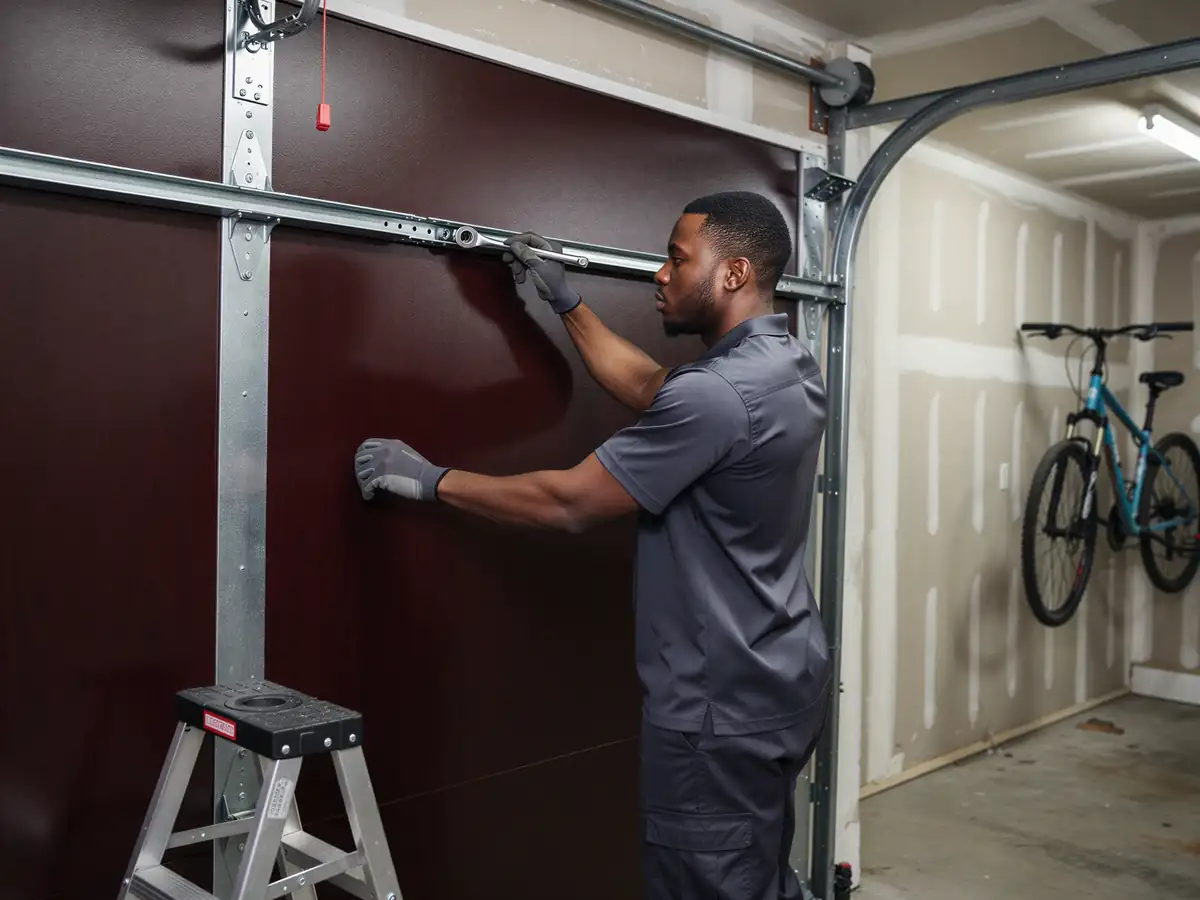
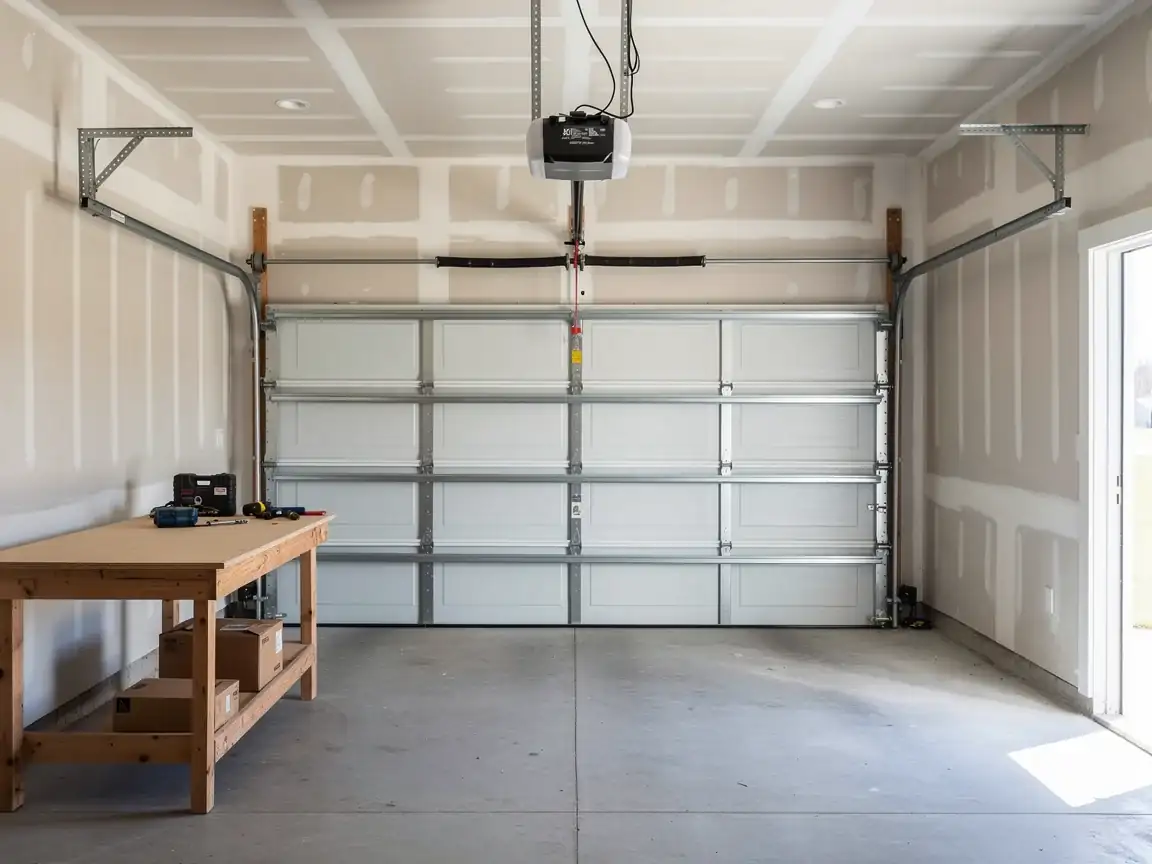
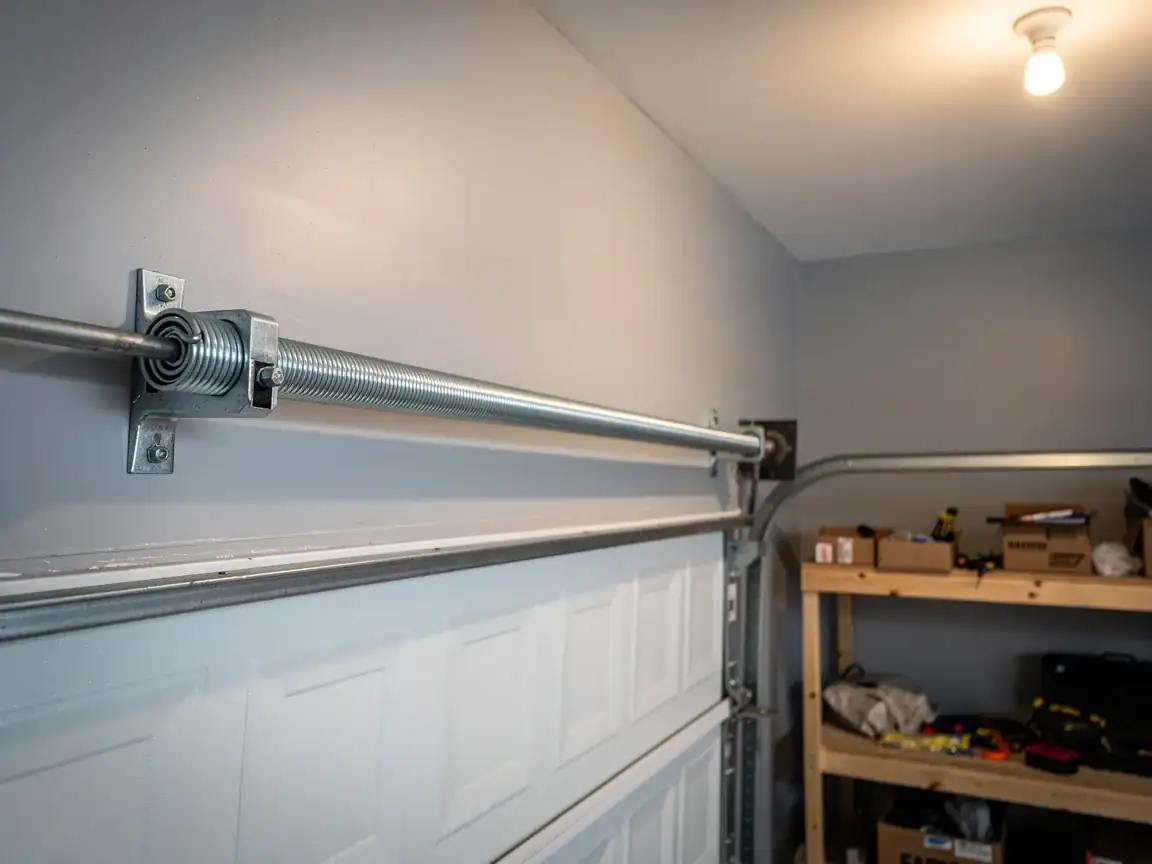
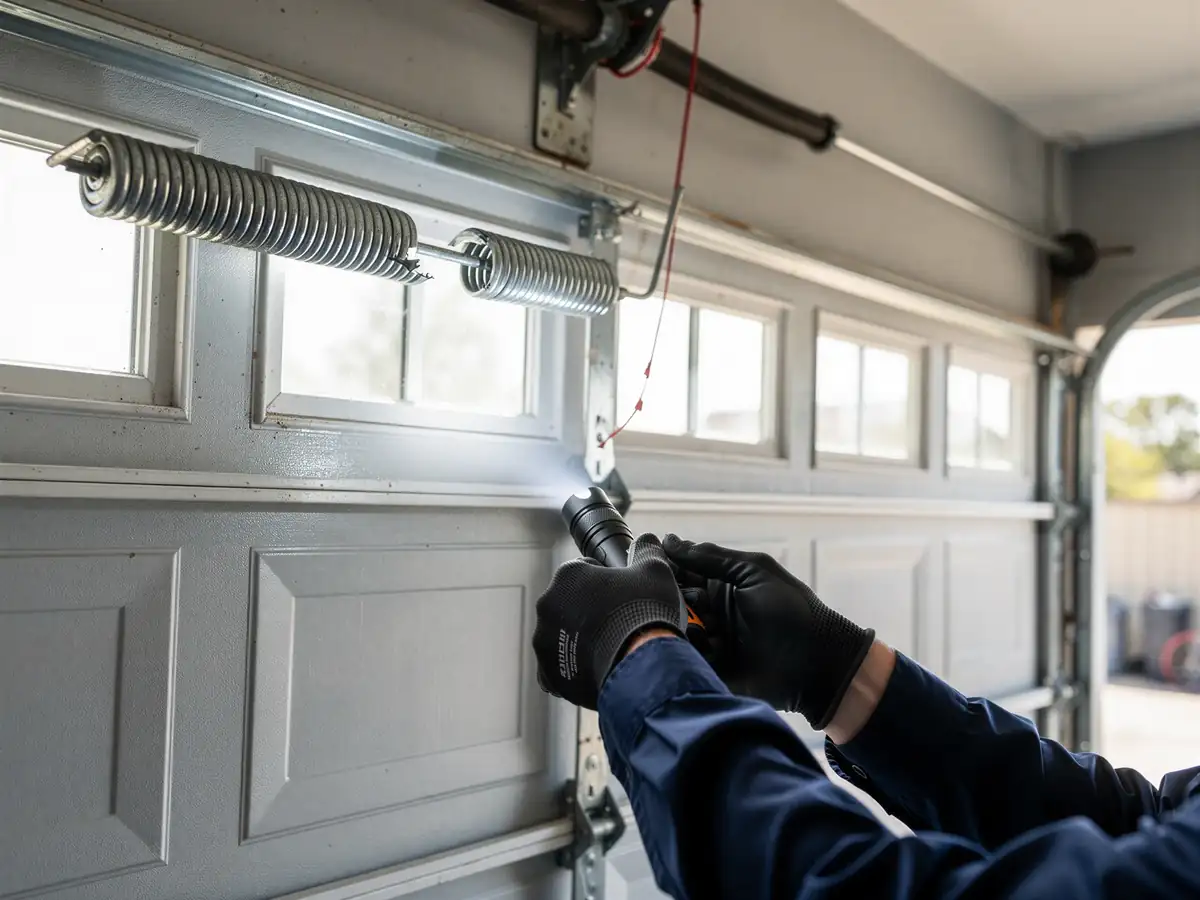
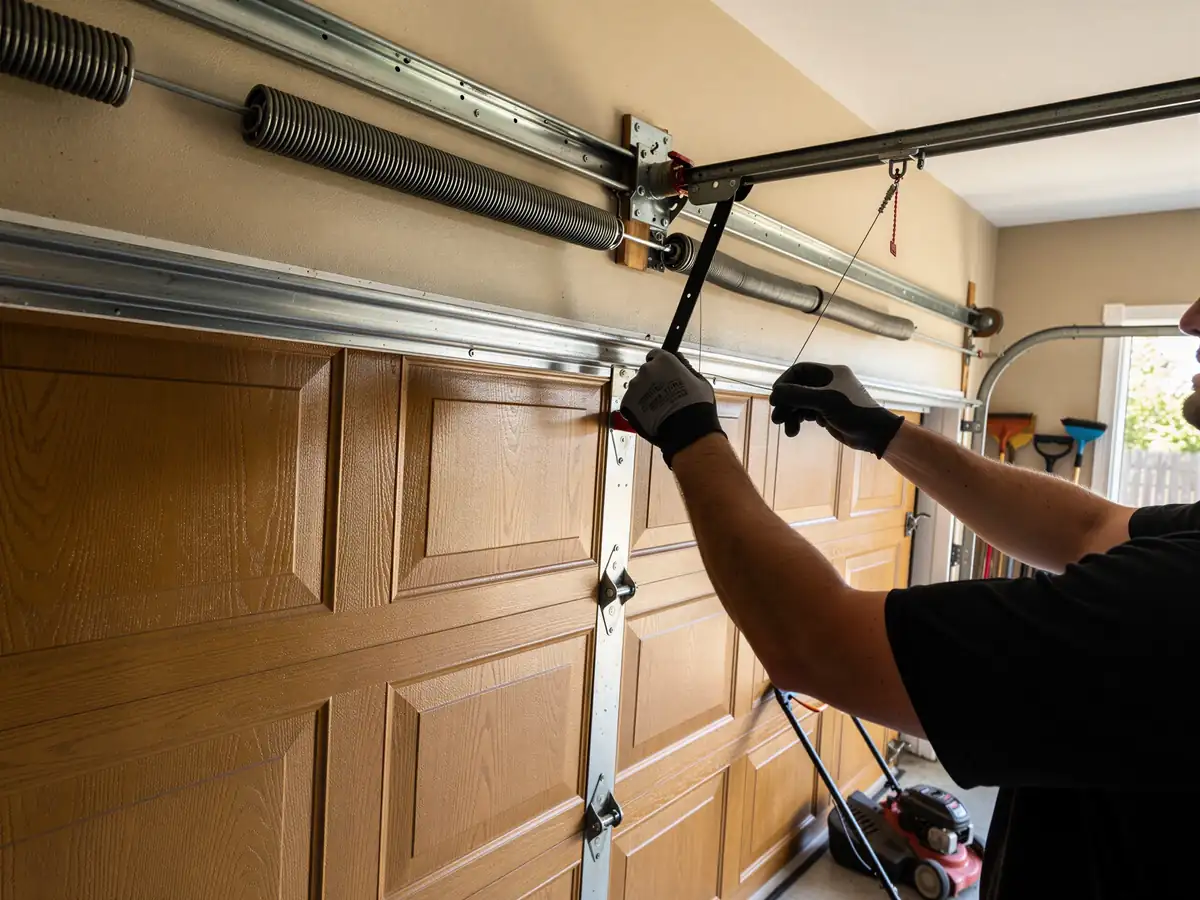
If the door won't lift, or it lifts a few inches and stalls, or it slams down fast when you pull the release cord, you're almost always looking at a broken or weakened spring, not a dead opener. Torsion springs sit on a shaft above the door and do the actual lifting work; the opener just pushes a door that's already balanced. When a torsion spring snaps, you'll often hear it - a bang loud enough to bring someone out of the house. Extension springs, the kind stretched along the horizontal tracks on either side, tend to fail quieter, sagging or going slack instead of popping.
A lot of Bozeman houses built in the 1980s and 90s still run factory-original spring setups, since the opener gets replaced more often than the spring system behind it. If your door feels heavy to lift by hand with the opener disconnected, that's the spring telling you it's losing tension before it fully breaks. Don't keep running the opener against a bad spring - it strains the drive gear and the opener usually loses that fight first.
Doing It Yourself
Torsion spring work is not a reasonable DIY repair. The spring is wound under several hundred pounds of tension, and the tools to wind and unwind it safely aren't something most homeowners own or have used before. We've seen enough injuries in this trade to say plainly: if it's a torsion spring, call someone.
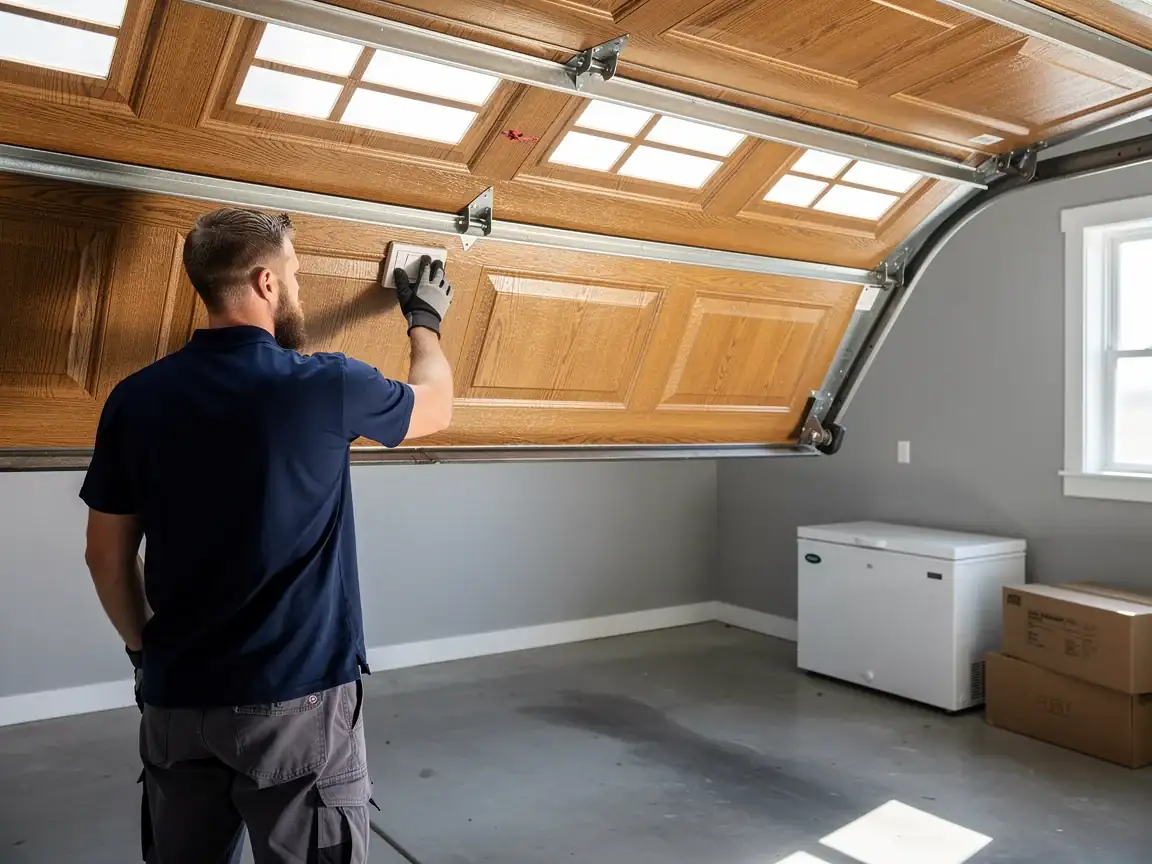
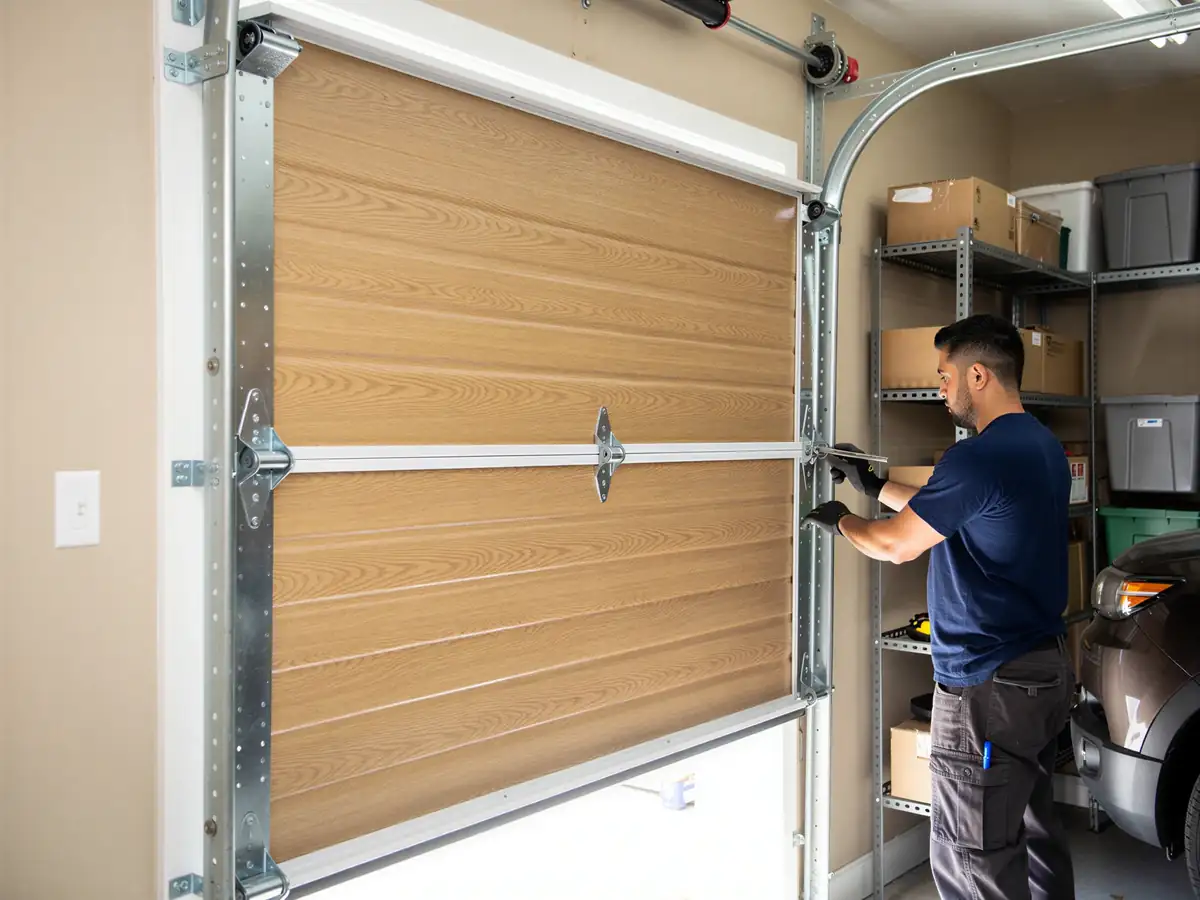
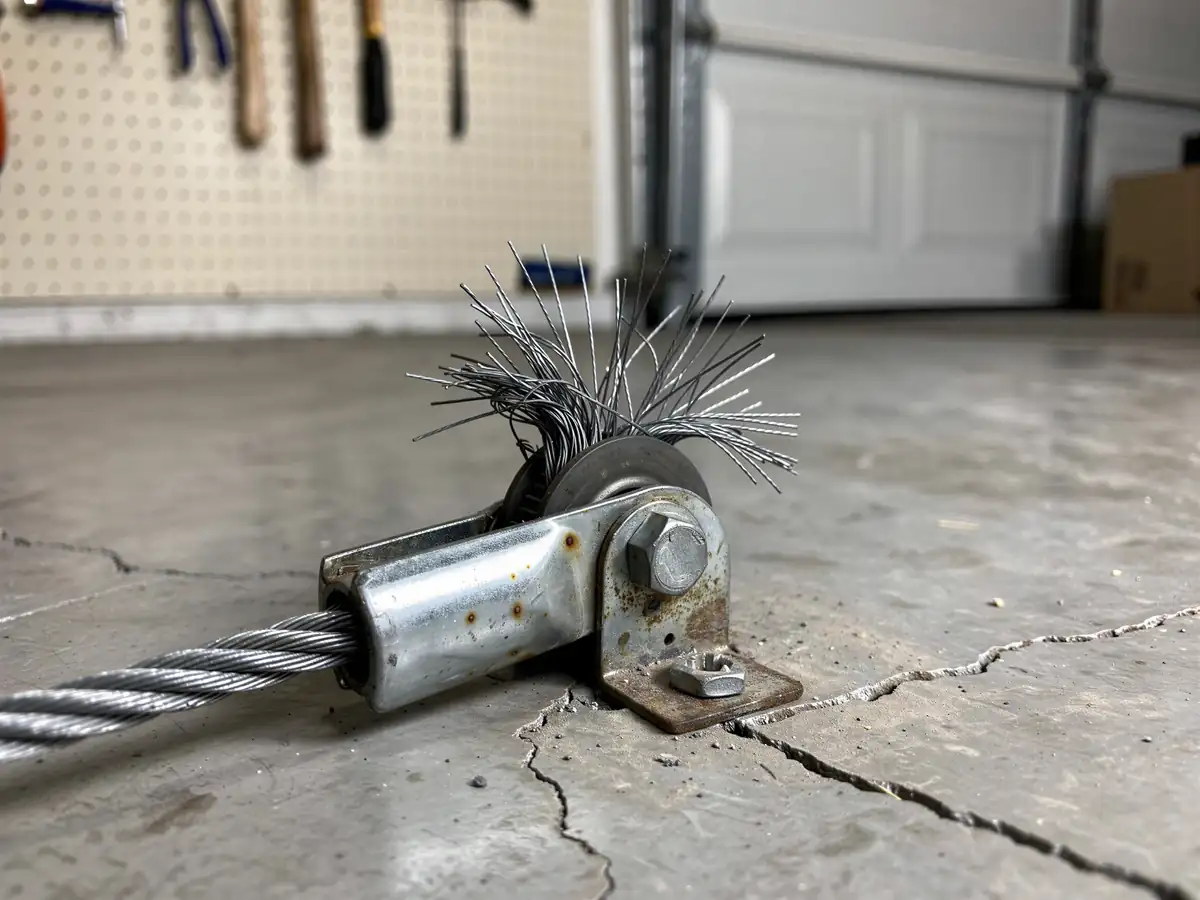
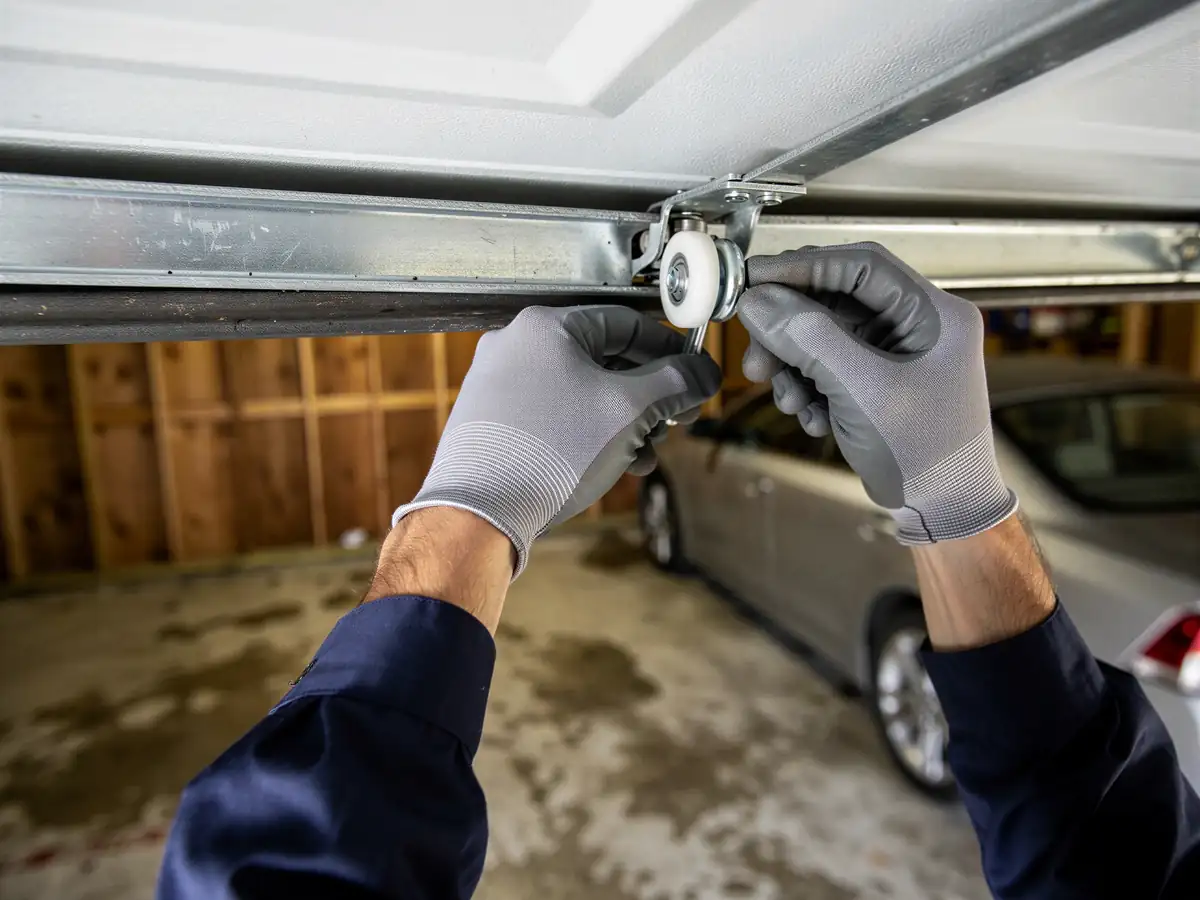
What you can safely check yourself: whether the cables on either side of the door look frayed or off-track, whether the bottom brackets are loose, and whether the door is binding on the tracks rather than failing at the spring at all. If the door moves freely by hand once disconnected from the opener and comes up without resistance, your problem might be the opener, not the spring - worth ruling out before you call. Extension spring replacement is slightly more forgiving than torsion work but still involves a door under load; we'd rather talk you through what you're looking at over the phone than have you find out the hard way.
Why It Happens Here
Most of the housing stock across the service area went up between 1980 and 2008
With a median build year around 1994, concentrated in four named areas of mostly 1980s and 90s construction. Springs in that era of garage door were sized for the door weight and the climate conditions builders expected at the time, and thirty-plus years of cold-severe winters have worn through a lot of that original steel.
Cold is the real driver of spring failure here
Steel loses flex as temperatures drop, and a spring that's already fatigued from years of cycling gets brittle faster in a hard winter. We see the failure rate climb every year once temperatures stay down for a stretch - the spring that was marginal in October doesn't make it through January. Houses from that 1980-2008 window are now old enough that the original spring, rated for a certain number of cycles, is reaching or past its expected life almost everywhere we go.
The Cost of This Job
We're not going to list a number here because spring jobs vary by door weight, whether it's one spring or a matched pair, and whether the cable or drums need replacing at the same time - a single snapped spring on a two-car door almost always means the second one isn't far behind, since they wear at close to the same rate. What we can tell you is that replacing both springs together, rather than just the broken one, is usually the better call: the second spring is carrying double load temporarily and tends to fail within a short window anyway, which means a second trip and a second bill if you wait.
We work across the wider area - Four Corners, Belgrade, Bridger, Manhattan - and door sizes and spring setups are fairly consistent given the similar build era across those communities. Call and describe what you're seeing - door size, one spring or two, torsion or extension - and we'll give you a straight answer on what the job involves before anyone drives out.