What We Are Called Out For
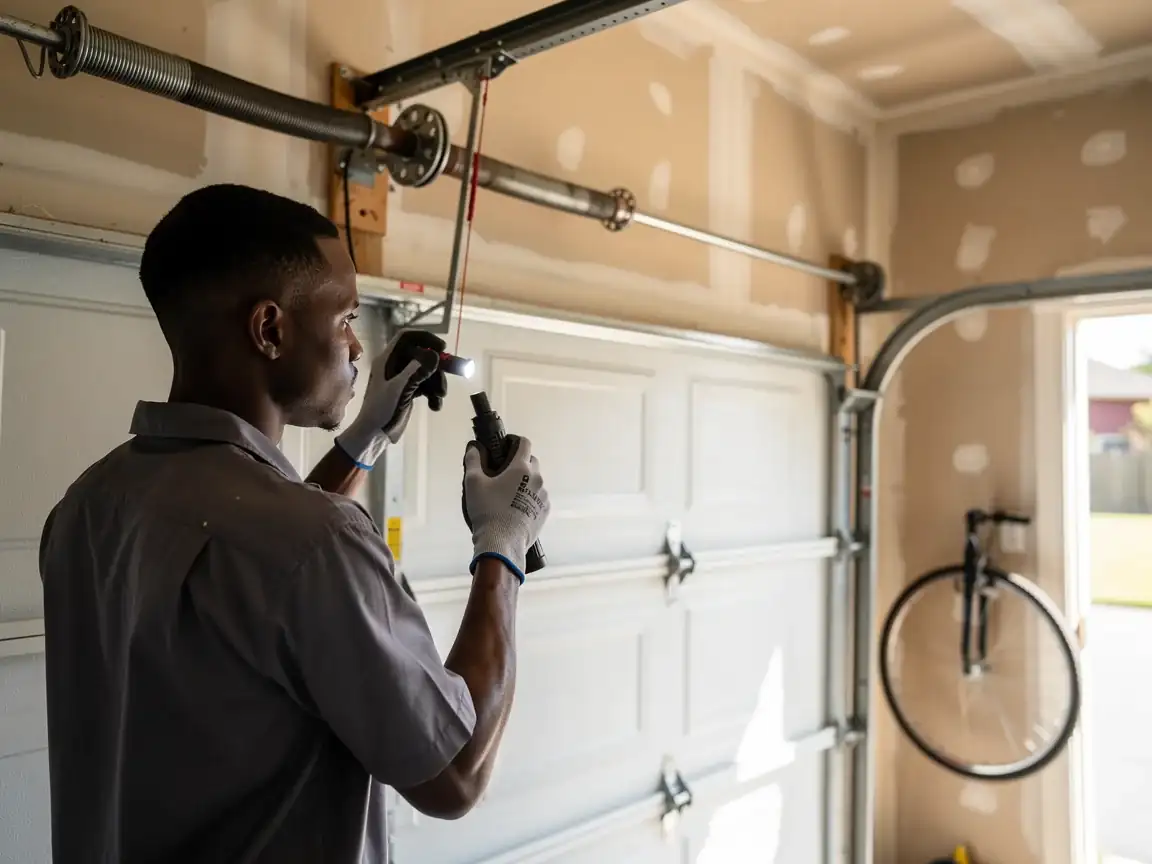
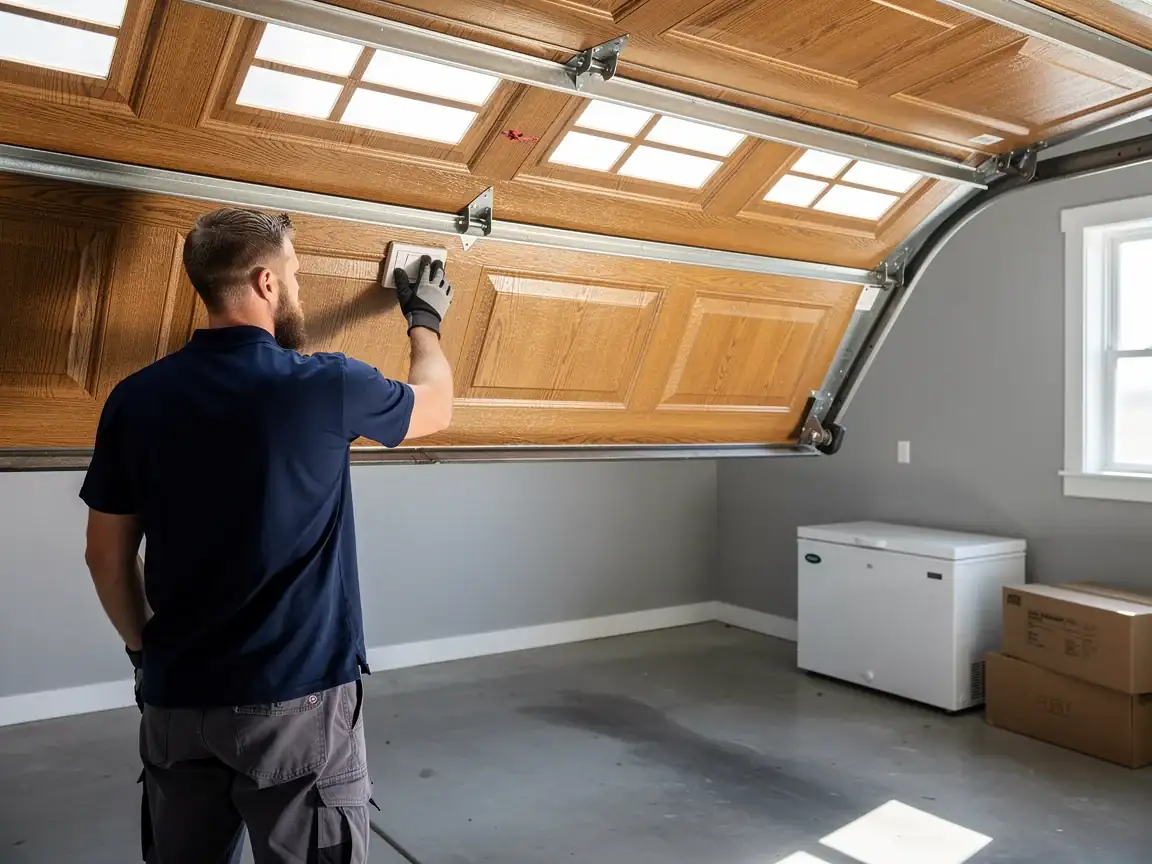
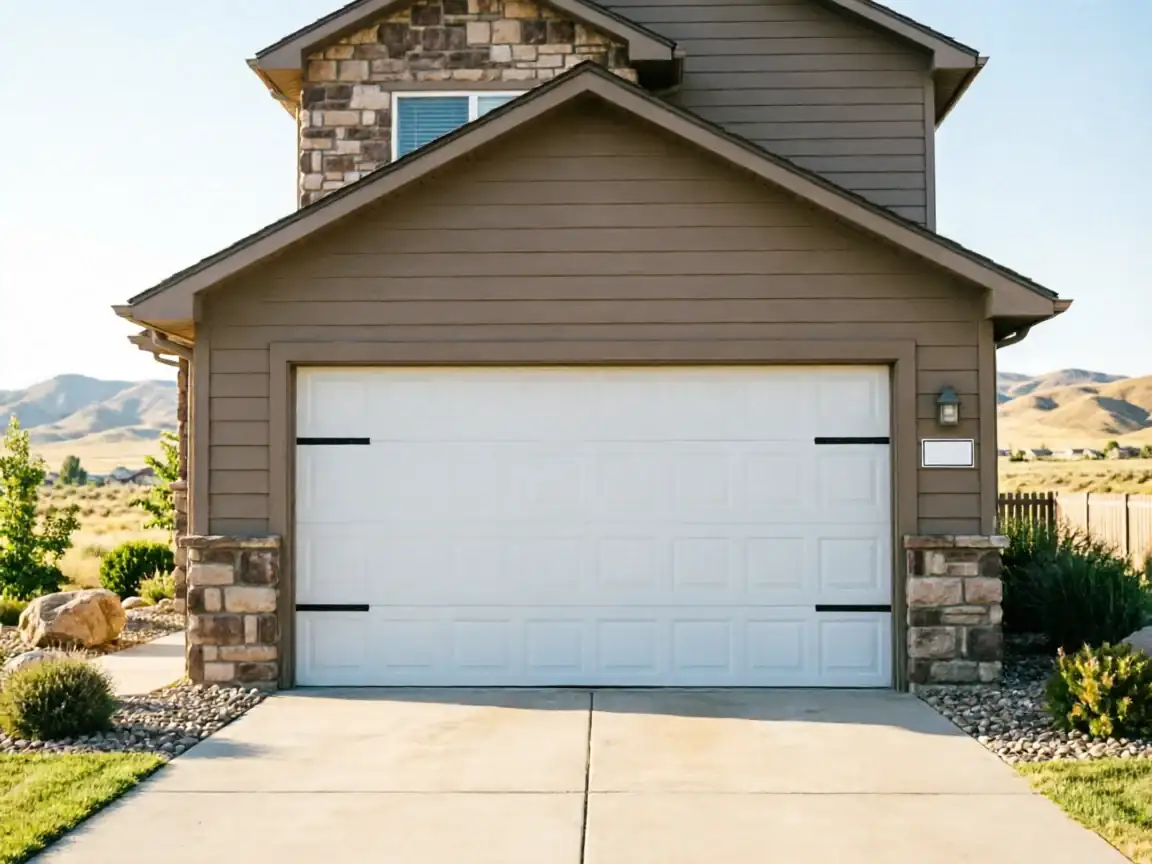
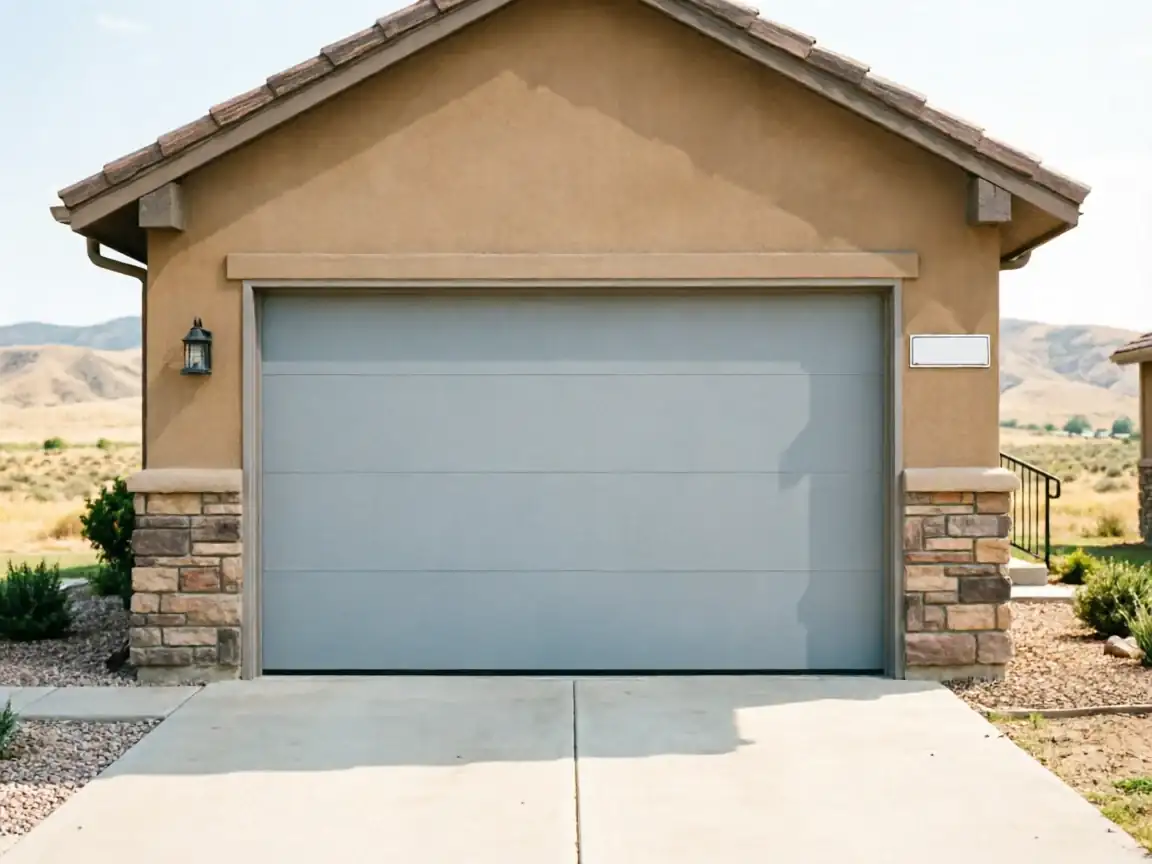
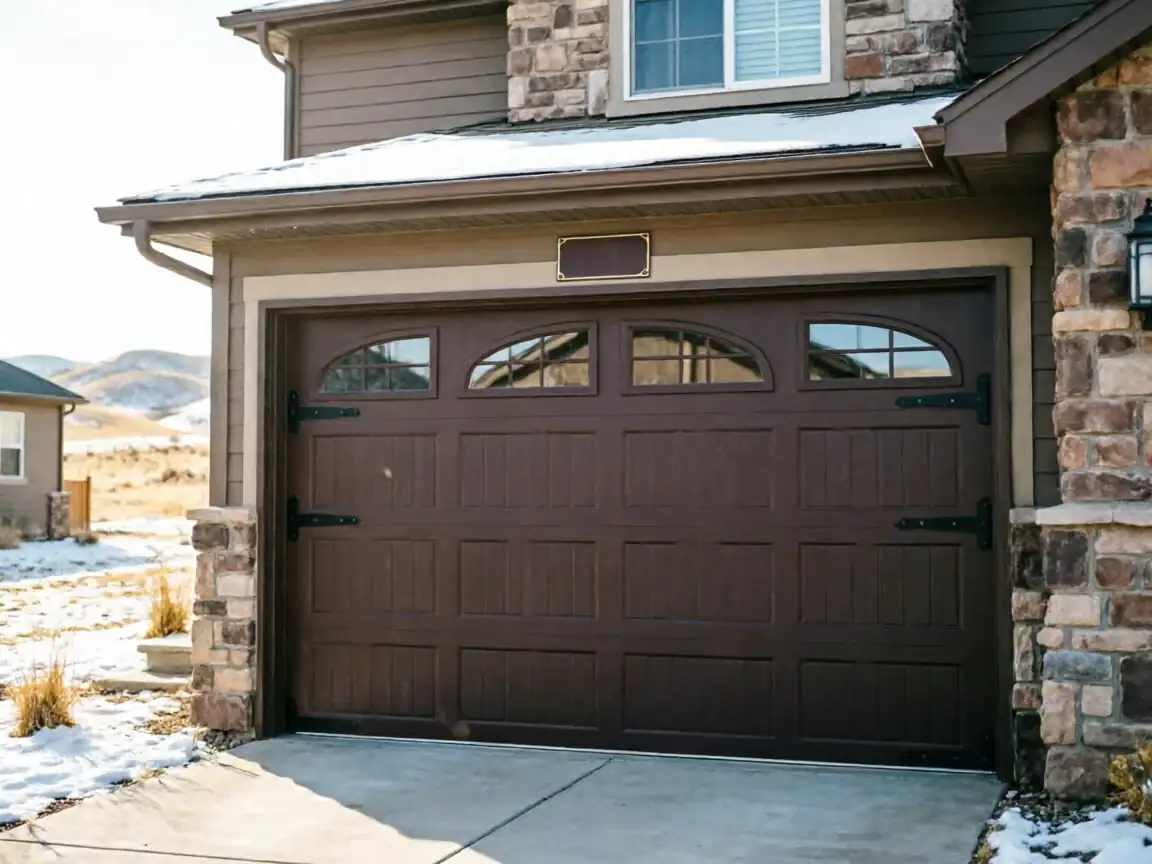
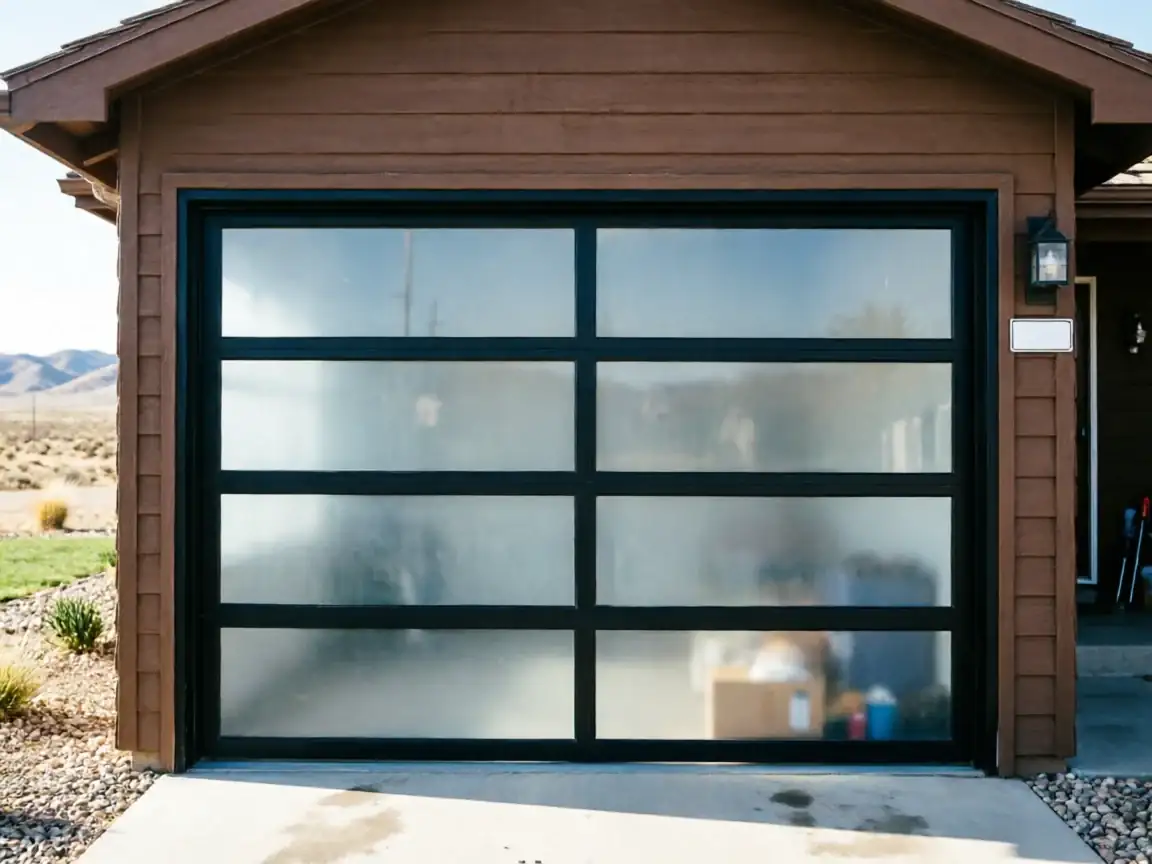
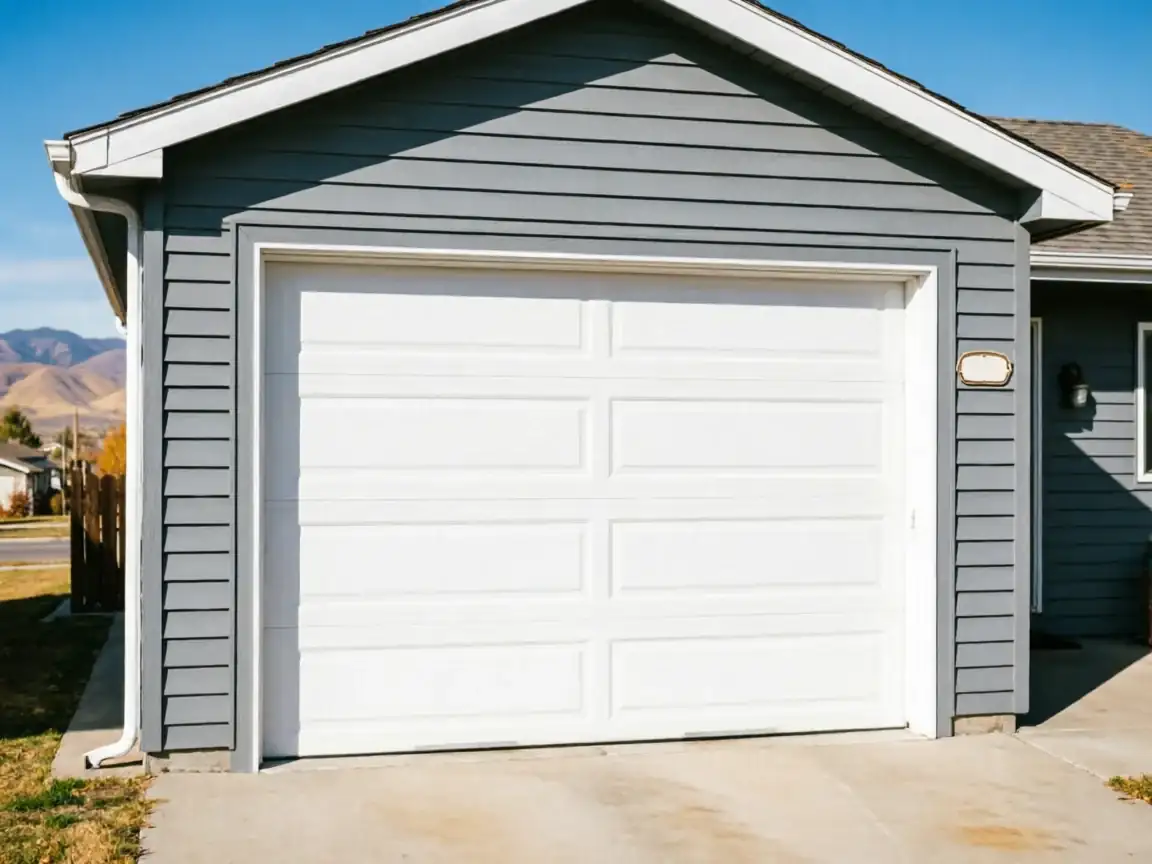
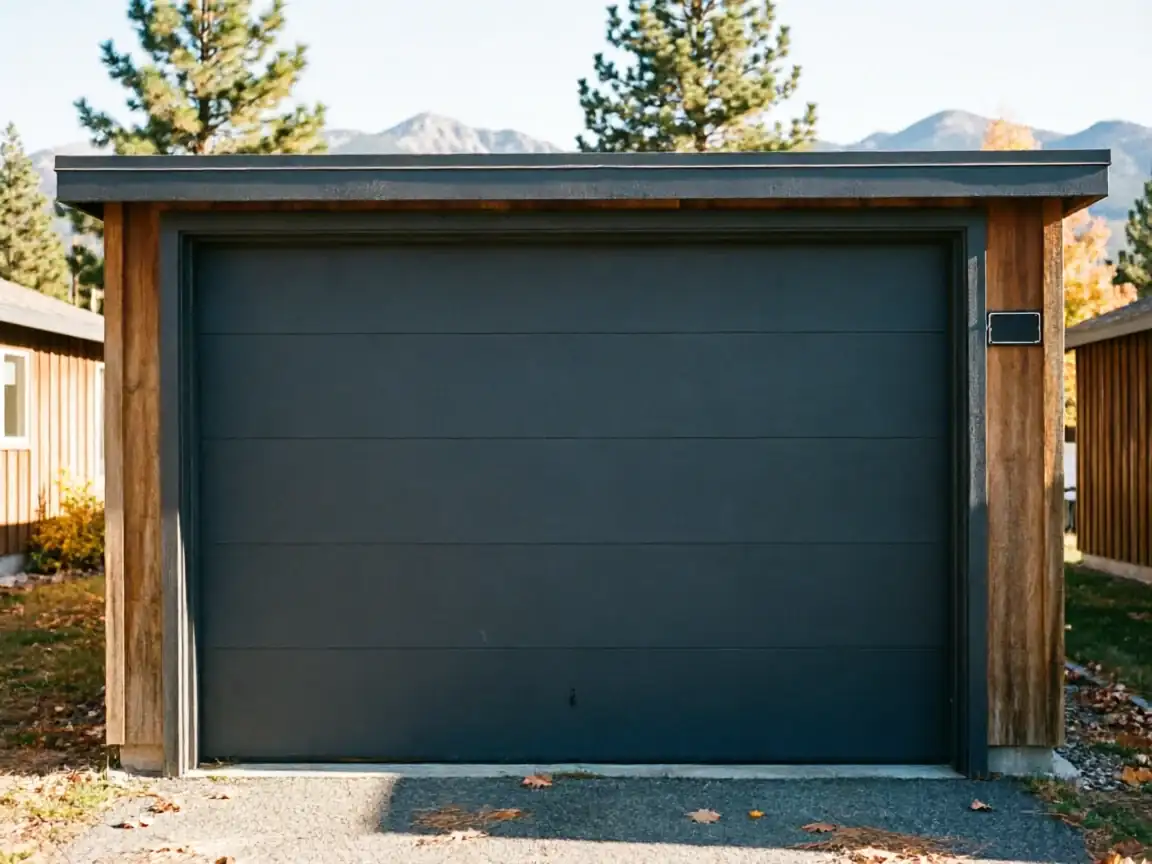
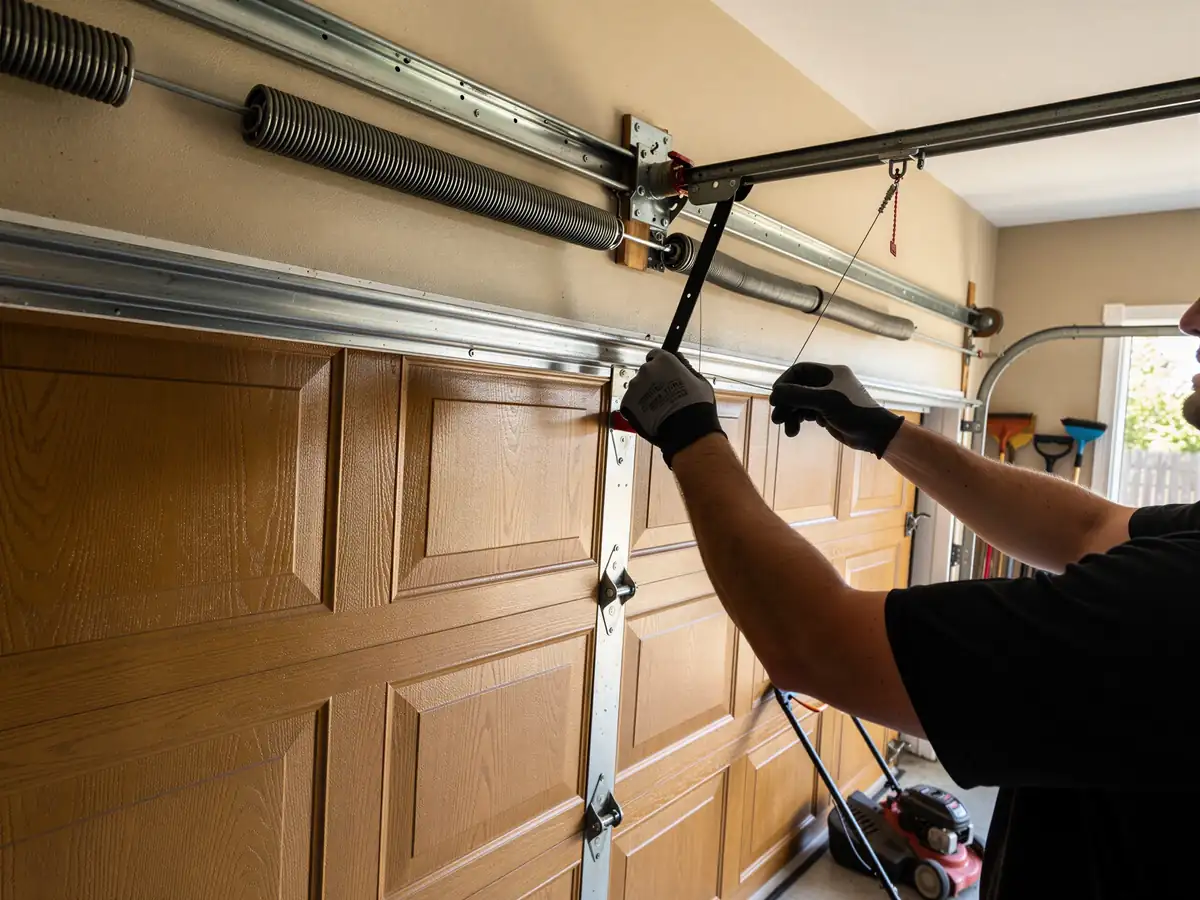
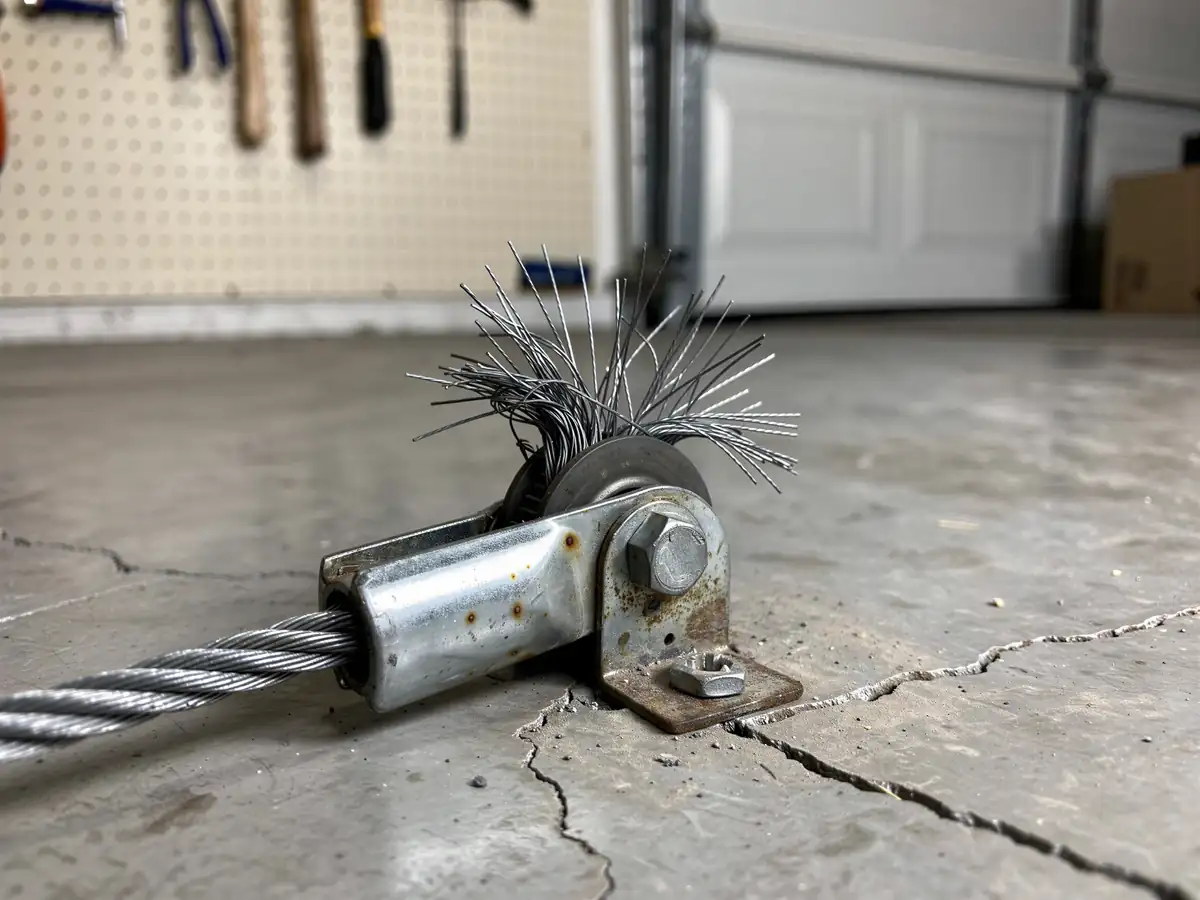
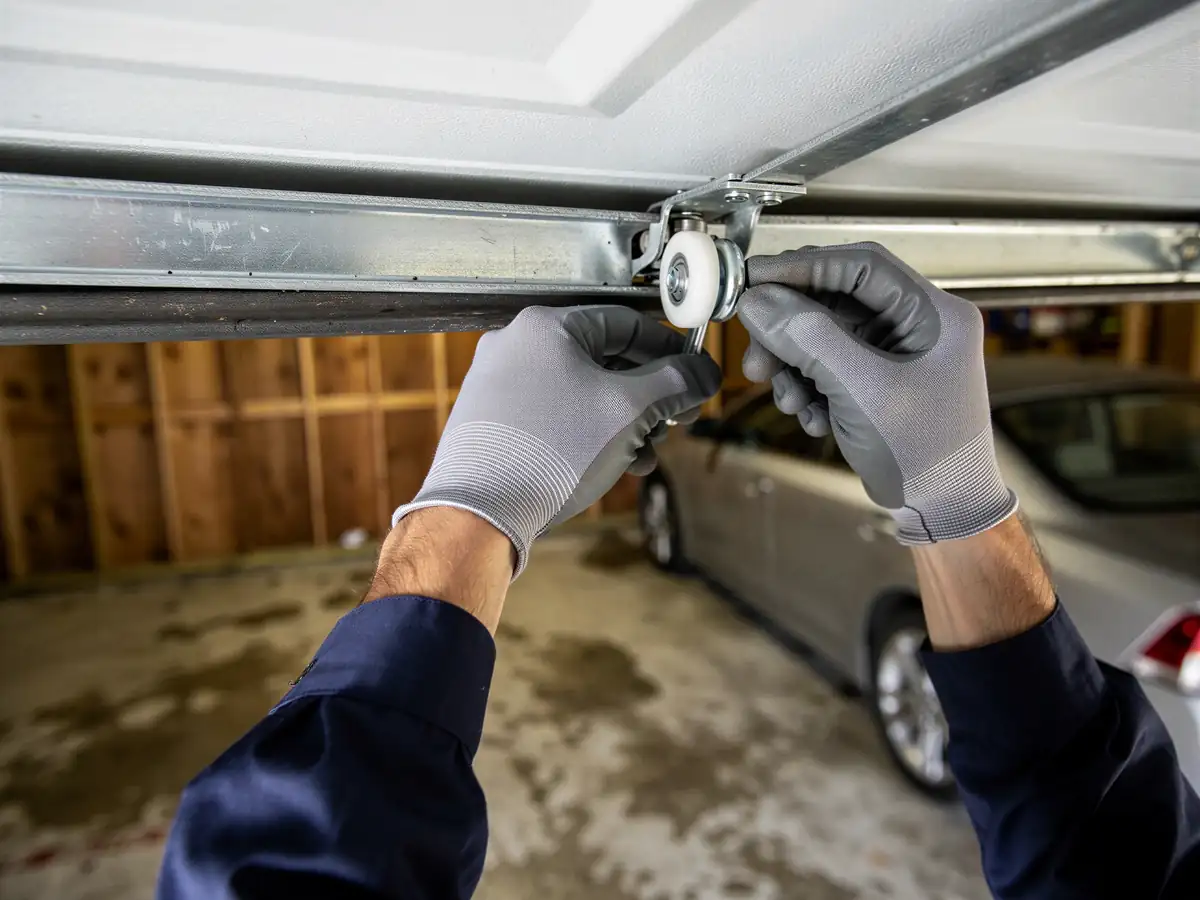
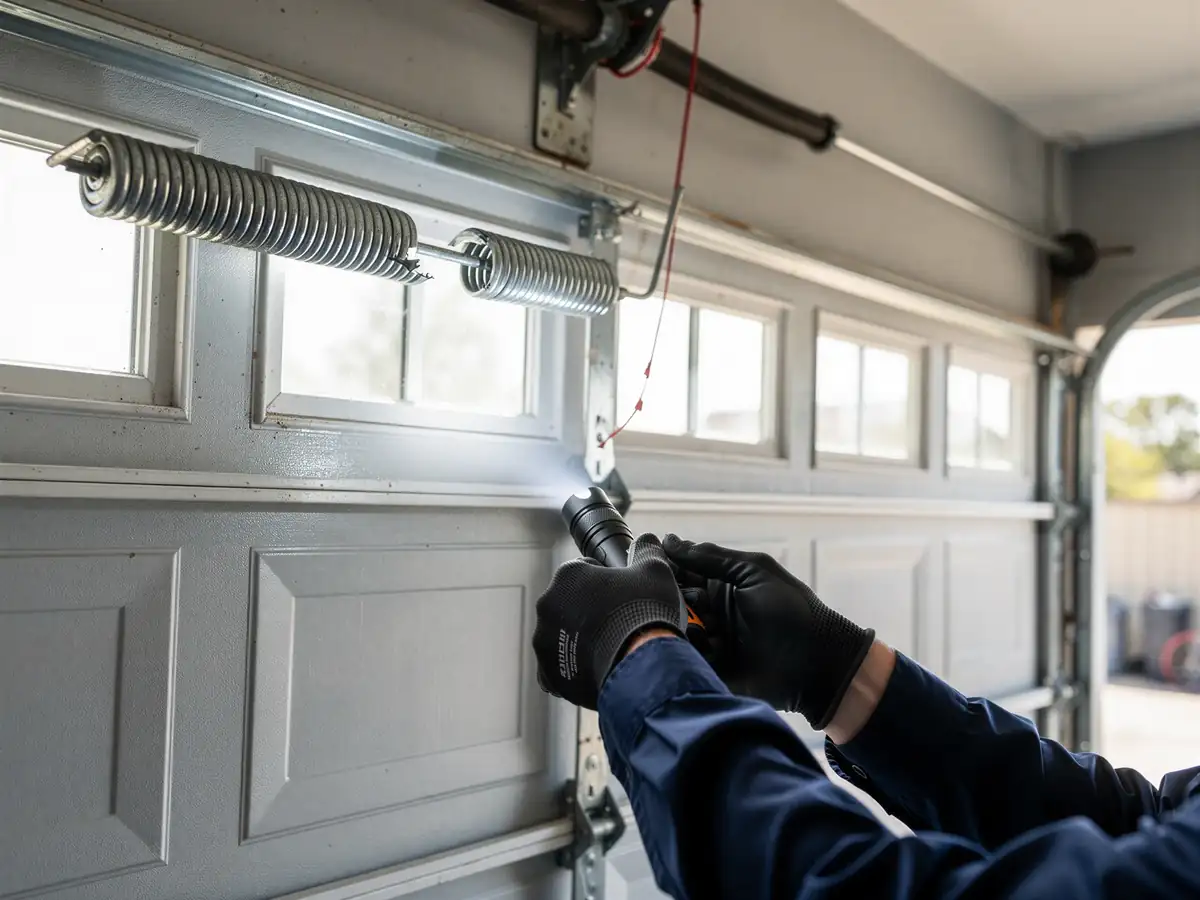
Most of the calls we get come from houses built between 1980 and 2008, with the bulk going up around 1994. That's the stock across the four main areas we work in, and it means a lot of the doors we see are original or on their second opener. Springs on these doors are rated for a certain cycle count, and after fifteen, twenty, thirty winters, they're done - not worn out exactly, just at the end of their run. We get torsion springs that let go on double doors, openers from that era that grind instead of lift, and rollers that have gone from round to flat. Cold makes all of this worse. A severe cold climate band means steel contracts, grease thickens, and a door that worked fine in September binds up hard by December. We see more cable and track calls in the cold months than any other time of year. We work in Bozeman and out toward Four Corners, about six miles off, and take calls from Belgrade, roughly nine miles out, too. If you're closer to Bridger or both about eleven miles from the shop, give us a call before you drive in - we'll tell you straight if it's a job we can get.
Straight Answers
We'll tell you when a repair isn't worth it. A door from the 1994-era stock with a cracked panel and a dying opener is sometimes better replaced outright than nursed along - we'll say so instead of patching it twice. One honest limit: if a part is obsolete or back-ordered, we tell you the wait instead of guessing. We don't install gates, fences, or anything that isn't a garage door or its opener - that's not false modesty, it's just not our trade. With winters here running cold and severe, we check weatherstripping and bottom seals on every service call, because a door that seals wrong in January costs you more in heat than the service call itself. We don't upsell a new opener when a $40 sensor realignment solves the problem. If your door is from the newer end of the local build range, post-2000, parts are usually easy to source. If it's older, from the early side of that 1980-2008 window, we may need to source a compatible part rather than an exact match, and we'll tell you that up front.