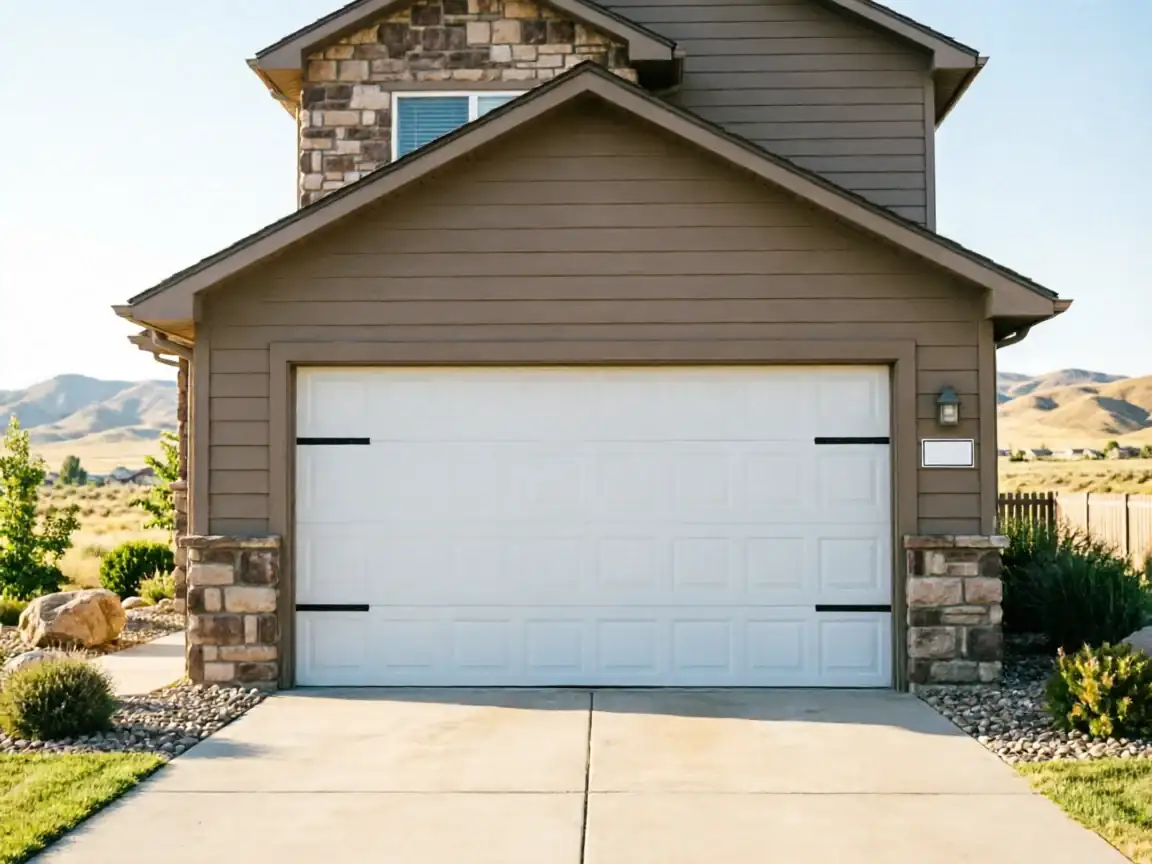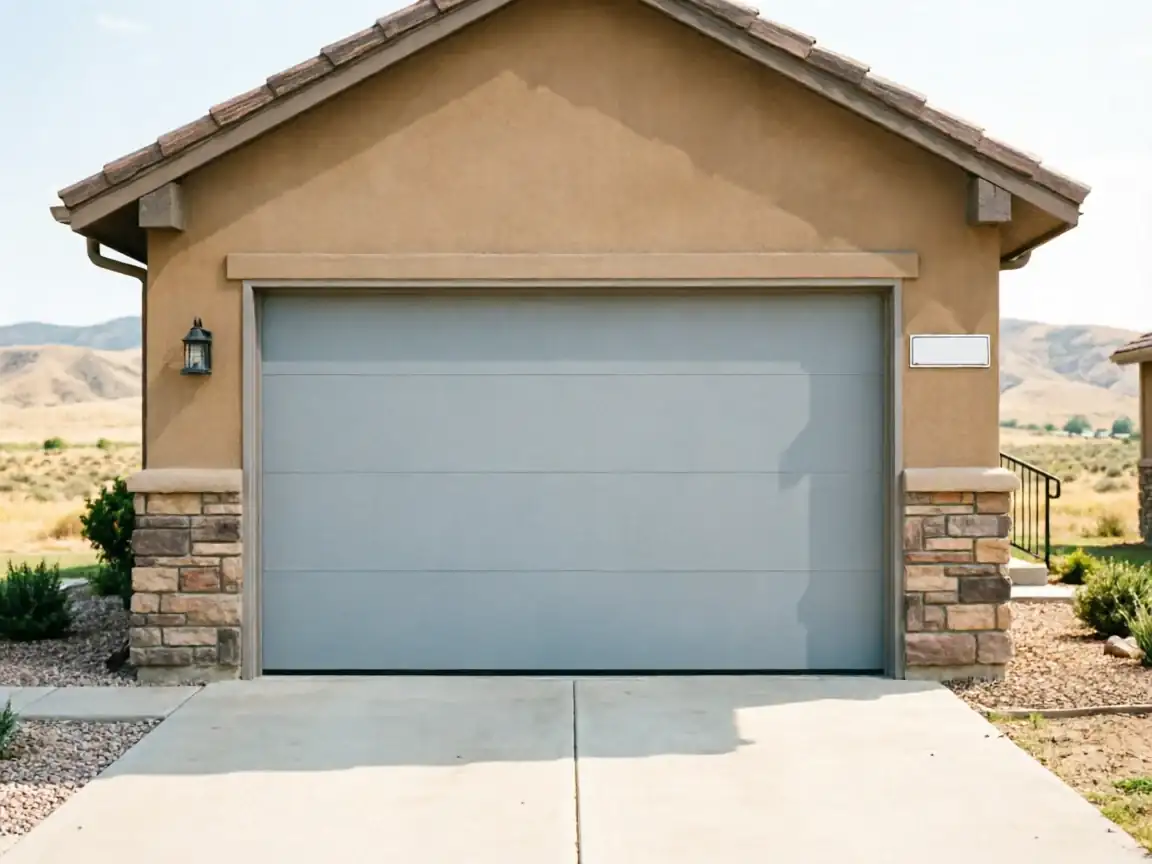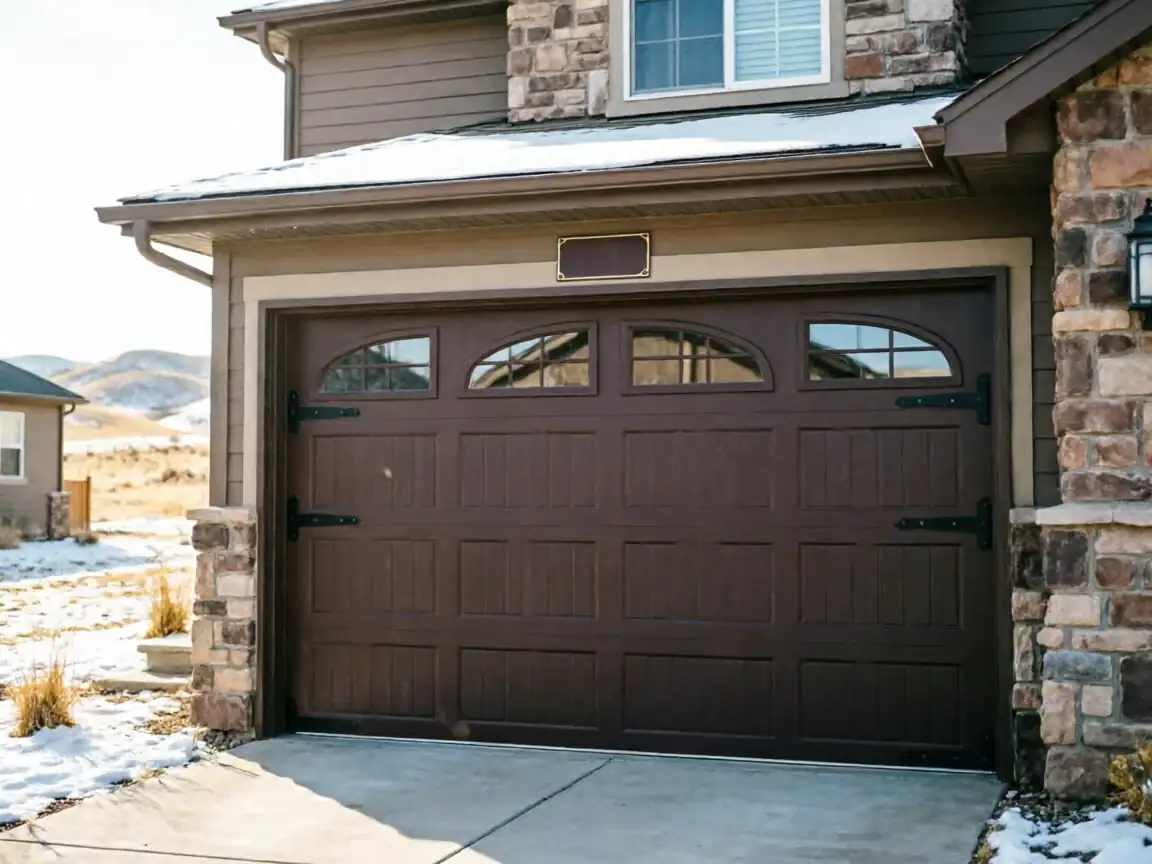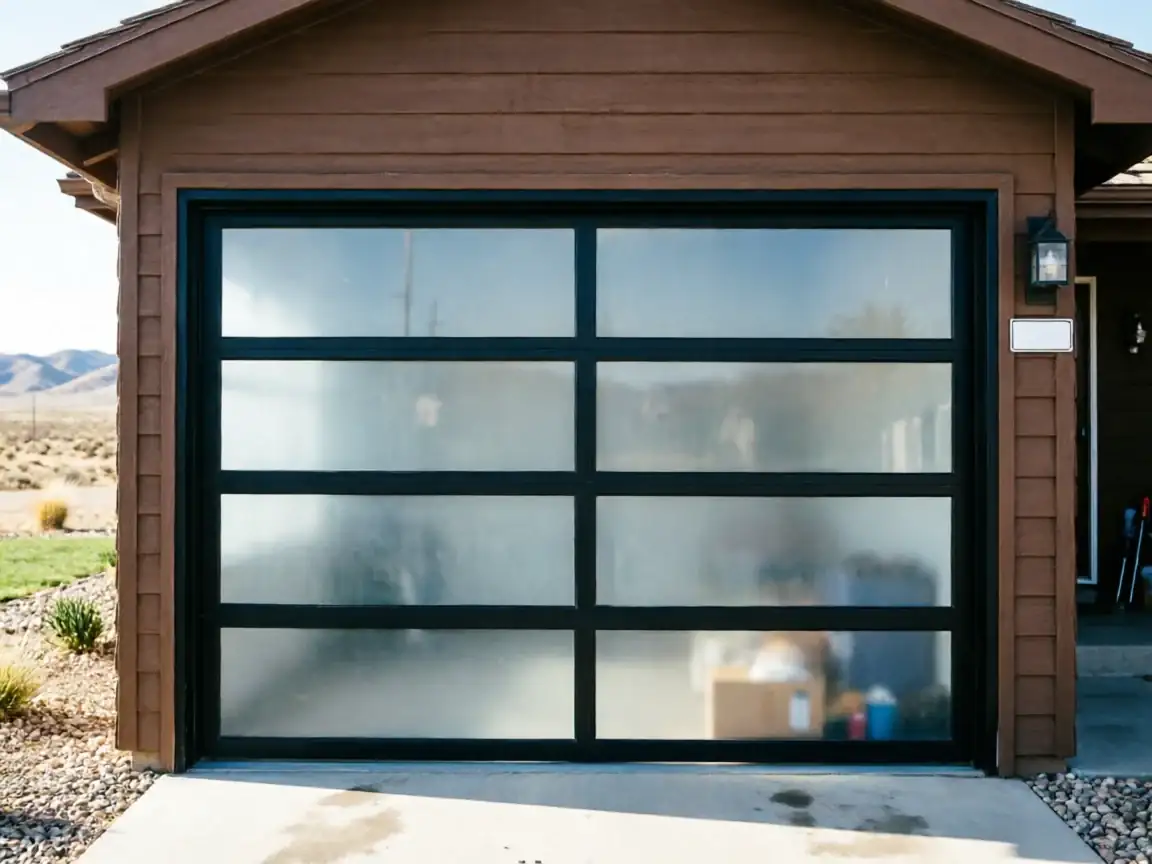
What You Are Seeing
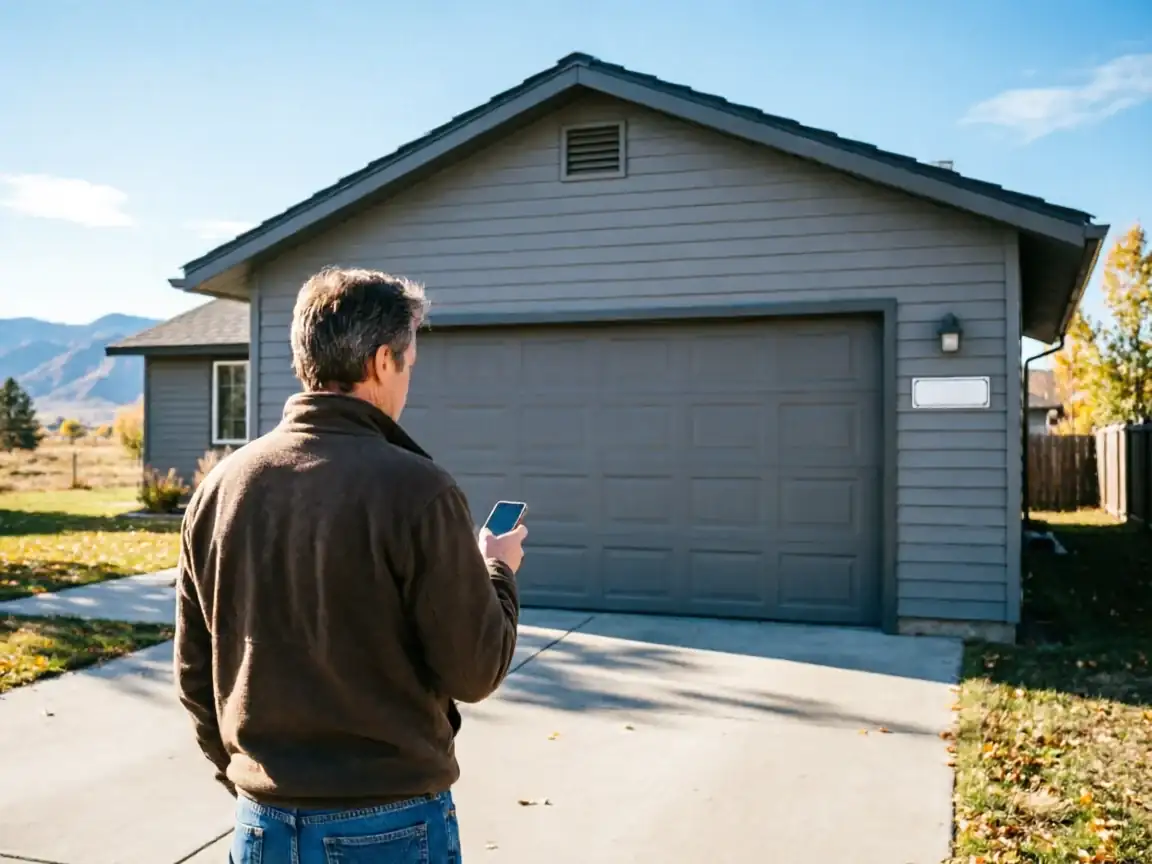
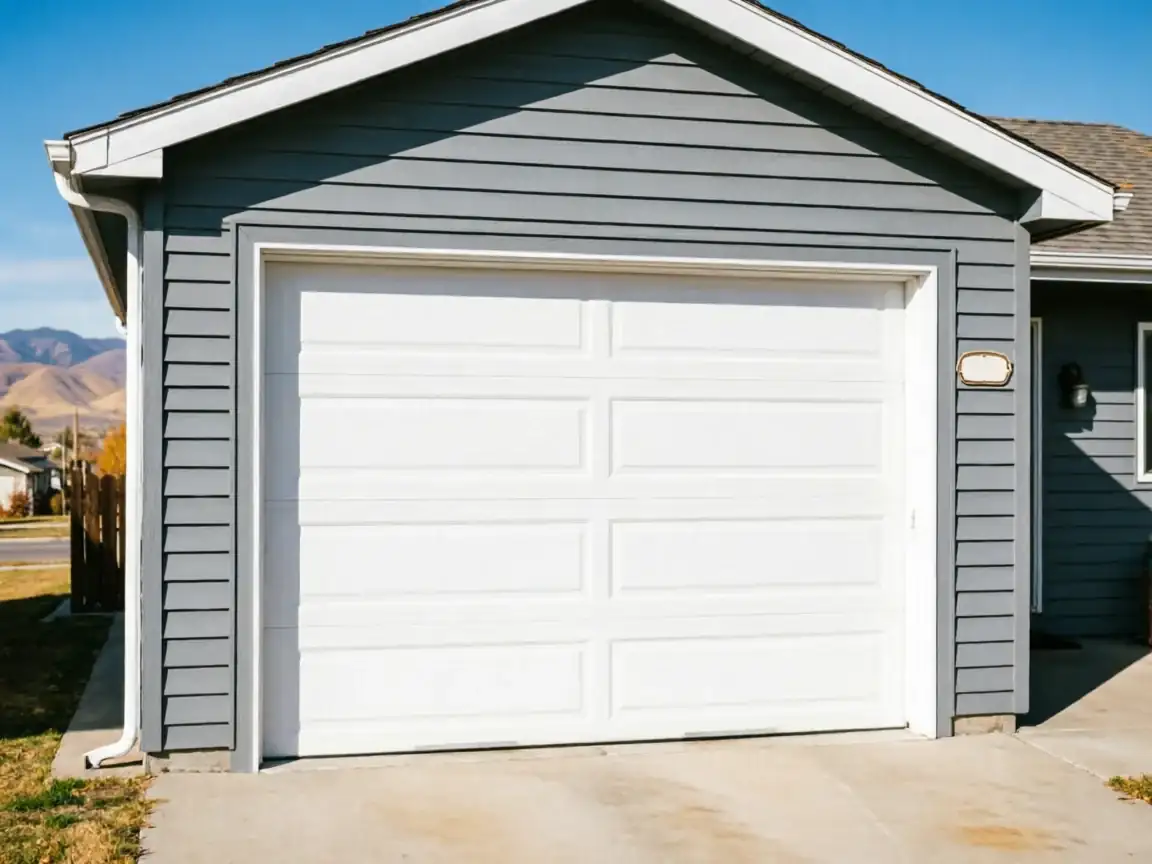
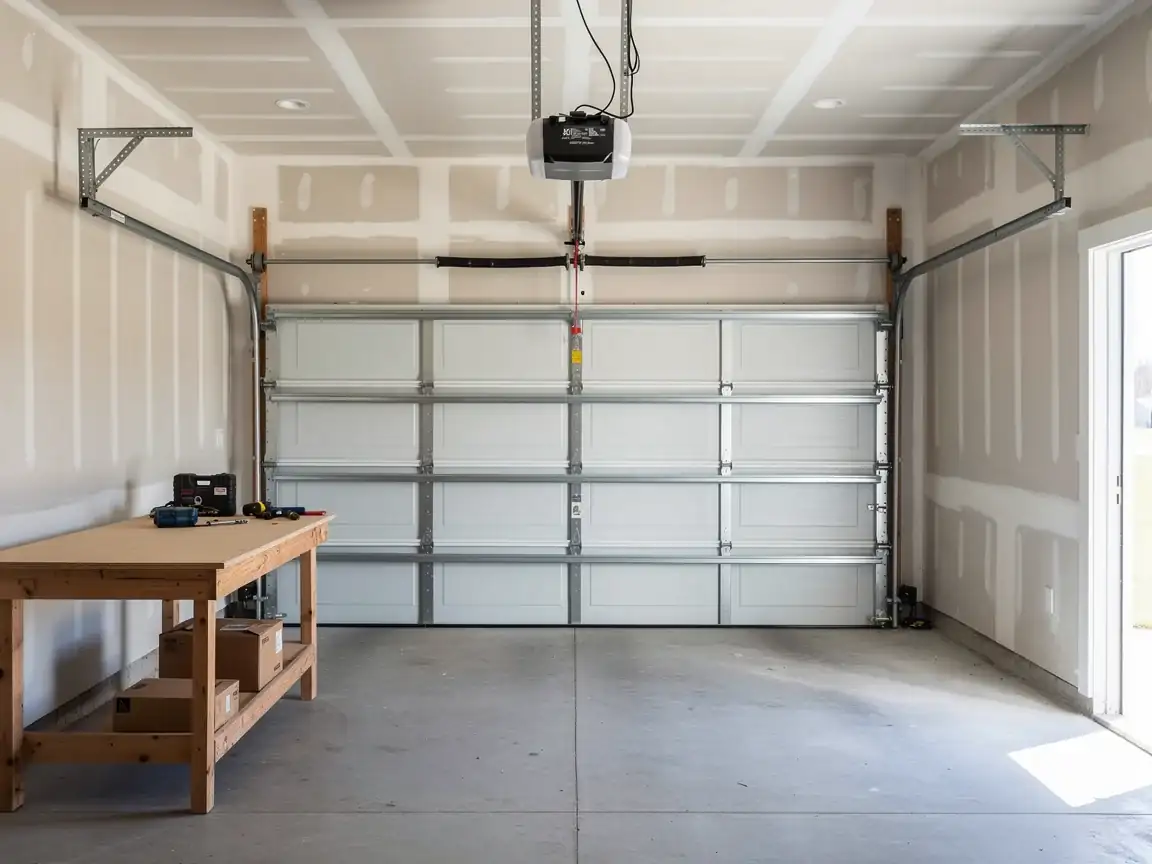
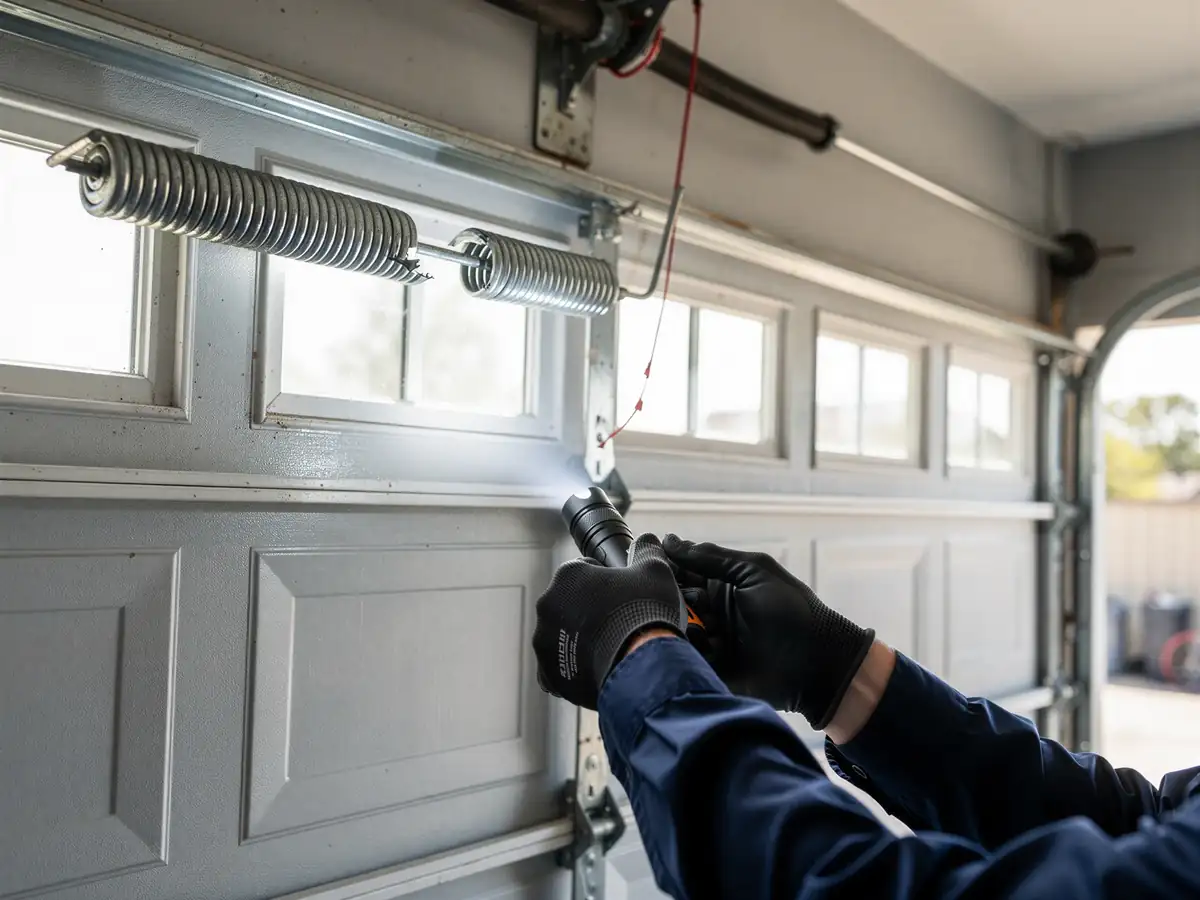
A garage door that won't move usually gives you one of a few clear signs. The door is stuck a foot off the floor and the opener is straining or clicking. A cable has jumped the drum and the door hangs crooked on one side. You hear a bang from the garage overnight and in the morning the door won't budge at all - that's almost always a torsion spring letting go. Sometimes it's quieter: the opener runs but the door doesn't lift, which points to a stripped gear or a disconnected trolley rather than the spring itself.
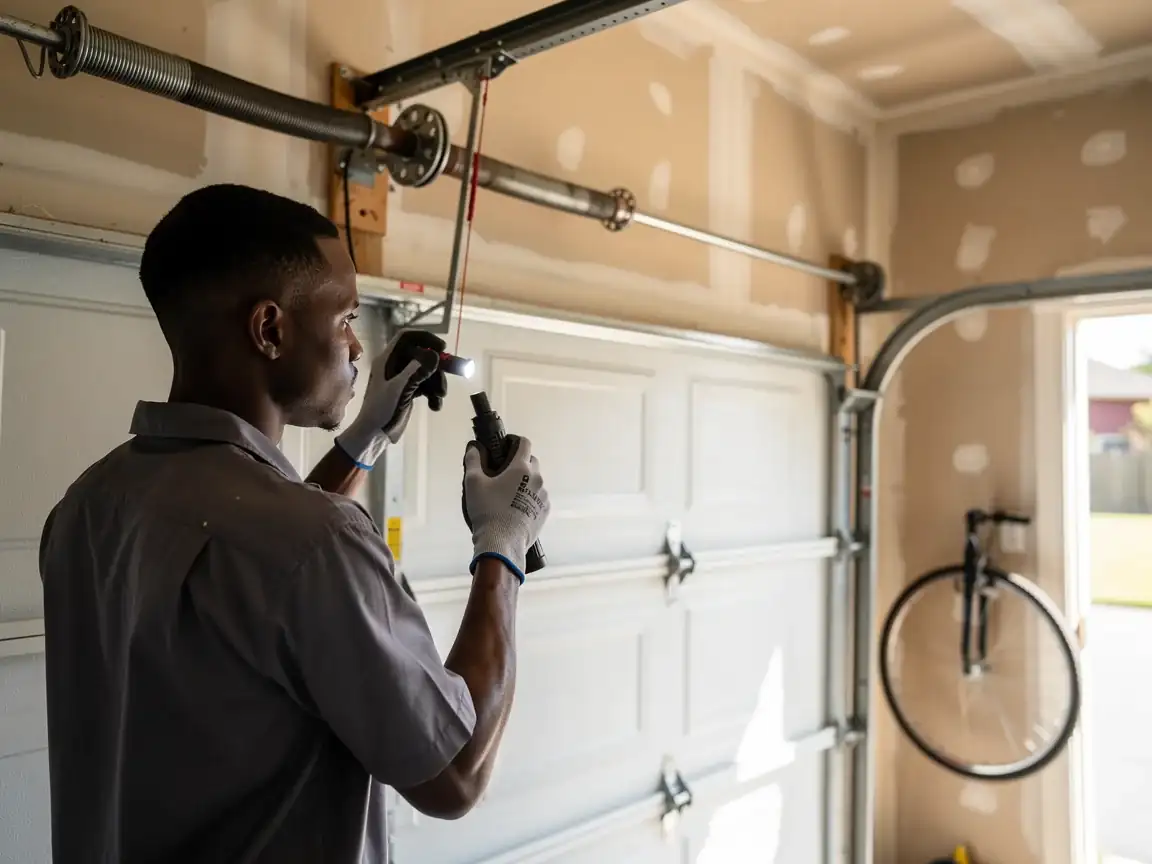
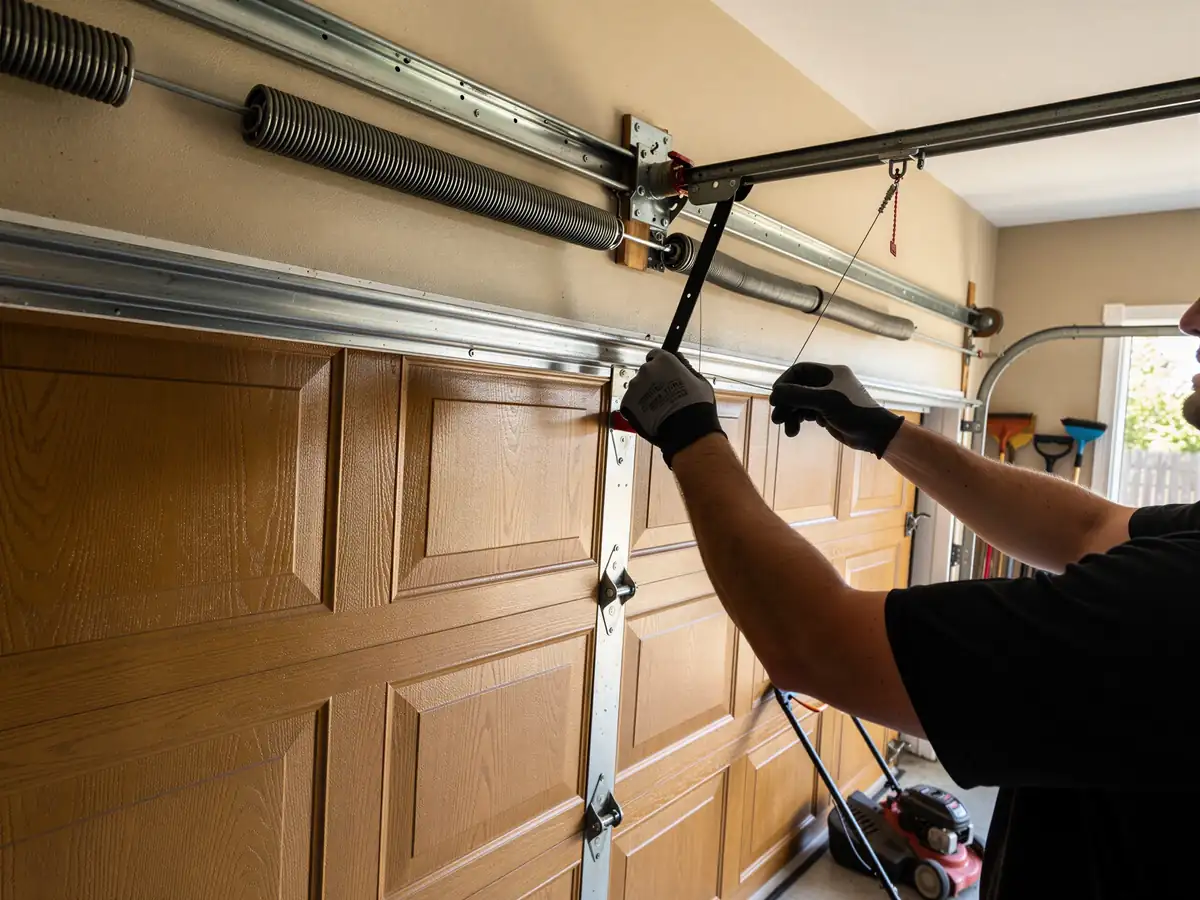
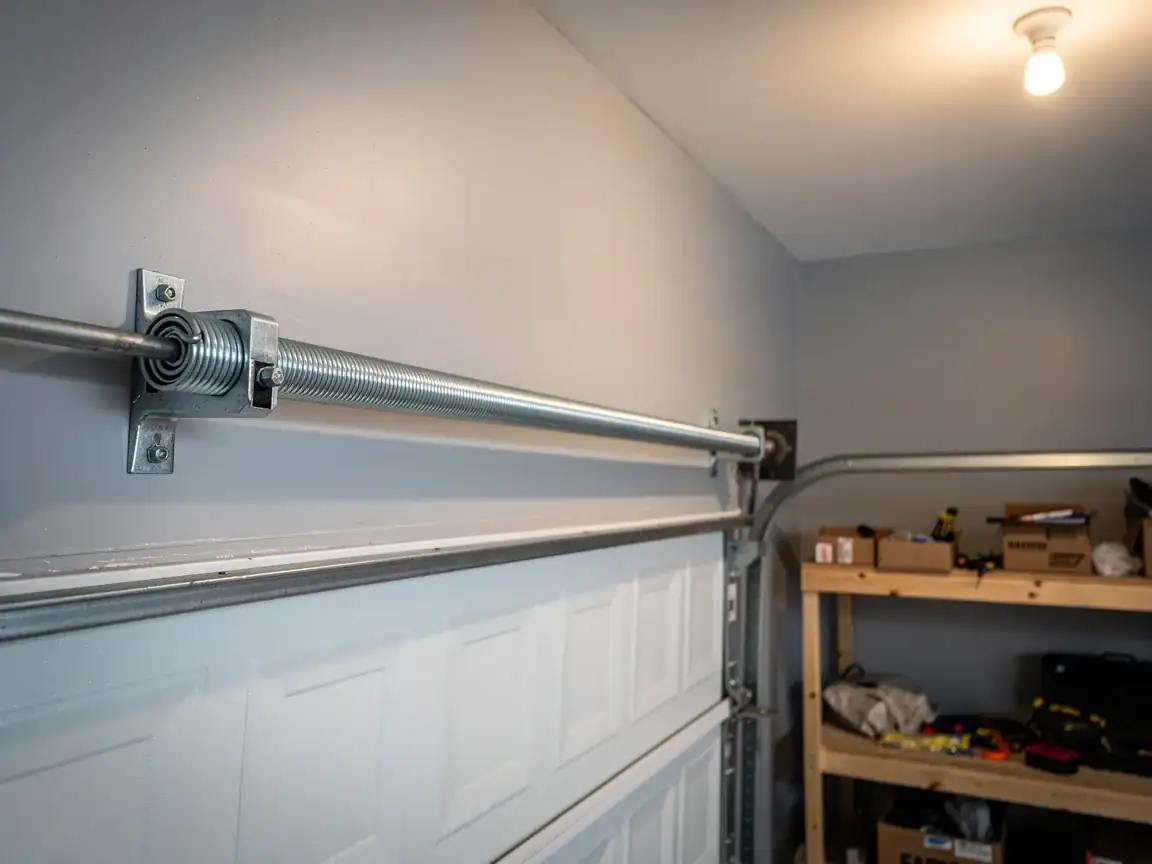
Most houses in this service area were built between 1980 and 2008, with the median landing around 1994, so what you're looking at is usually original hardware pushing 30-plus years of cycles. That's not a knock on the door - it's just the math of a torsion spring rated for a set number of open-close cycles finally running out. If the door won't open and you can see a visible gap in the coiled spring above the door, don't try to force it with the opener. That's the one call that turns a repair into a bigger one.
Doing It Yourself
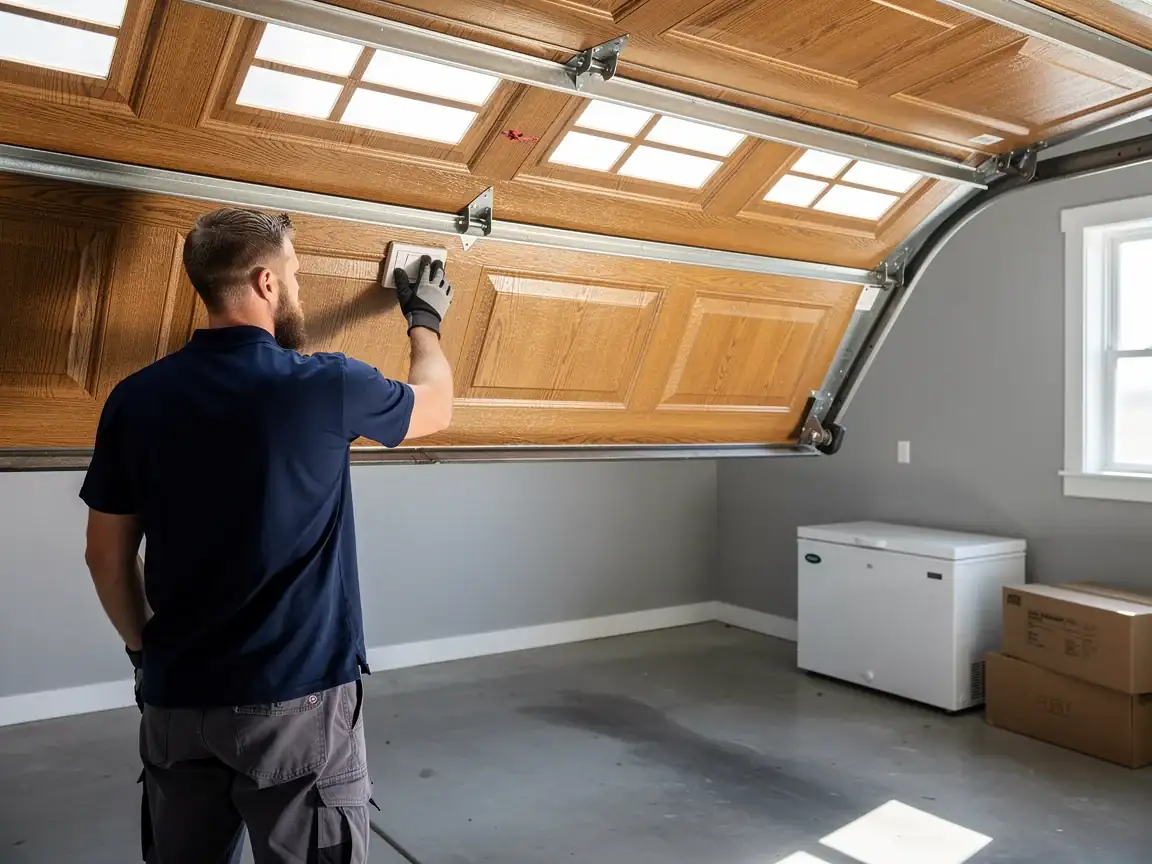
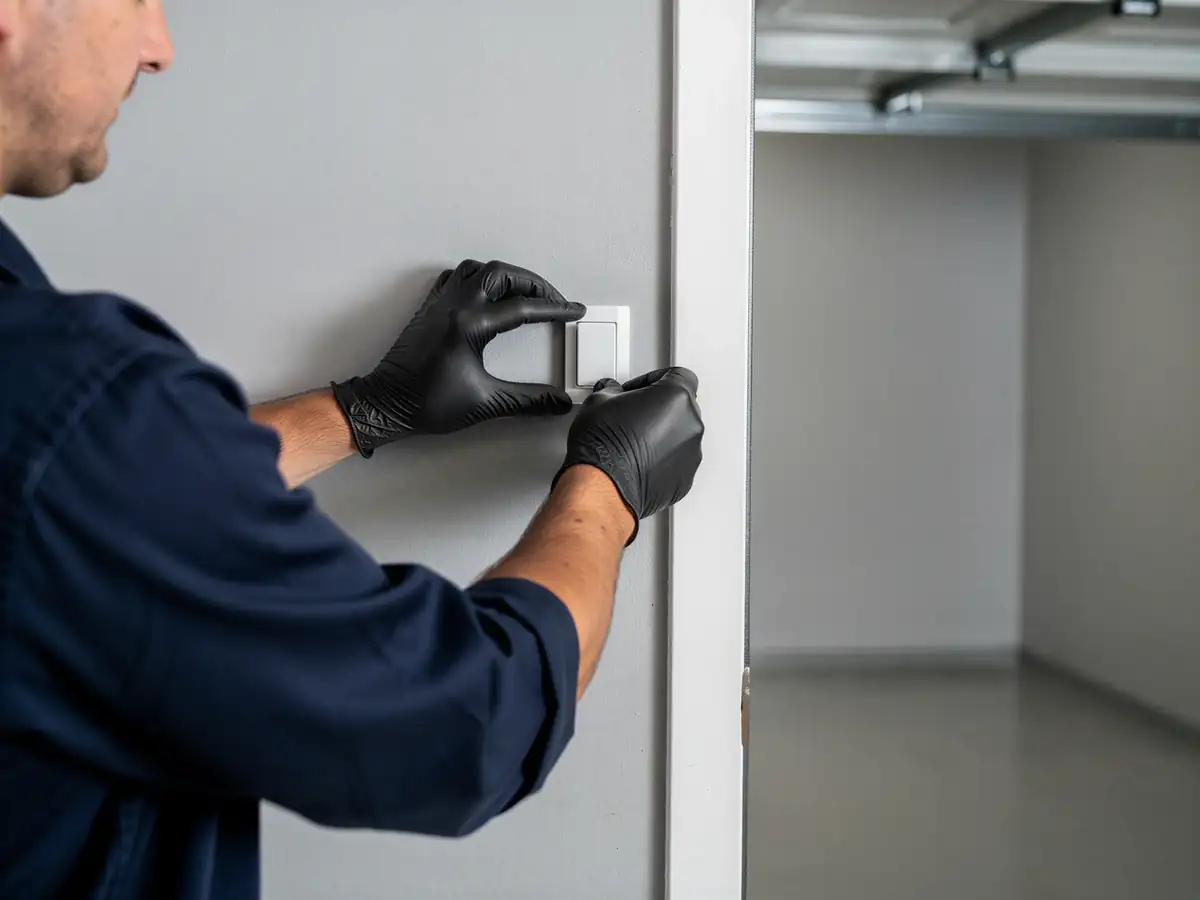
Some of this is fair to handle yourself. If the door won't close and the safety sensors near the floor are dirty, out of alignment, or blocked by a stray box, wiping the lenses and squaring them up fixes it more often than people expect. Same with a door that reverses for no reason - check the travel limits on the opener before assuming something's broken.
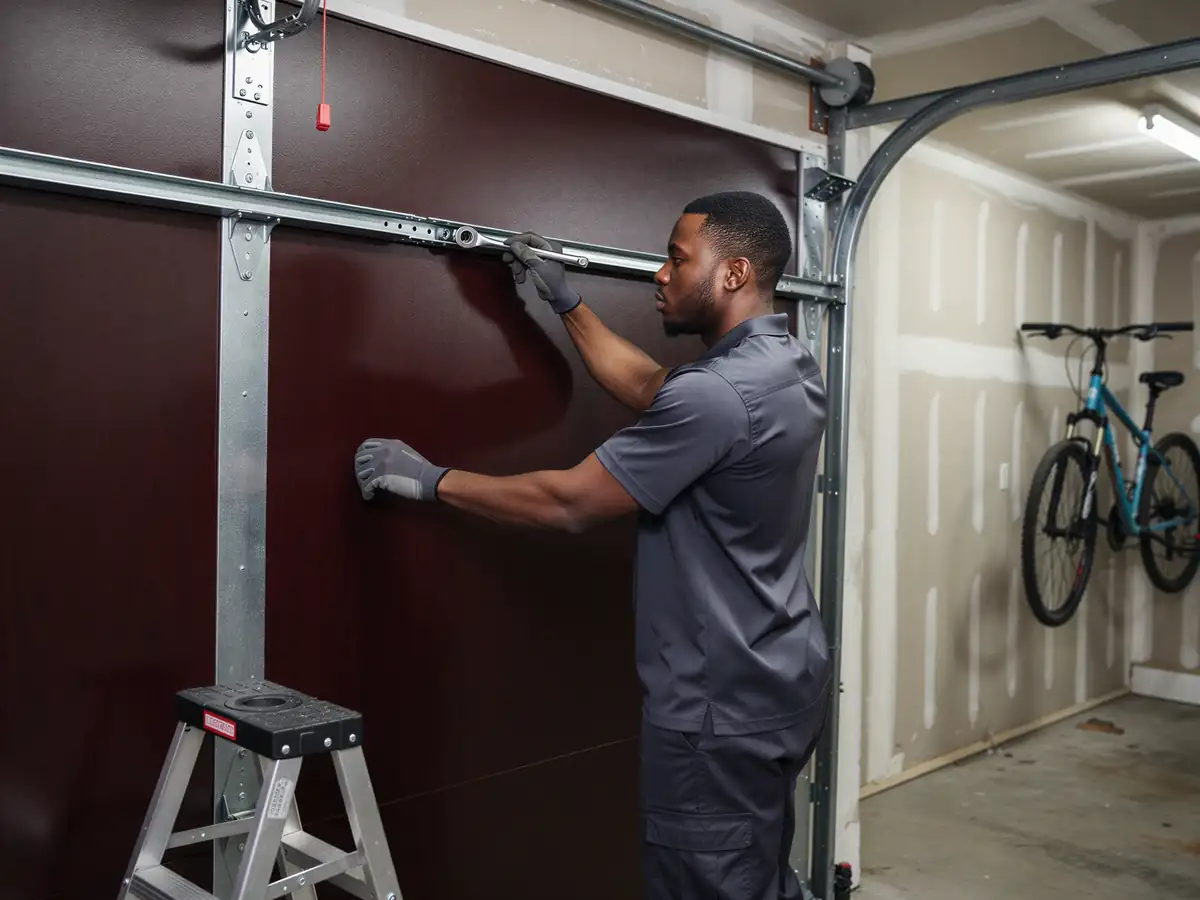
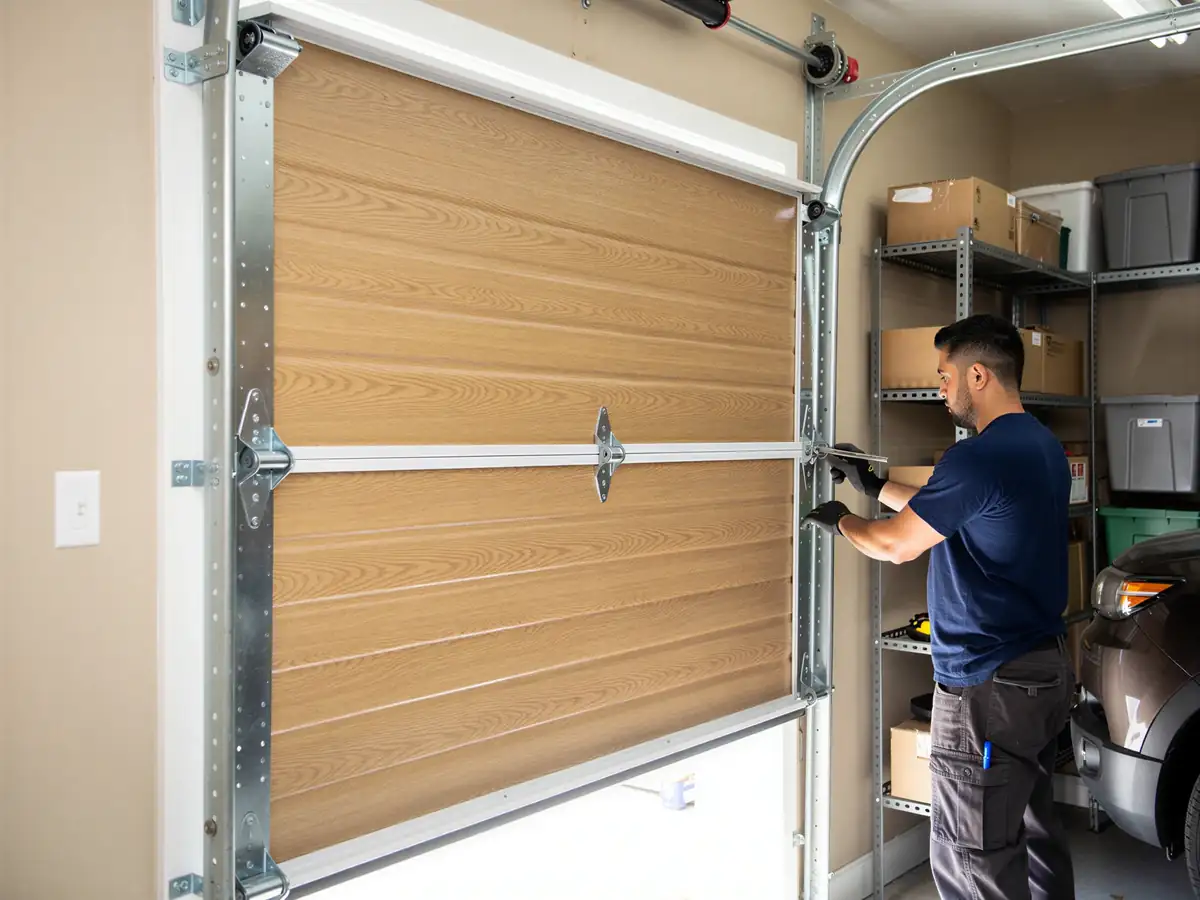
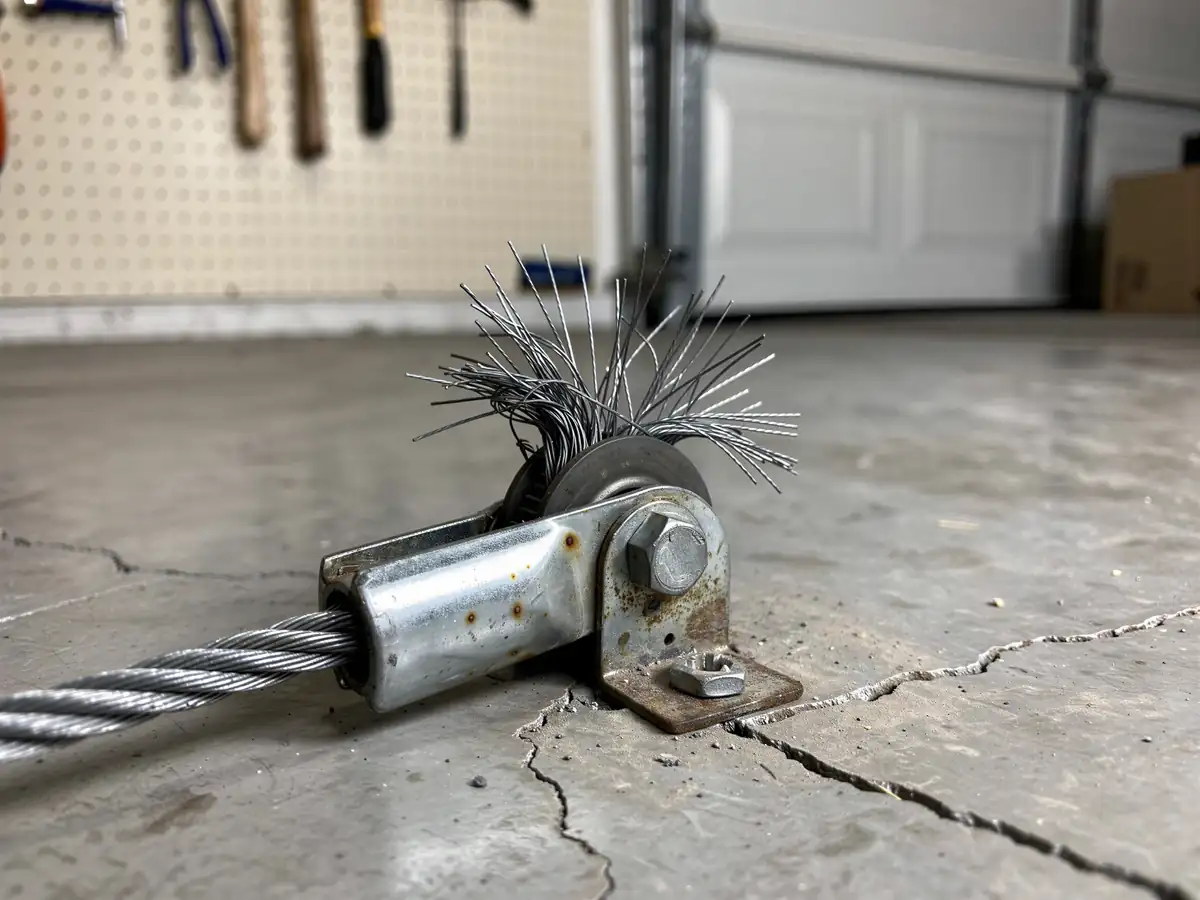
What you shouldn't touch: the torsion spring itself, or anything on the shaft it's wound around. That spring holds enough stored tension to break a bone or worse if it lets go while you're working on it, and the winding bars and cone fittings aren't something most garages have lying around anyway. Cables under tension are the same story - leave them. If the door is off its tracks, resist the urge to muscle it back on; that's a two-person job with the right clamps, not a solo fix with a crowbar.
If you're not sure which category your problem falls into, that uncertainty is itself useful information: a door that behaves unpredictably, rather than failing the same way every time, usually has more than one thing wrong with it.
Why It Happens Here
The timing of these failures isn't random
Across the four main pockets of housing in this area - most of it built through the 1980s and into the 2000s - a lot of garages share the same generation of torsion spring and the same style of steel panel door. That means a lot of hardware is aging out in roughly the same window, which is why winter emergency calls cluster the way they do.
Cold is the trigger more than the cause
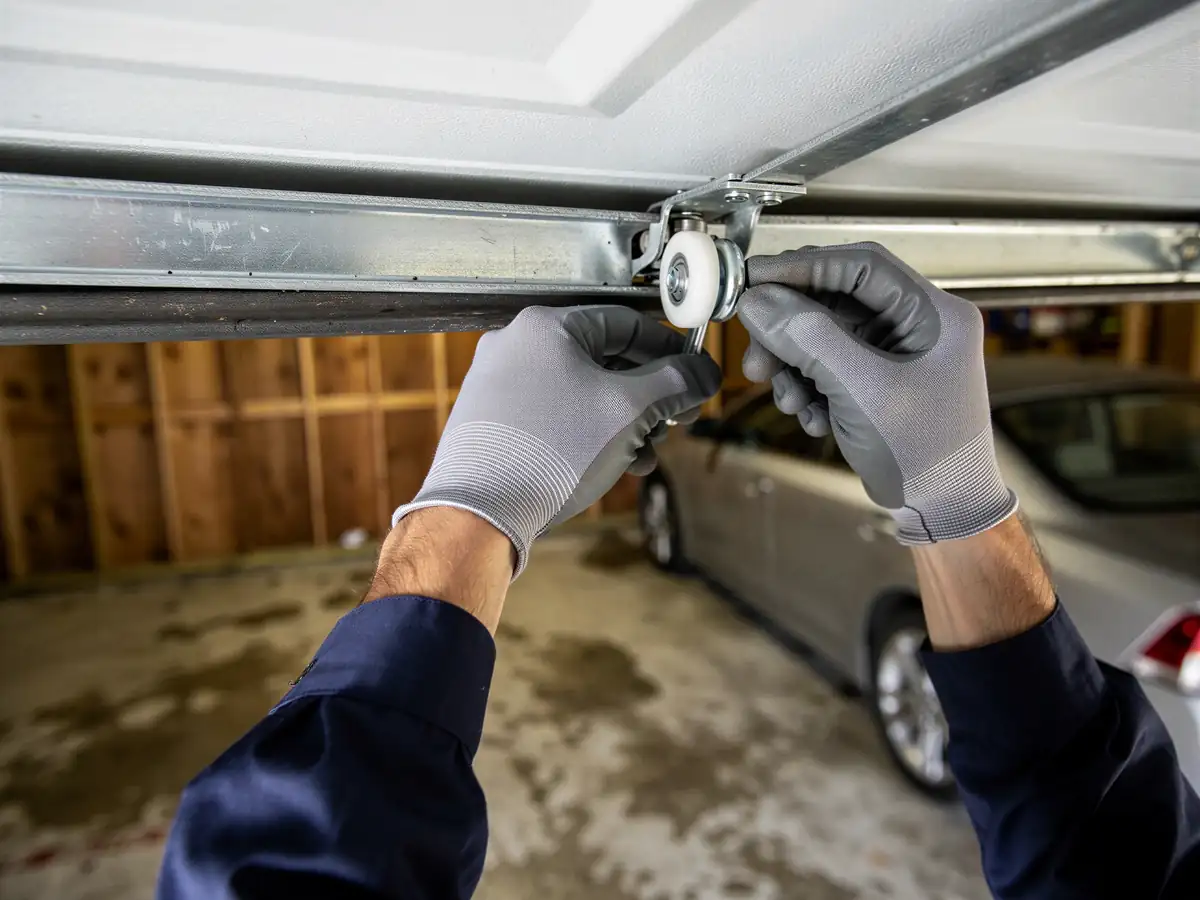
This area sits in a severe cold climate band, and steel contracts in low temperatures. A spring that's already fatigued from three decades of cycles has less give left in it, and a hard cold snap is often what finally snaps it - frequently overnight, when the garage sits at its coldest and nobody's opened the door in hours to let any heat in. Nylon rollers get brittle in the same cold and crack at the edges, which is the other common overnight failure. None of this means the door was neglected; it means the hardware and the weather lined up.
The Cost of This Job
We don't publish flat prices here because the honest answer is "it depends on what's actually broken," and guessing at a number before we've seen the door does nobody any favors. A single broken torsion spring on an original 1990s door is usually a straightforward repair. A door that's also off its tracks, or where the cable has damaged a panel on the way down, costs more because it's two or three problems stacked into one call.
One honest limitation: if your opener or hardware is old enough that replacement parts for it are no longer stocked, we'll tell you that up front rather than chase down a part that may take weeks to source. Sometimes a full door or opener swap is the more sensible call than patching something that's going to fail again next winter.
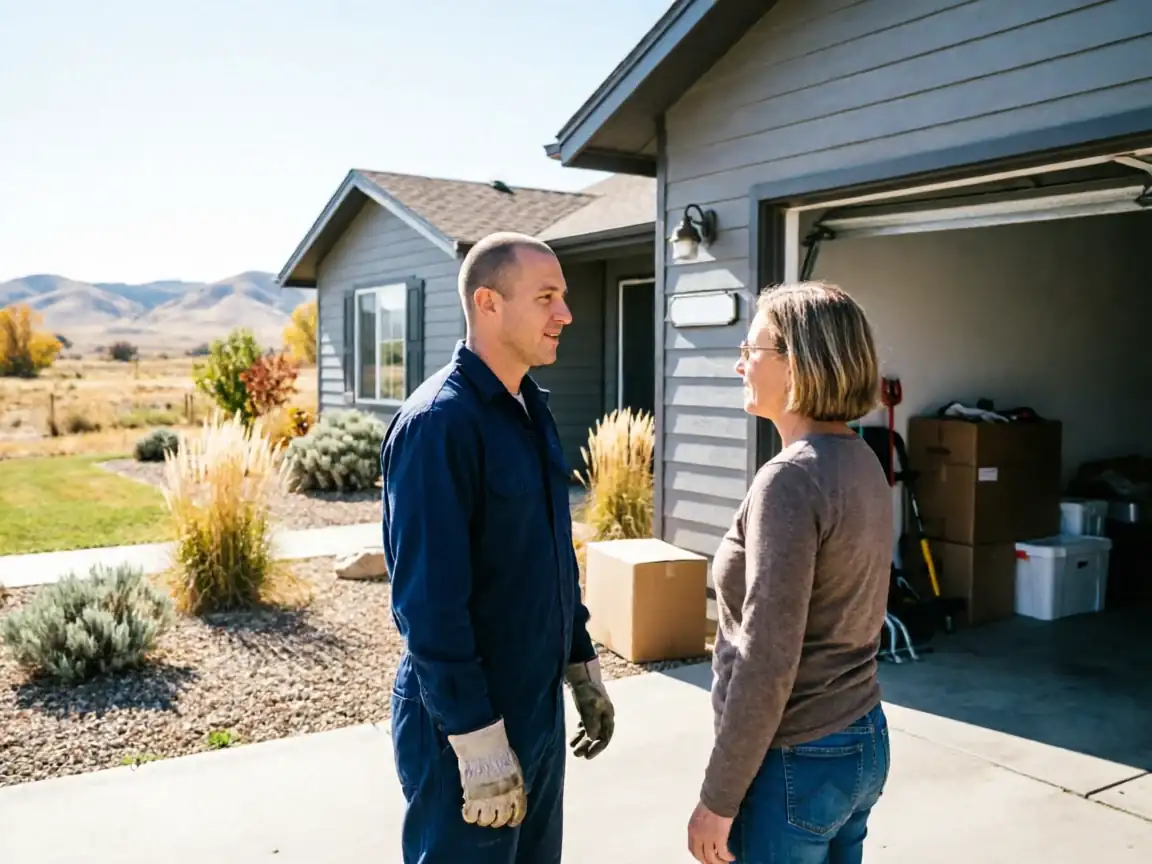
With roughly 3,479 owner-occupied houses and 7,705 households across this area, we see a wide range of ages and setups, from the original 1980s door to a replacement installed ten years ago. We cover the service area out to Four Corners, Belgrade, Bridger, Manhattan, and the so wherever you're calling from, get in touch through the home page and we'll talk through what you're seeing before anyone drives out.