What You Are Seeing
If you're reading this, your opener is probably doing one of a few things: grinding instead of running smooth, reversing halfway up for no reason, or just sitting dead when you hit the button. Sometimes it's the remote that's gone flaky, sometimes the wall switch lights up but the motor never engages.
A lot of what we see across the Bozeman service area comes down to age. The housing stock here runs mostly 1980 to 2008, with a median build year around 1994 - which means a big share of the openers still in these garages are original or close to it. Chain-drive units from that era were built for a 10 to 15 year service life, not 25 or 30. By the time the gears strip or the capacitor dies, most of these units have been straining on worn sprockets and dry chains for years.
Across the four main pockets of housing we work in, that pattern holds - 1980s and 90s construction with openers nobody's touched since the house was built. If your opener is making noise it didn't used to make, or the lights blink a code at you, that's not random. That's a unit at the end of its run.
Doing It Yourself
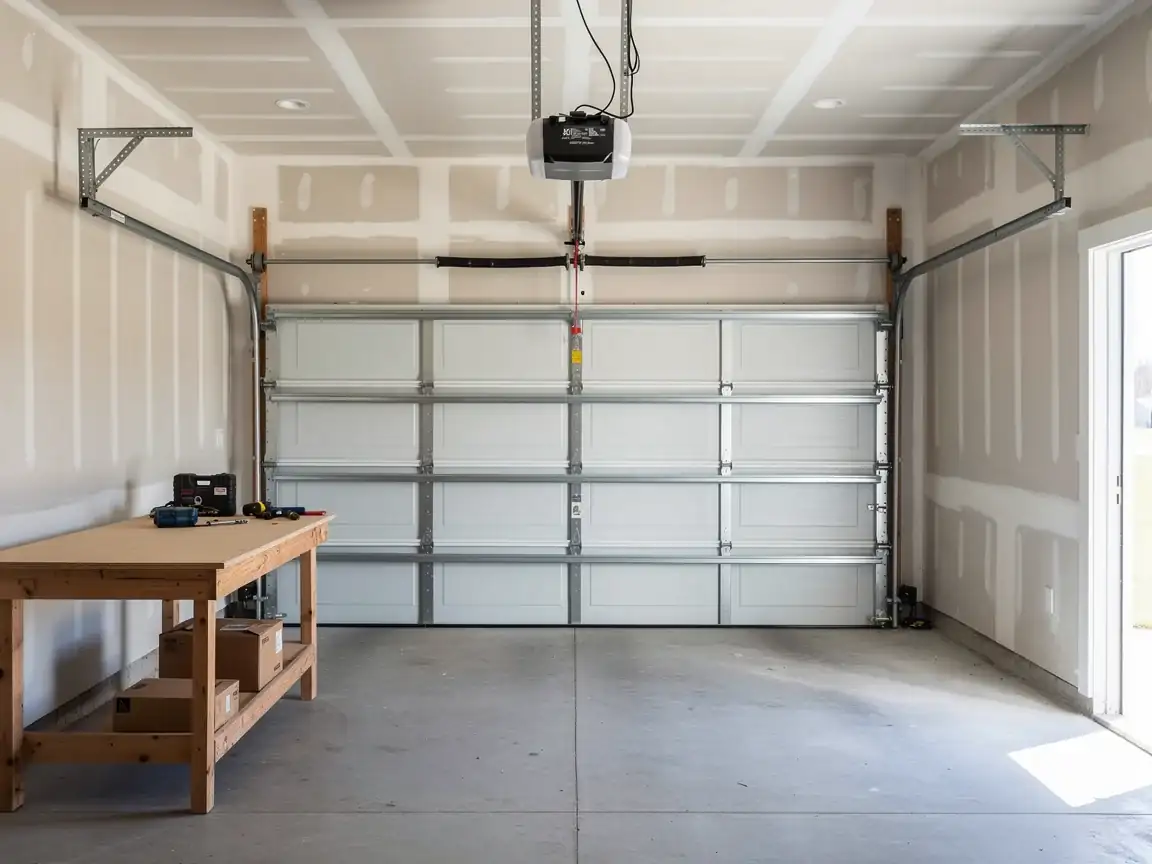
You can buy an opener off the shelf and bolt it to the rail yourself - plenty of people do. The honest limitation is in the parts most DIYers skip: setting travel limits correctly, wiring the safety sensors so they actually trip, and matching the unit's horsepower and drive type to your door's weight and spring tension. Get the force settings wrong and you've got a door that either won't close on a pet or a toy, or closes hard enough to crack a panel.
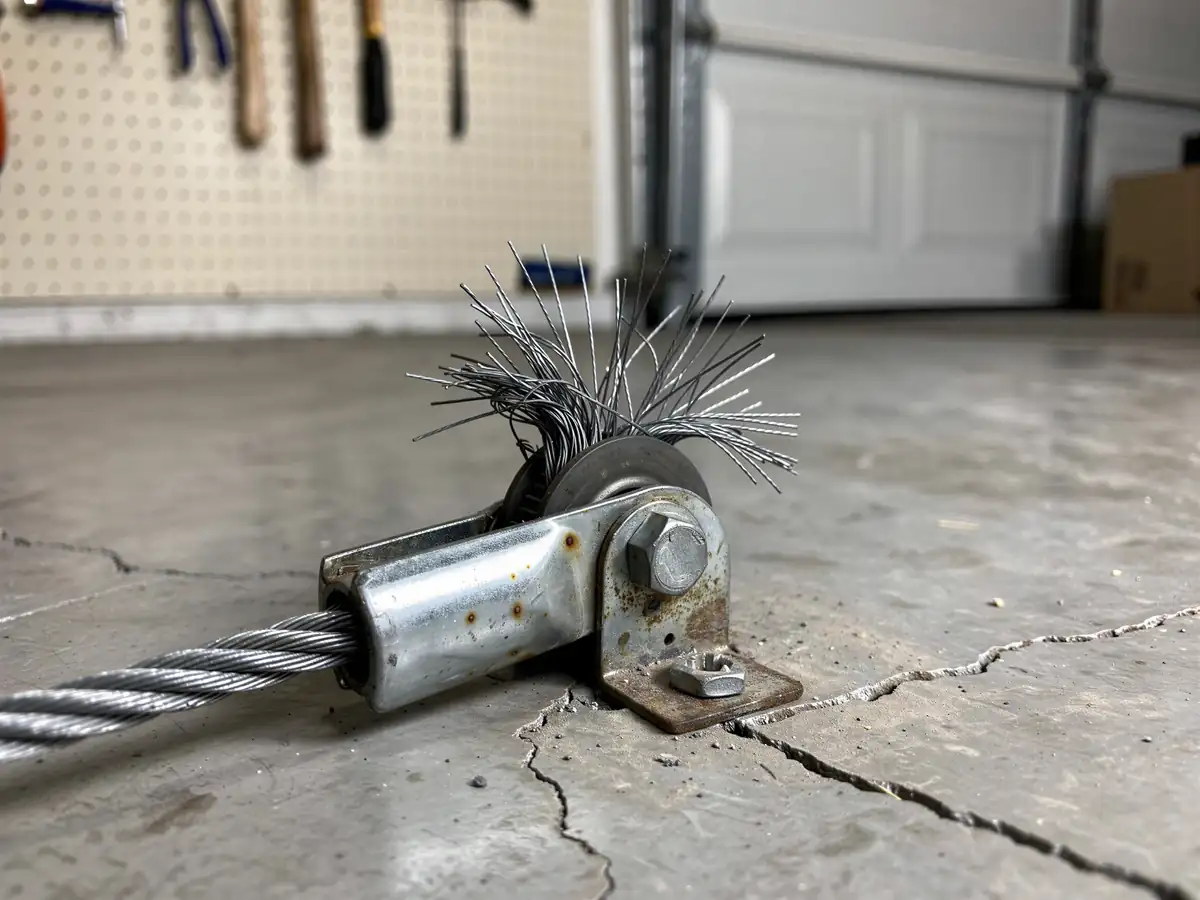
We also see openers installed without a battery backup, which matters more here than it would somewhere with mild winters - a dead opener during a cold-weather power outage leaves your car stuck behind a door you now have to crank open by hand in the cold, assuming the manual release hasn't frozen stiff too.
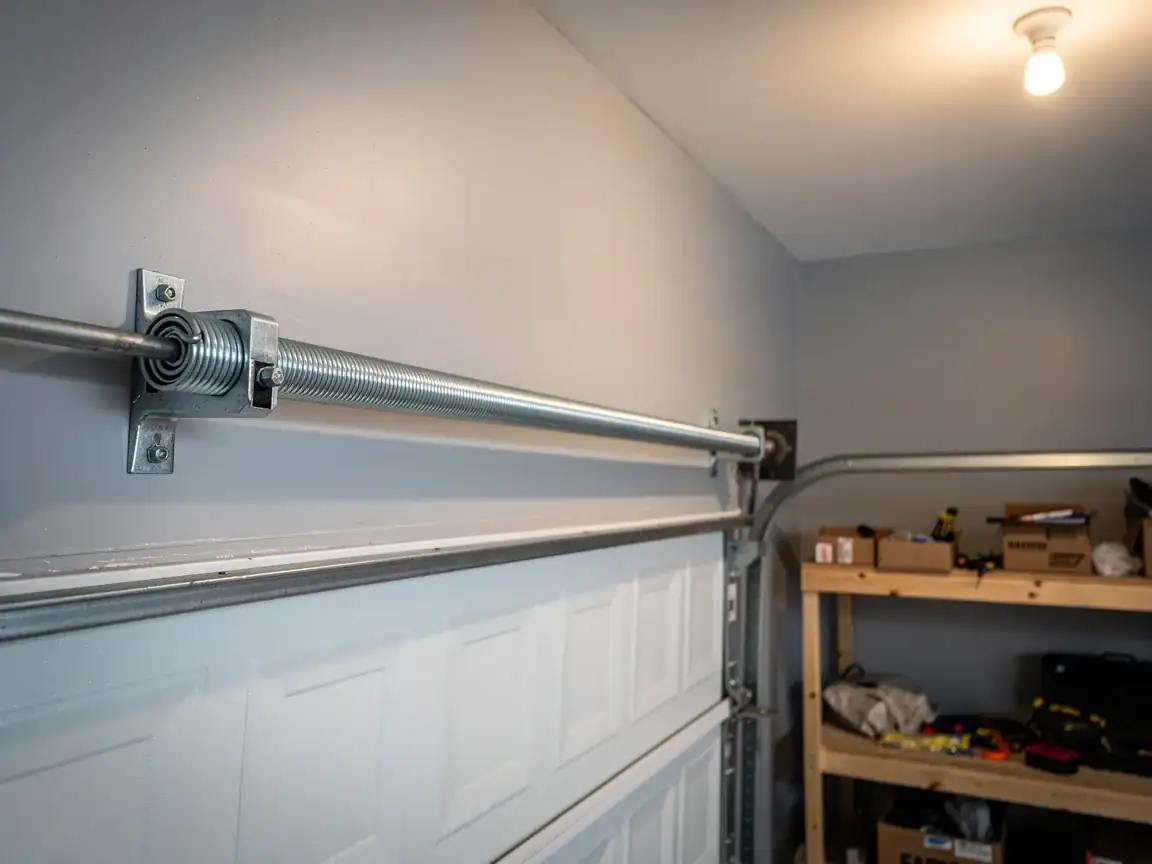
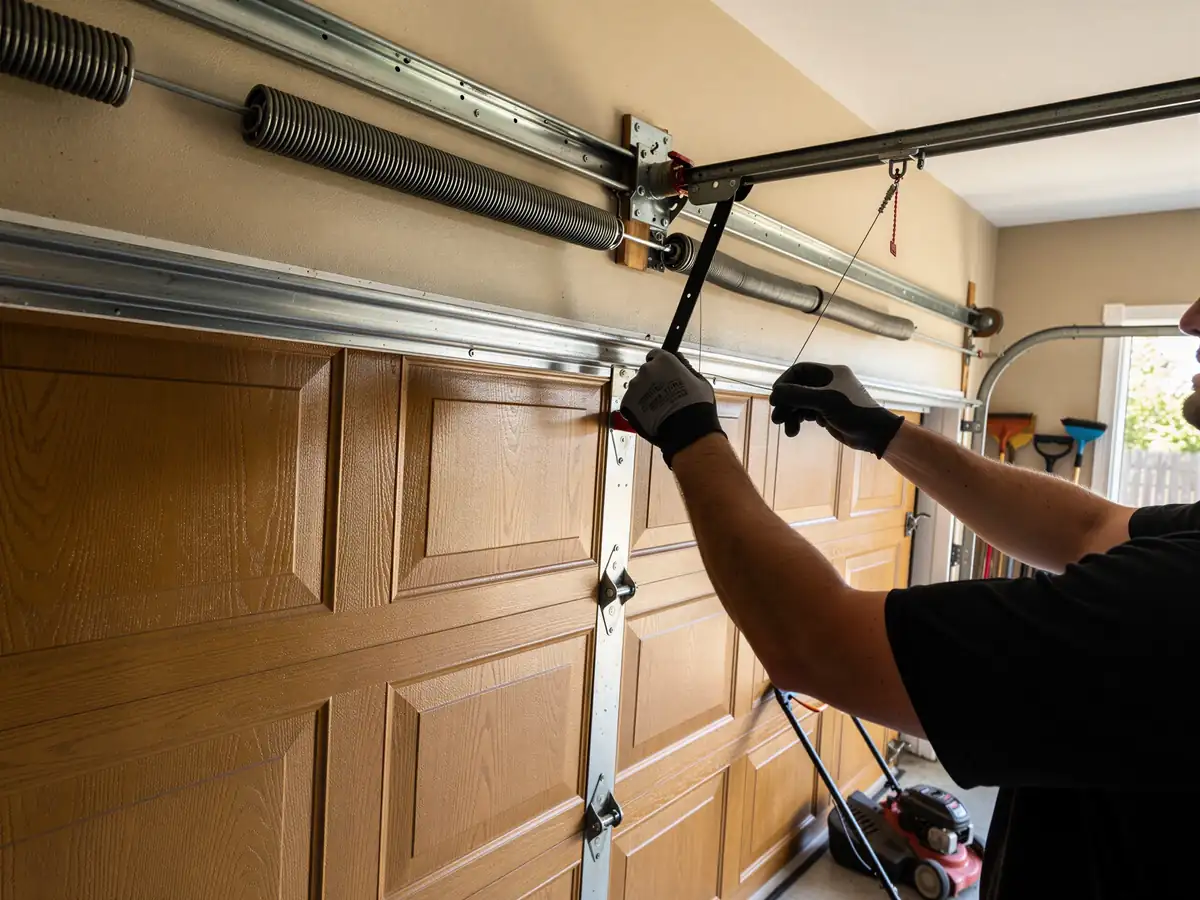
If you're comfortable with basic wiring and you read the manual front to back, a straightforward swap on a standard door is within reach. Where we'd tell you to call instead: anything involving the torsion spring system, a door that's out of balance, or a header that needs reinforcing to carry the new unit's weight. That's not a job to learn on your own garage.
Why It Happens Here
Bozeman's service area sits in a climate band rated severe for cold
And that changes how an opener ages compared to a milder town. Grease inside the gearbox thickens in sub-zero temperatures, which makes the motor work harder on every cold start - and over a winter of -10 and -20 degree mornings, that extra load adds up faster than the manufacturer's duty cycle assumes. Belt-drive units can also stretch and slip when the rubber stiffens in deep cold, which is part of why so many of the older units out here are chain drives to begin with.
The other half of it is simply the age of what's already installed
With most of the housing stock across Four Corners, Belgrade, Bridger, and the dating to the 1980s and 90s, a huge share of openers in this service area are original equipment that's now outlived its expected life by a decade or more. Add a winter's worth of cold-start strain on top of that, and the failures cluster hard in January and February - right when nobody wants to be without a working door.
The Cost of This Job
What this job costs depends on a few things we'd rather walk through at your garage than guess at here: whether the existing rail and header can carry a new unit as-is, whether you want battery backup given how often winter storms here knock out power, and whether your door's spring tension is still within spec for the opener you're putting in.
We don't have a flat number to post because it genuinely varies - a straight swap onto existing hardware is a different job than one where the mounting bracket needs rebuilding or the door needs a tune-up before the new opener can run it safely. What we can tell you is that skipping the safety sensor alignment or the force-limit setting to save time on the install isn't a corner worth cutting, because that's the part that keeps a door from closing on a car bumper or a kid's bike.
Across the roughly 3,479 owner-occupied houses in this service area, and with median household income here around $100,185, most owners we talk to are weighing opener replacement against repair rather than treating it as an automatic swap - which is the right instinct. A fifteen-year-old motor with a stripped gear is worth replacing. A two-year-old unit with a bad sensor usually isn't.