What You Are Seeing
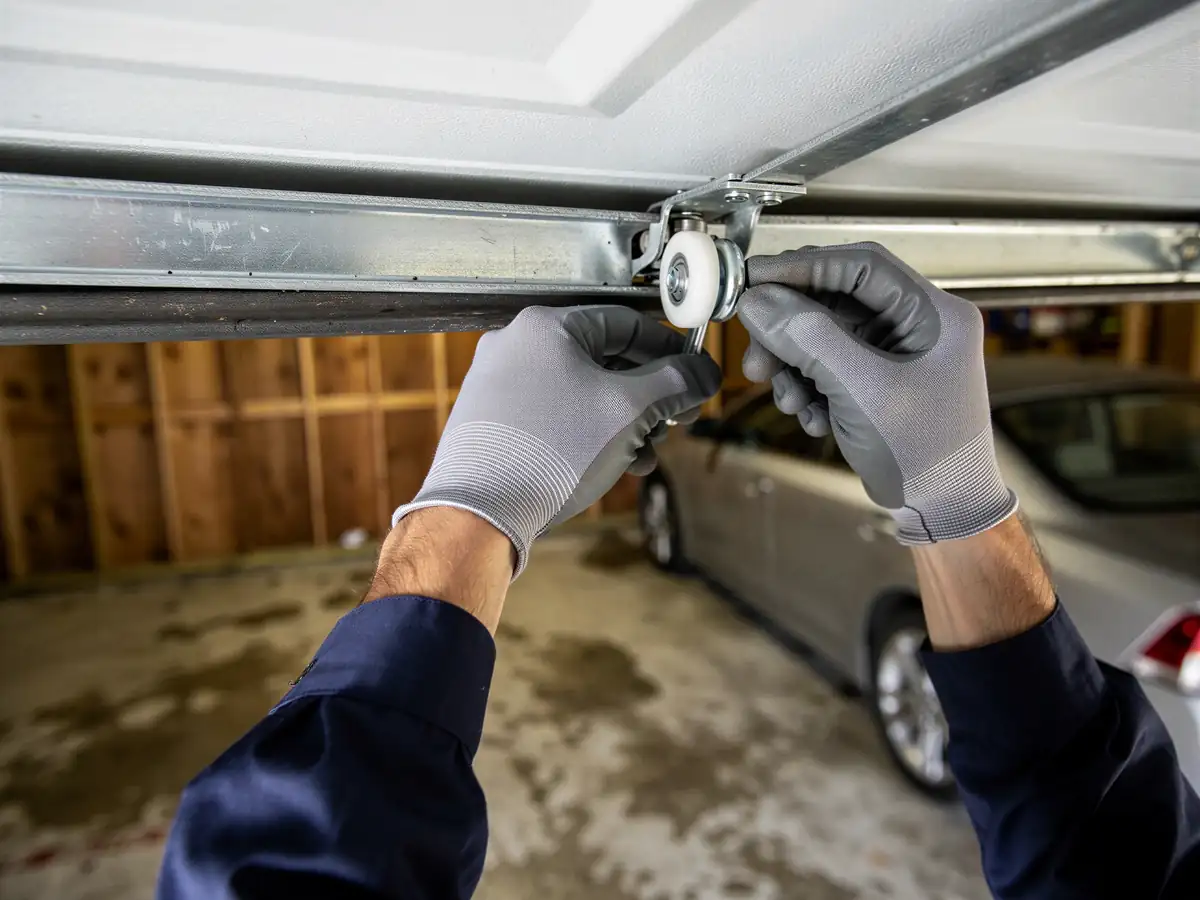
A grinding or popping sound as the door travels, a panel that hops or shudders near the top of the track, or a door that looks like it's walking sideways instead of rolling straight up - that's roller wear, not a spring problem and not an opener problem. The giveaway is usually sound before it's motion: a dry, gritty scrape on one side of the door that gets louder in cold weather.
Most of the housing stock across this service area went up between 1980 and 2008, with the heaviest concentration from the 1980s and 90s across four named pockets of the market. That means a lot of doors out there still have the factory roller set that shipped with the house - stamped steel or early nylon rollers on steel stems, never swapped once in twenty-plus years. Those rollers were fine for the climate they were built for, but nylon tread hardens and cracks with age, and steel rollers wear a flat spot that throws the whole panel off-track.
If you're only hearing noise on the bottom two or three sections, check the bottom rollers first - they carry the most weight and wear first. If the whole door is loud top to bottom, you're probably due for a full set, not a patch job.
Doing It Yourself
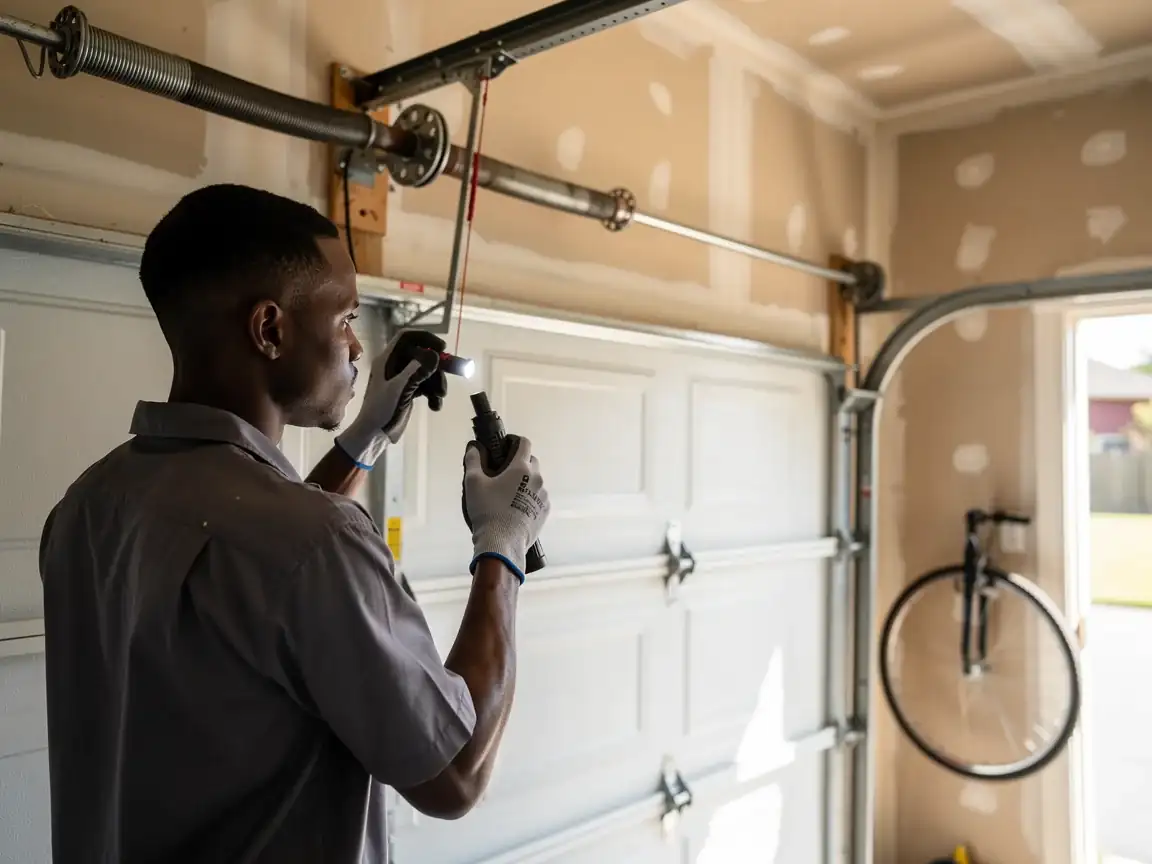
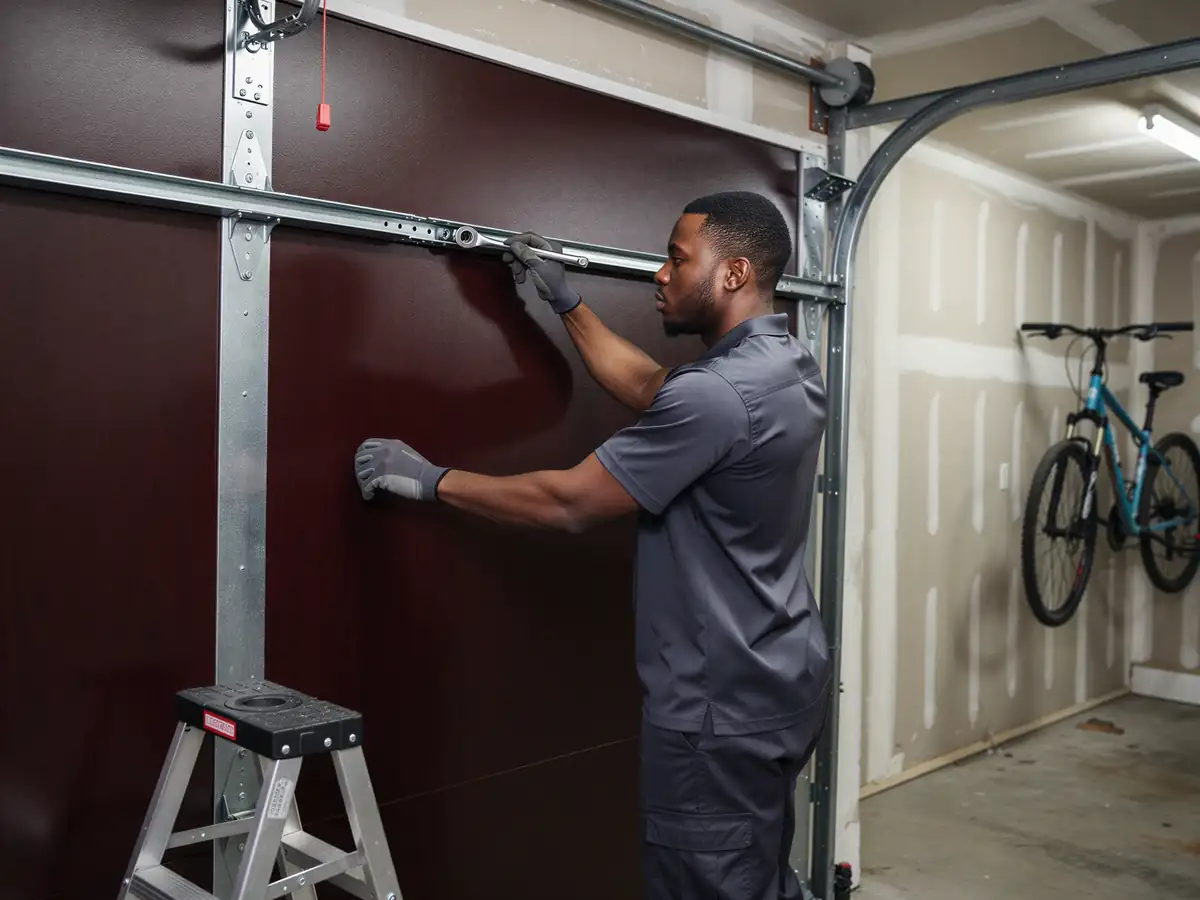
You can inspect rollers safely with the door closed and the opener disconnected. Pull the release cord, pop the hinge clips if you're comfortable with a pair of pliers, and look at the roller tread - cracked nylon, flat-spotted steel, or a wheel that wobbles on its stem all mean replace, not grease. A light coat of garage-door-specific lubricant on a stem that's just dry (not worn) can buy you a few more months.
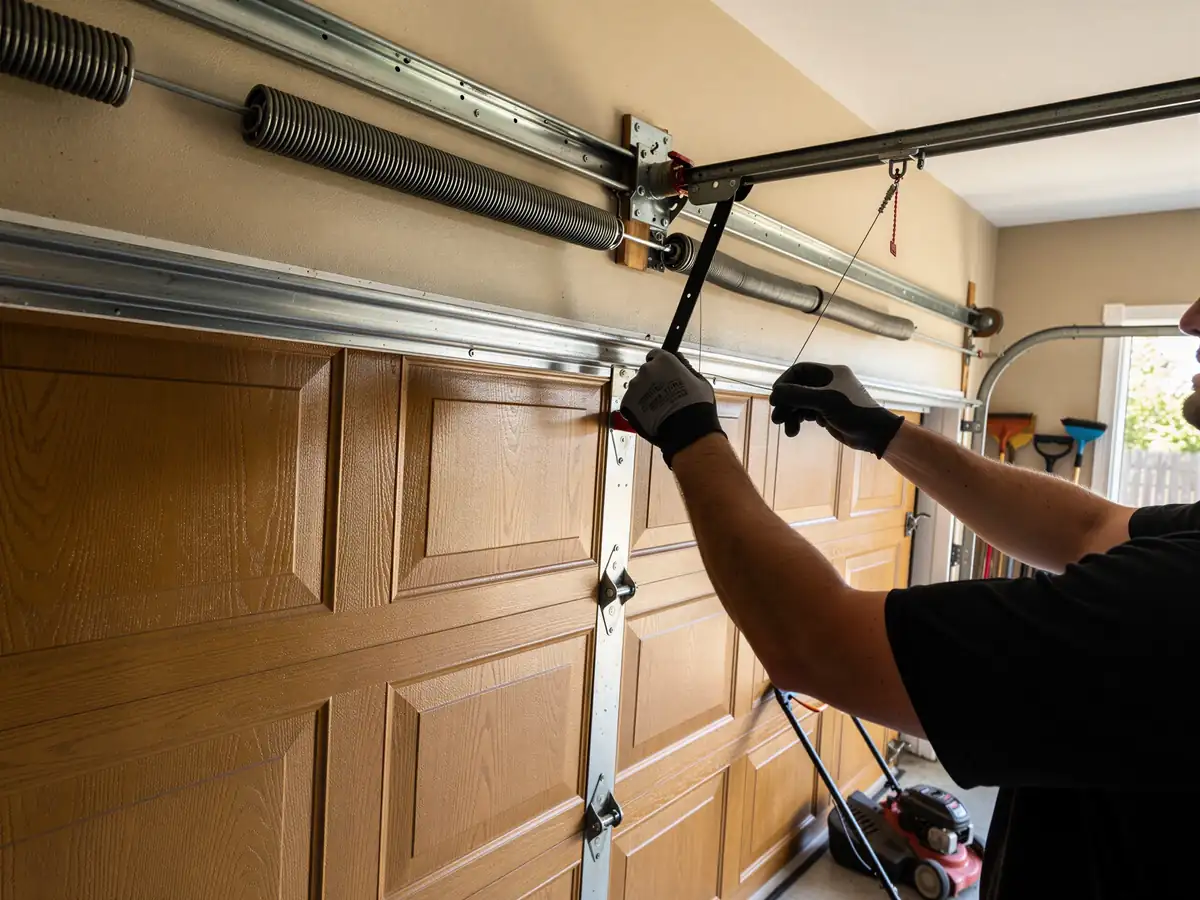
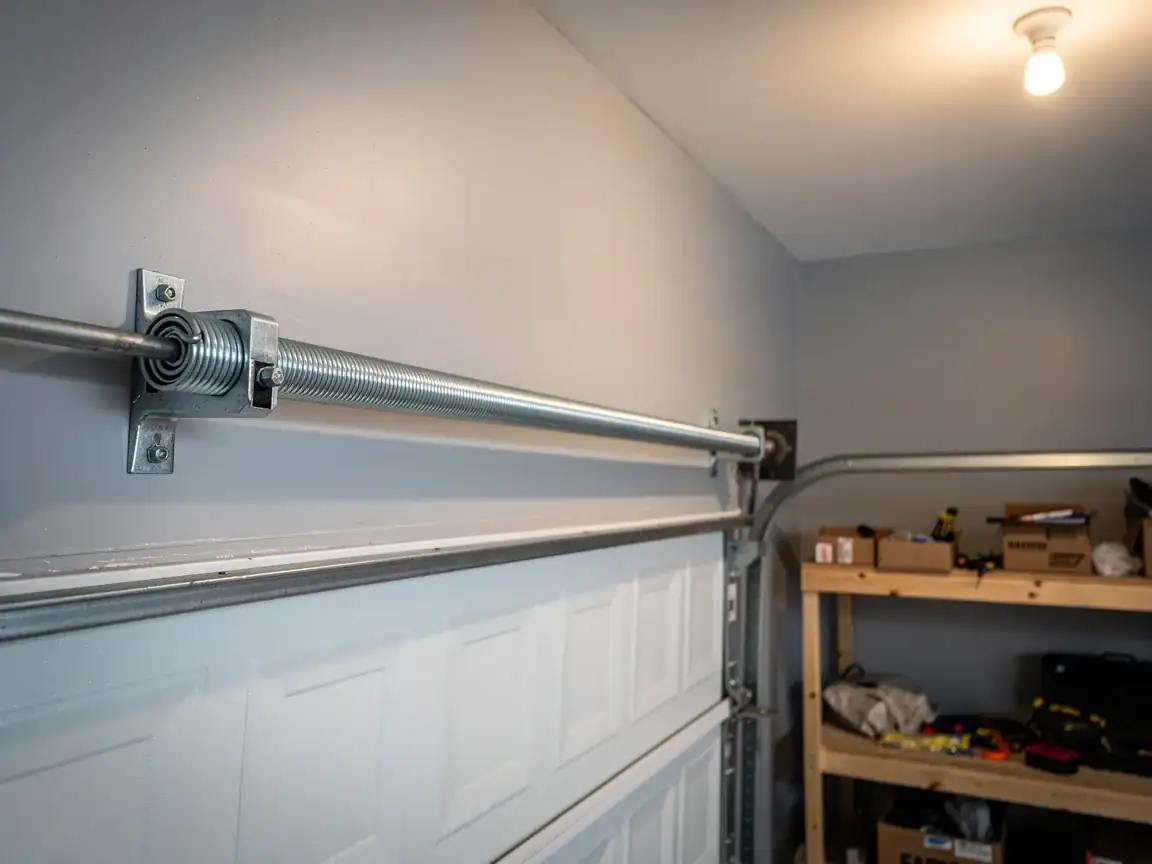
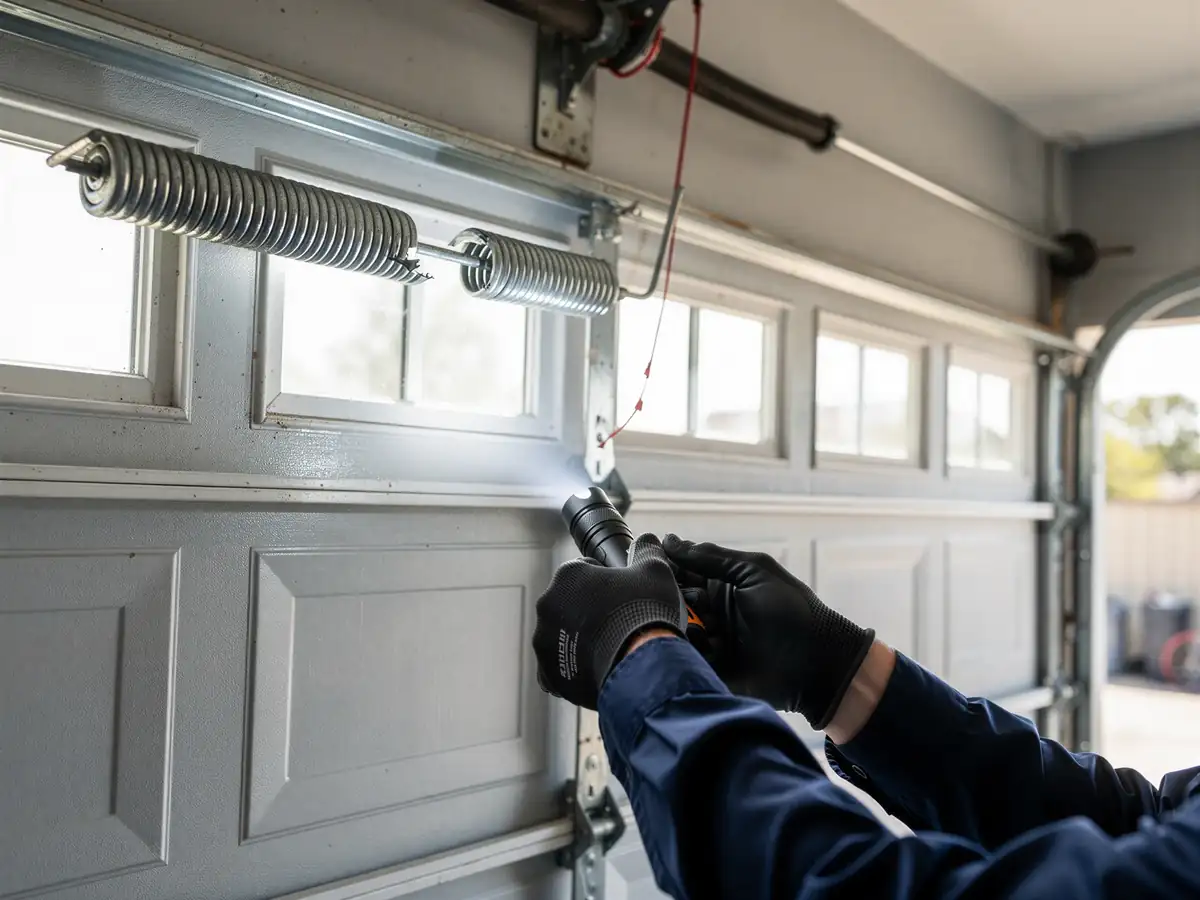
What we don't recommend you do yourself: anything on the top roller of a door with a torsion spring overhead, or anything that requires loosening the track near the spring. The track is under tension from the door's weight and the spring both, and the rollers nearest the top bracket sit right next to that tension. We've seen enough DIY jobs come apart on that step that we'd rather tell you now than fix it later - this is the one part of the job where the $20 part isn't worth the trip to urgent care.
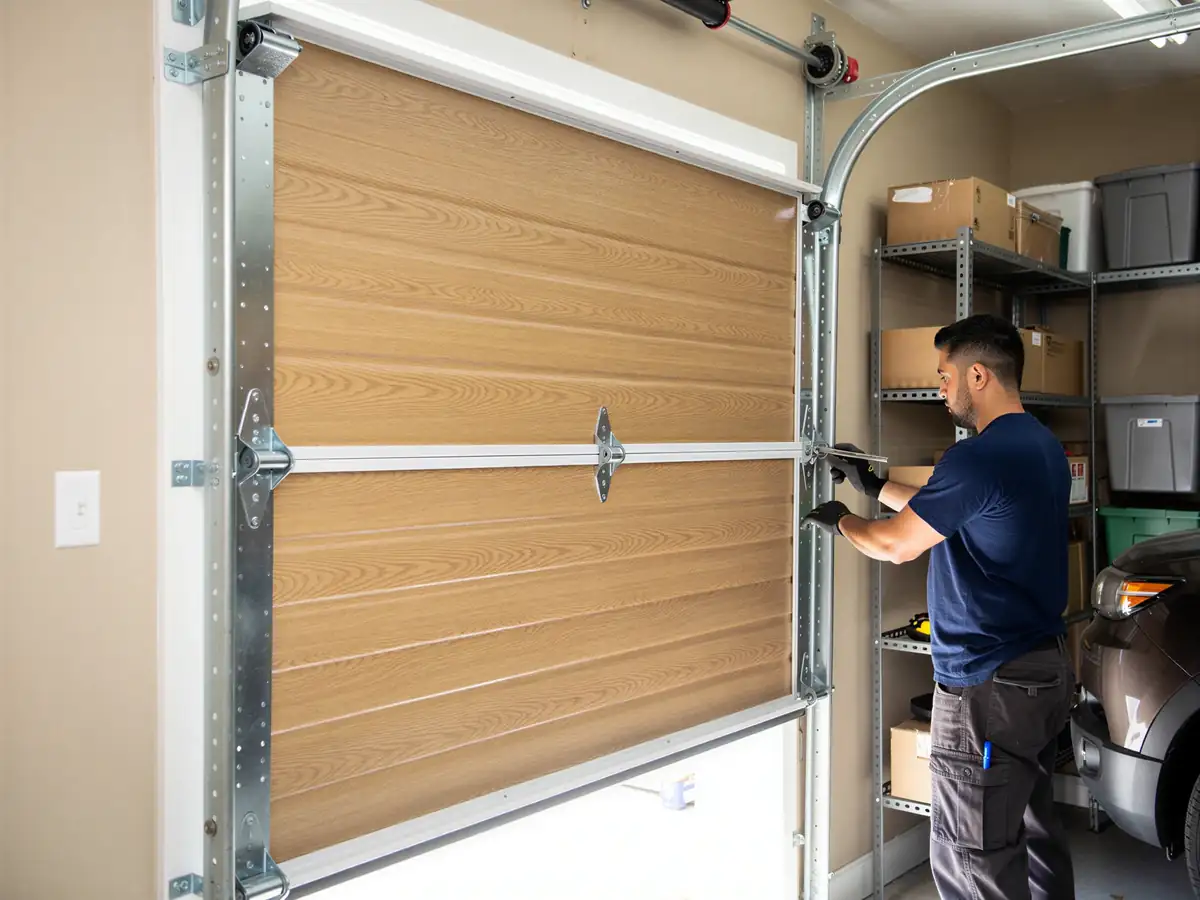
Swapping a bottom roller on a door with no torsion spring in the way, with the door fully down and the opener unplugged, is reasonable weekend work if you've got the right pliers and a steady hand. Everything above that, call it in.
Why It Happens Here
This area sits in a severe cold climate band
And that's the part that ages rollers faster than the calendar alone would suggest. Factory grease inside a roller bearing is formulated for a range, and when temperatures swing hard through a Bozeman winter, that grease stiffens. A stiff bearing doesn't spin freely - it drags, and a dragging roller wears its tread unevenly instead of rolling clean. Add the freeze-thaw cycle on the track itself, where condensation inside an unheated garage ices overnight and glazes the rail, and you get a roller fighting friction on both ends.
The housing stock compounds it
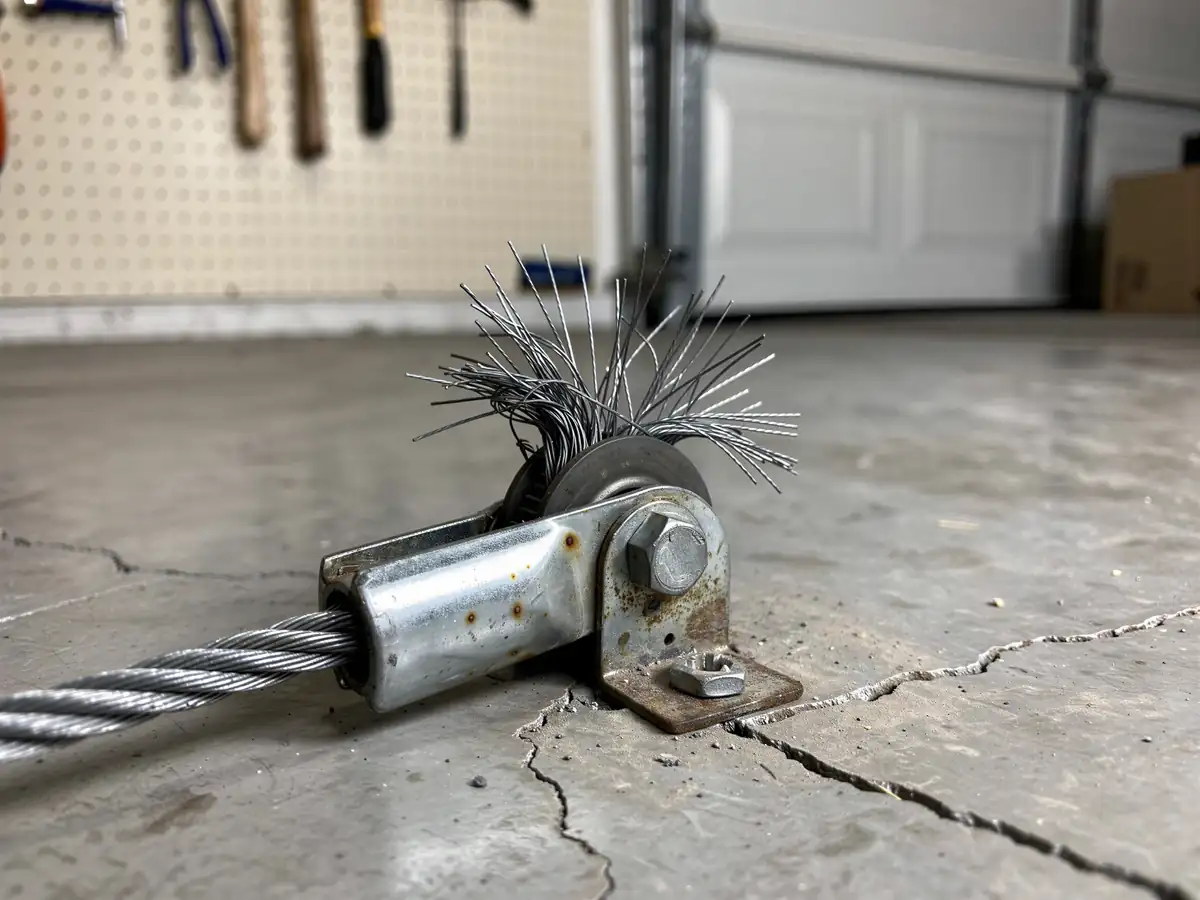
A door built in the early 1990s has had three decades of that cycle on the original hardware. Steel rollers from that era don't have sealed bearings the way current stock does, so dirt and moisture get in over time and the wear accelerates in the last few years before failure - which is usually right when an owner finally calls, because the noise went from occasional to constant over one winter.
Newer builds in the later end of that 1980-2008 window often have nylon rollers that handle the cold better initially but crack with age regardless
So even newer homes in the service area aren't exempt, just on a longer timeline.
The Cost of This Job
What drives the price on a roller job isn't the roller itself - it's how many you're replacing and what shape the track is in once we're looking at it closed up. Steel rollers cost less than sealed nylon, but we don't recommend mixing new rollers with a track that's bent or pitted from the old flat-spotted wheels; that just transfers the wear to new parts faster.
Across the service area's roughly 7,705 households and 3,479 owner-occupied houses, we see the same pattern again and again: one or two noisy rollers get the call, and once we're in there, the rest of the set is within a year or two of the same failure. At a median household income near $100,185, most owners here choose to do the full set at once rather than pay a second trip charge for the rollers that were about to go anyway.
One honest limitation: if your track is warped badly enough, new rollers alone won't quiet the door down - that's a track replacement job, and we'll tell you that up front rather than sell you rollers that'll still rattle in a bent rail. We'd rather lose that line item than have you call back in a month.