What You Are Seeing
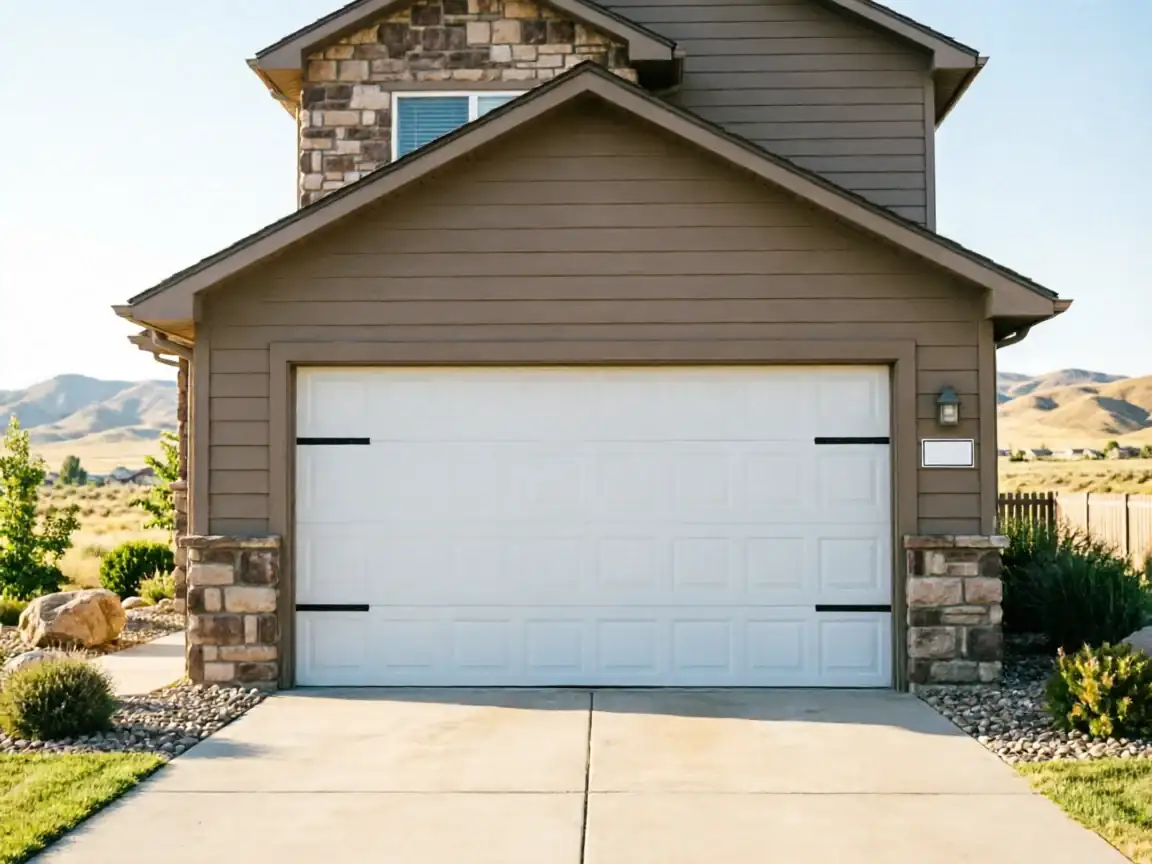
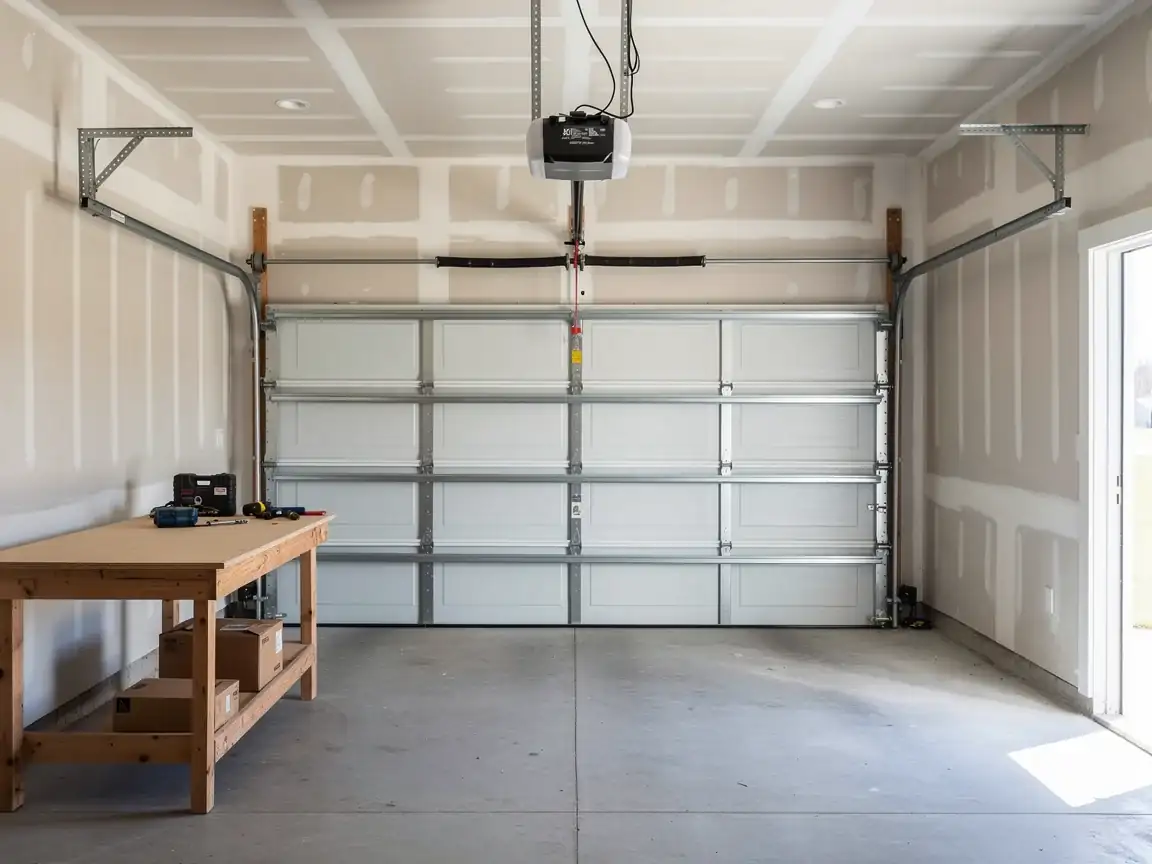
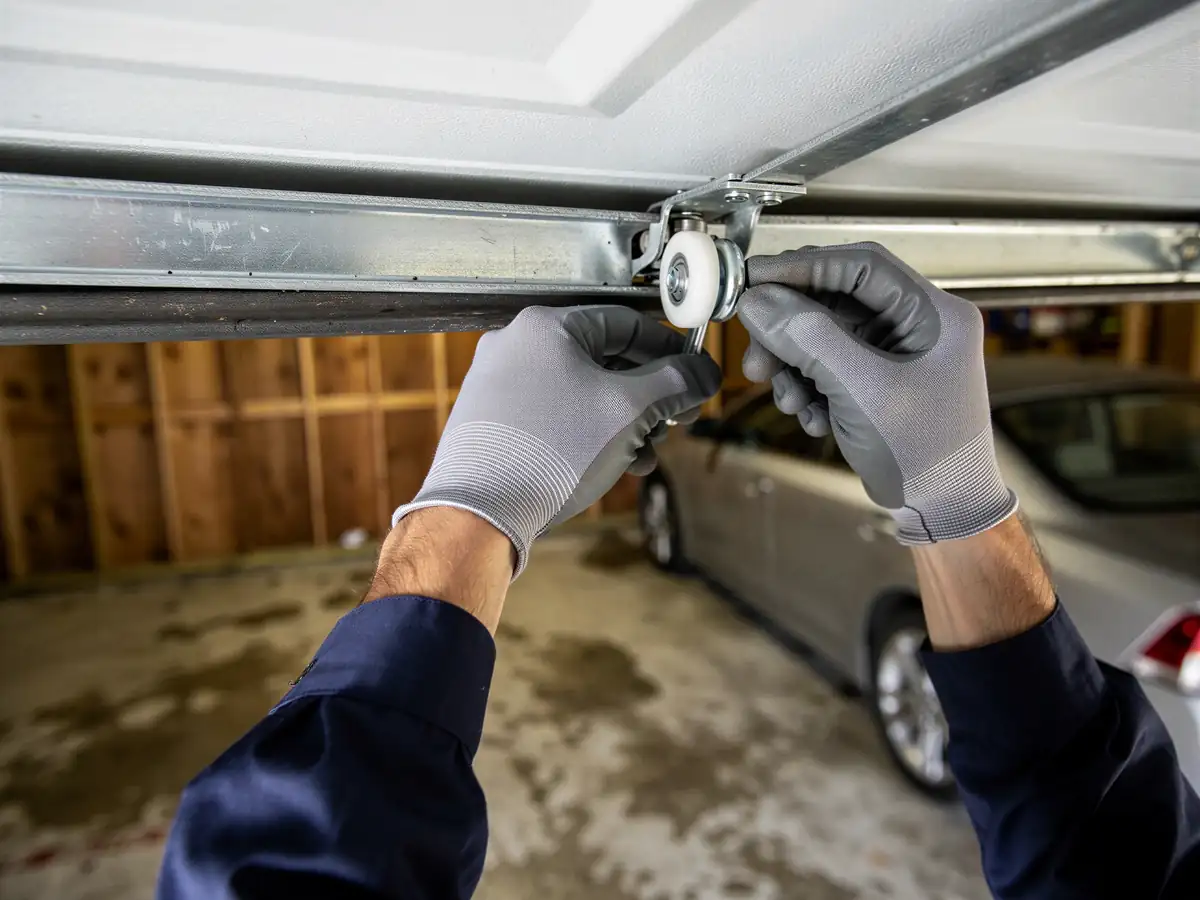
Most of the houses we work on across the Bozeman service area went up between 1980 and 2008, median 1994. Bridger skews older than that average - the typical build year here sits around 1980, a good decade ahead of the rest of the territory. That gap matters more than it sounds like it should. Doors installed in that earlier wave of construction often shipped with steel rollers riding directly on steel tracks, no nylon, no sealed bearing. Thirty-plus winters of that metal-on-metal contact leaves a specific signature: a grinding or rattling sound that gets louder as the door nears the top or bottom of its travel, a door that hangs or jerks at one spot in the track every single cycle, and flat spots worn into the roller wheel itself that you can feel if you run a finger across it with the door up. If your rollers are original to a house built around 1980, they've outlasted their design life by a wide margin. That's not a flaw in the door - it's just the math of a 44-year-old part doing a job it was never built to do for this long.
Booking a Visit
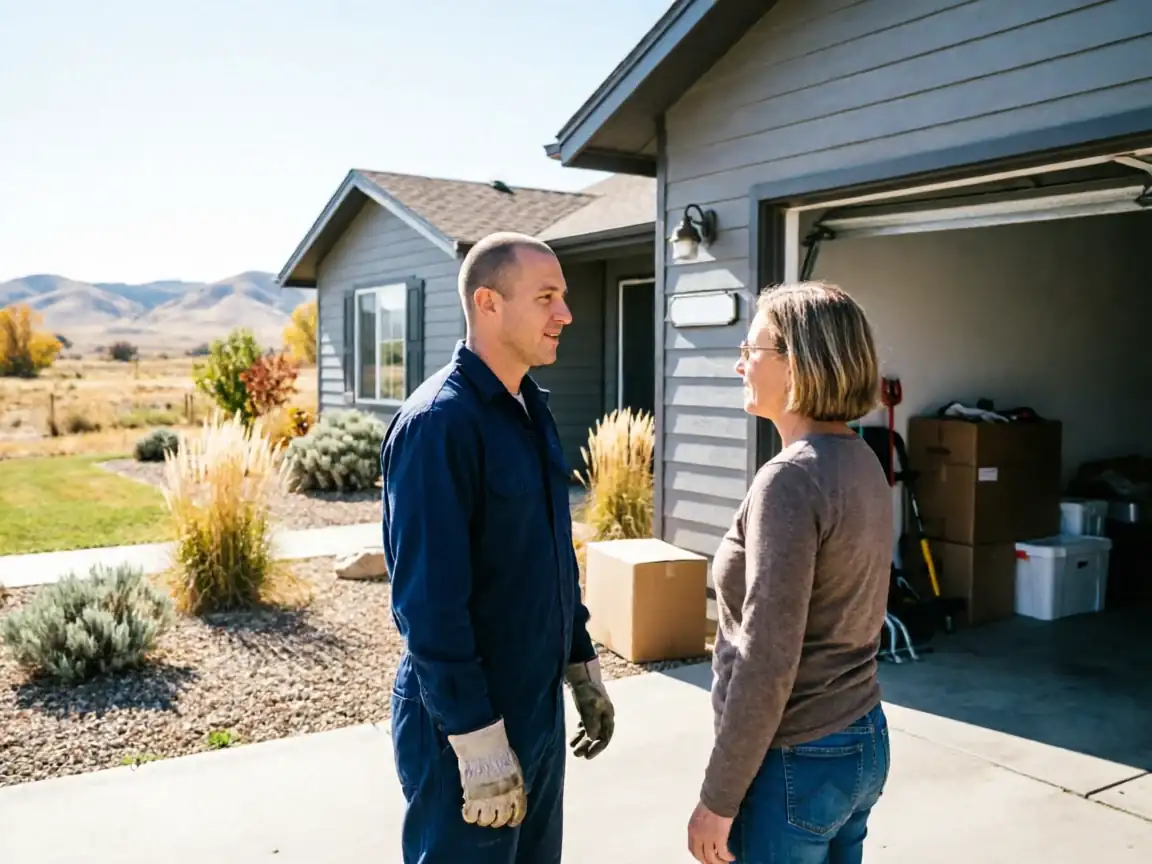
We cover Bridger from our base in Bozeman, 11 miles out. There's no branch or drop box in town, so when you call, we schedule the truck to come to you rather than you coming to us. Have the door's age or the house's build year handy if you know it - for a stock this old, that one detail tells us a lot about whether we're replacing rollers alone or whether the track and hinges need a look too. Request a visit for Bridger garage door repair.
Why It Happens Here
With a median build year around 1980, Bridger is sitting roughly a decade and a half ahead of the broader service area's 1994 median, and that difference shows up almost entirely in hardware, not in the door panels themselves. Owners in this pocket are more likely to still have the original roller-and-track combination the house shipped with, since there's been less remodeling turnover to trigger a hardware upgrade along the way. On top of the age factor, this is a severe-cold climate region generally, and steel rollers contract and expand with every freeze-thaw cycle, which accelerates the wear on a roller that's already past its intended service life. It's a small area - around 46 households by our count - so we're not describing a universal pattern, just what tends to show up when a house this age gets a service call.
What the Fix Involves
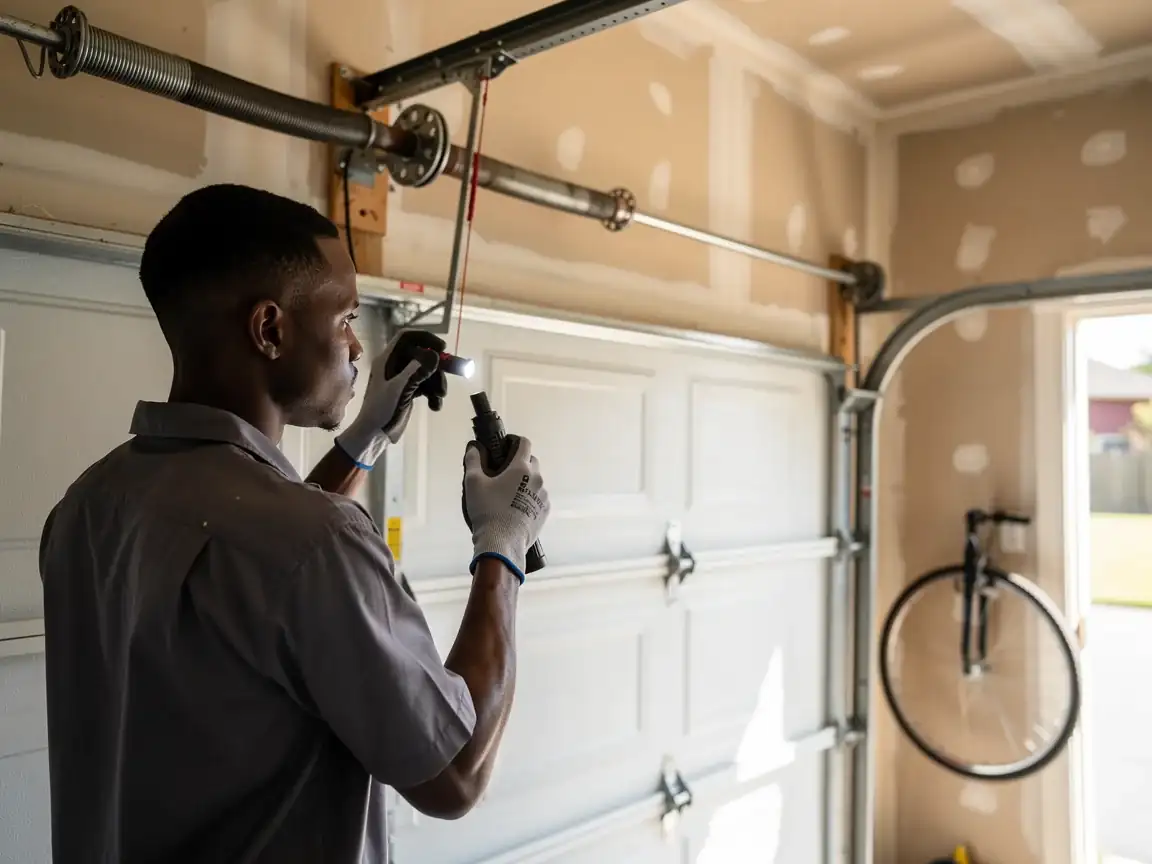
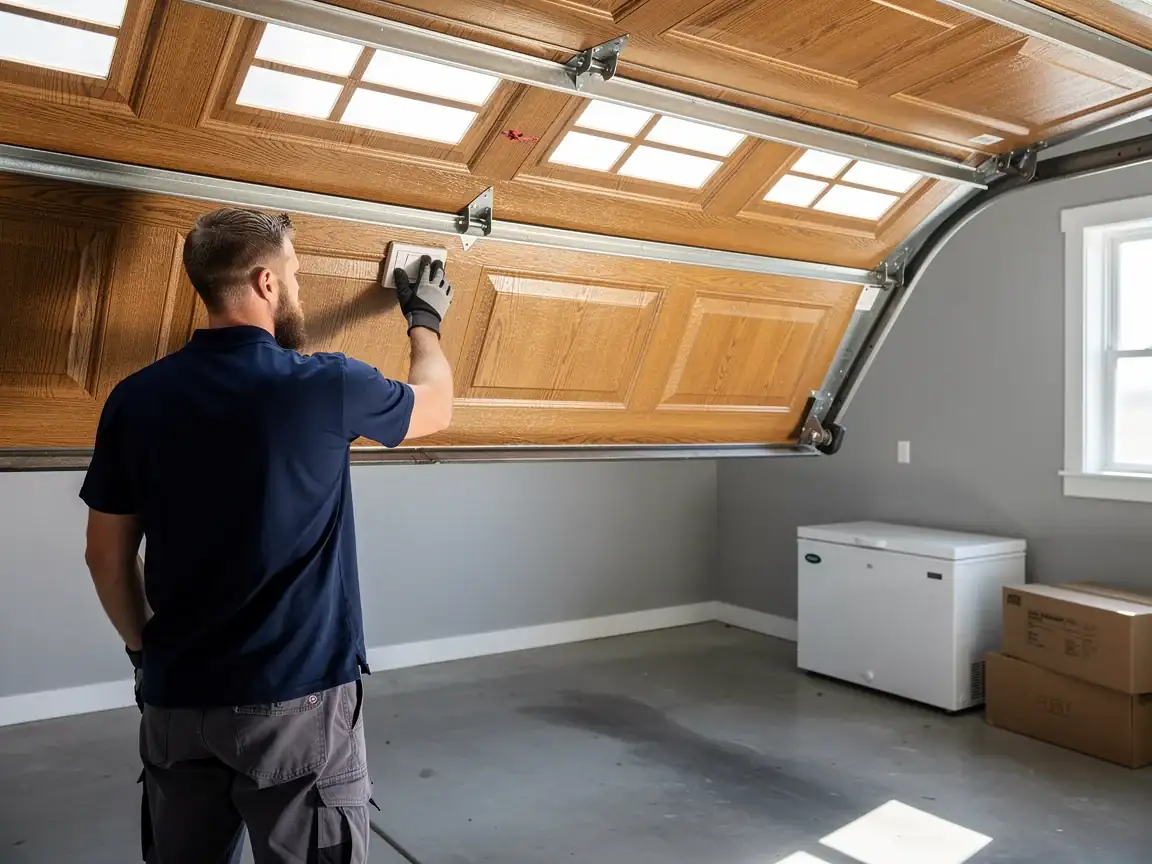
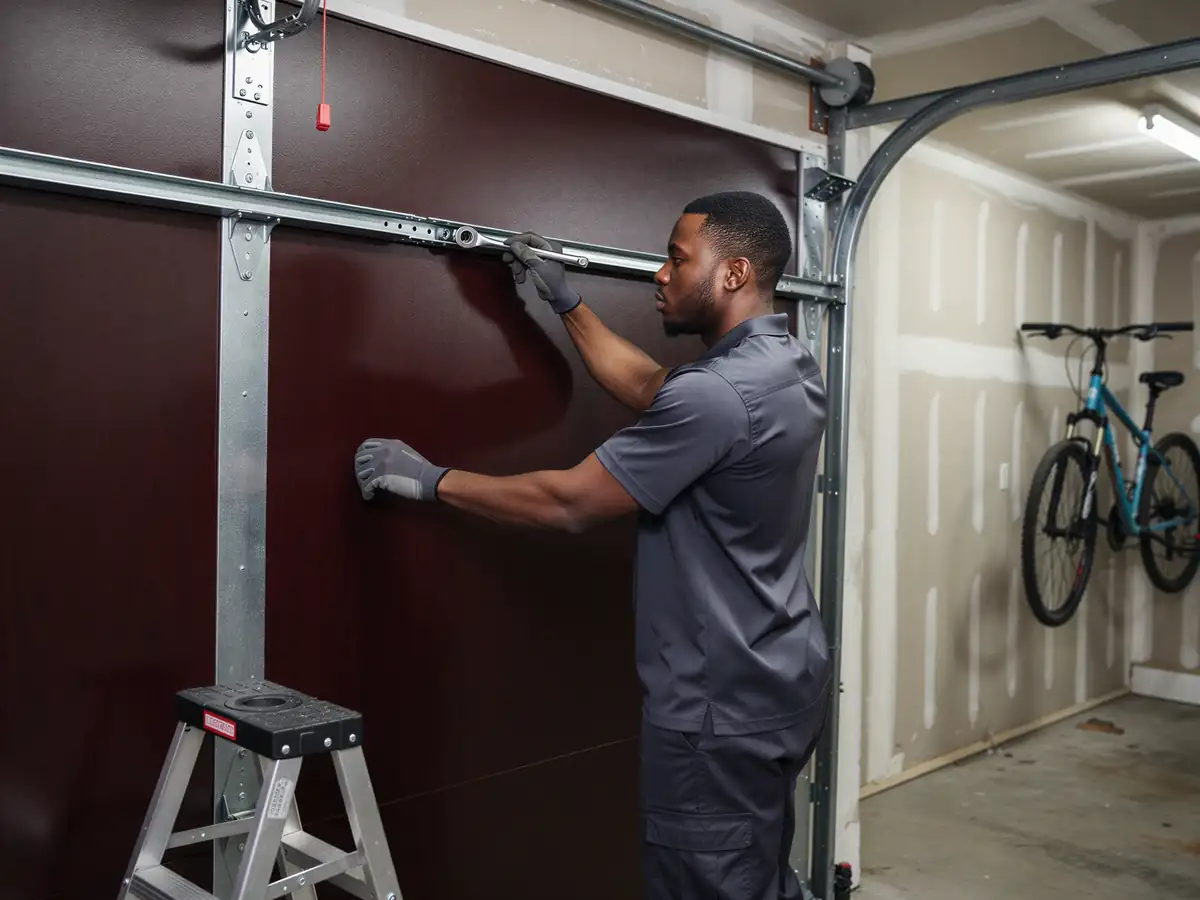
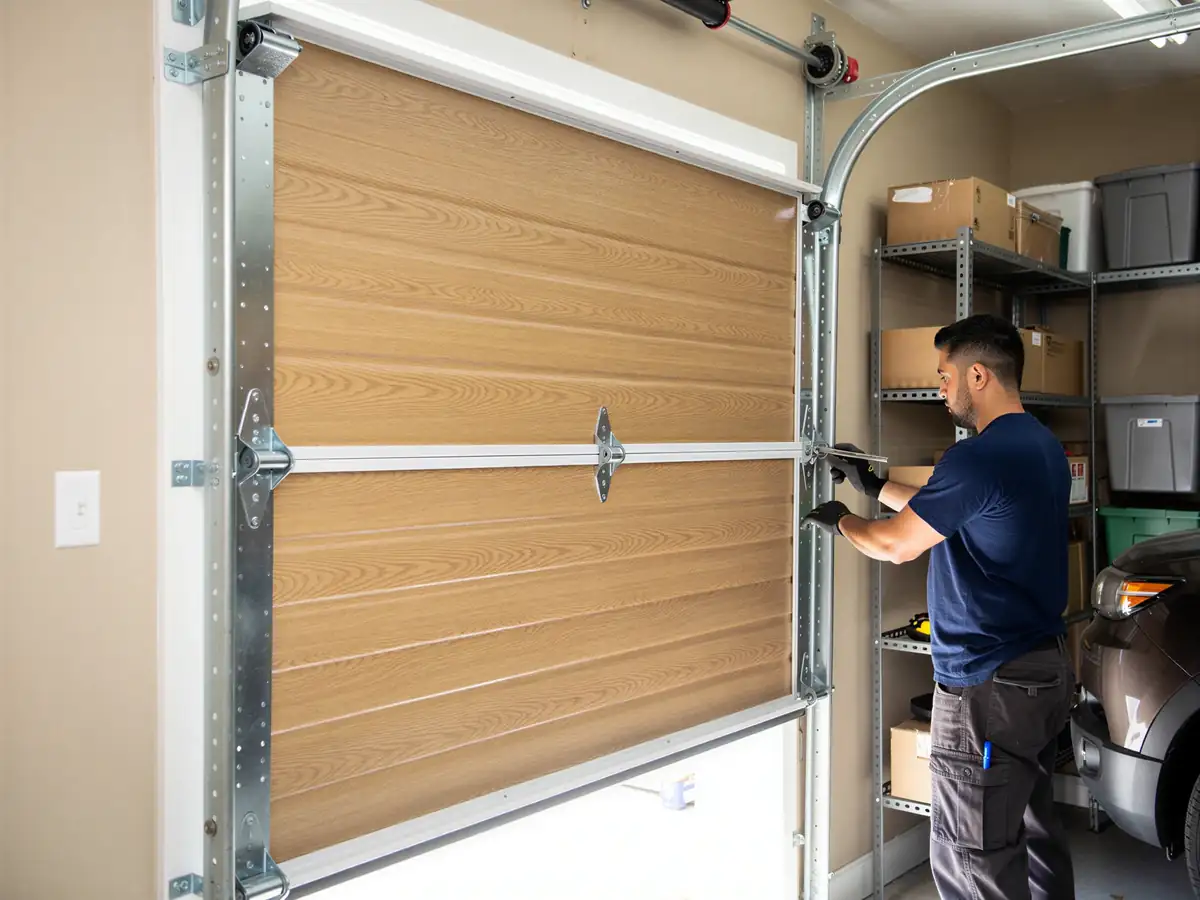
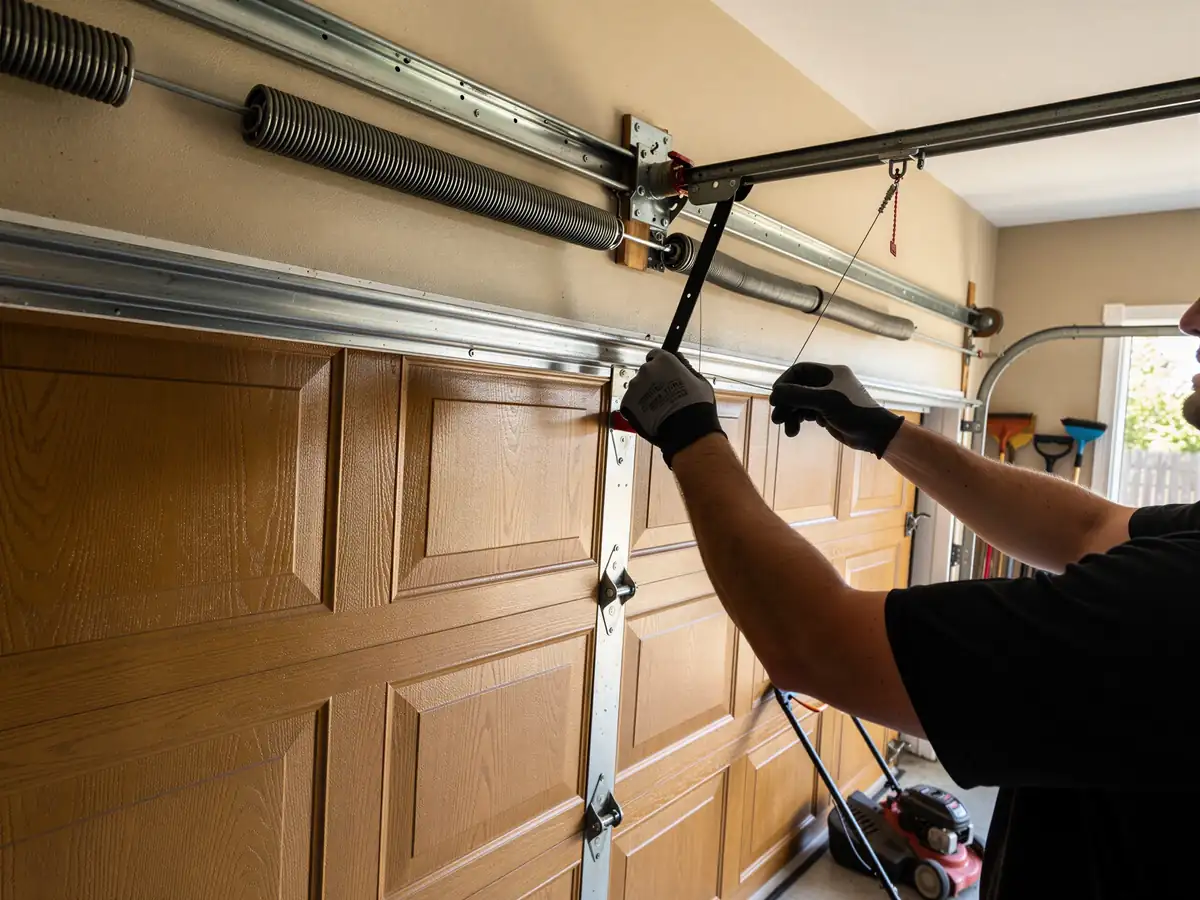
For most of these jobs, the fix is a full roller set replacement - all ten, not just the noisy ones, since if one is worn the rest are close behind on a door this age. We typically move to sealed-bearing nylon rollers, which run quieter and don't need the periodic lubrication steel rollers do. If the track itself shows grooving or the hinges are cracked, which isn't unusual on original 1980-era hardware, that gets addressed in the same visit rather than left for a second trip. One honest limitation: if the track is badly bent or the door is a style no longer in common production, roller replacement alone won't solve the noise, and we'll tell you that rather than sell a roller swap that won't hold.