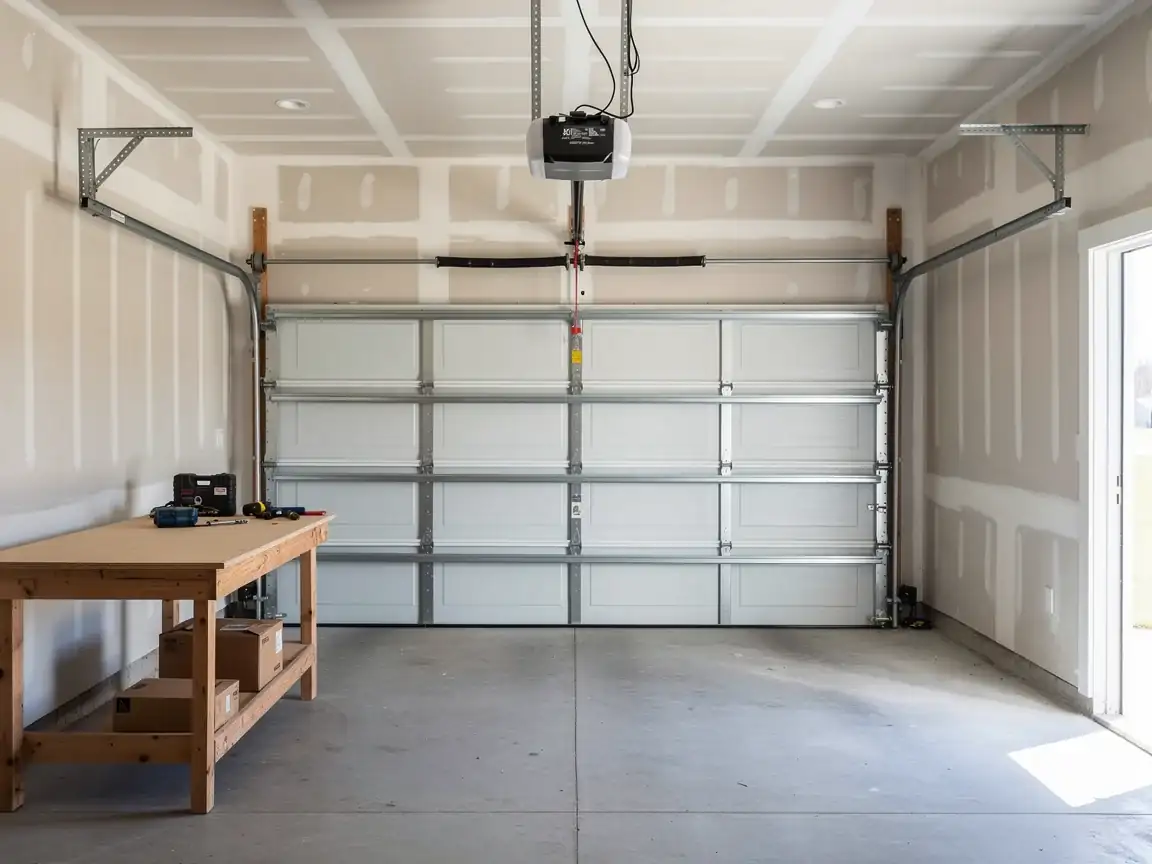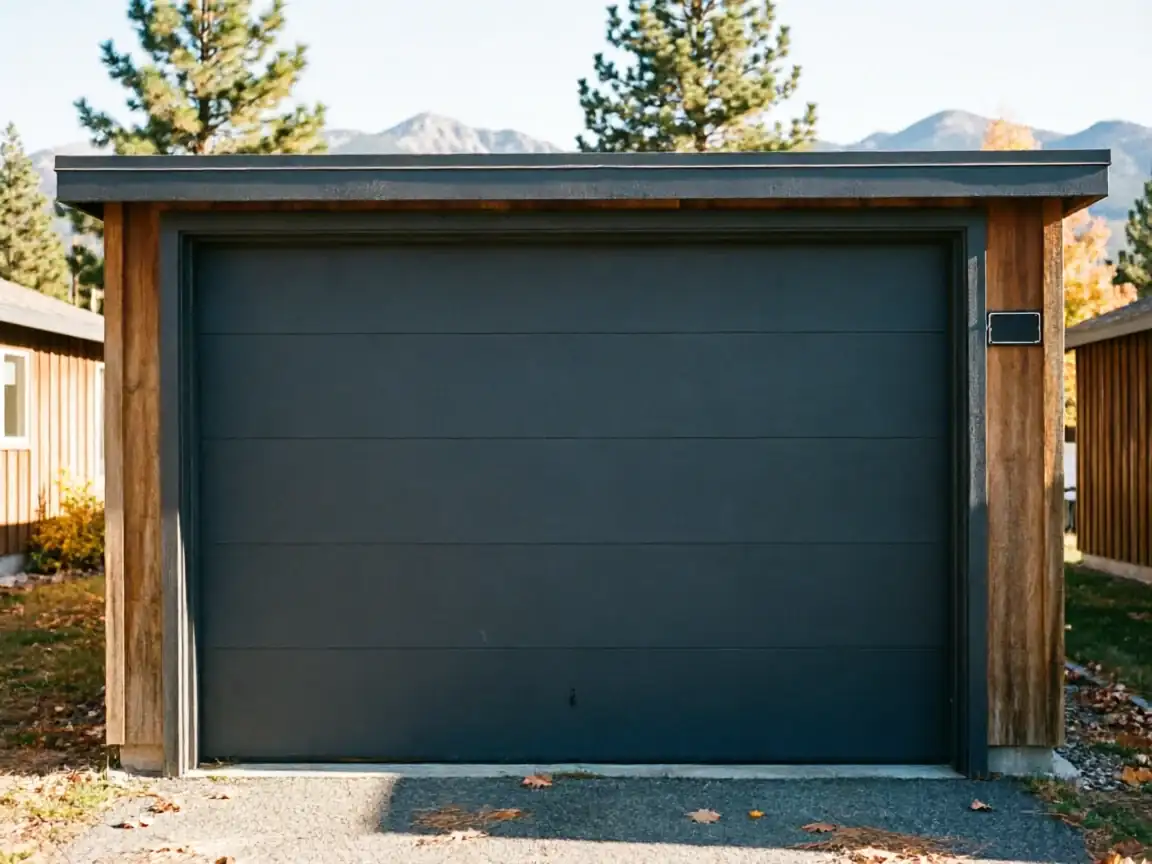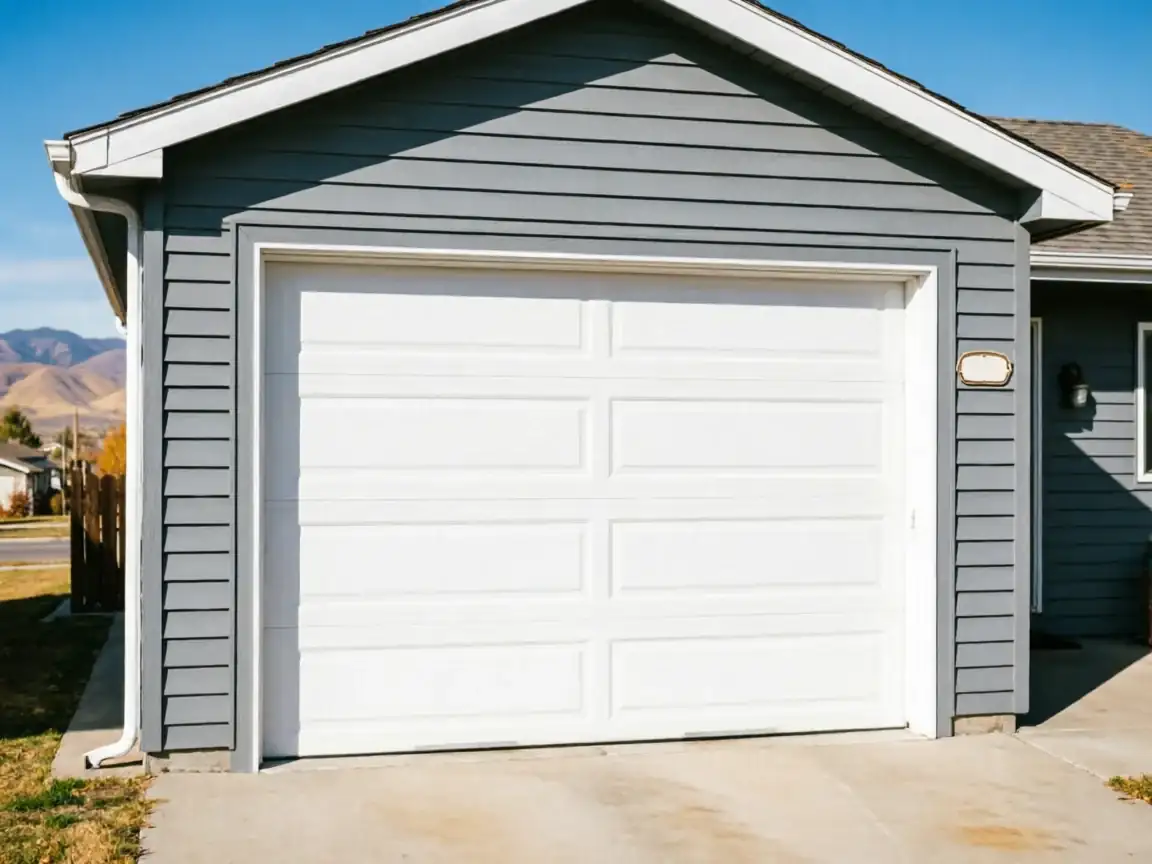
What You Are Seeing
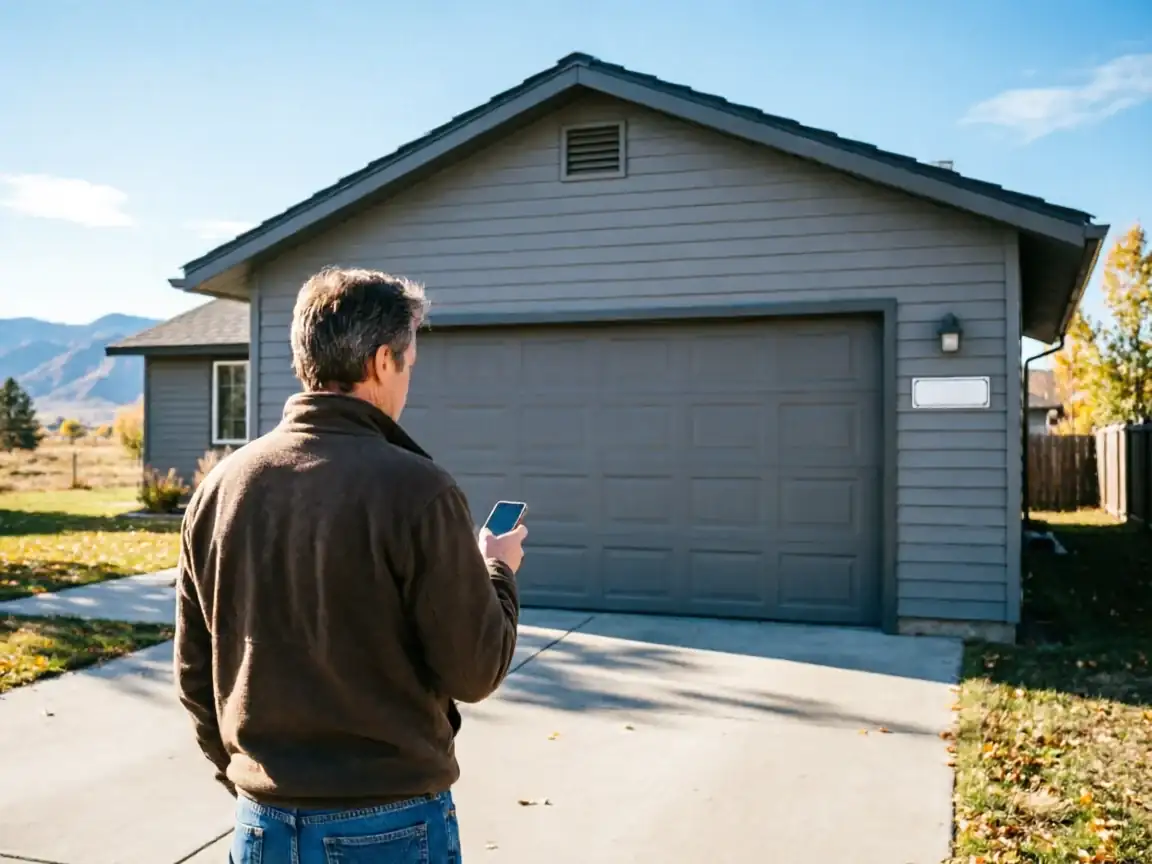
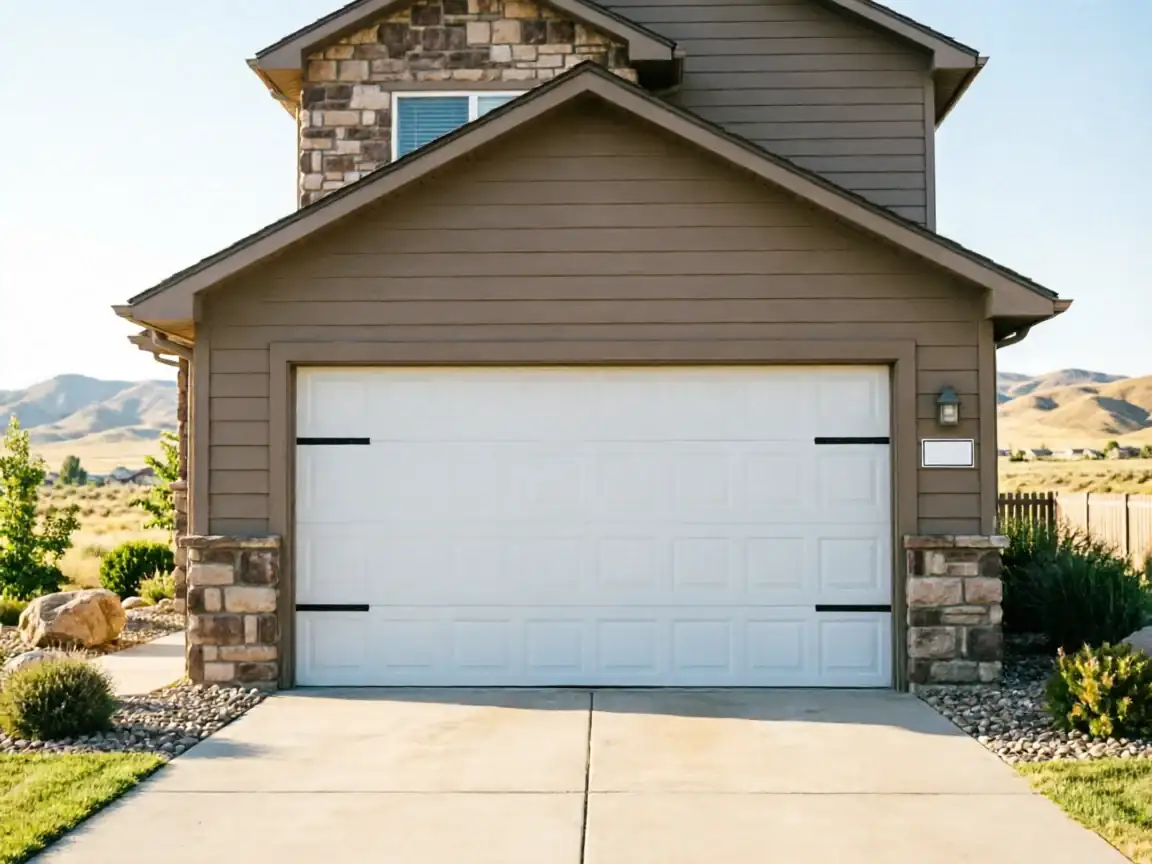
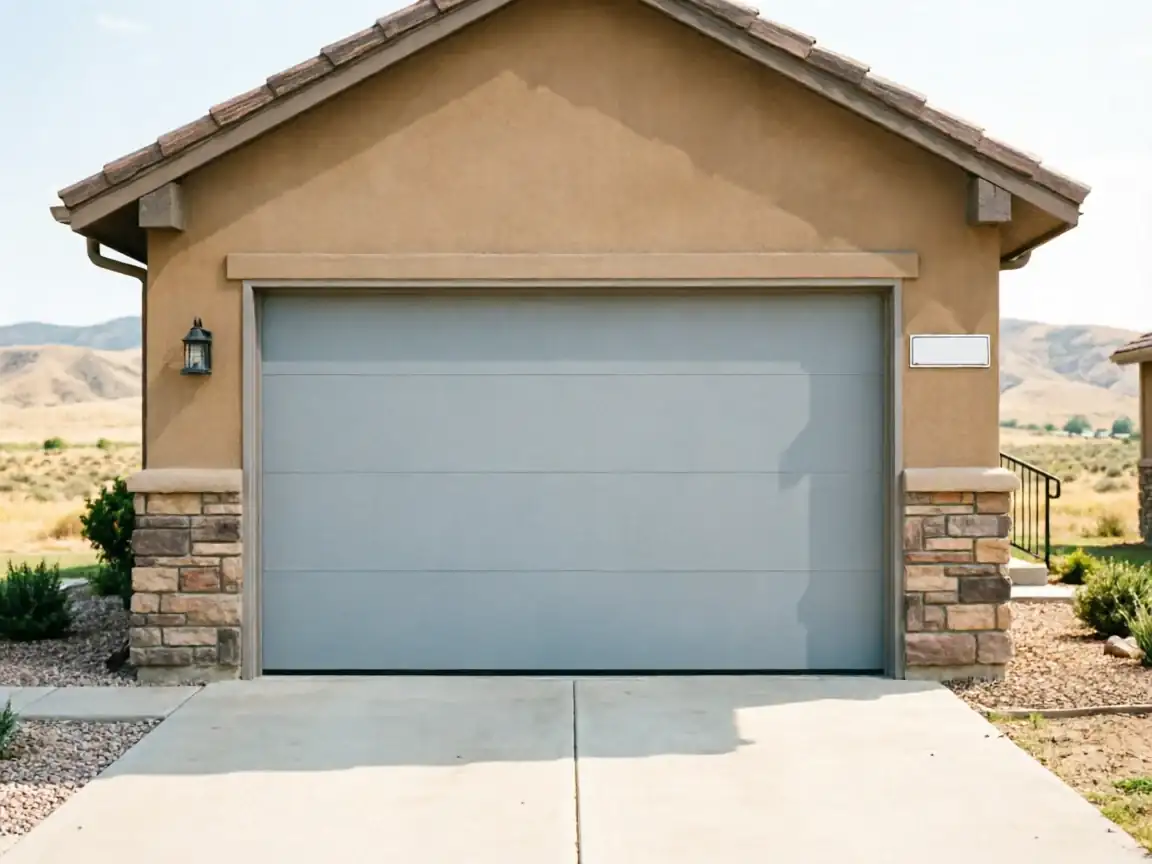
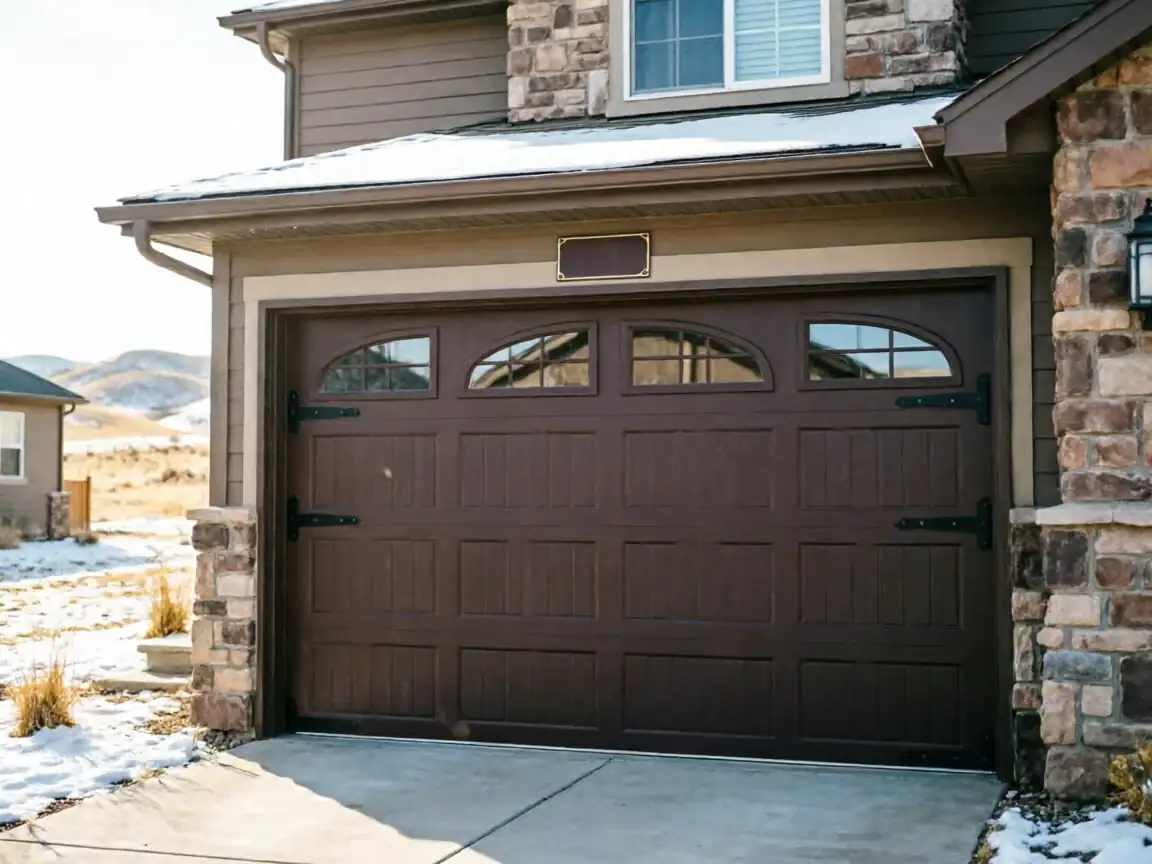
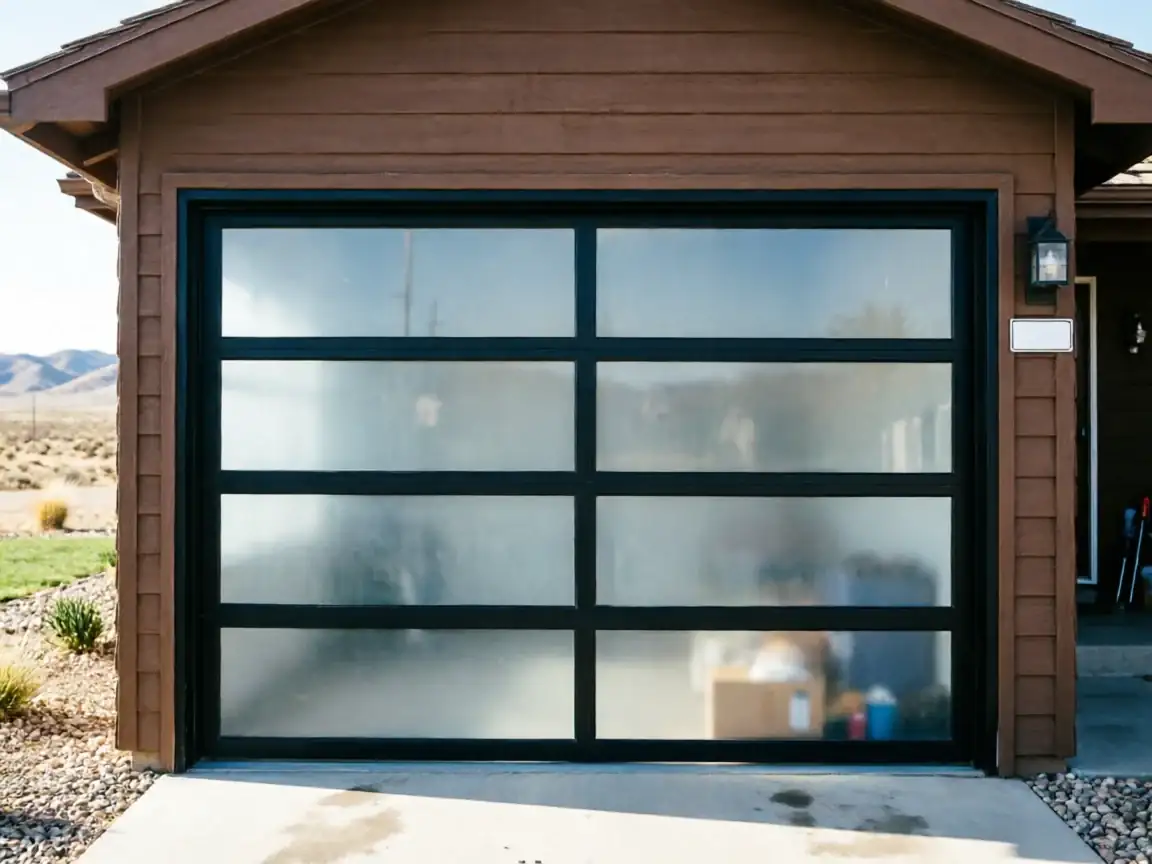
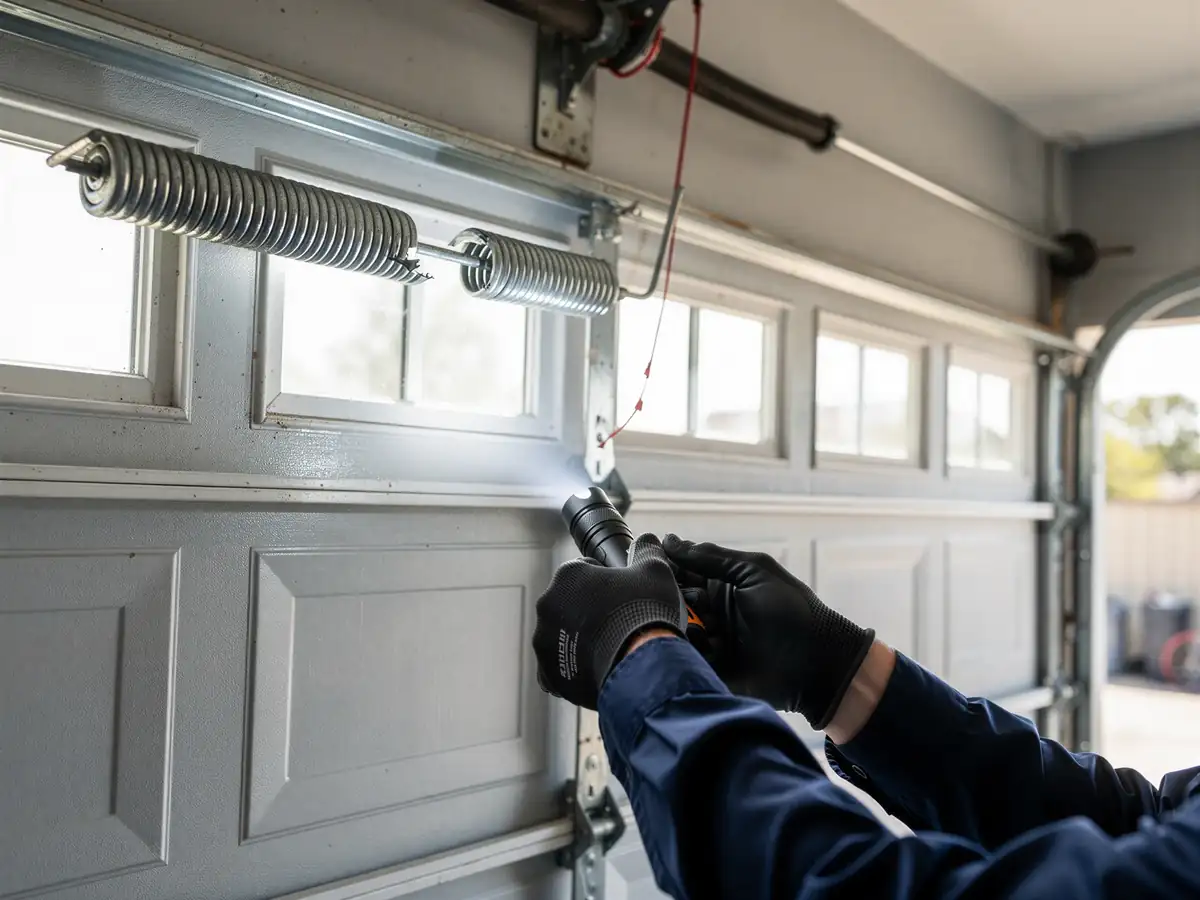
Most houses in Bridger date to around 1980, which puts the original garage door and opener right at the edge of what's worth fixing. Doors from that period are almost always single-layer steel or aluminum, no foam core, hung on tracks sized for openings that were common before insulated sectional doors became the norm. If your door still has its factory hardware, you're looking at a panel that was never built to hold back a Montana winter, let alone the exterior noise and temperature swing of an uninsulated slab. With only 46 households in Bridger, there isn't a cluster of recent replacements to point to - a lot of these doors just never got swapped out, and owners live with drafts, a stuck or groaning opener, or a door that's heavier to lift by hand than it should be. New installation here usually means correcting for an opening and header that were framed for an older door style, not just dropping in whatever's cheapest.
Booking a Visit
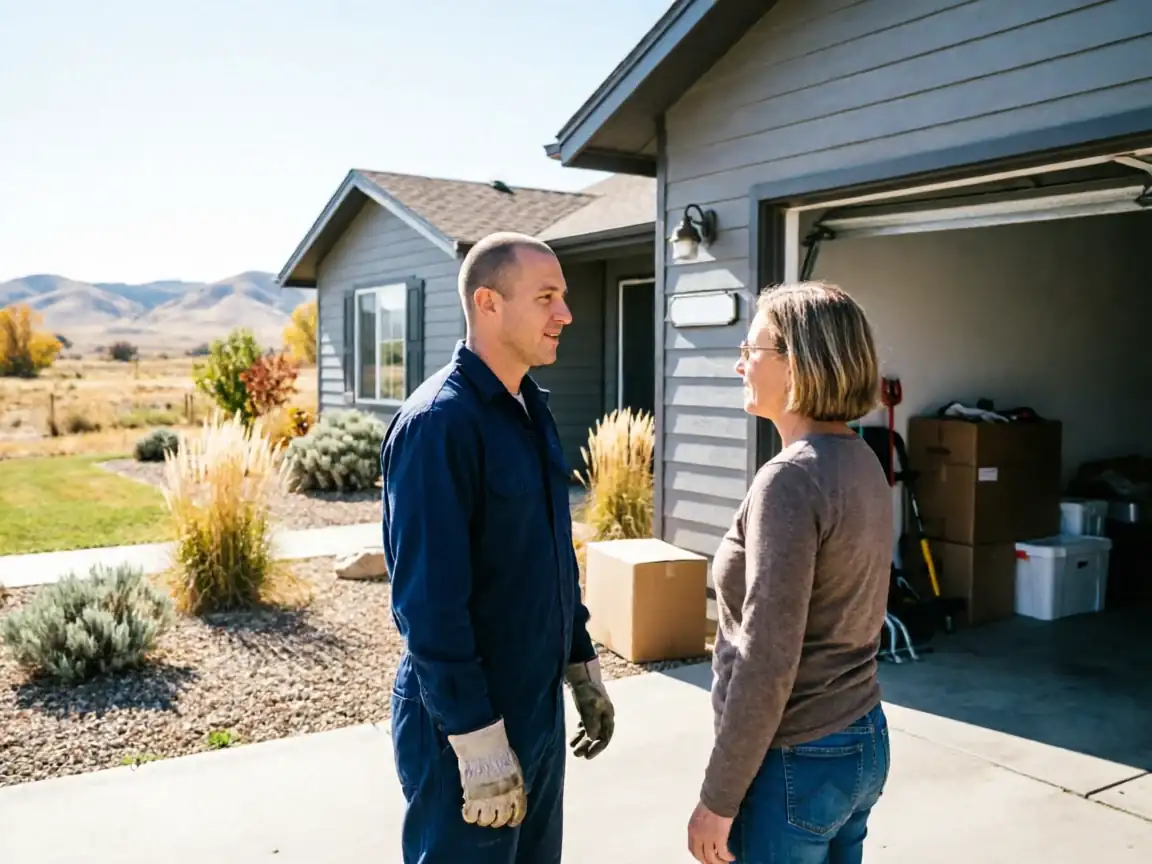
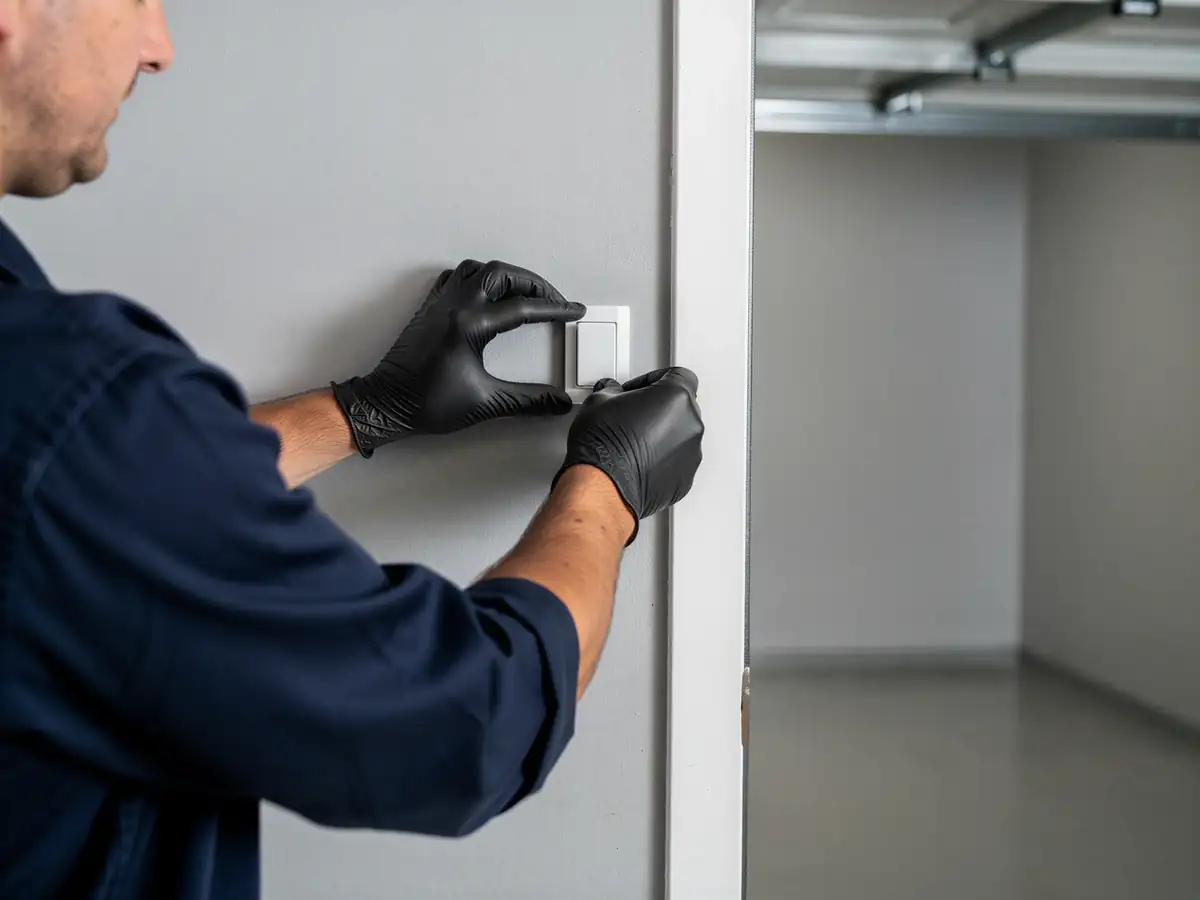
We cover Bridger out of Bozeman, about 11 miles away, so a visit here gets scheduled rather than dropped in on same-day. When you call, have the width and height of your current opening and the age of the house if you know it - for a neighborhood built around 1980, that tells us a lot about what's behind the trim before we ever get there. We'll talk through insulated steel versus other options, measure on site, and give you a number before any work starts. There's no local branch or storage yard in Bridger itself; the door and hardware travel with the crew from Bozeman, which is normal for a town this size and just means we plan the trip rather than treat it as a drop-in.
Why It Happens Here
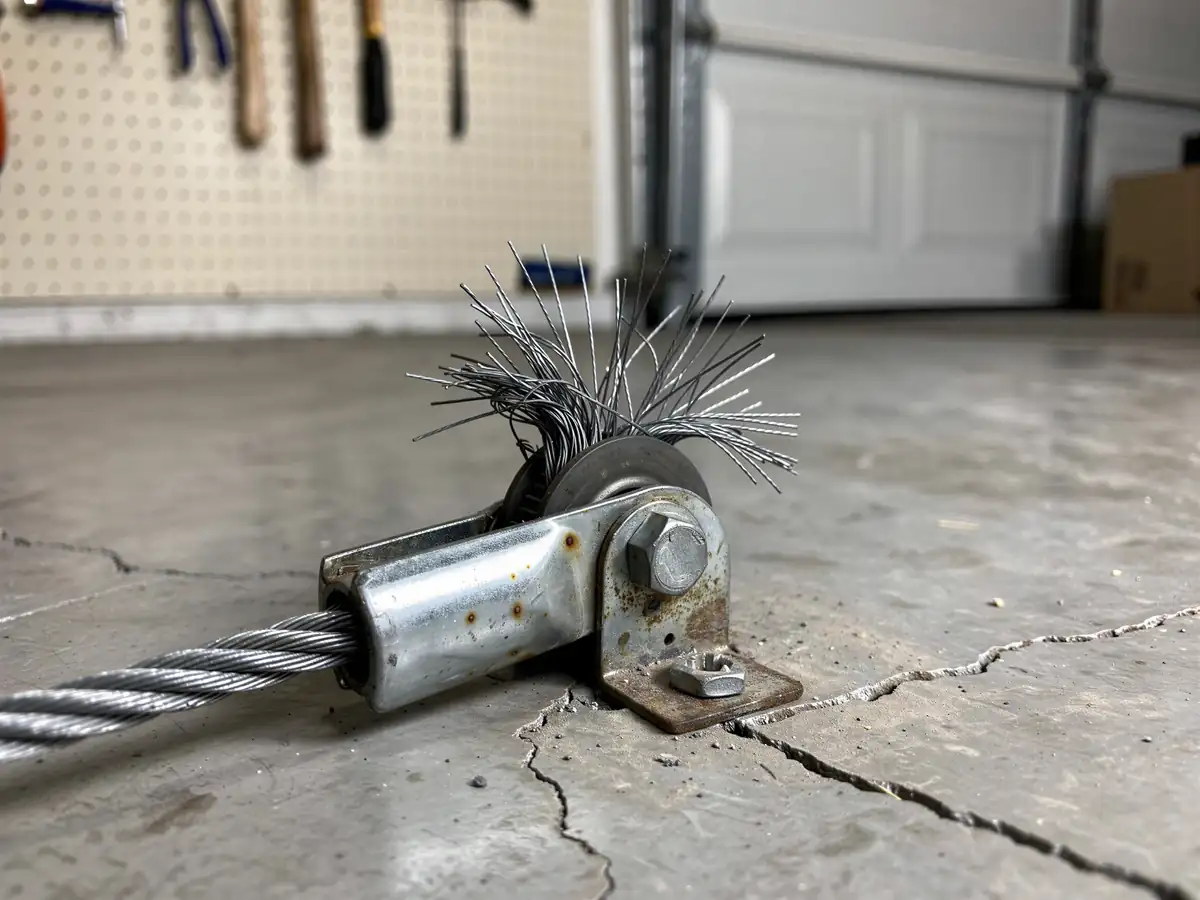
Bridger sits in a severe cold climate zone, and a house built around 1980 was framed to the insulation standards of that year, not today's. Garage doors from that era were rarely insulated at all - R-value wasn't a selling point yet - so the garage itself often runs close to outdoor temperature all winter. That matters more in a town like this because the broader service area's housing stock runs newer on average, built mostly from 1980 through the 2000s with the typical home dated around 1994; Bridger's homes sit at the early edge of that range, meaning the hardware here has simply had more winters to work on it. Combine an older door with Montana cold and you get brittle seals, stiff rollers, and springs that lose tension faster than they would in a mild climate.
What the Fix Involves
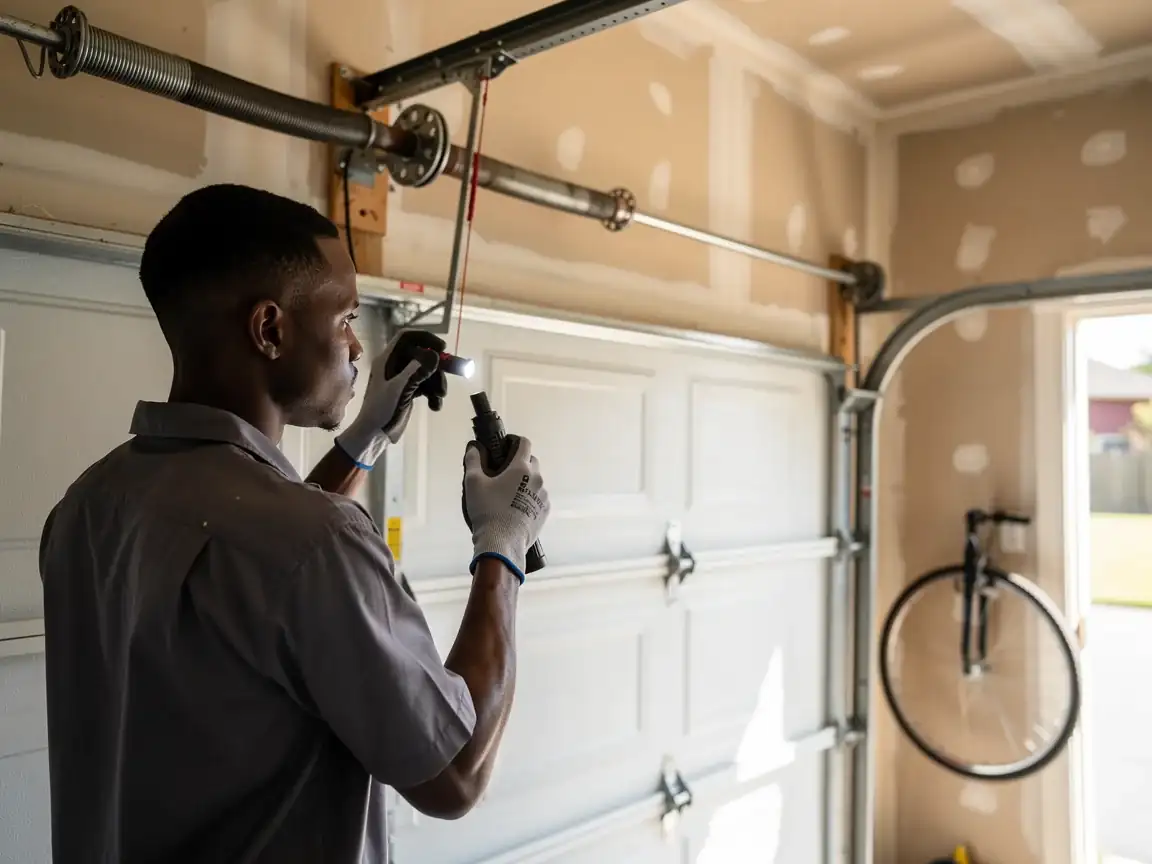
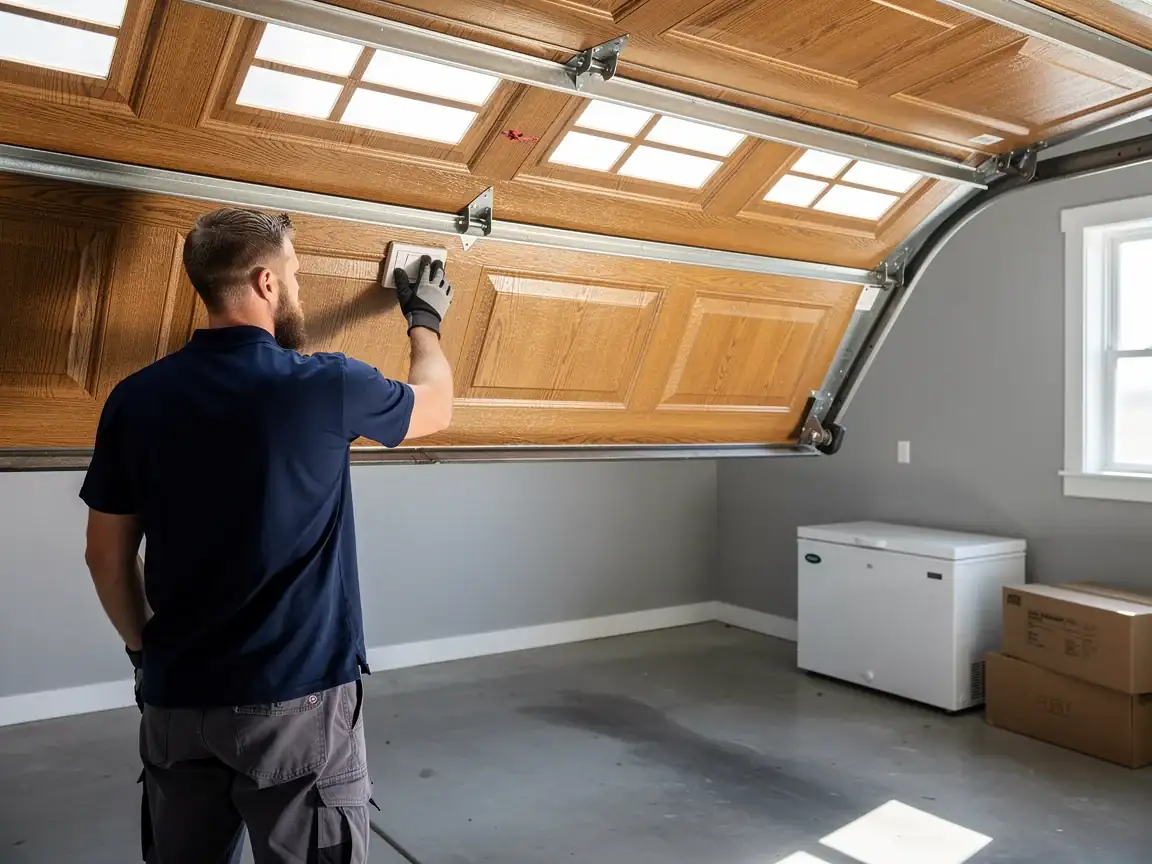
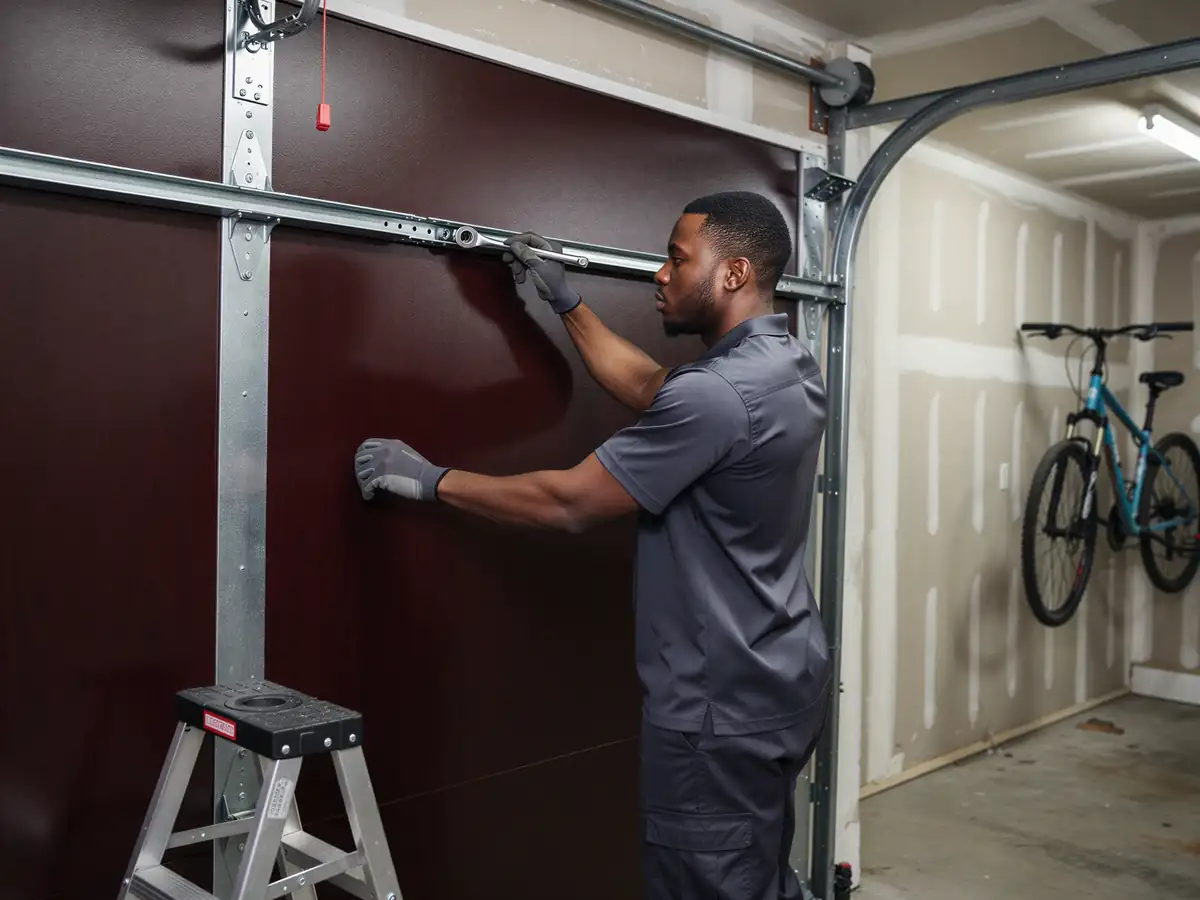
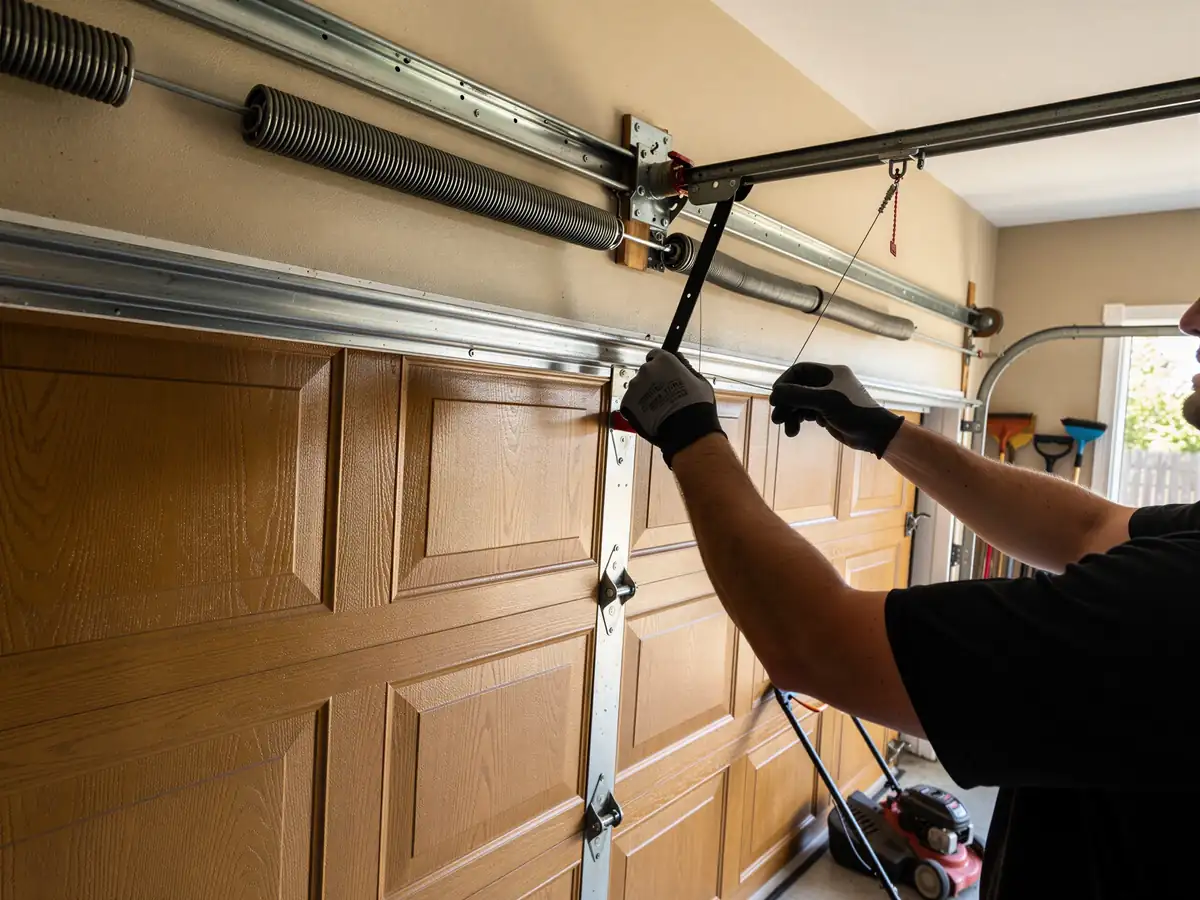
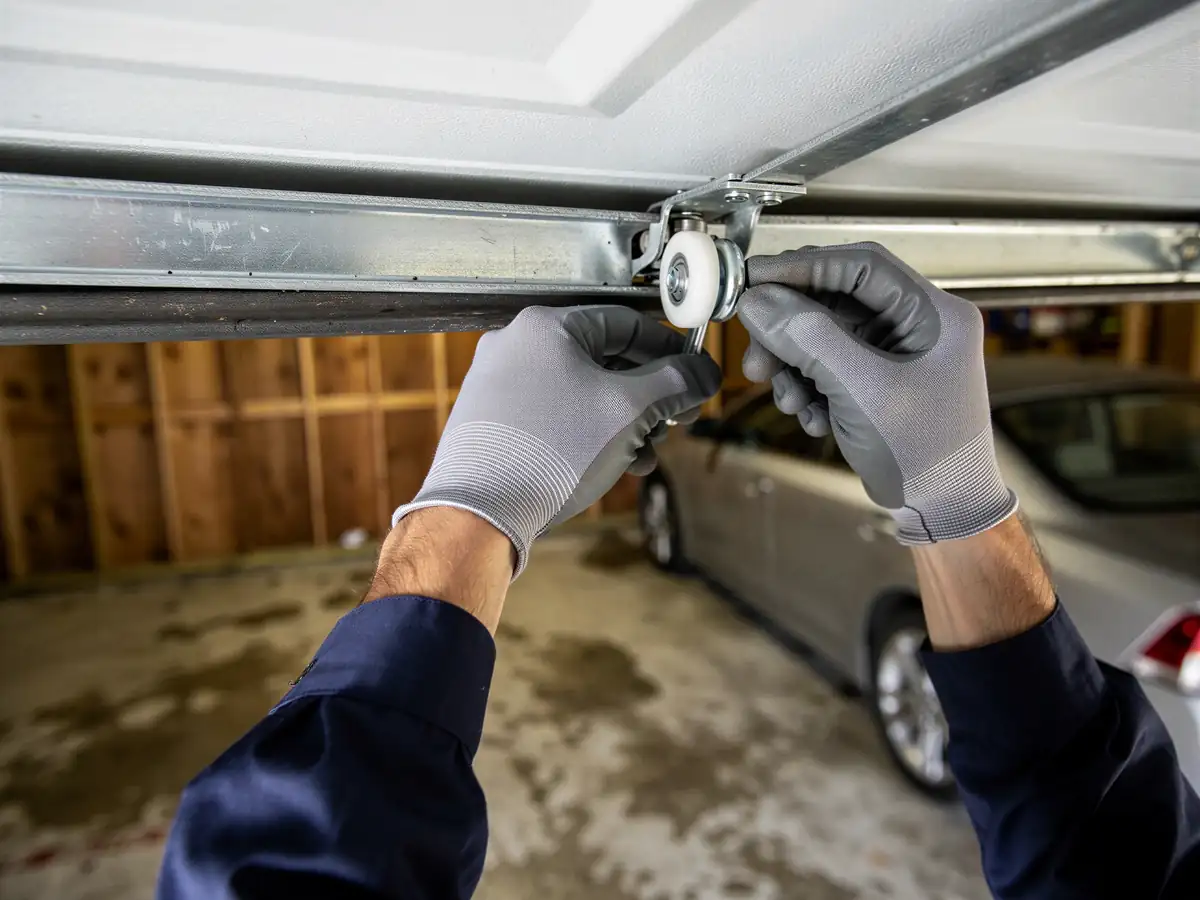
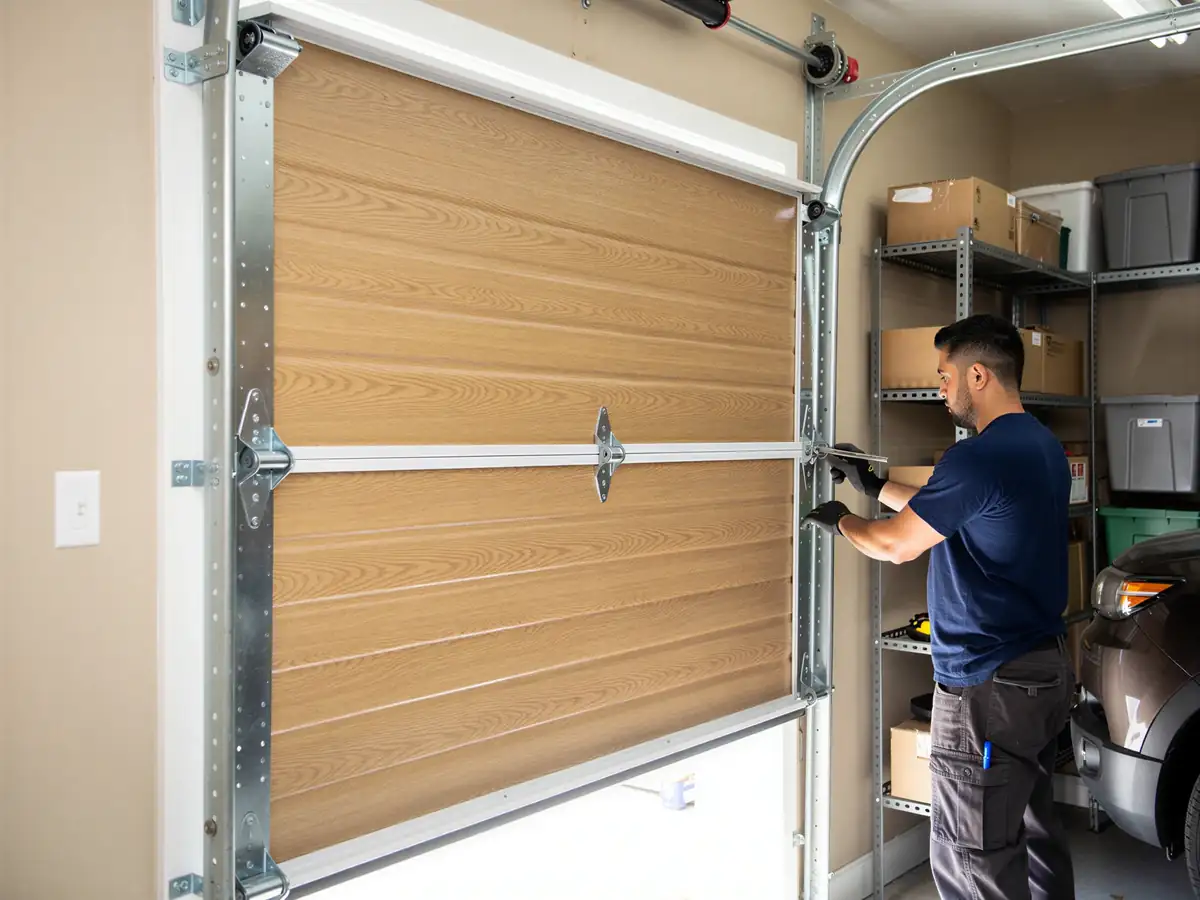
A proper new installation in Bridger starts with measuring the existing opening against current door sizing - 1980s openings sometimes run narrower or shorter than today's standard stock sizes, so the jamb or header may need minor adjustment before the new door goes in. We size the spring system to the actual door weight, not a generic chart, which matters more on an insulated steel door than the uninsulated slab it's replacing. Given the income level in this area, we generally talk through insulated options rather than defaulting to the cheapest door, since the cold climate here makes the R-value difference noticeable in the garage itself. Install includes new track, rollers, and weatherstripping matched to the door - reusing 40-year-old hardware on a new door is a false economy and we'll say so if that's what someone's hoping for.