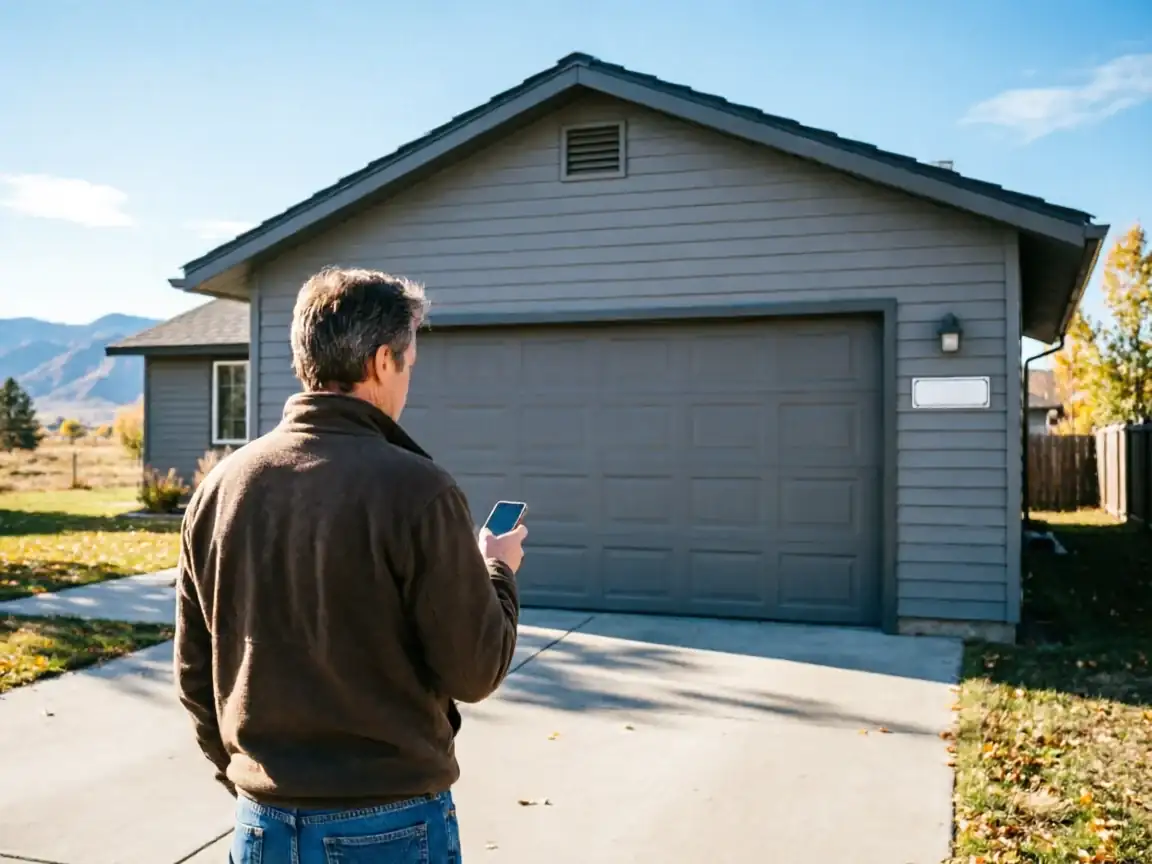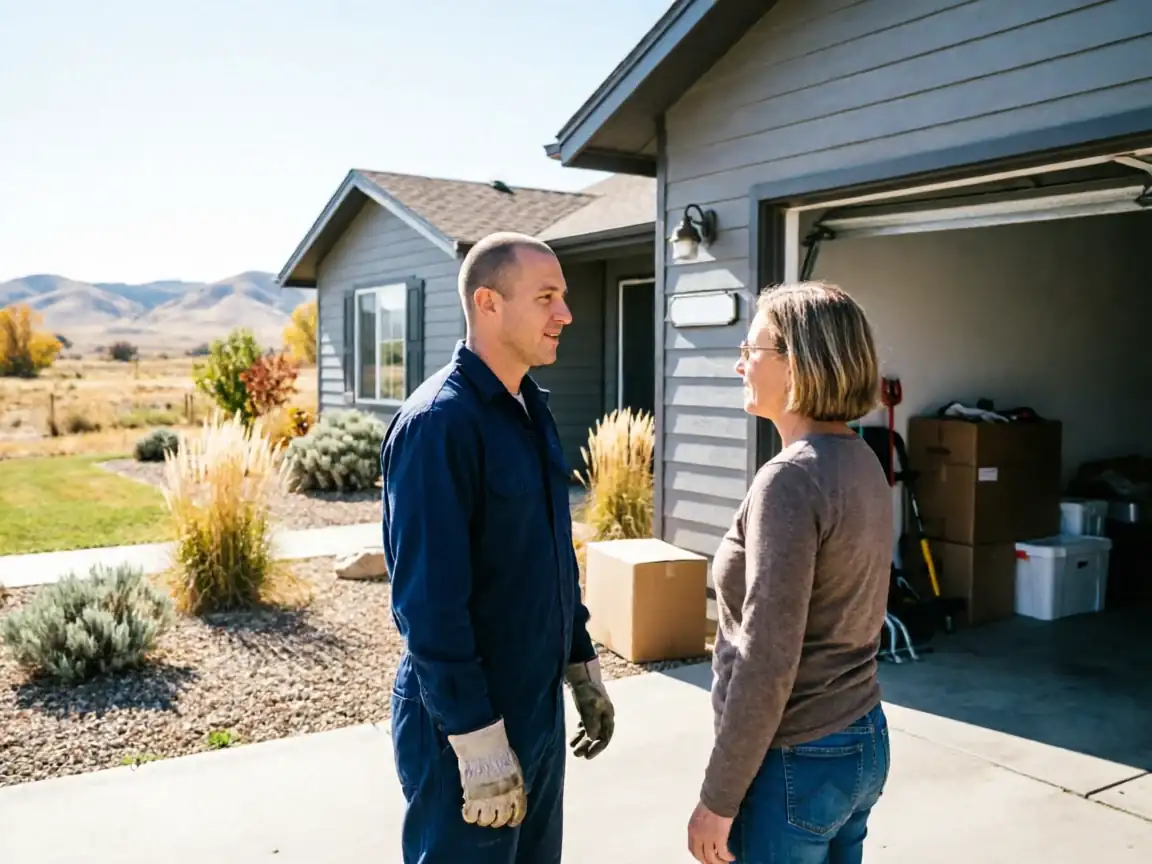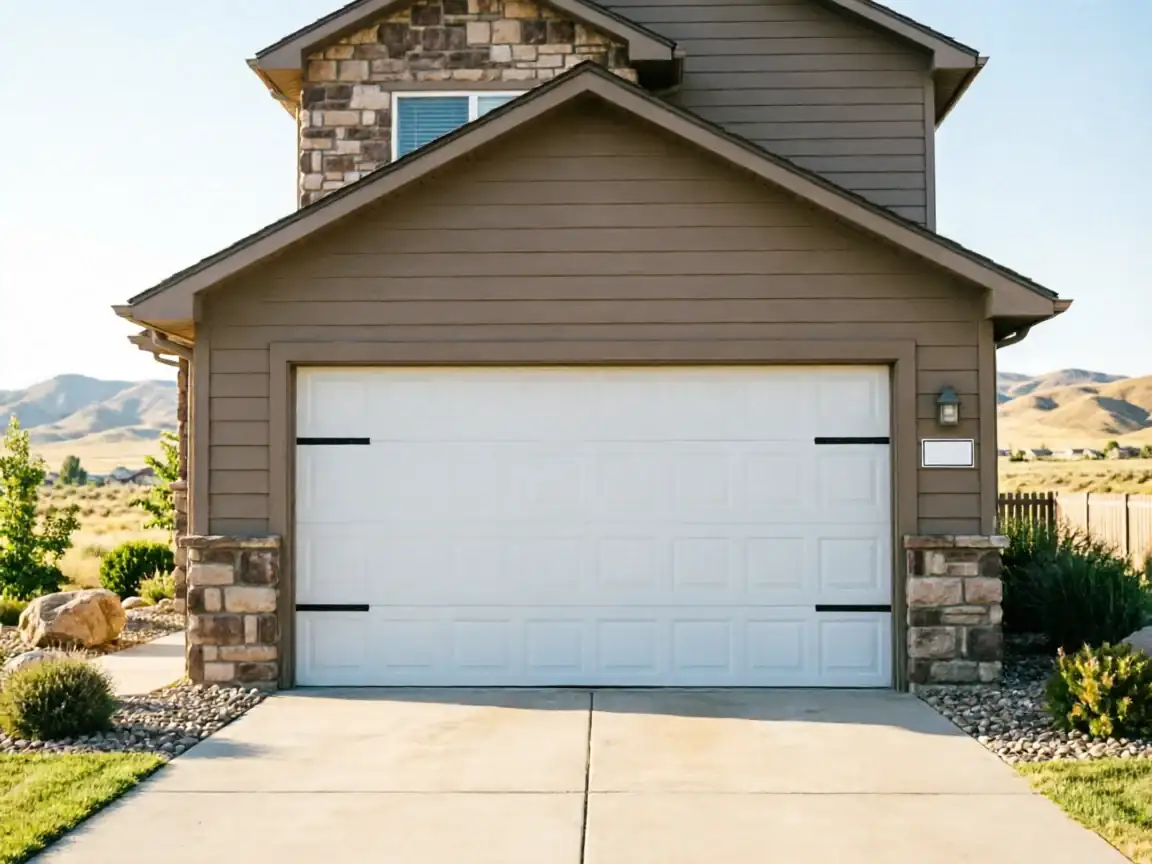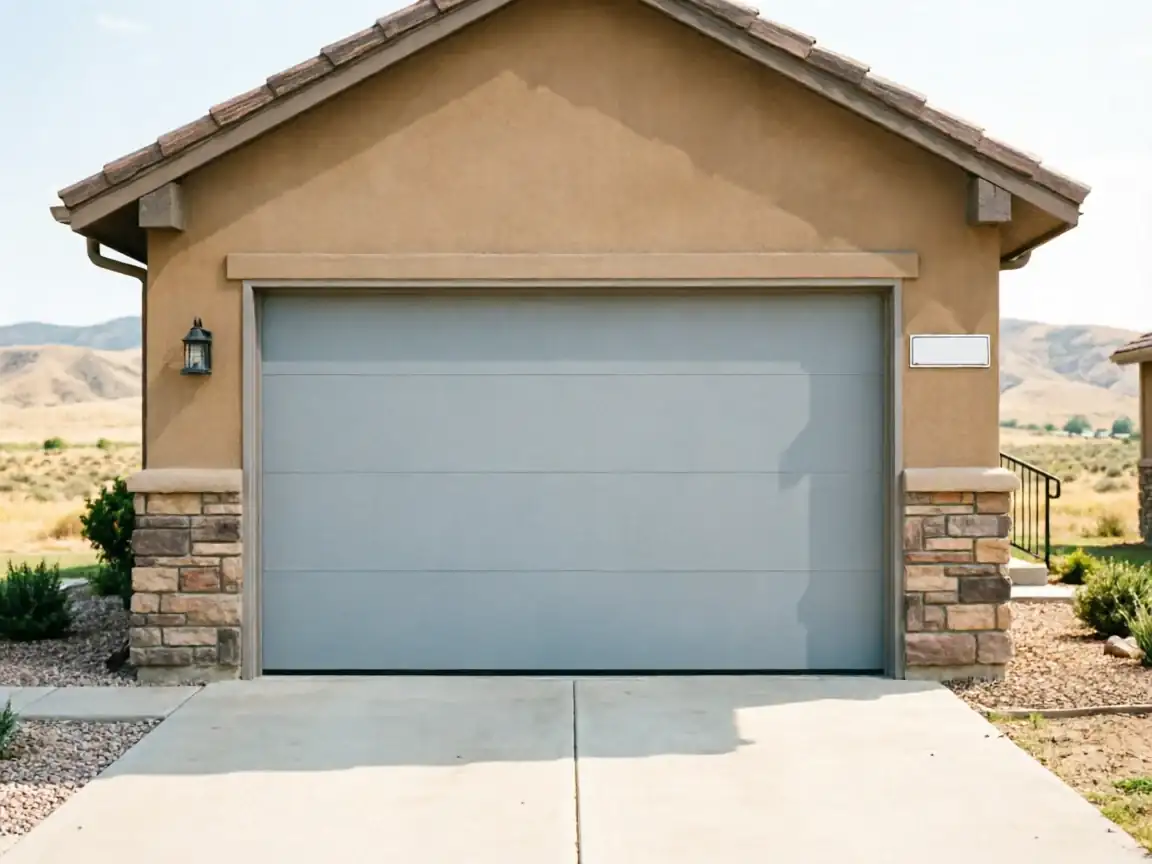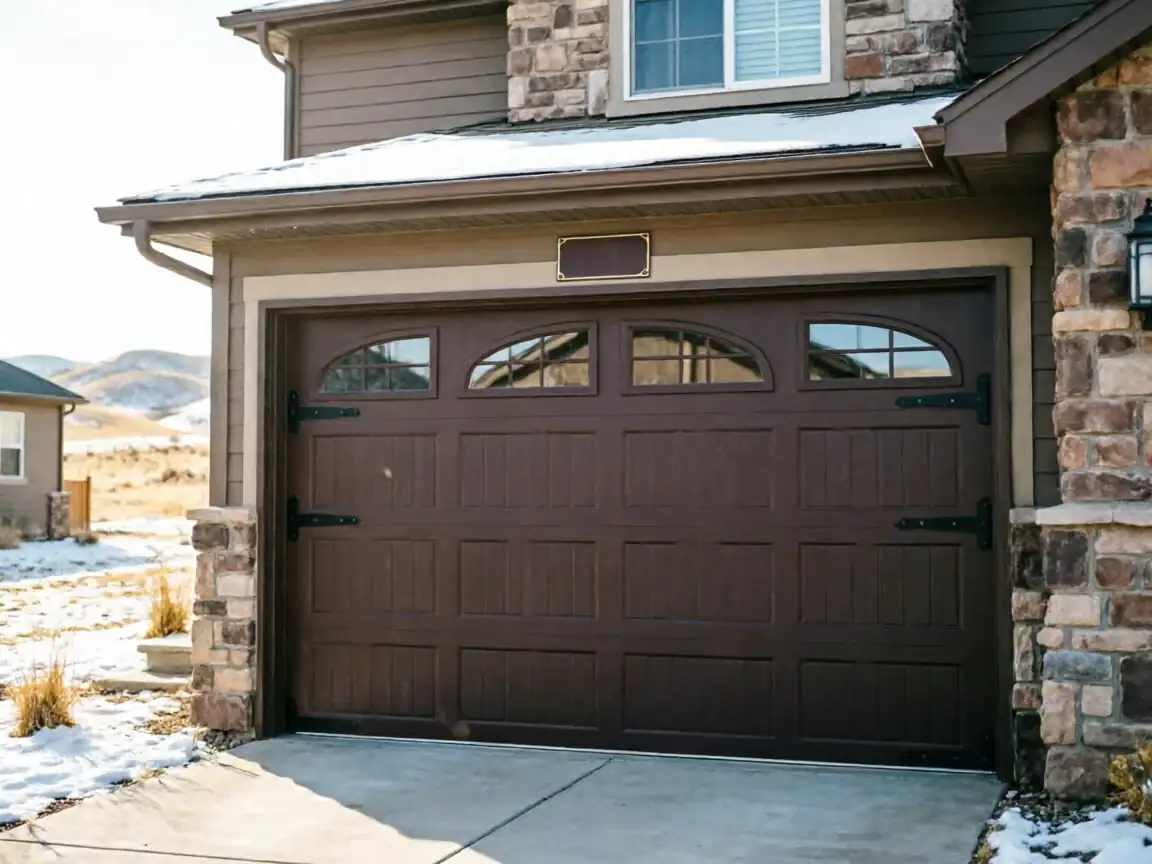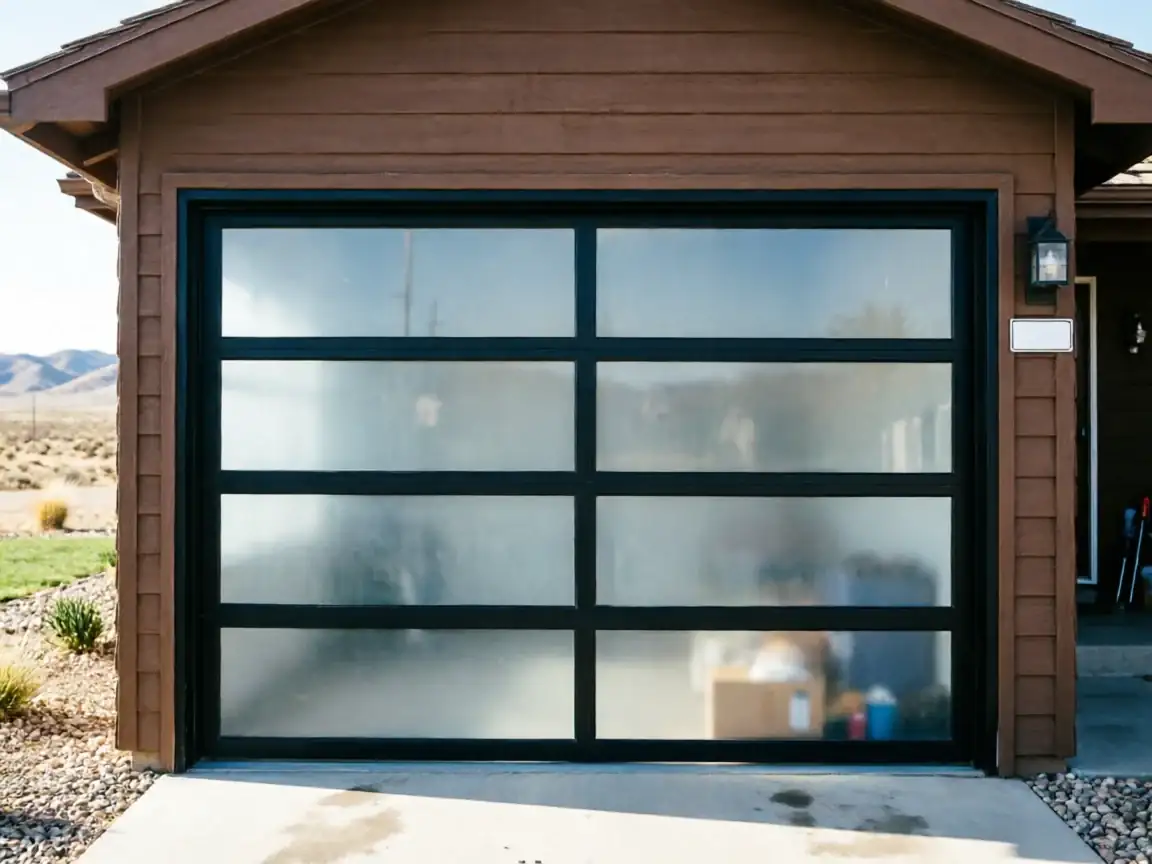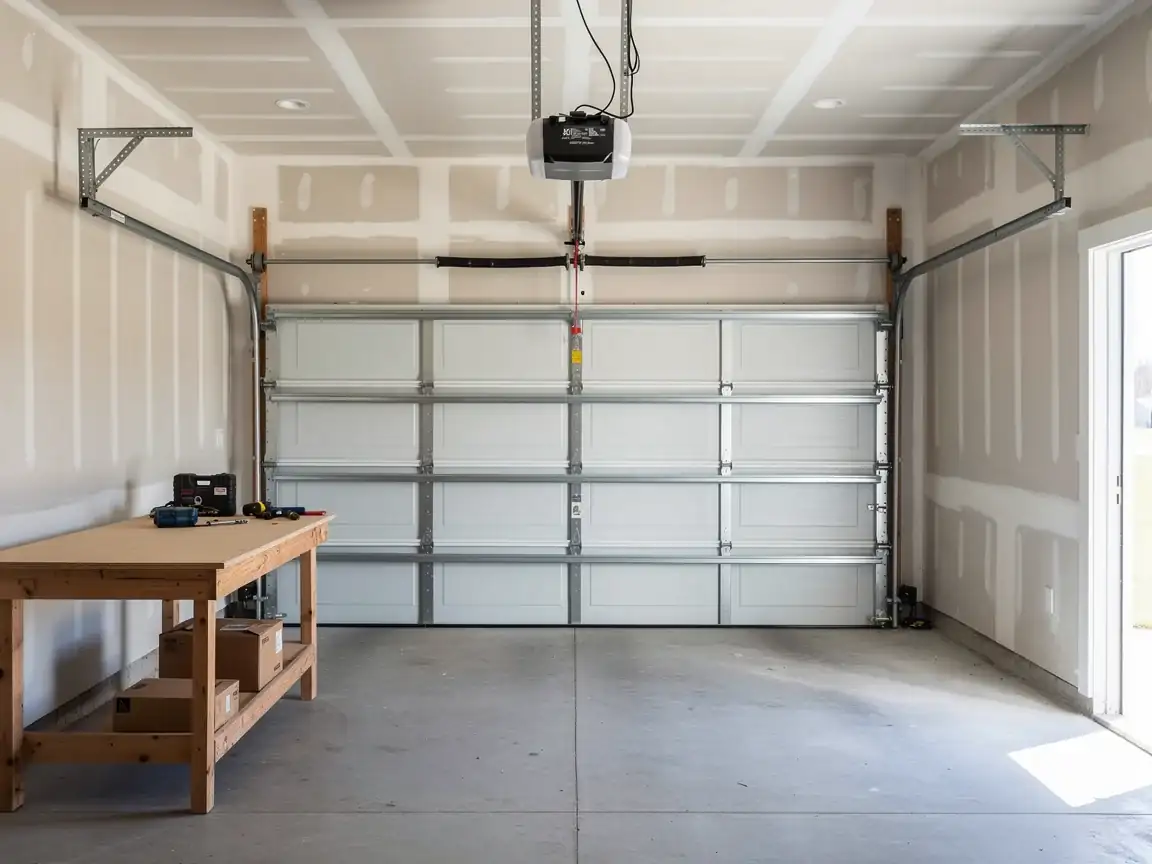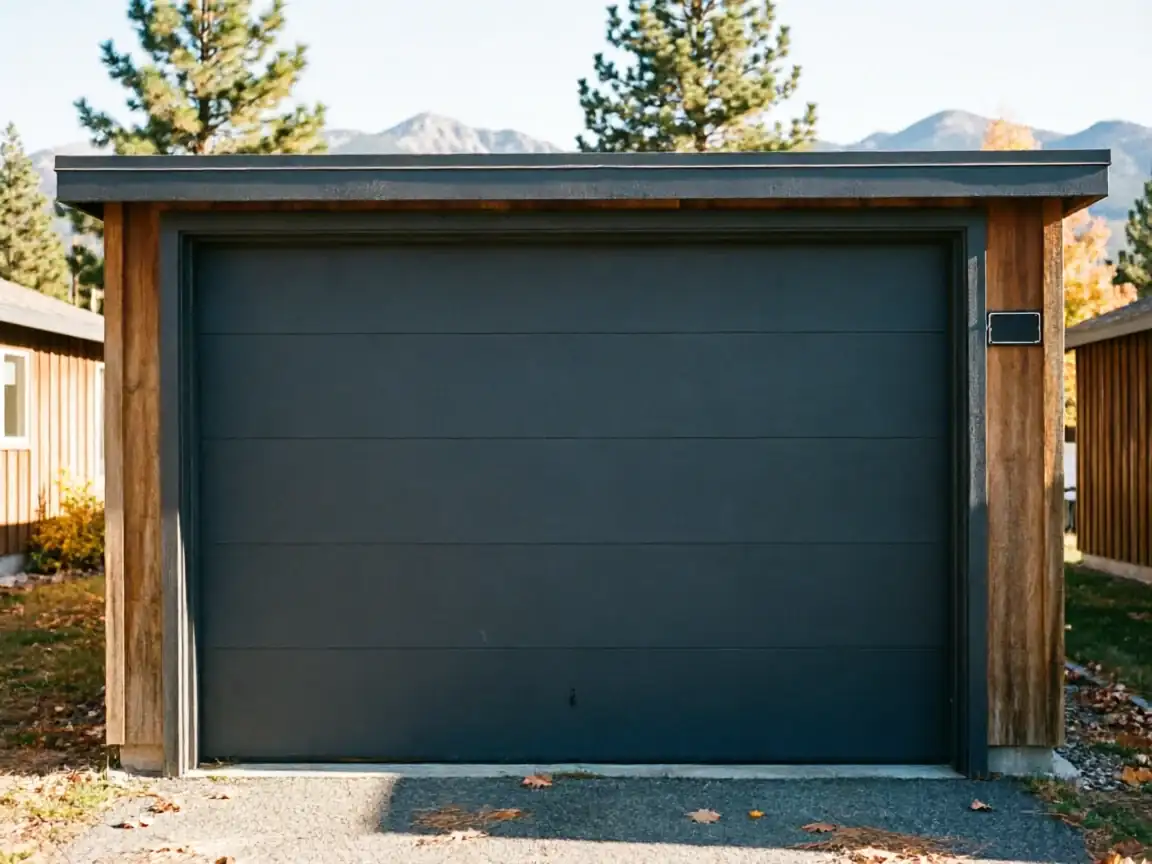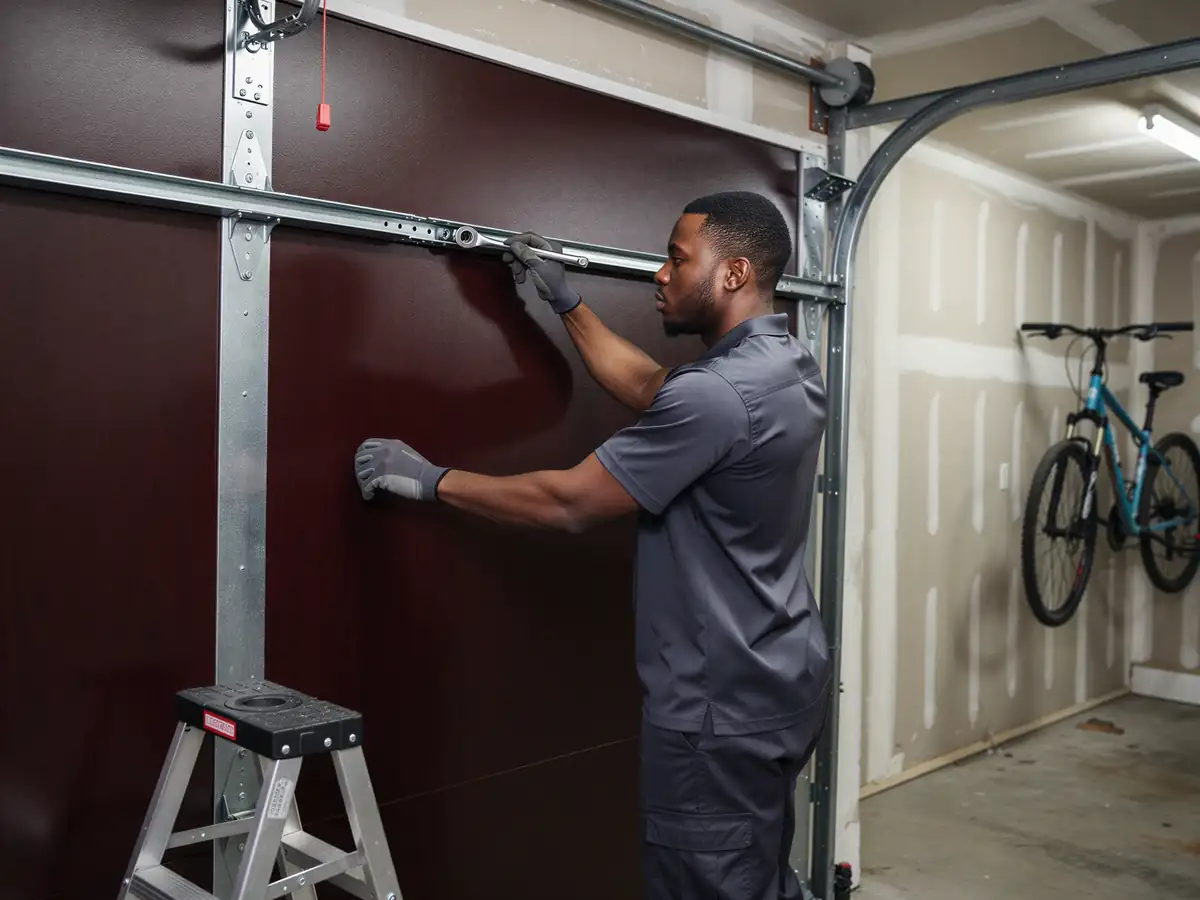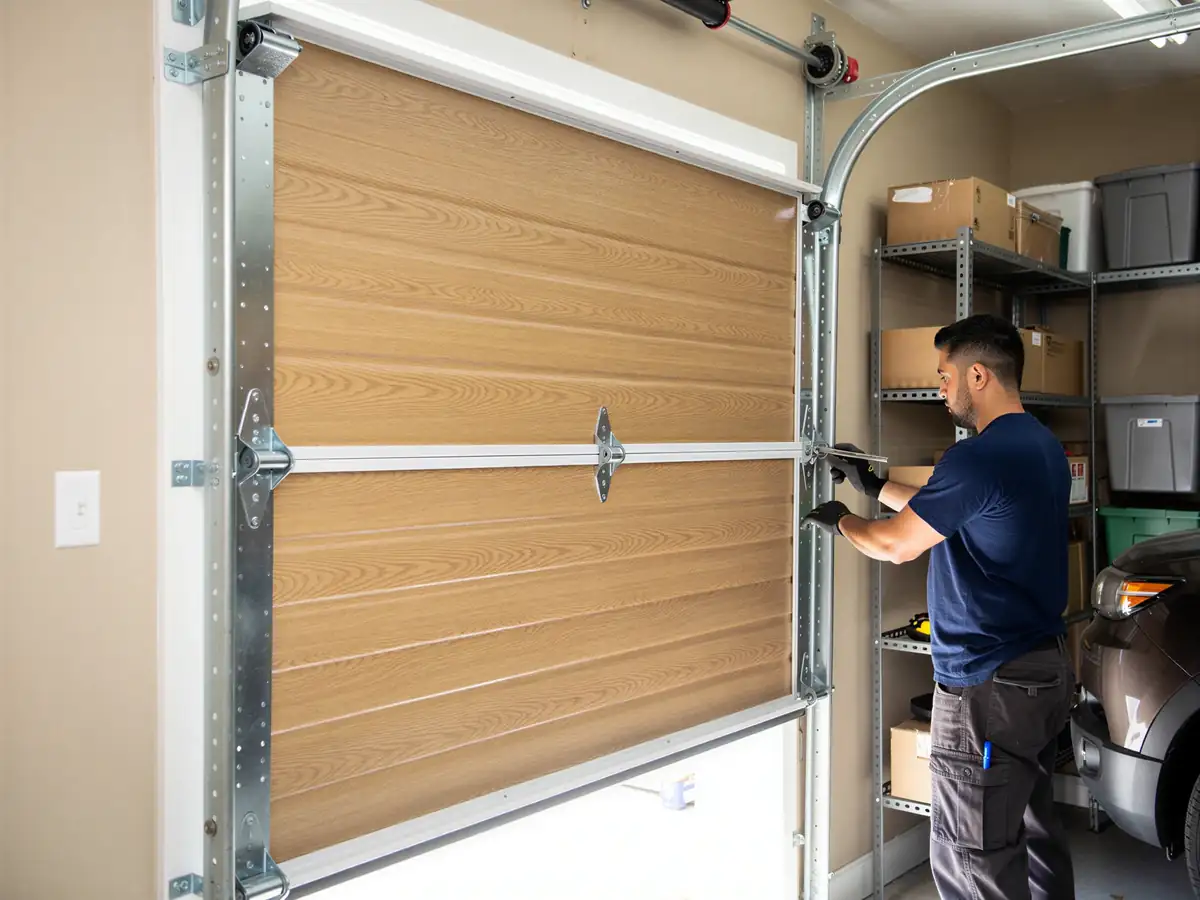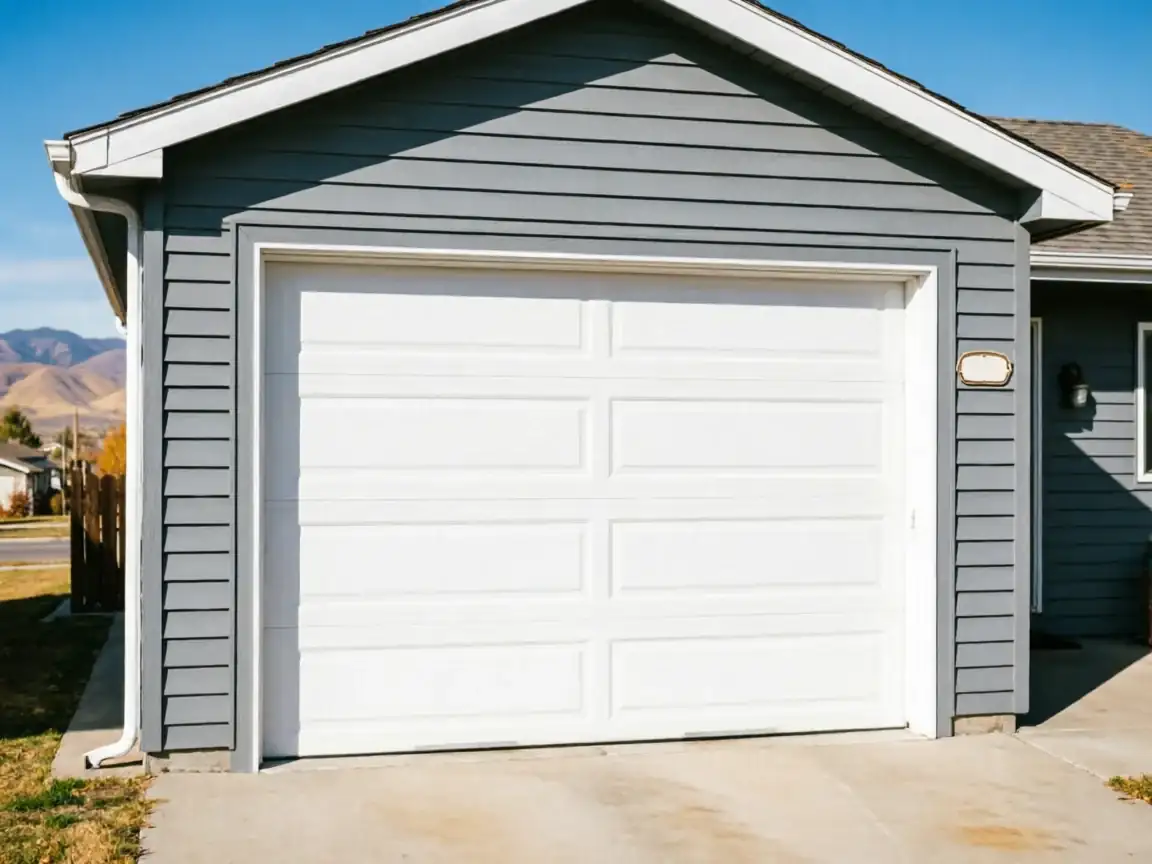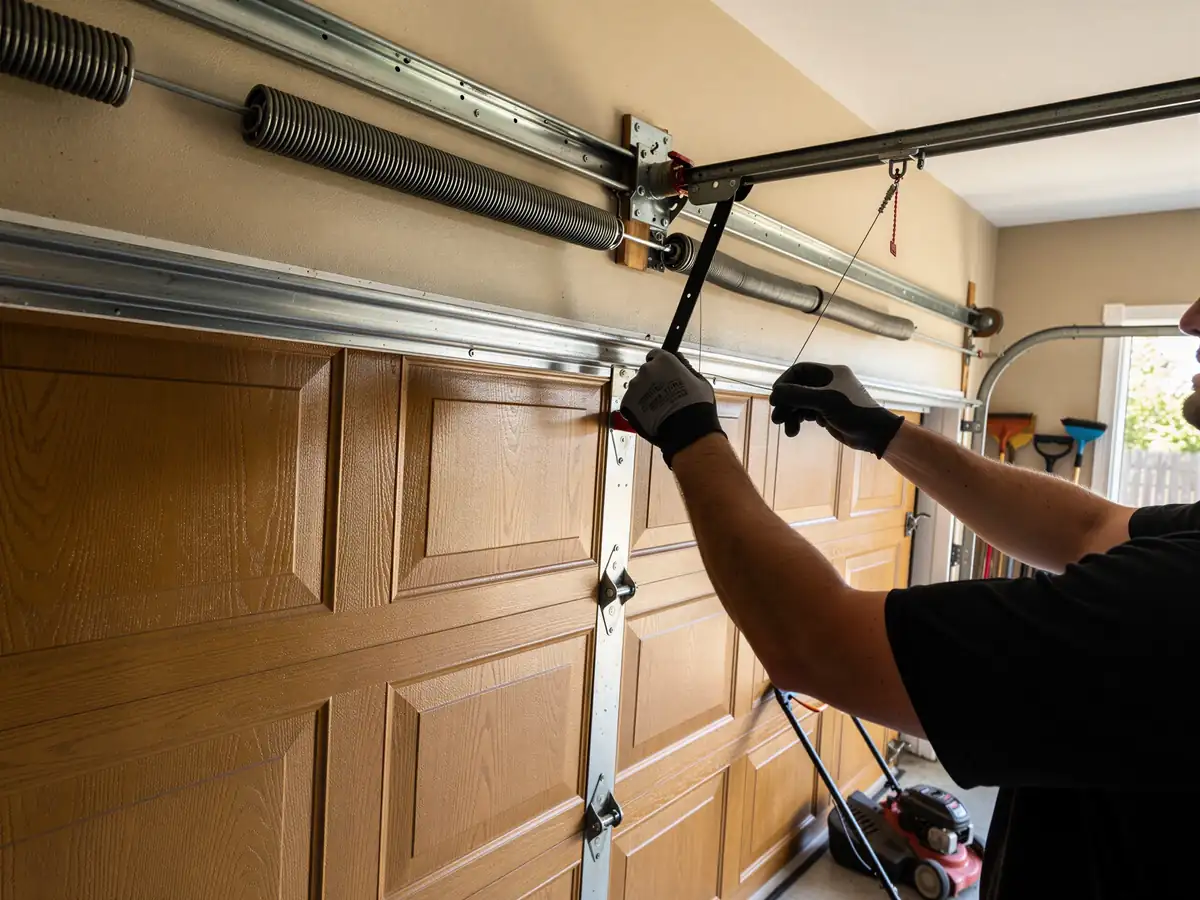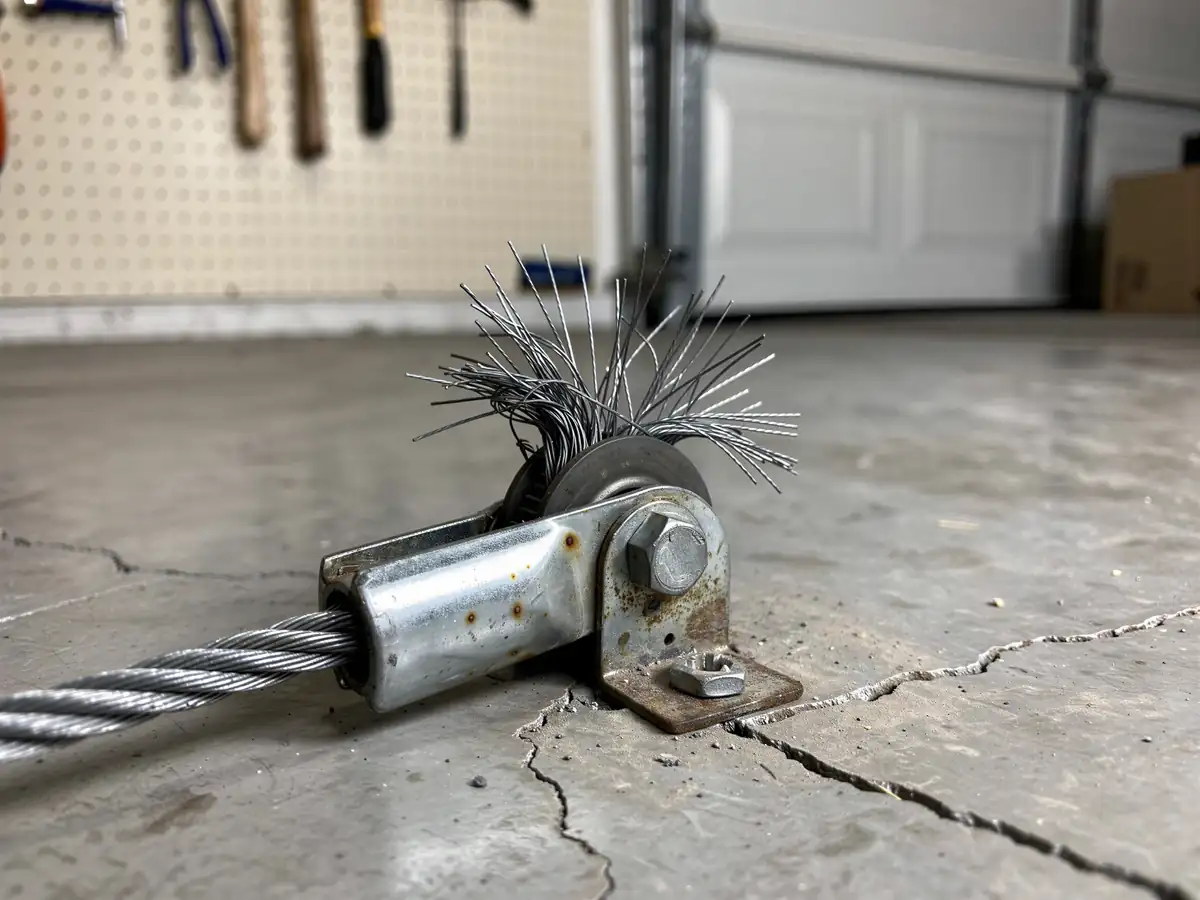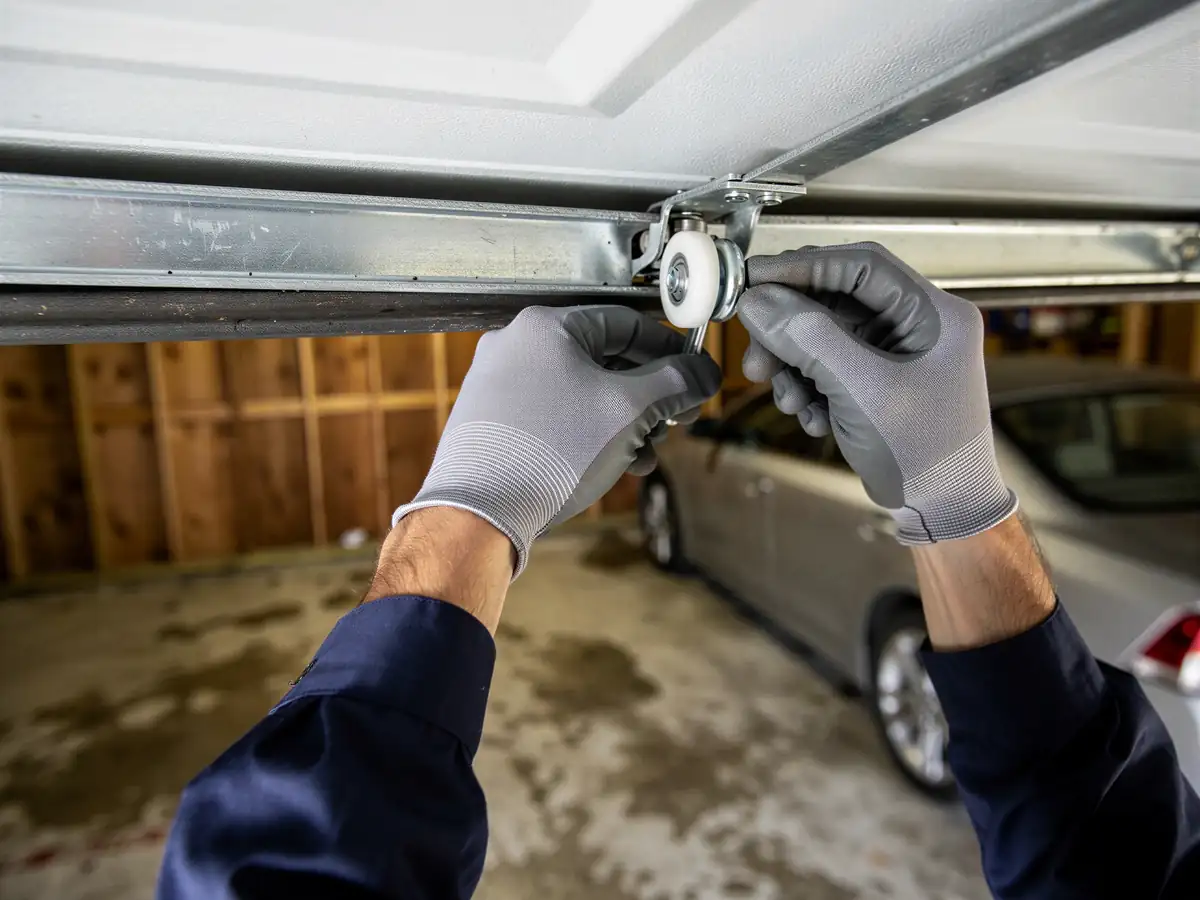
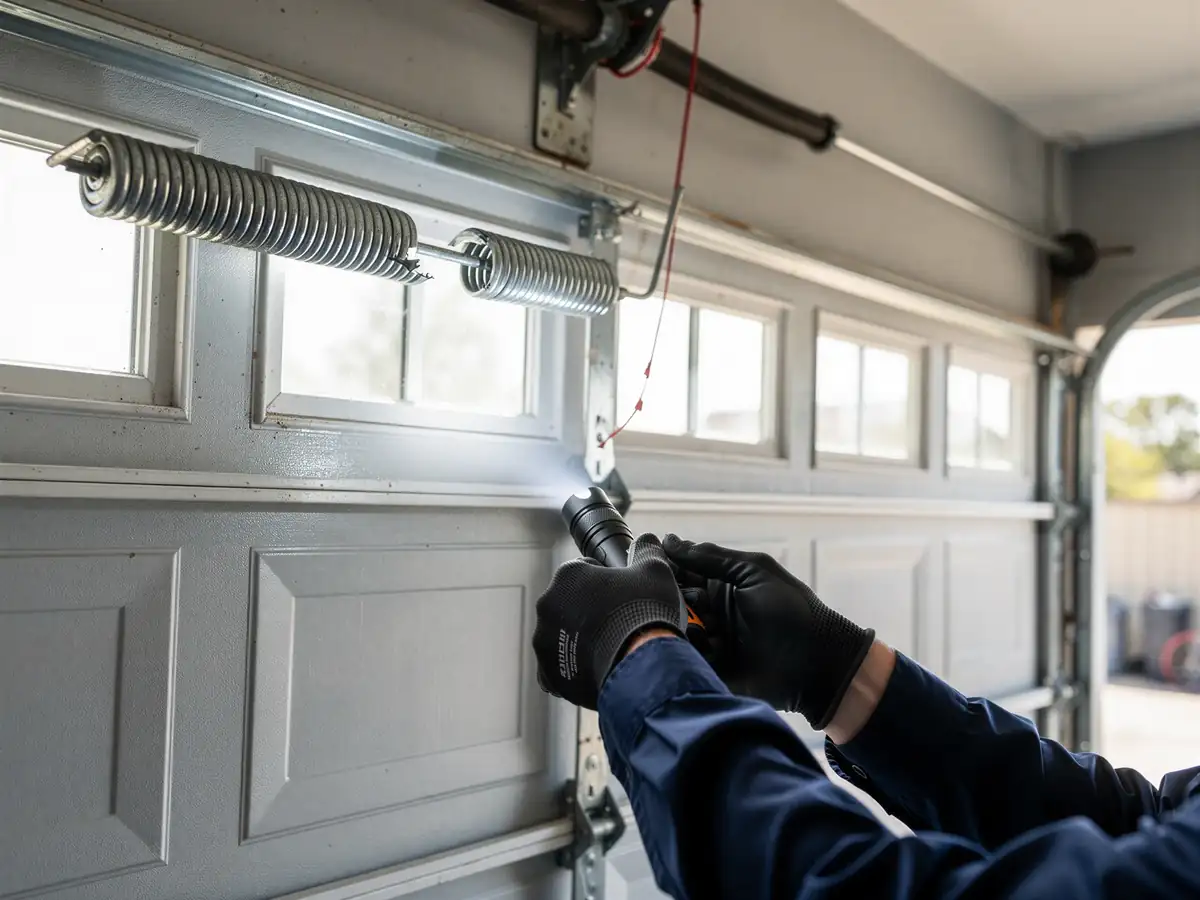
What You Are Seeing
Bridger is a small place - around 46 households, not a subdivision with a thousand identical garages. That matters for how we handle a call out here. We're not driving past on the way to somewhere else; a Bridger emergency is its own trip, about 11 miles from our Bozeman base, and we plan the route and the parts on the truck around that before we leave.
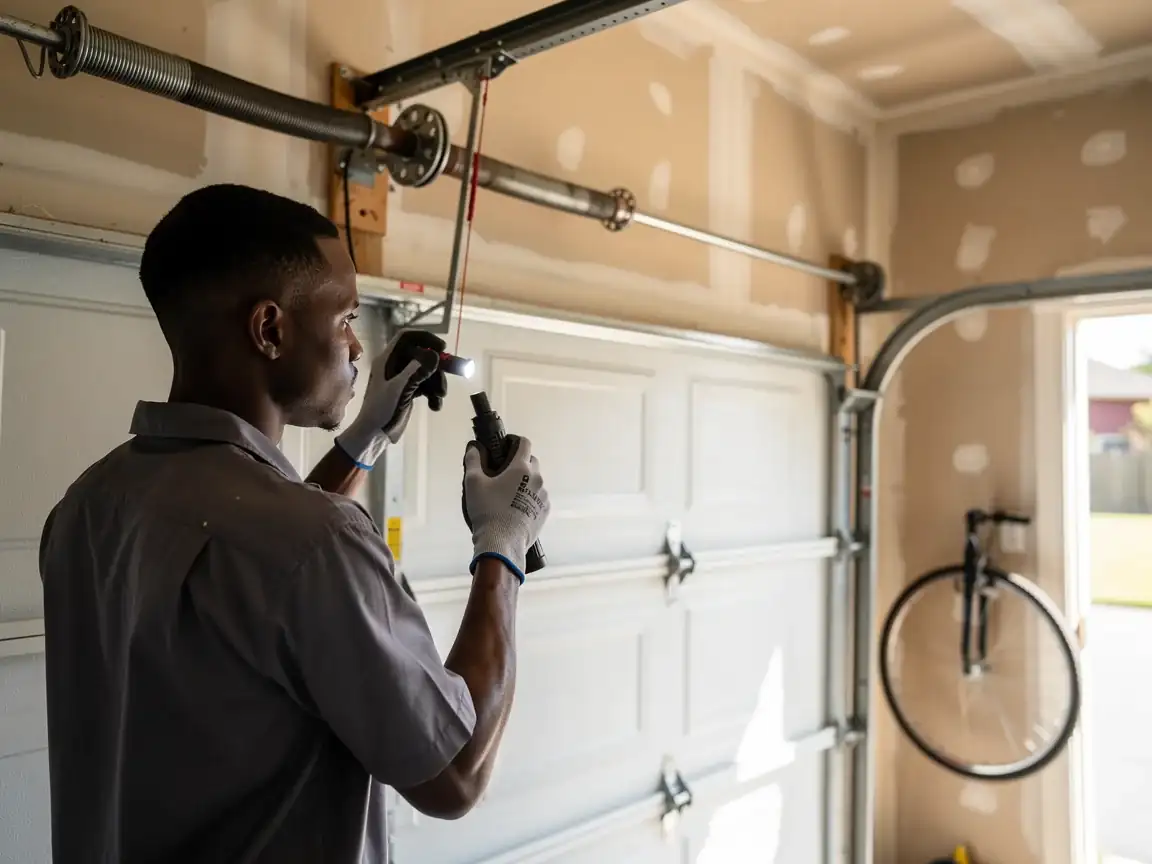
Most of what fails in Bridger traces back to a door that's been doing its job quietly since around 1980. That's an older torsion spring than you'll find on the newer construction closer into Bozeman, and springs don't improve with age - they fatigue and let go, usually on a cold morning when the steel has tightened up and the lift load is highest. If your door won't budge, makes a bang and then goes slack, or one side drops and binds in the track, that's consistent with what we see on houses of this vintage out here.
A cable off the drum, a bent track from a door that got forced after the spring broke, or an opener straining against dead-weight it was never built to lift on its own - all of these show up more on doors this age than on newer stock. None of it is rare. It's just what forty-plus years of Montana winters does to steel and nylon.
Booking a Visit
Call Bozeman Garage Door Pros and tell us you're in Bridger - we need that up front because we're routing from Bozeman, not sitting around the corner. Give us the make of the door if you know it, whether it's one spring or two, and whether the door is currently stuck open, stuck shut, or off track. That tells us what to load before the 11-mile drive instead of guessing once we're on site.
We don't keep a branch or a standing crew in Bridger, so we won't promise a same-hour window the way a company physically based in town might. What we can do is tell you honestly, on the phone, roughly when we can get there once we know what the day's other Bridger-area and Four Corners calls look like.
If the door is unsafe to leave - off its tracks, a panel caved in, a spring that let go with the door halfway up - say so when you call. That changes how we sequence the day.
Doing It Yourself
There's a short list of things worth doing before we arrive
And a longer list that isn't worth the risk. Safe: pull the manual release cord if you need the car out and the door is stuck down, then leave it alone. Clear anything jammed in the track if you can see it without reaching near the springs. Unplug the opener if it's grinding or straining - that's the motor fighting a spring that's already done, and running it longer just burns out the opener too.
Not safe, on a door this age
Touching the torsion spring itself, loosening the set screws on the winding cone, or trying to re-tension anything. A broken spring under residual load has put people in the hospital. Same goes for trying to force a door back onto bent track - that usually turns a repair into a replacement.
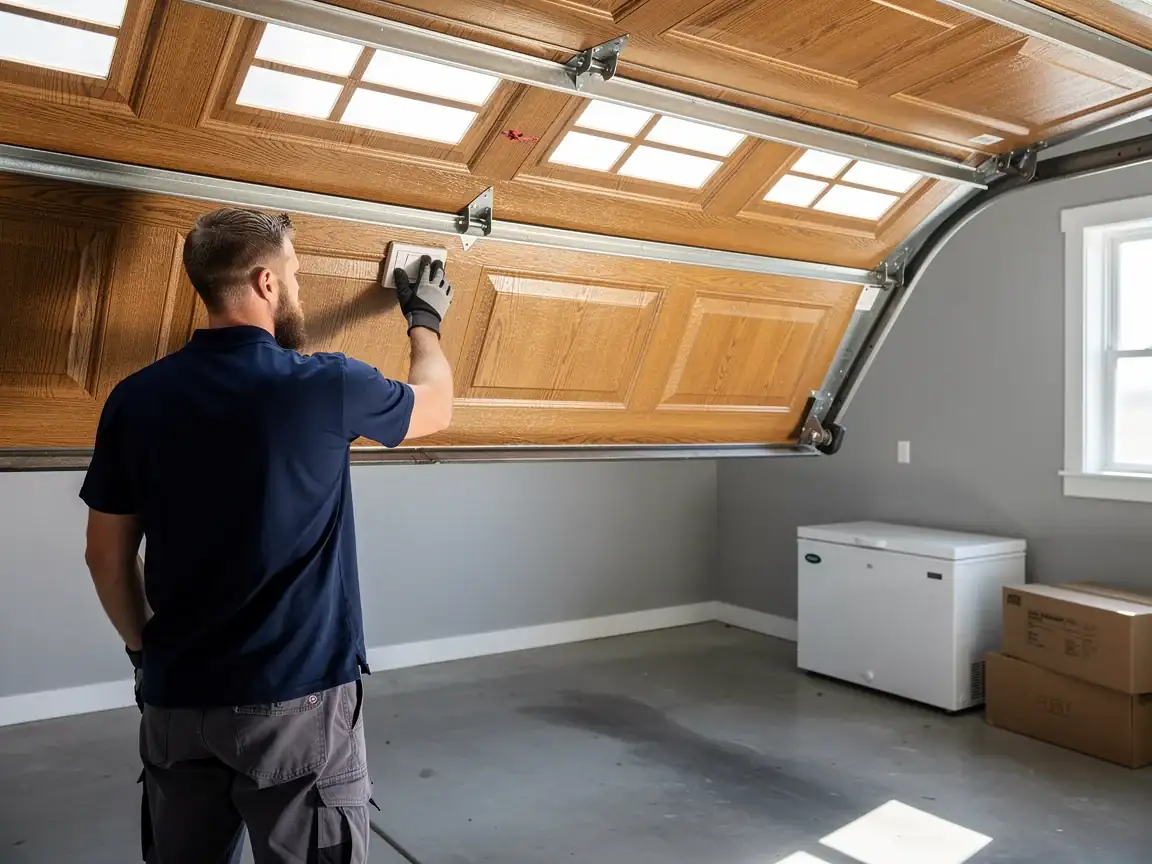
One honest limit: if the door is a single-piece swing-up panel rather than sectional
Parts can take longer to source than a standard sectional door, and we'll tell you that up front rather than guess at a date.
Why It Happens Here
Bridger sits in the same severe-cold climate band as the rest of the Bozeman service area, and cold is hard on garage door hardware in a specific way: steel springs lose flexibility as temperature drops, so the exact same door that worked fine at 60 degrees can snap a spring at 10 below, because the load hasn't changed but the metal's tolerance for it has.
Layer that onto a house built around 1980 and you've got springs, cables, and rollers that are decades past when most manufacturers expect them to be replaced, running through the coldest part of the year every single winter. We don't see a lot of Bridger doors with modern nylon rollers or galvanized cable as factory-original - that's an upgrade, not a stock feature from that era.
The median household income out here, around $136,154, is higher than a lot of the surrounding service area, which tells us something too: most of these are owned homes where people maintain rather than defer, but age of hardware doesn't care about upkeep budget. A 44-year-old torsion spring fails on schedule whether the house around it is well kept or not.
What the Fix Involves
On a door from this era, the repair usually starts with matching spring wire size and winding to a torsion system that may not match current standard sizing - another reason we bring a stocked truck rather than guessing and coming back. If the drum or cable is original, we'll generally recommend replacing both cables while the spring side is open, since they're wearing at the same rate and a second trip for a snapped cable costs you more than doing it once.
If the opener is original to the house, it's worth a conversation rather than an automatic replacement - some of those older chain-drive units still run fine once the door itself is balanced correctly, and we'd rather tell you that than sell a new opener you don't need.
What we won't do is quote a flat price over the phone before seeing the door - spring count, drum size, and track condition change the job enough that a real number has to come from looking at it in person.