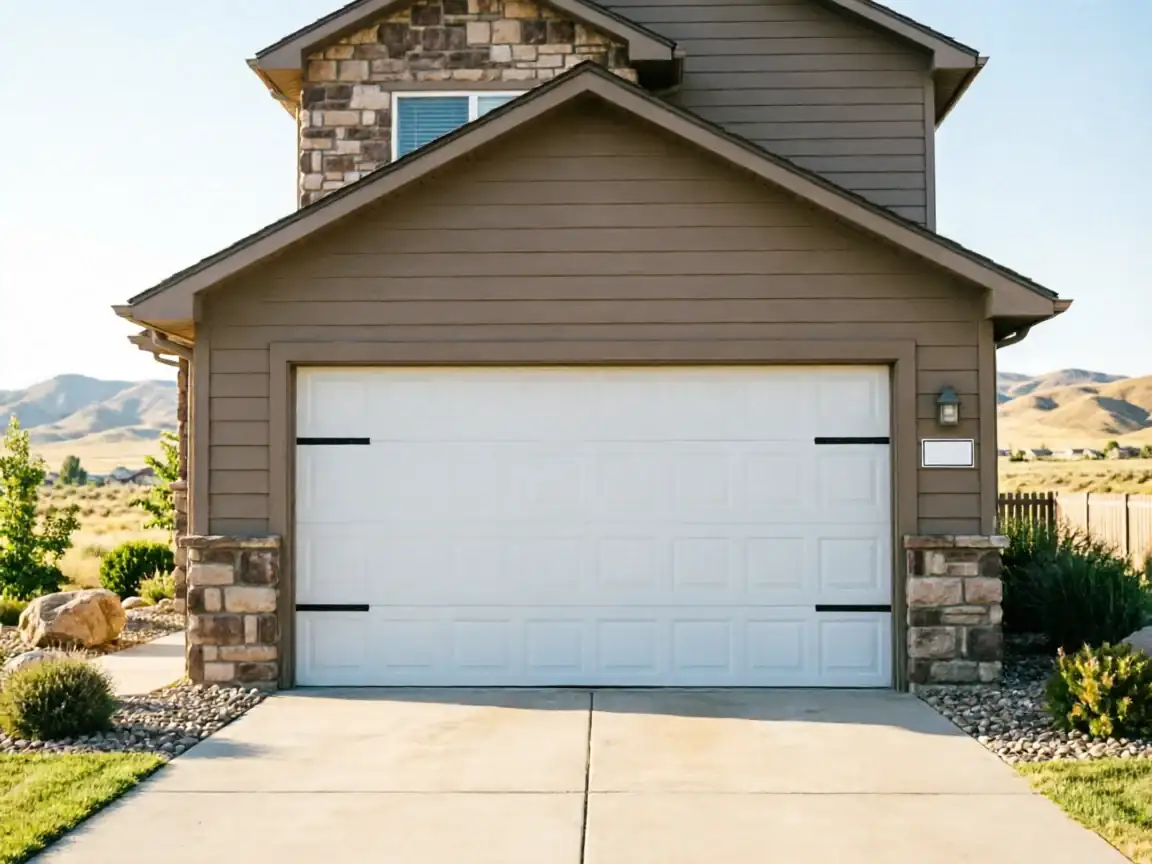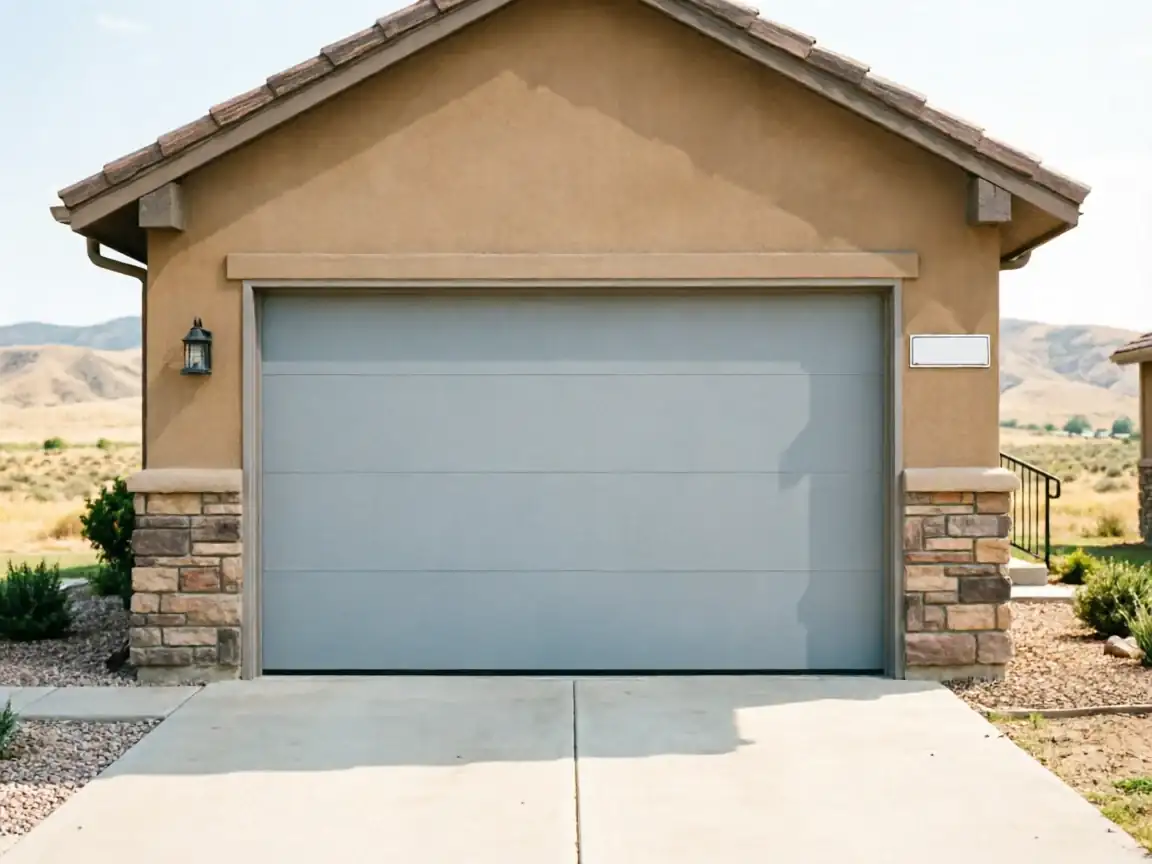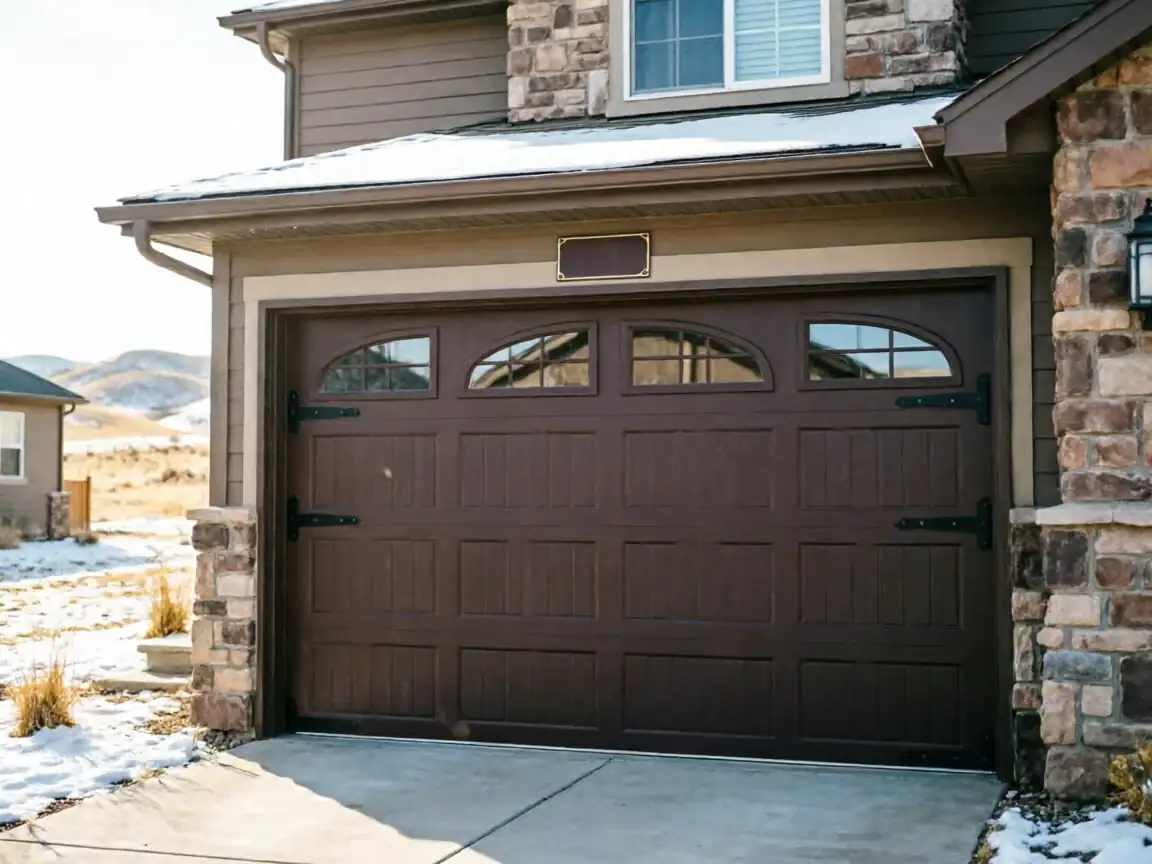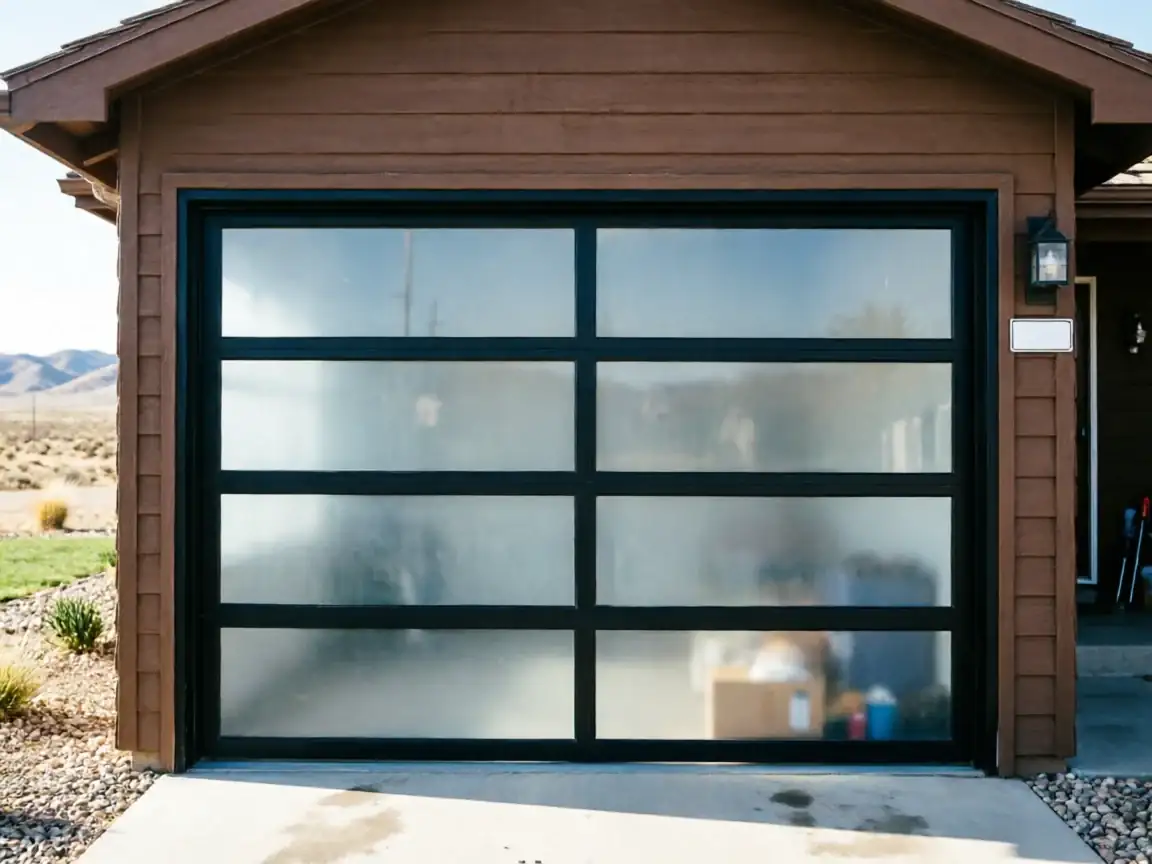
What You Are Seeing
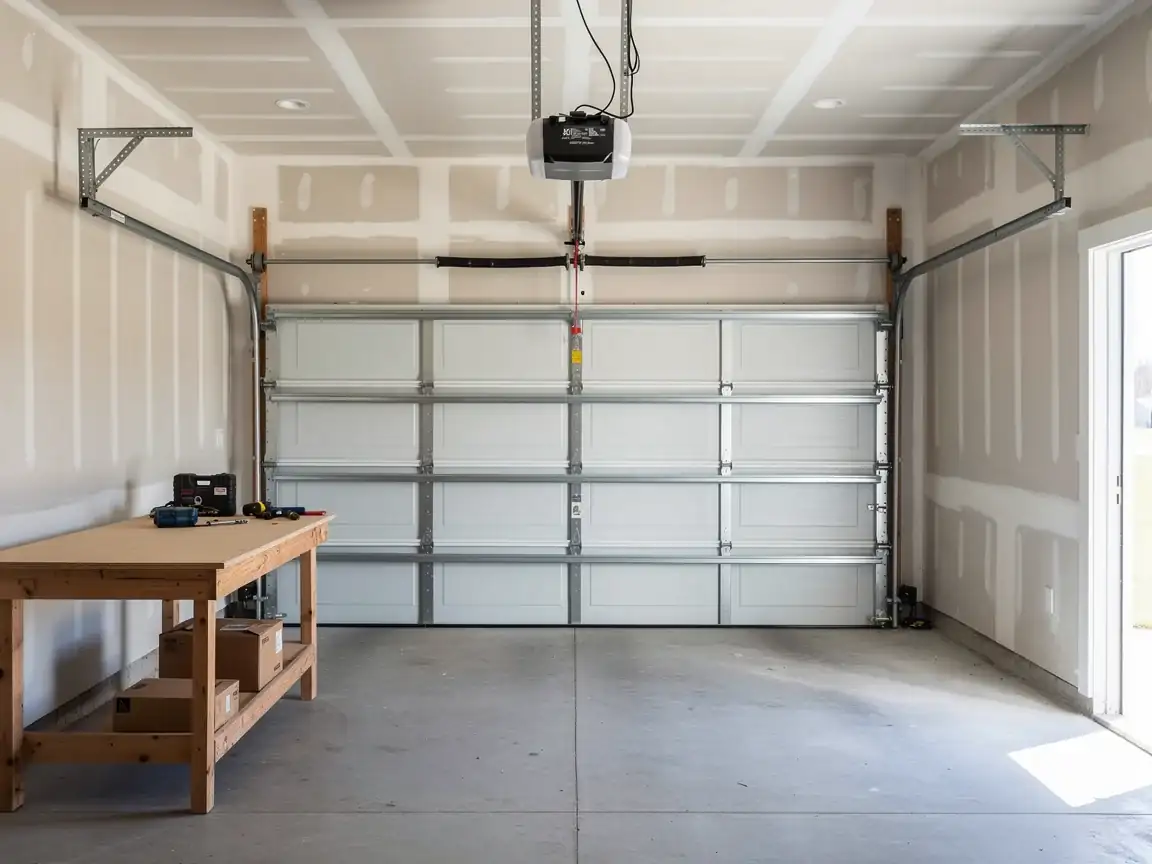
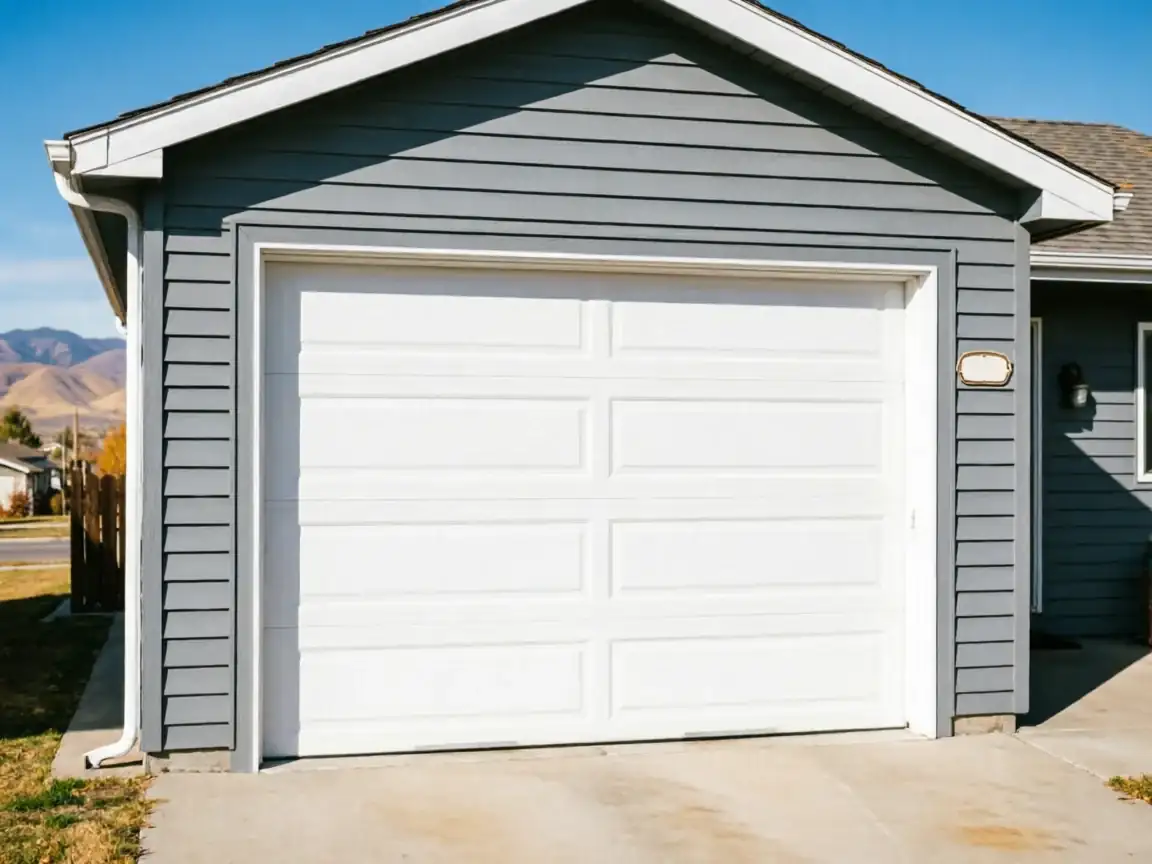
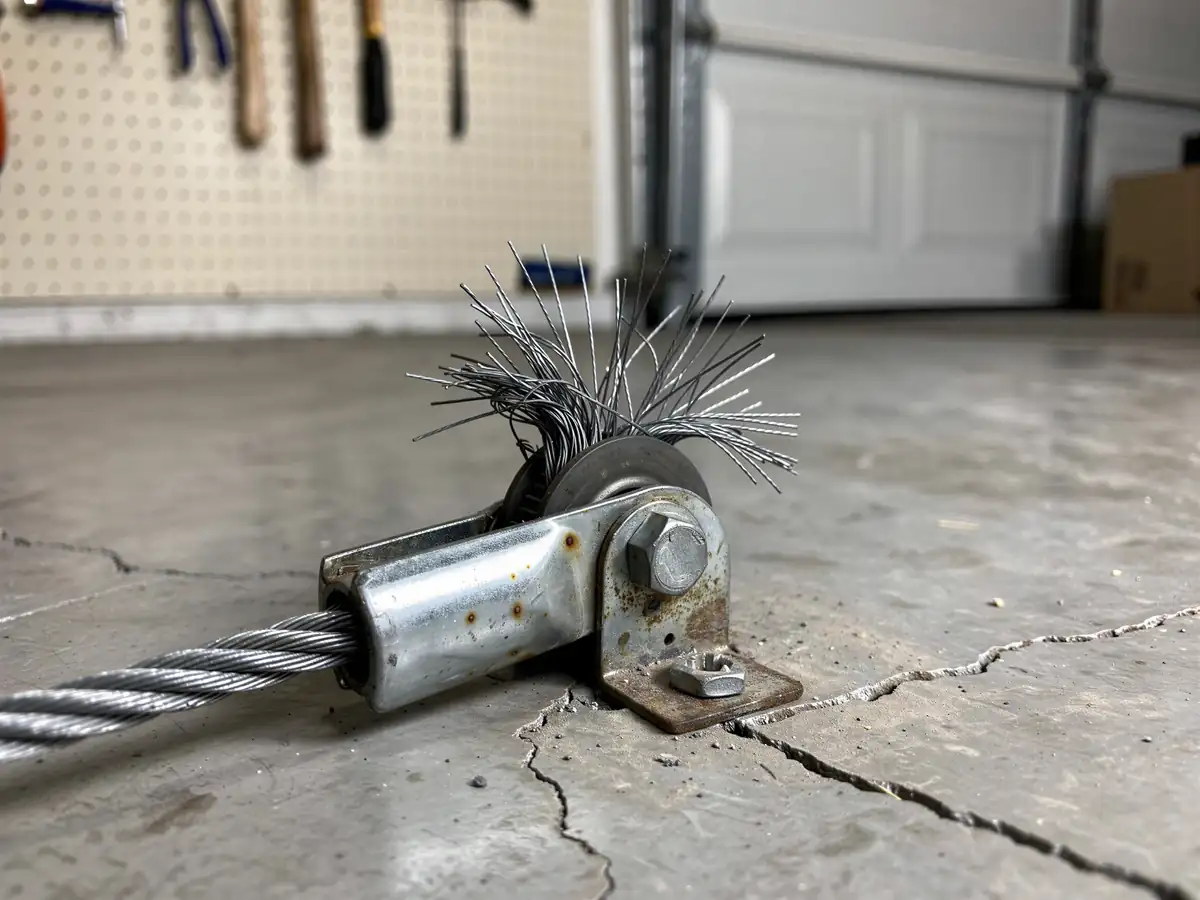
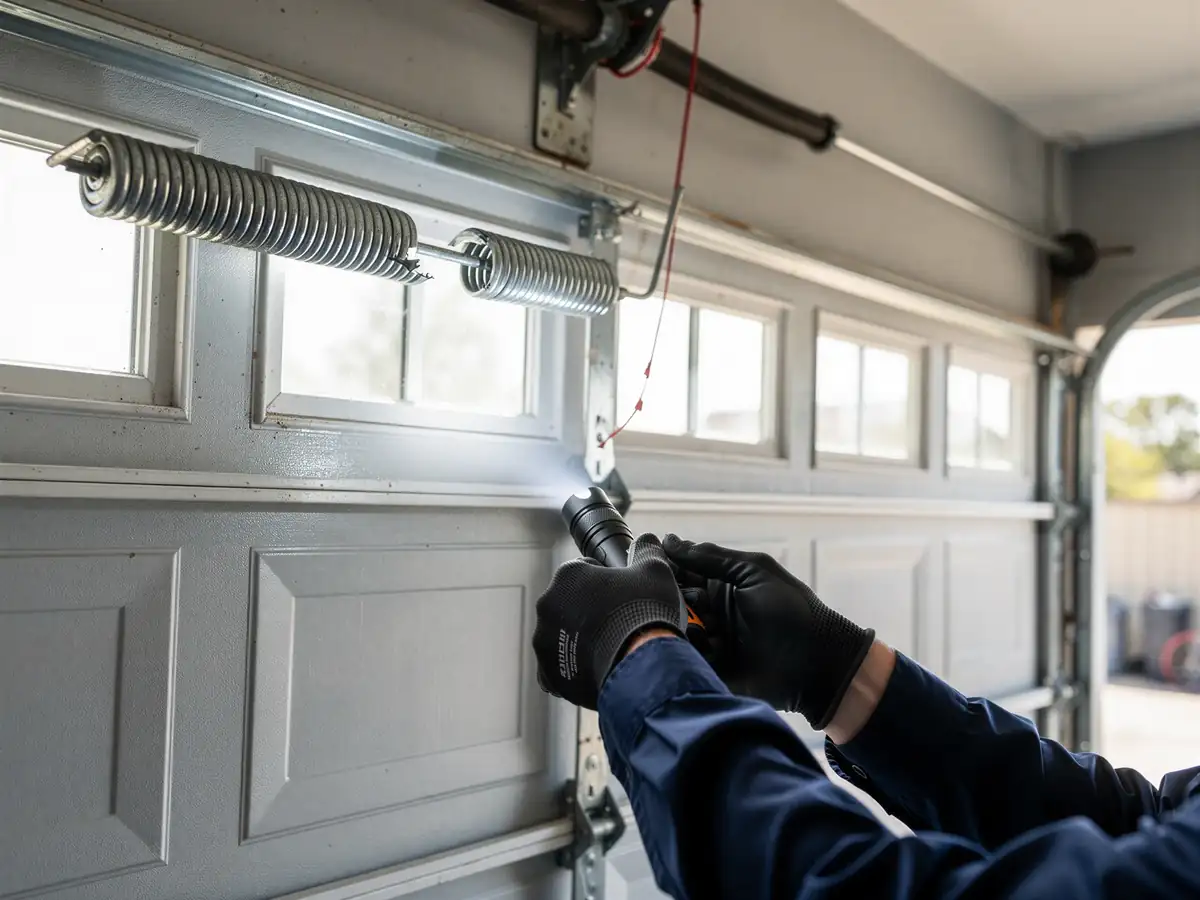
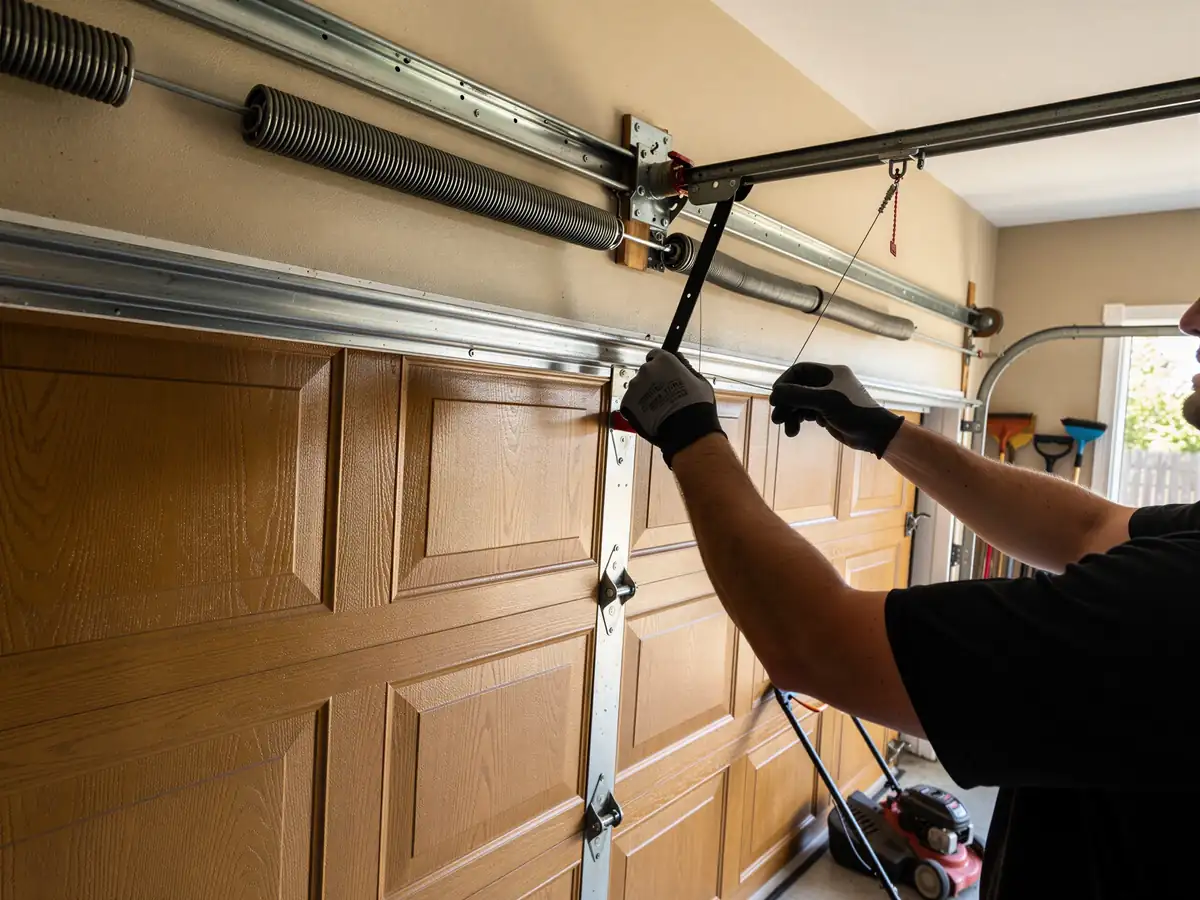
The door won't lift, or it lifts a few inches and stops, or it slams down faster than it should when you try to close it by hand. That's a torsion spring giving out, and on the Bridger side of the service area, it's usually the original spring doing the failing. Most garage doors out here went up around 1980, which puts the hardware at a point where galvanized torsion springs have simply run out of cycles. That's a decade or more ahead of the typical build year across the rest of the territory we cover from Bozeman, and it matters because older single-spring setups on these openers don't have the redundancy that a lot of newer double-spring doors do. When one spring lets go on a single-spring door, the door is dead, not just stiff. You'll also sometimes see a cable come off the drum at the same time the spring breaks, since the sudden slack lets the cable spool wrong. Don't try to force the door up by hand once this happens. The opener motor isn't built to lift a garage door against a dead spring, and running it anyway usually burns out the drive gear on top of the spring problem you already have.
Booking a Visit
We run out of Bozeman, and Bridger sits about 11 miles out, so a spring call here gets scheduled alongside other stops headed the same direction rather than dispatched the moment you hang up. We don't keep a branch or a standby truck in Bridger itself - there isn't the call volume to justify it, with somewhere around 46 households in the immediate area. What that means practically: tell us the make and lift type of the door (torsion vs. extension, one spring or two) when you call, since that's often enough to have the right spring on the truck before we leave Bozeman instead of making a second trip. A photo of the broken spring and the sticker on the door track, if the door still has one, saves a round trip almost every time.
Why It Happens Here
Two things stack up against springs in Bridger. First is age: with the typical home here built around 1980, a lot of torsion springs are either original or one replacement removed from original, and even a well-made spring has a cycle life that catches up with it eventually. Second is climate. The region sits in a severe cold band, and cold steel is less forgiving under torsion load than steel at room temperature - the same spring that flexes fine in July can snap in January after the same number of door cycles. Combine an older spring with a hard winter and you get exactly the kind of sudden, no-warning failure we see called in most often. One more factor worth mentioning: median household income in Bridger runs notably higher than the service area's overall figure, and it shows up in upgrade patterns - more of these garages have been fitted with insulated doors and double-torsion setups over the years, which is good news when a spring does go, since a two-spring door rarely leaves you fully stuck the way a single-spring door does.
What the Fix Involves
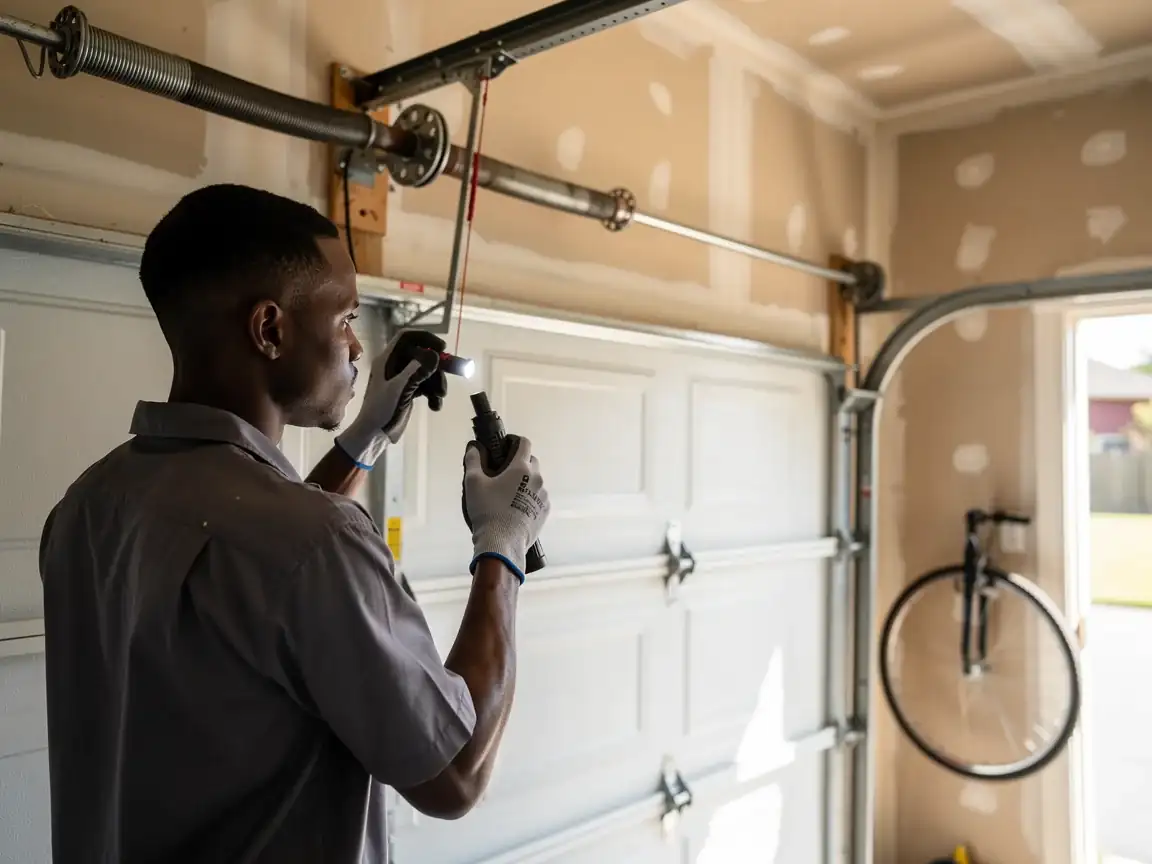
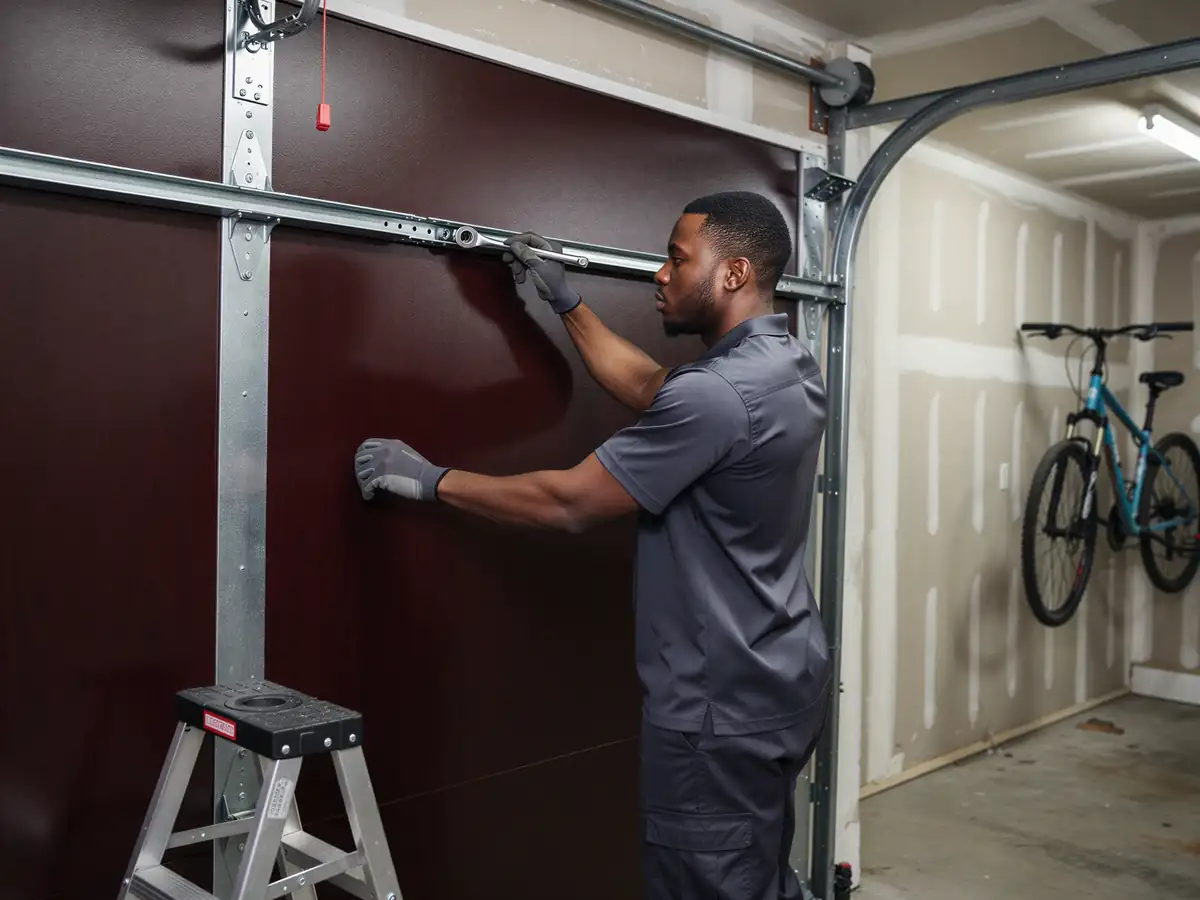
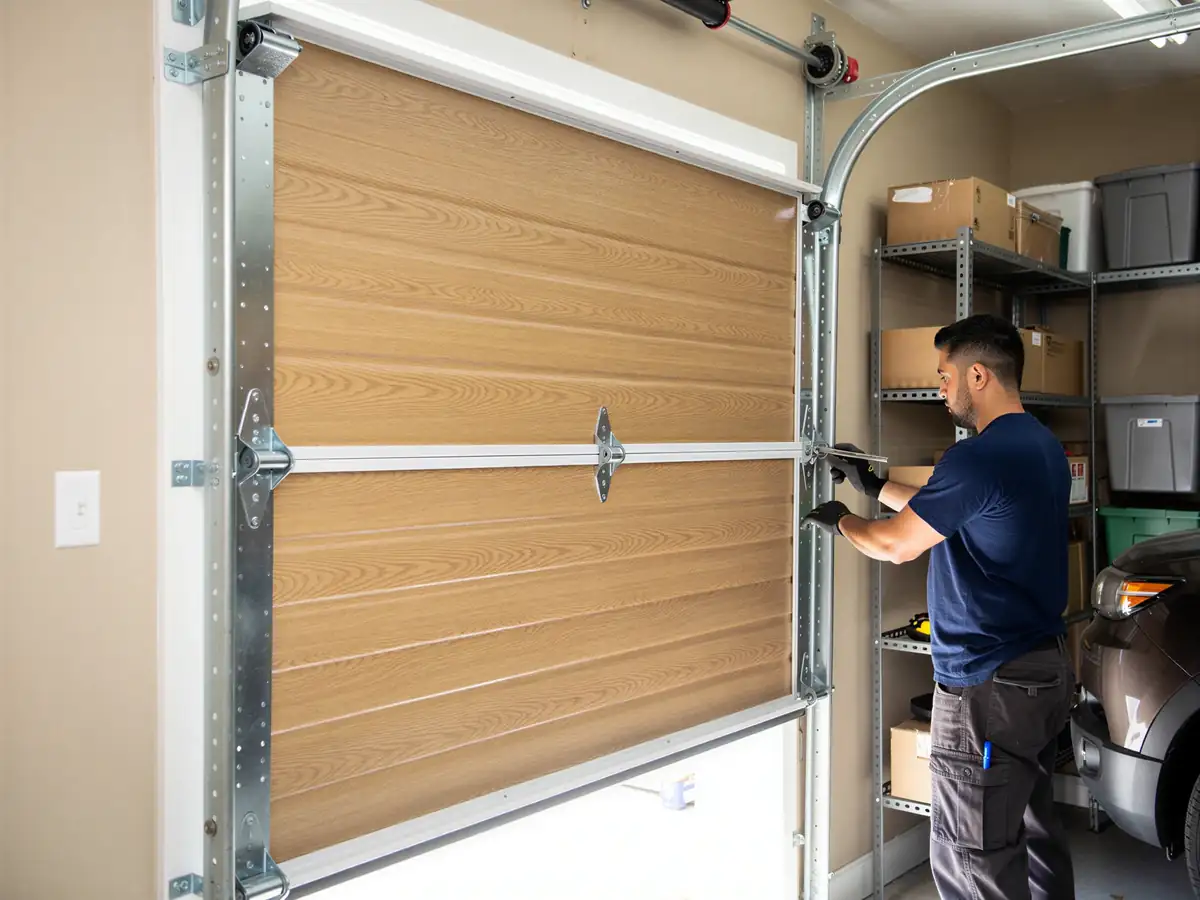
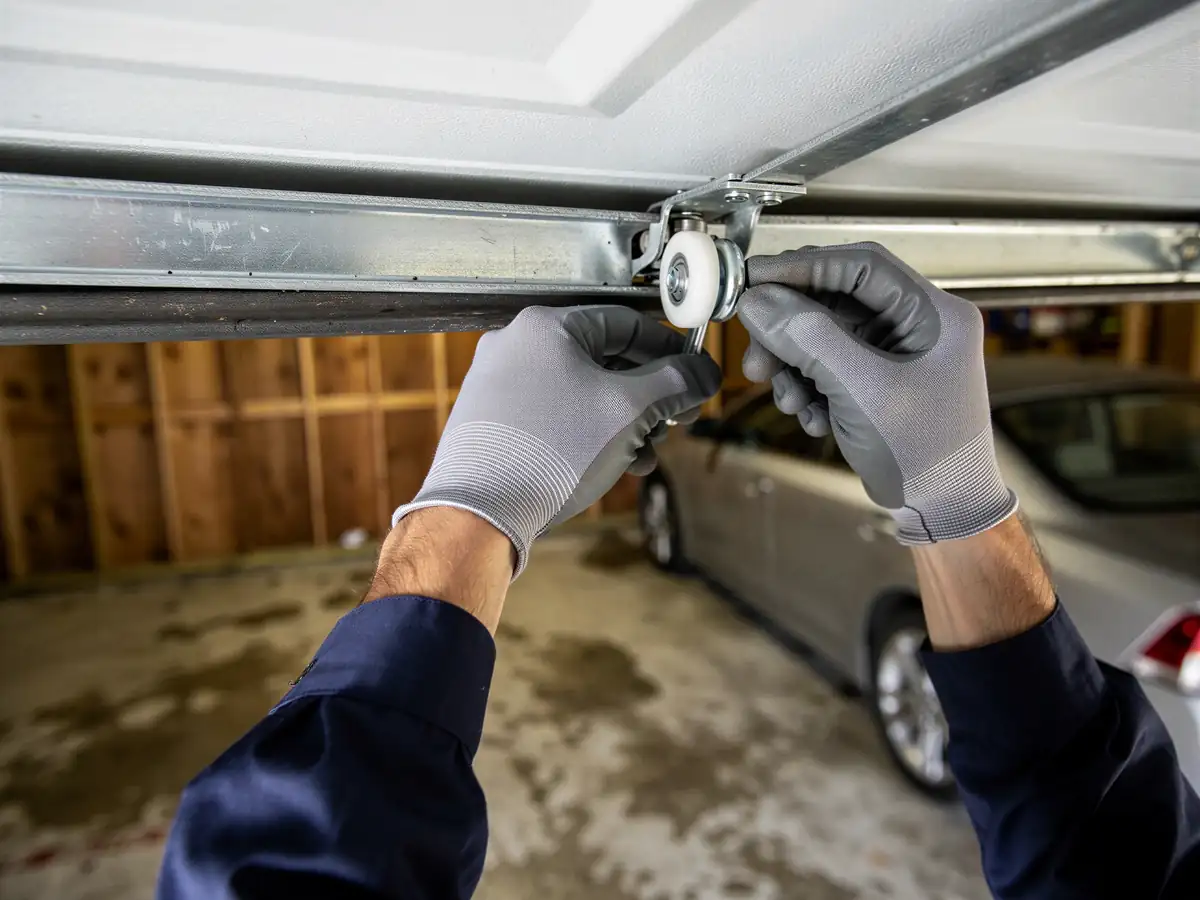
For a straightforward torsion spring replacement, we match the new spring's wire size, length, and wind direction to the door's actual weight rather than just swapping in whatever was there - a mismatched spring either underlifts the door or wears out fast. On a 1980-era door we also check the drums, cables, and center bearing plate while we're in there, since hardware from that era is often original and a spring job is the cheapest time to replace a worn bearing before it strands you again in six months. If the door has only ever had one spring and the opener and track can take a second, we'll say so, because a two-spring setup gives you a fallback if one fails later. We balance and cycle-test the door before we leave. One honest limit: if the drums or the shaft show real wear or rust pitting from age, replacing just the spring is a short-term fix, and we'll tell you that instead of charging you twice.