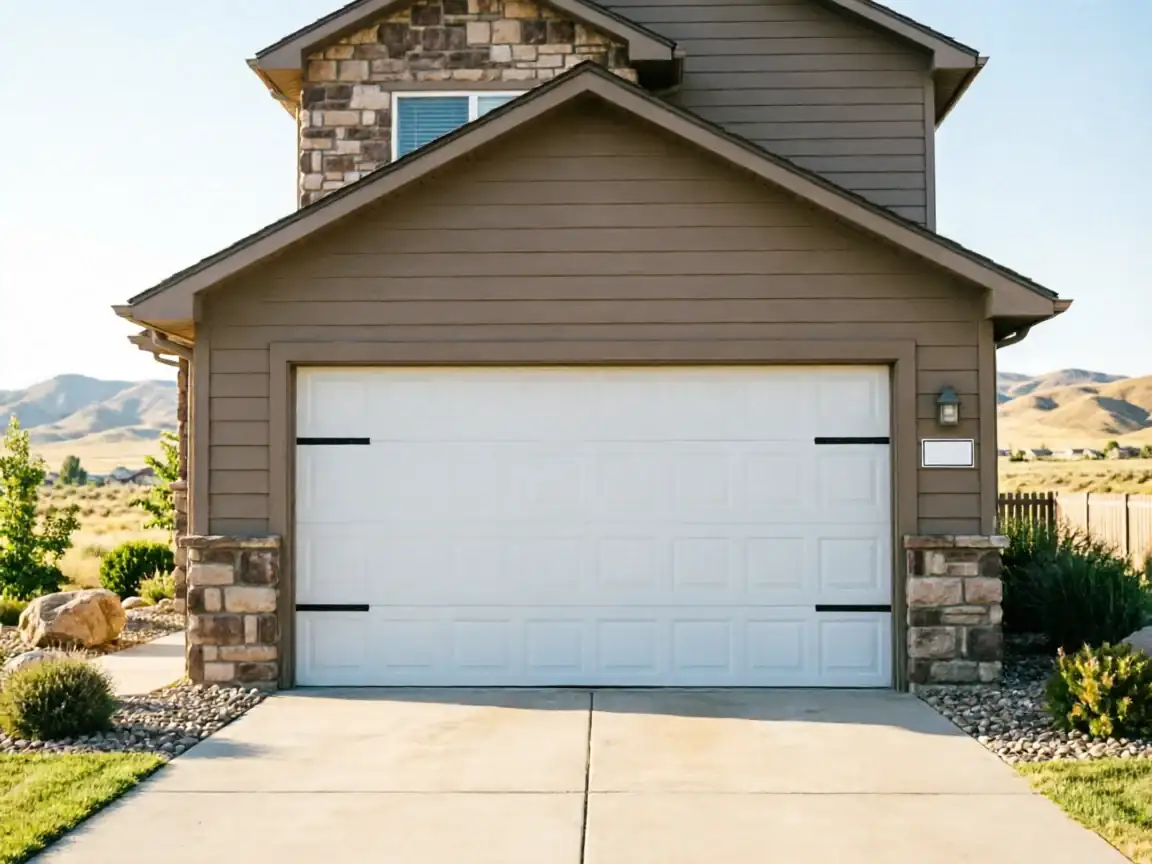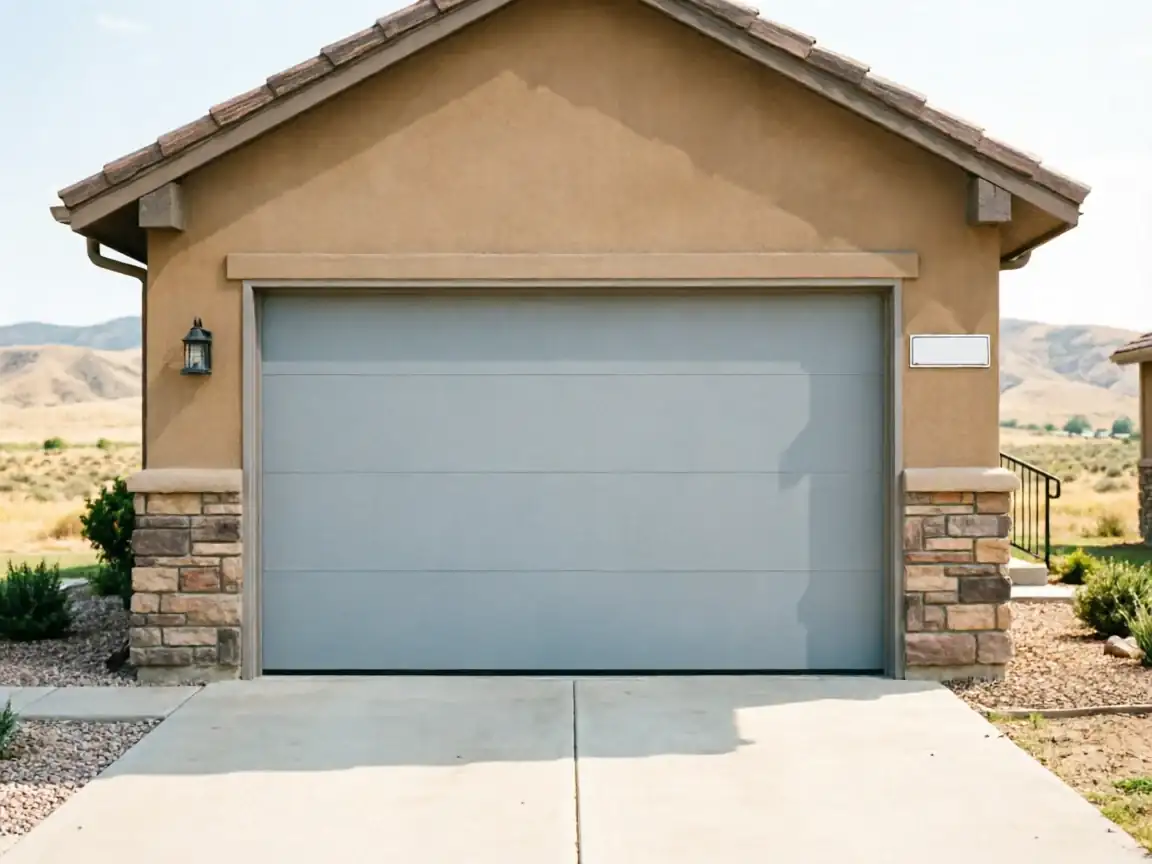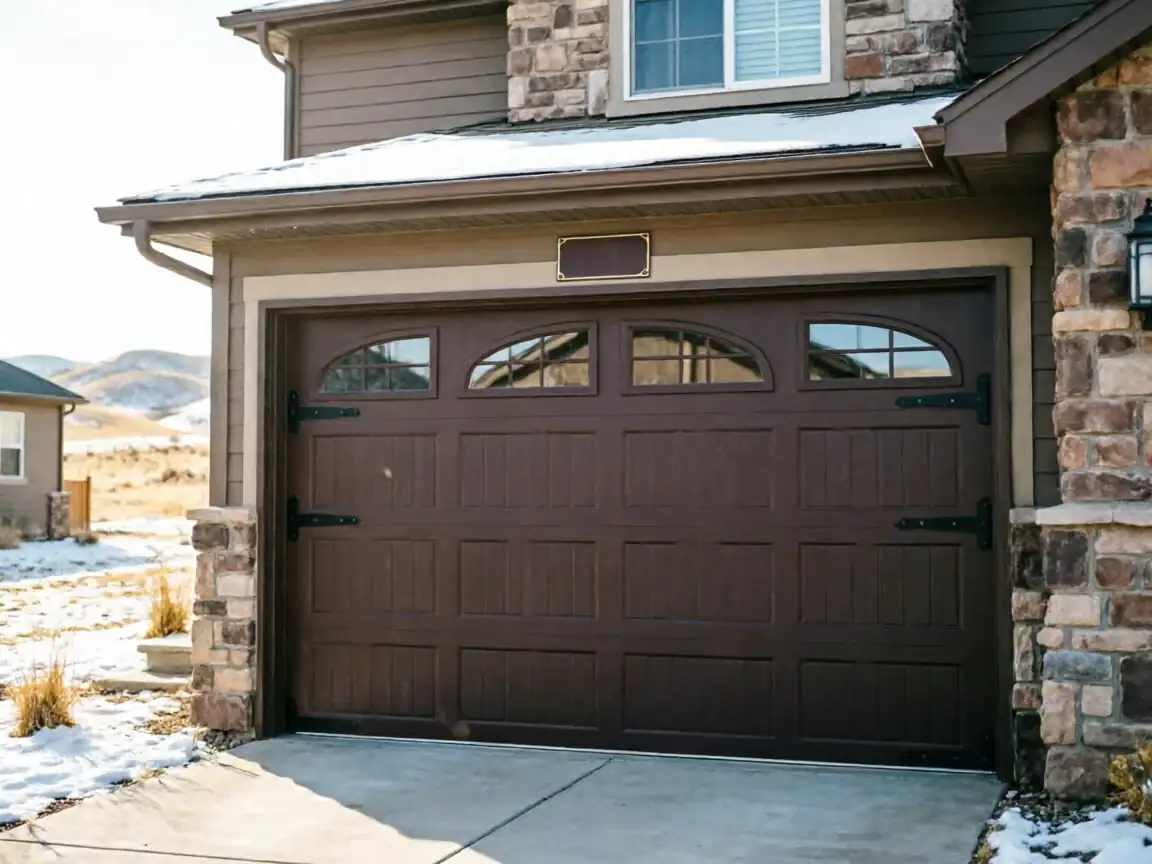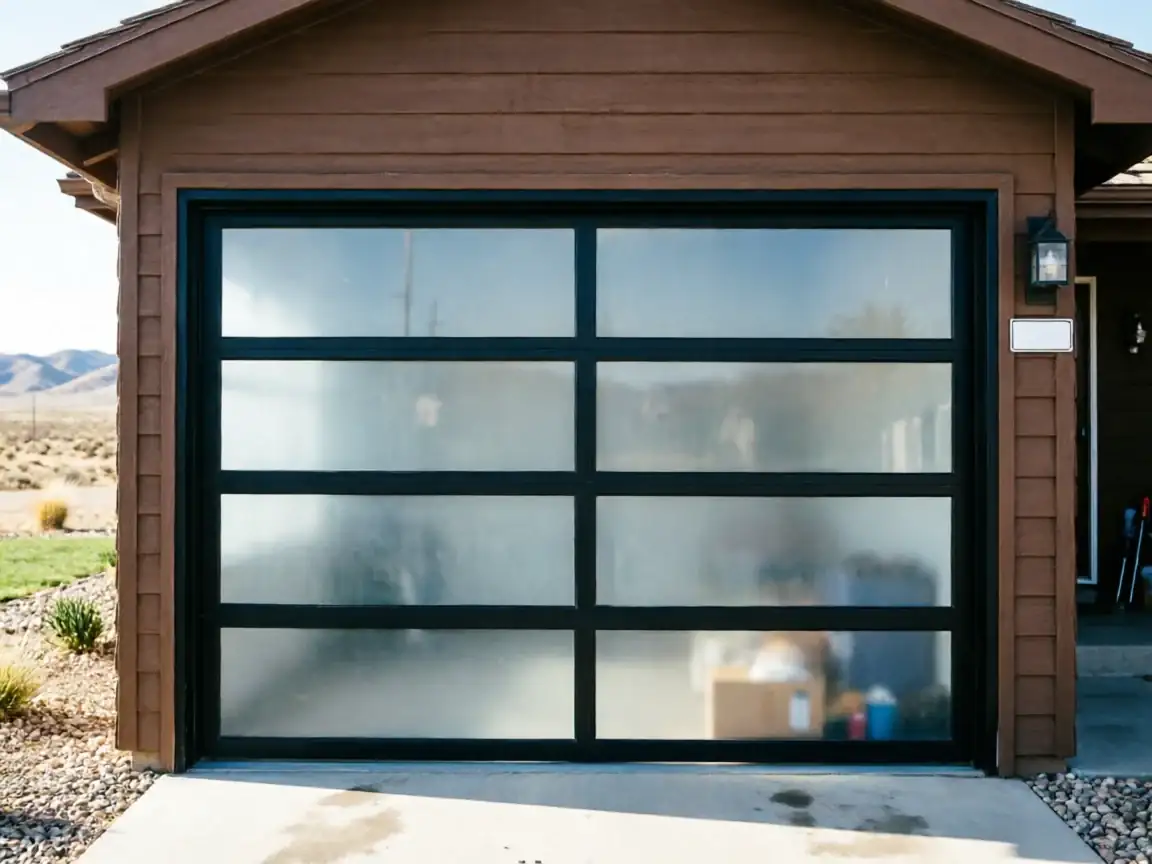
What You Are Seeing
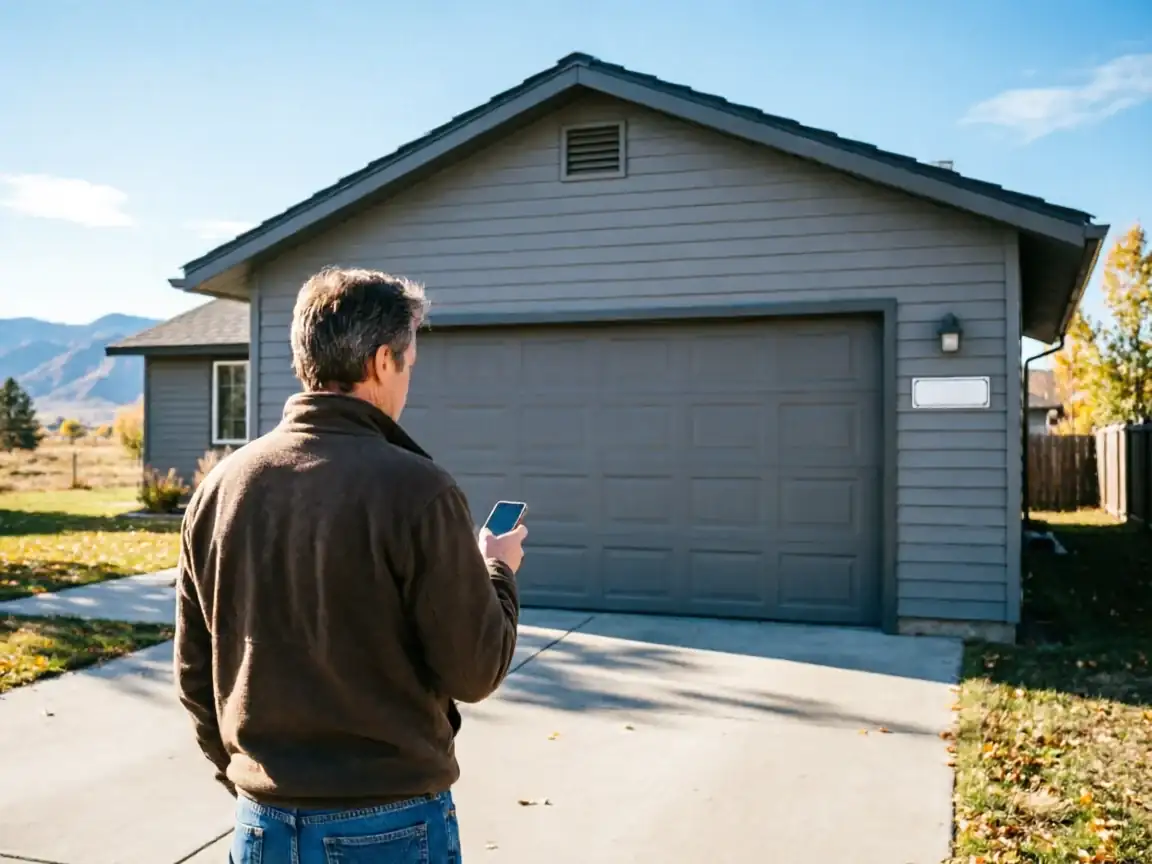
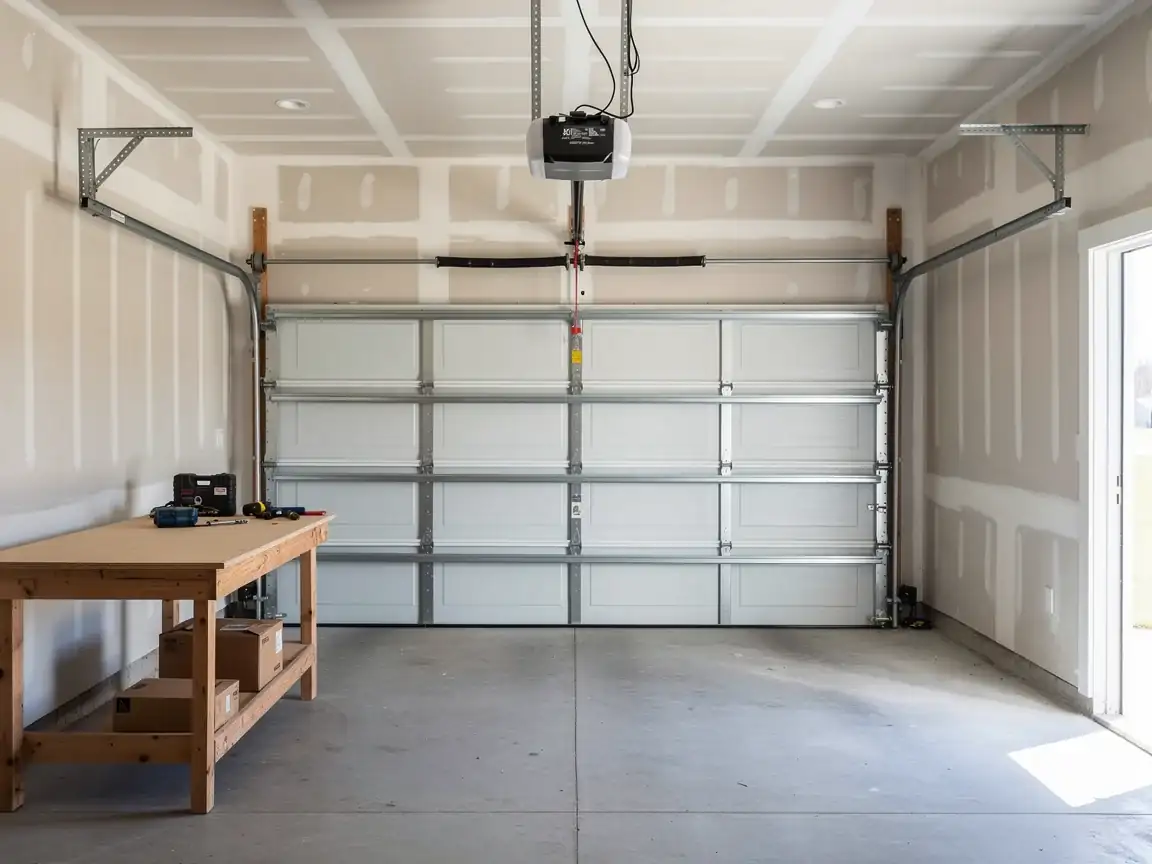
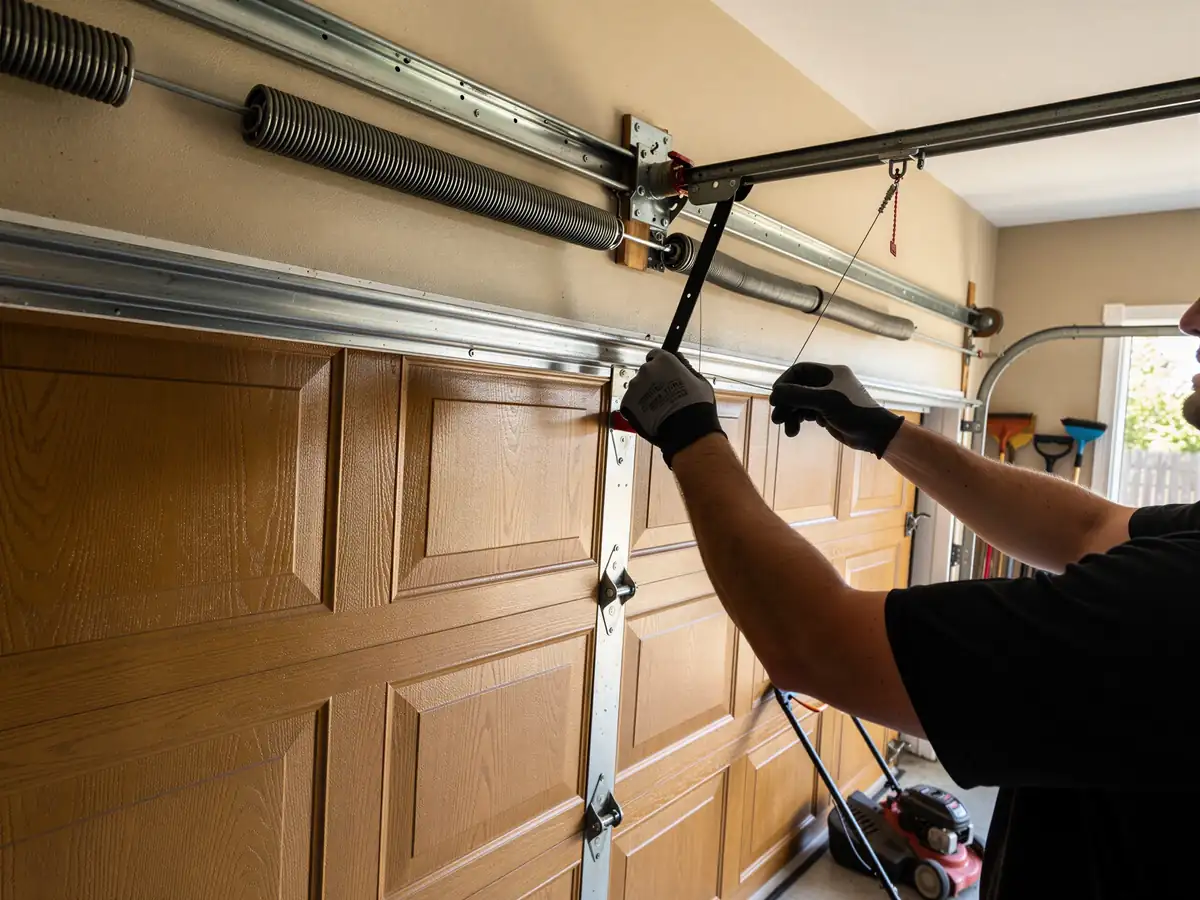
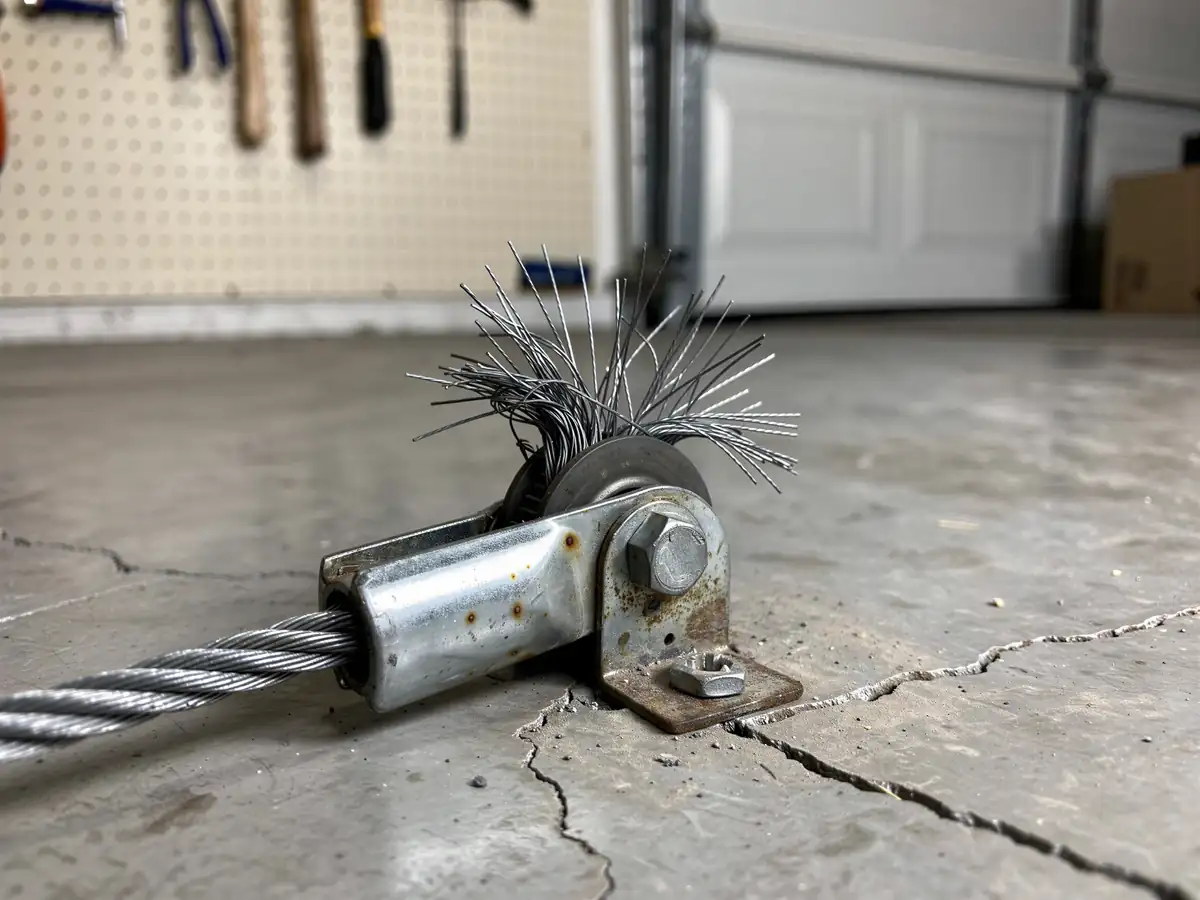
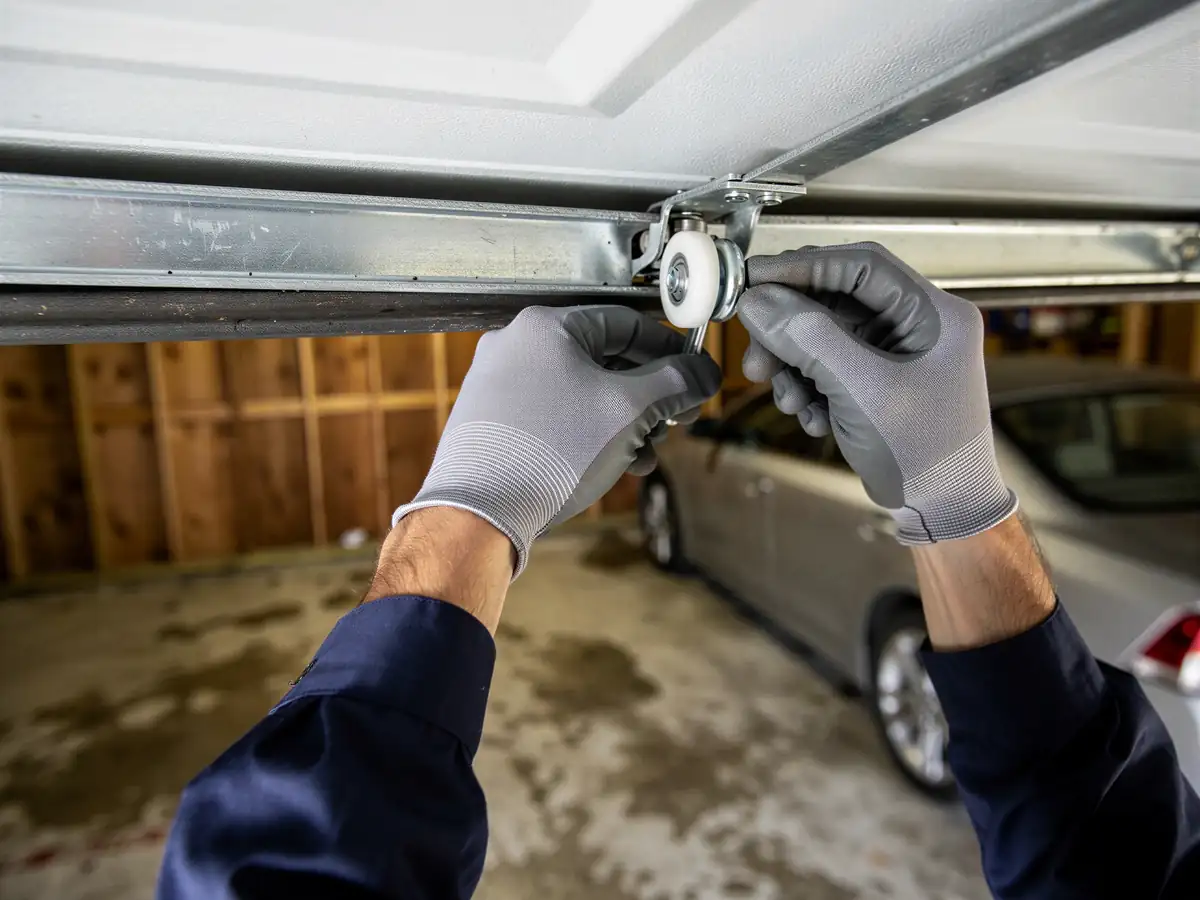
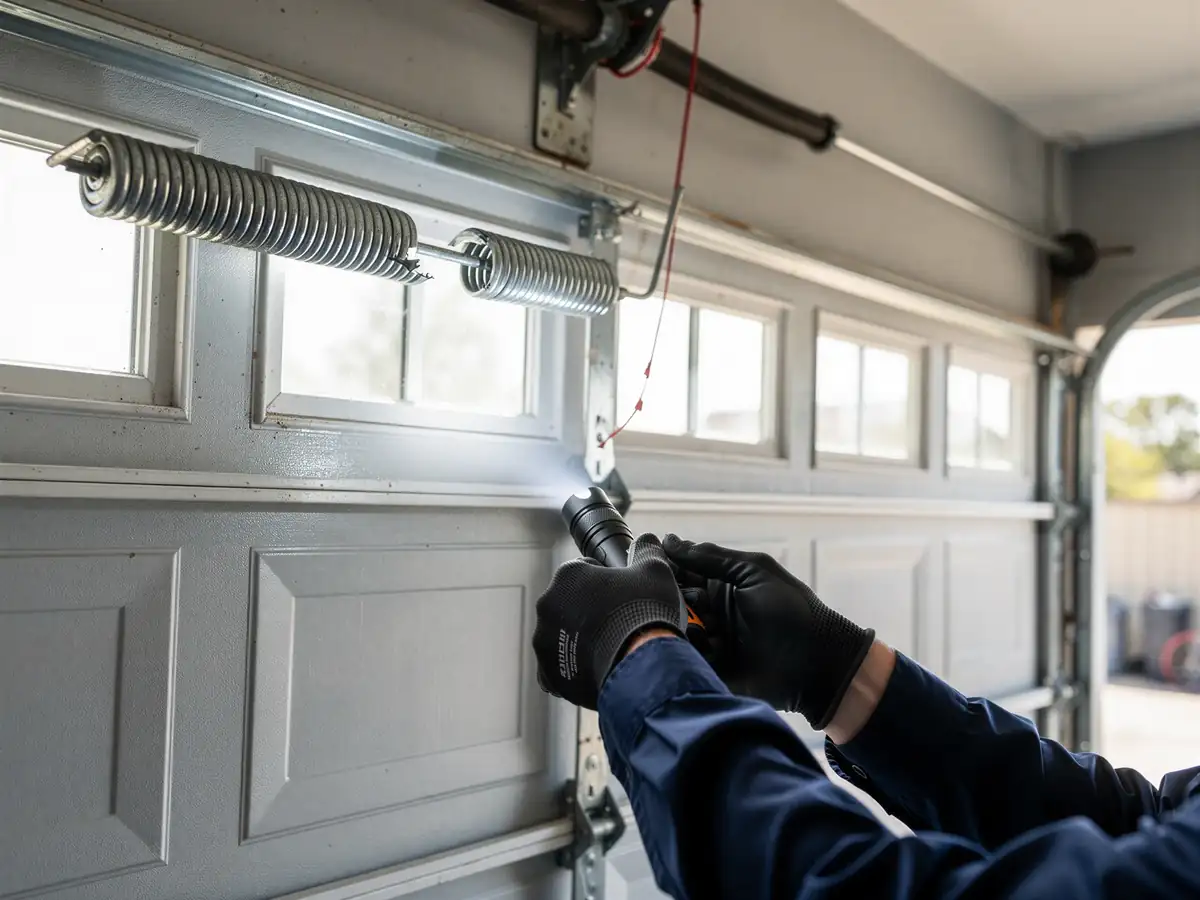
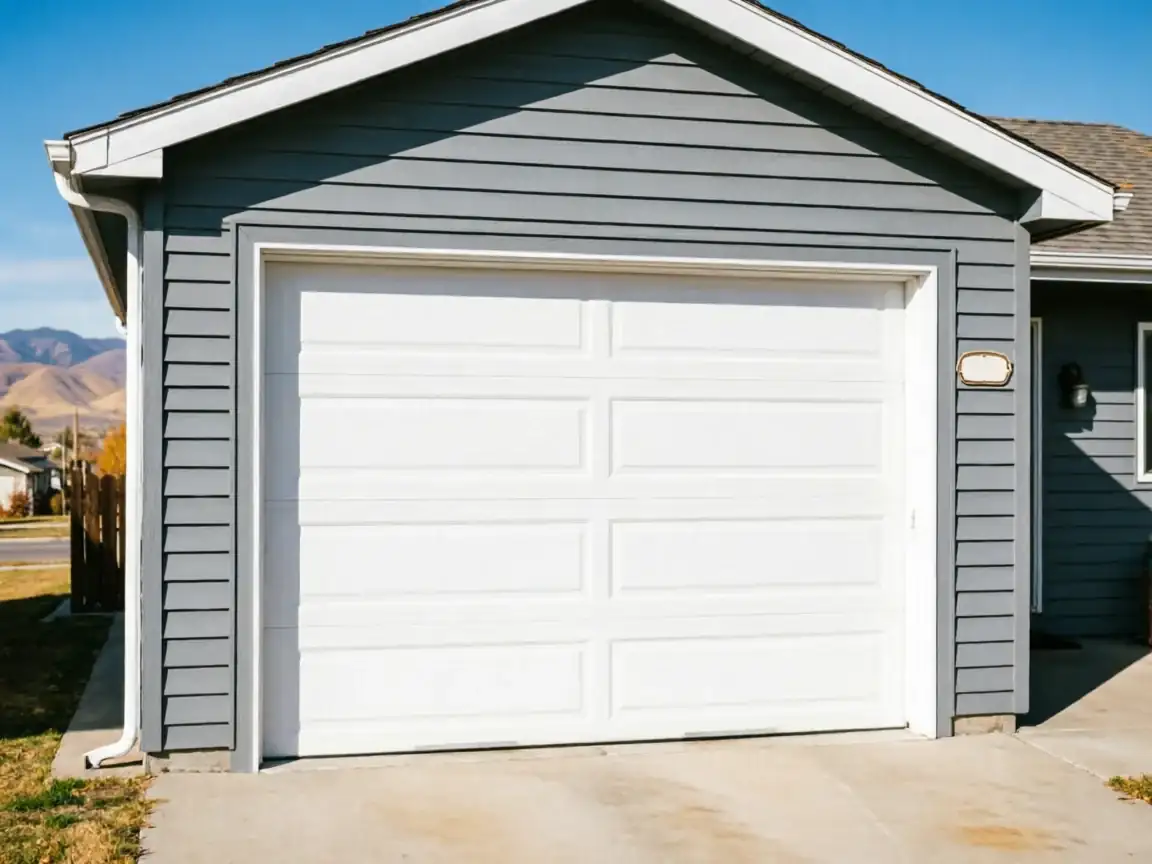
Most garage doors in Bridger went up around 1980, a few years ahead of the broader service area's 1994 median year built. That matters because a door from that era is usually a plain steel sectional, single or double, hung on extension or torsion springs that were never upgraded. There's no insulation layer in a lot of these panels, and the track hardware is the galvanized stamped-steel style that was standard before composite rollers and nylon idler bearings became common. When one of these doors starts giving trouble, it's rarely the opener - it's the thirty-plus-year-old spring, the worn roller, or a cable that's frayed from years of the same torque cycling through the same hardware. If your door is sagging on one side, slamming the last foot of travel, or making a grinding noise on the way up, that's consistent with hardware this old rather than anything wrong with the motor.
Booking a Visit
We run out of Bozeman, about 11 miles from Bridger, and we cover the town for repair and service calls. There's no local branch or standing inventory in Bridger itself - with roughly 46 households in the area, there isn't the call volume to justify one, so every job here is a scheduled trip from Bozeman rather than a drop-in. When you call, tell us the door's approximate age and whether it's stuck open, stuck closed, or making noise; that lets us bring the right spring size and cable length instead of guessing on site. We don't quote a response time for Bridger specifically - distance and road conditions this time of year both factor into when we can get out there, and we'd rather tell you a real window than promise one we can't keep.
Why It Happens Here
Bridger sits in a severe cold climate band, and that cold does specific damage to hardware from the 1980 era that newer doors are built to shrug off. Steel contracts in low temperatures, which tightens tolerances on tracks that were already stamped to looser specs decades ago - that's why cold mornings are when owners notice binding or a door that won't seal flush at the bottom. Extension and torsion springs lose a measurable amount of lift force as temperatures drop, so a spring that's marginal in July can fail outright in January. None of this is unique to one house; it's the predictable result of original-era hardware meeting winters that stress steel more than the doors were spec'd for when they went in around 1980.
What the Fix Involves
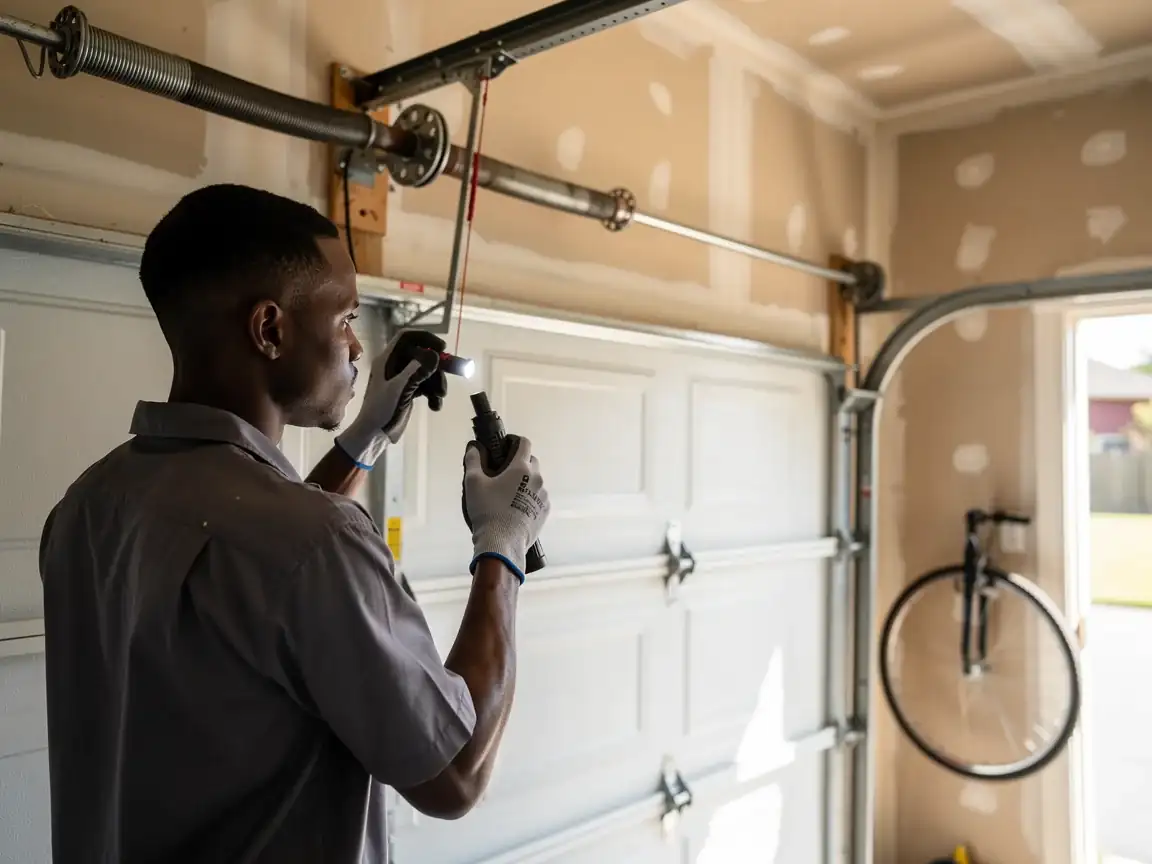
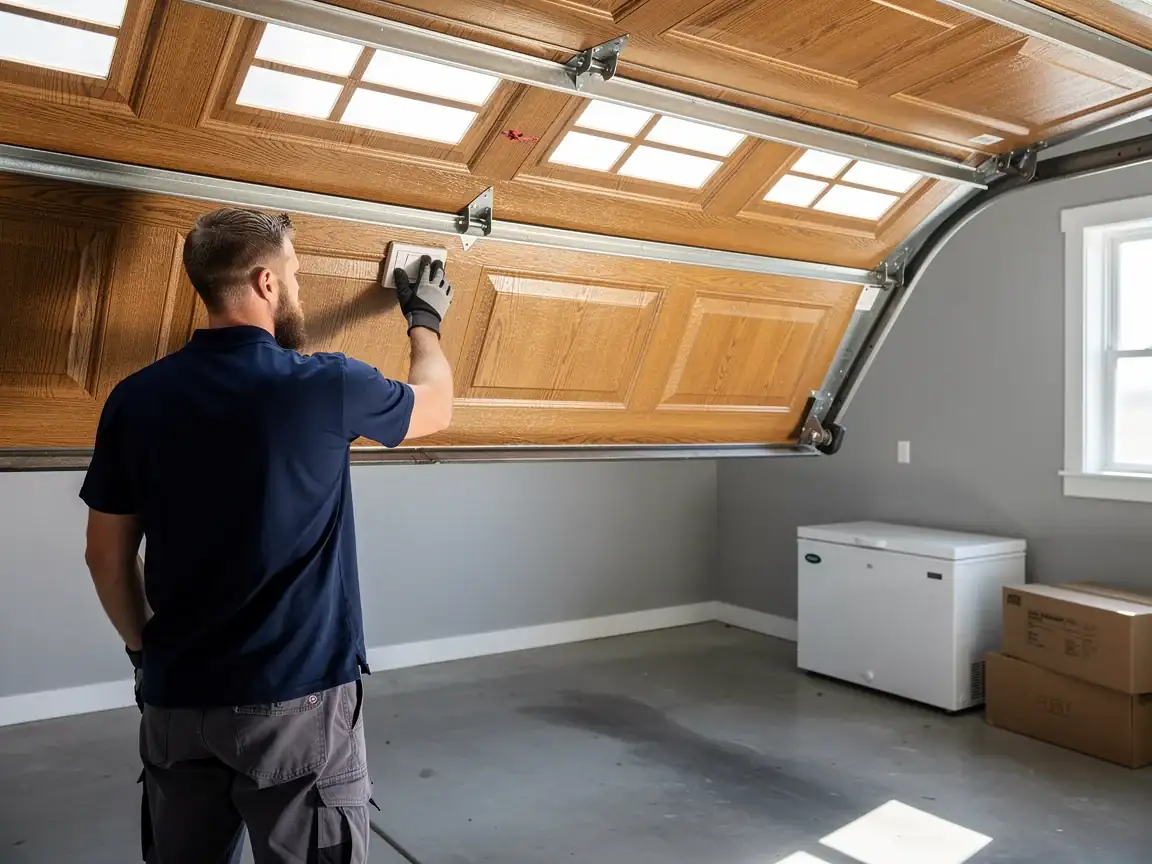
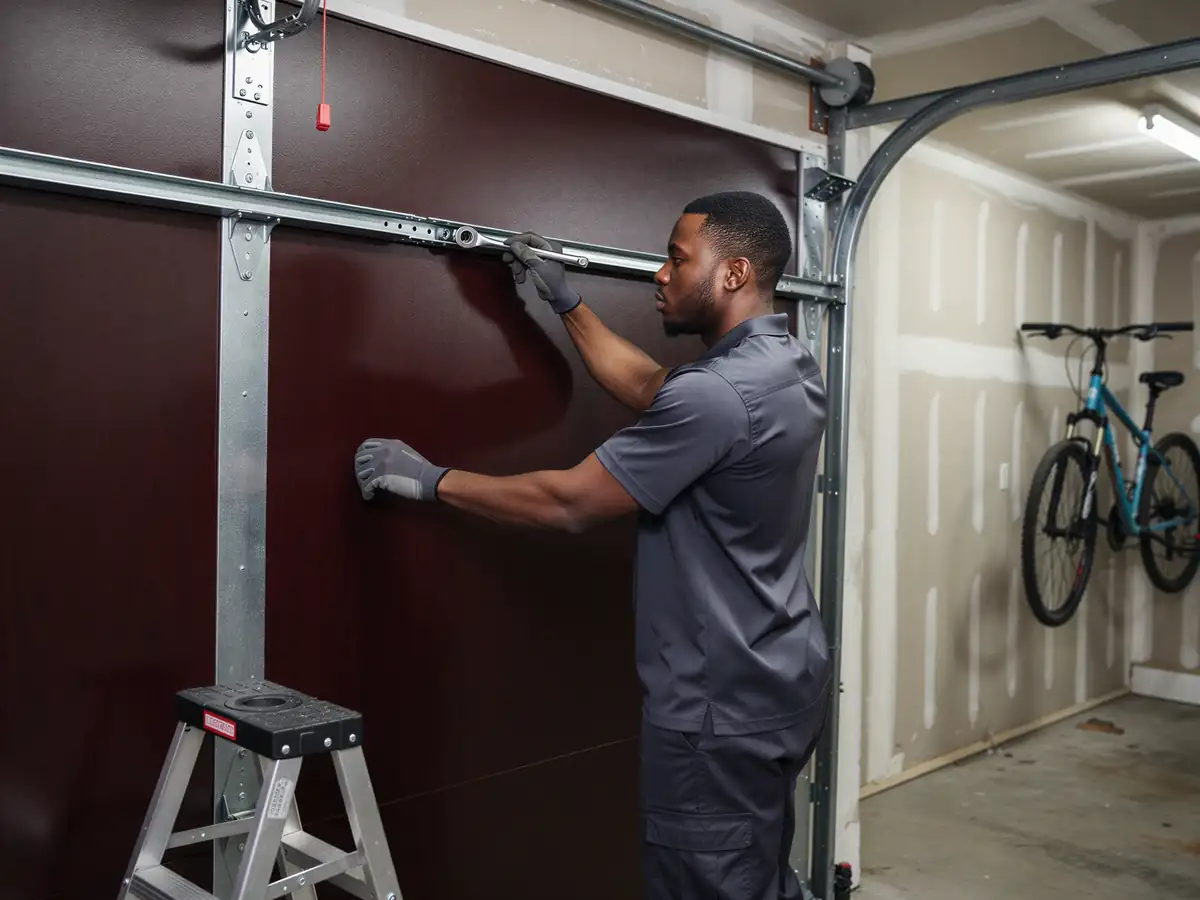
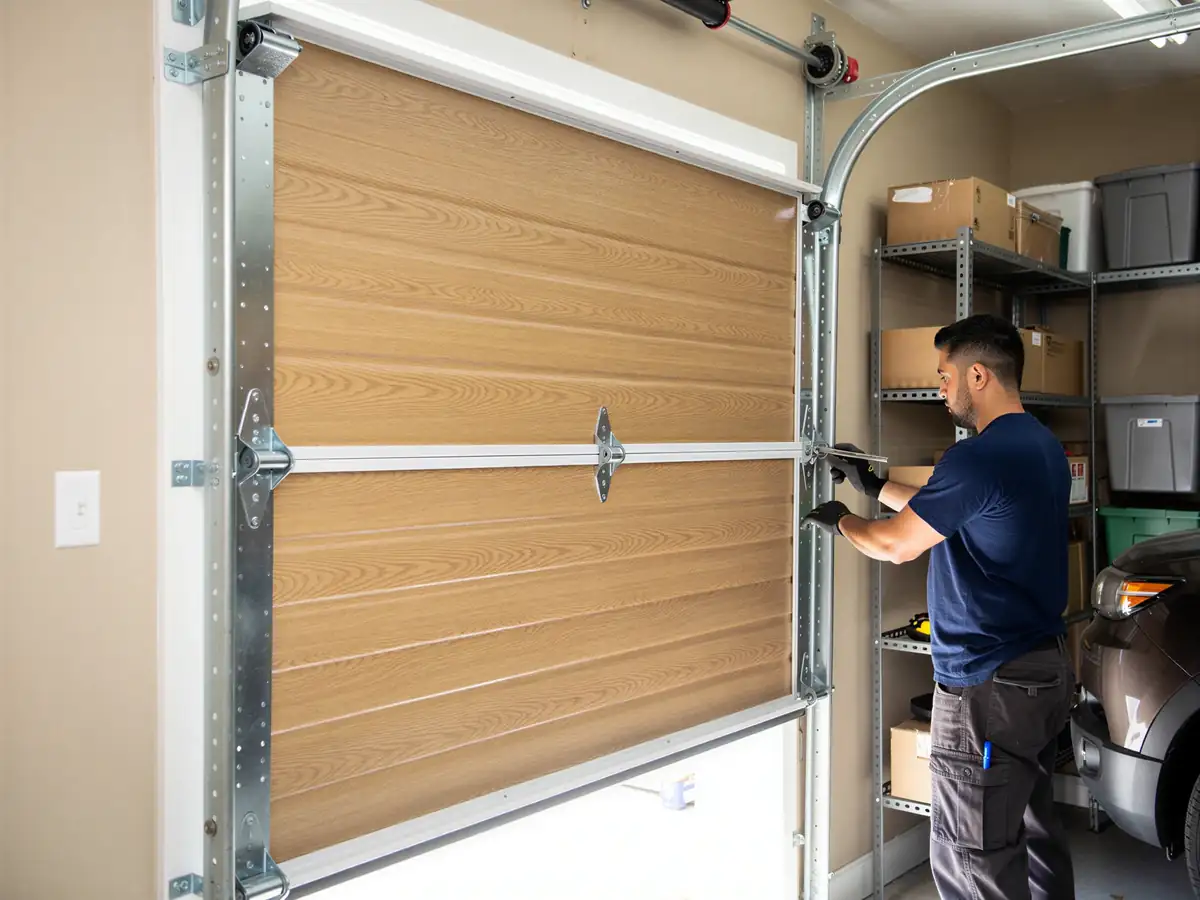
For a spring replacement on a door this age, we match the wire gauge and wind to the door's weight rather than assuming a standard size - a lot of original 1980-era doors used springs that don't match what's sold off the shelf today. Cable replacement usually goes hand in hand with spring work, since both wear on the same schedule. If the track is bent rather than just dirty, we'll straighten or replace the section rather than forcing the door back onto a warped rail, which just shortens the life of the next set of rollers. We also check the opener's force settings after any hardware work, since an opener that was tuned to the old spring tension can over- or under-drive the door once new springs are in. We carry common sizes on the truck, but a less common panel or track profile from this era can mean a short wait on a part - we'll tell you up front if that's the case rather than guess.