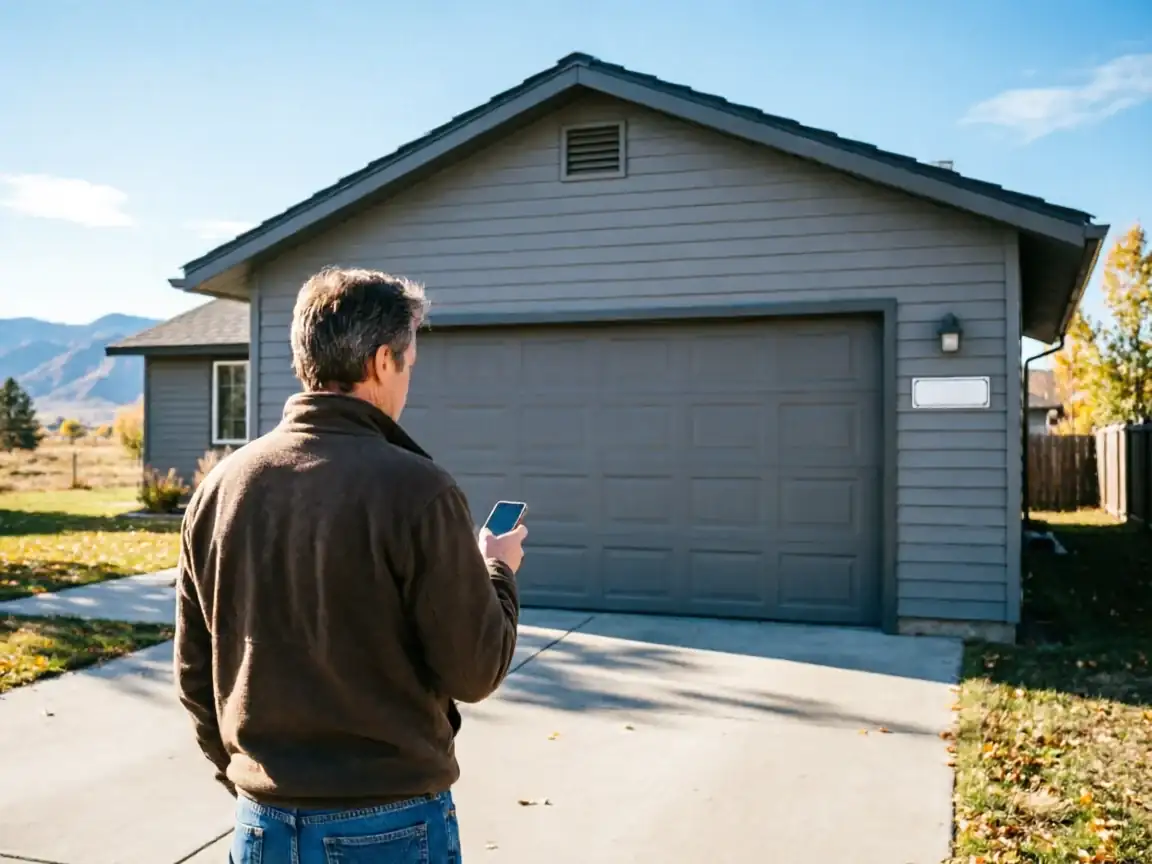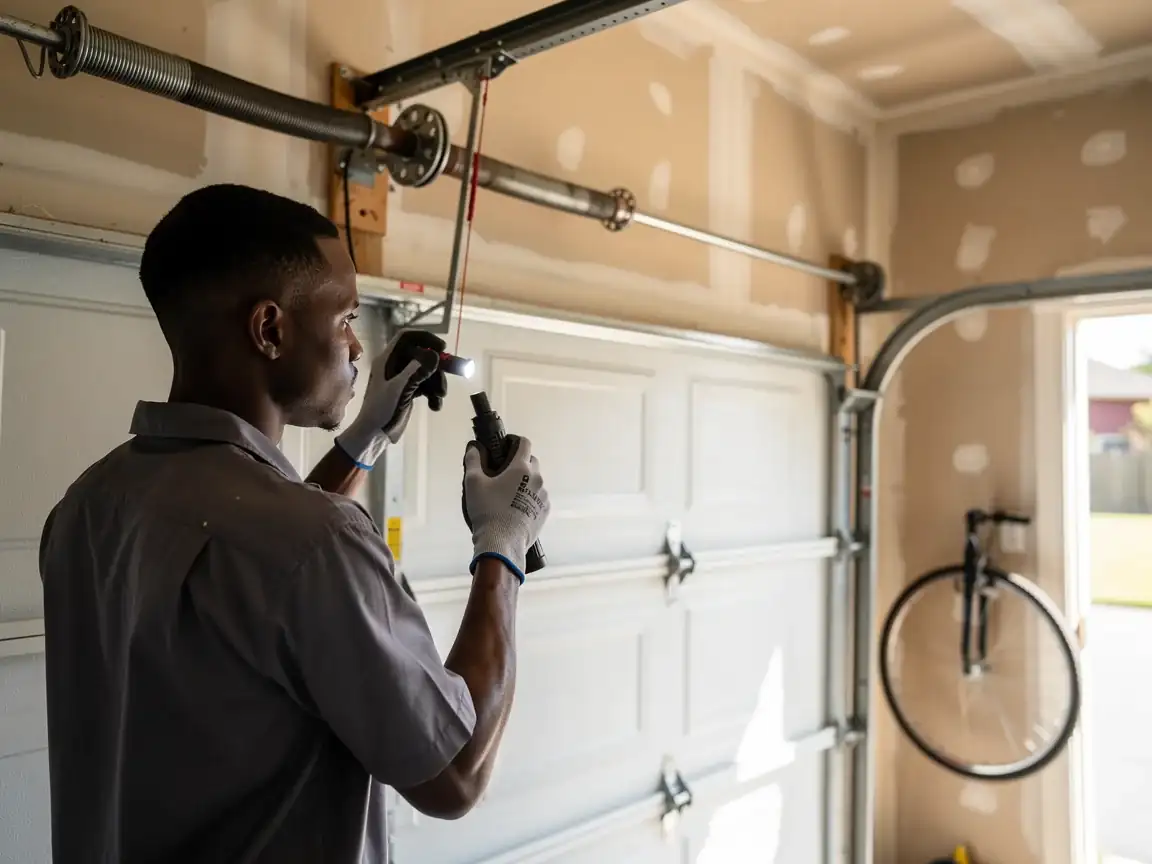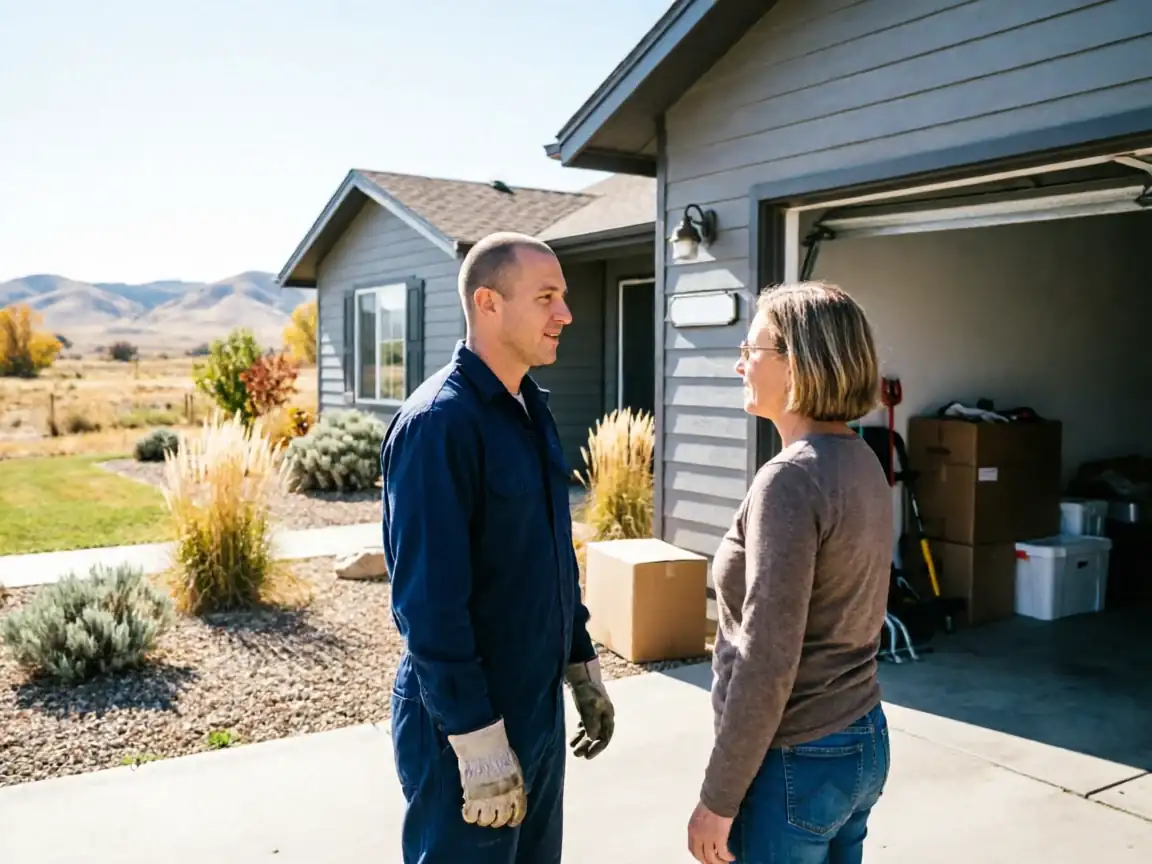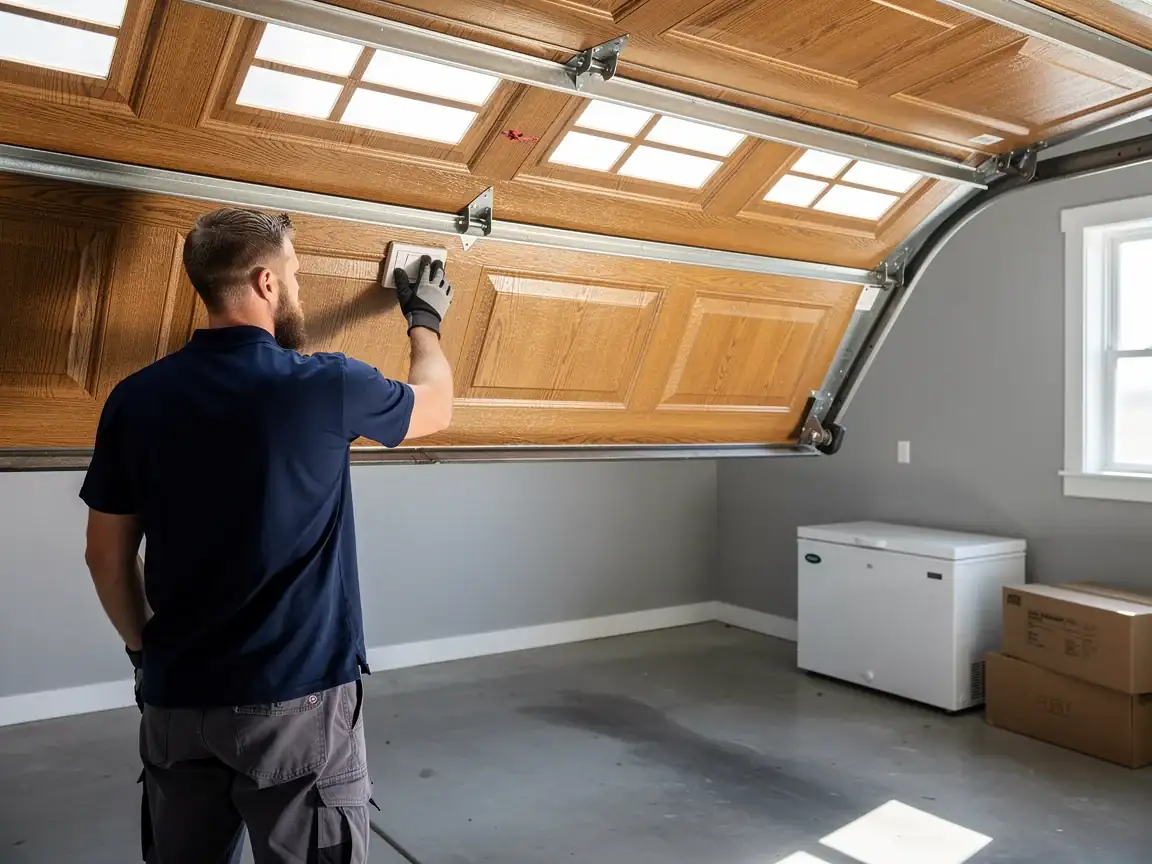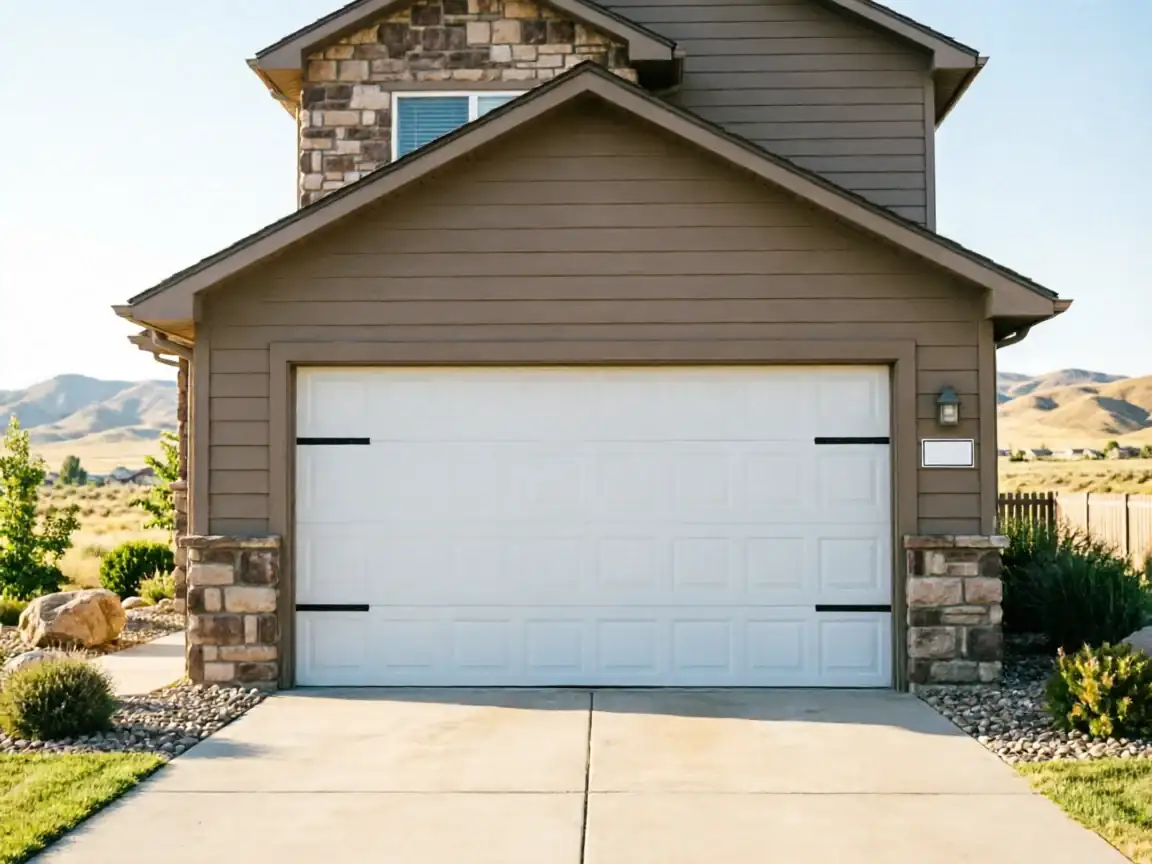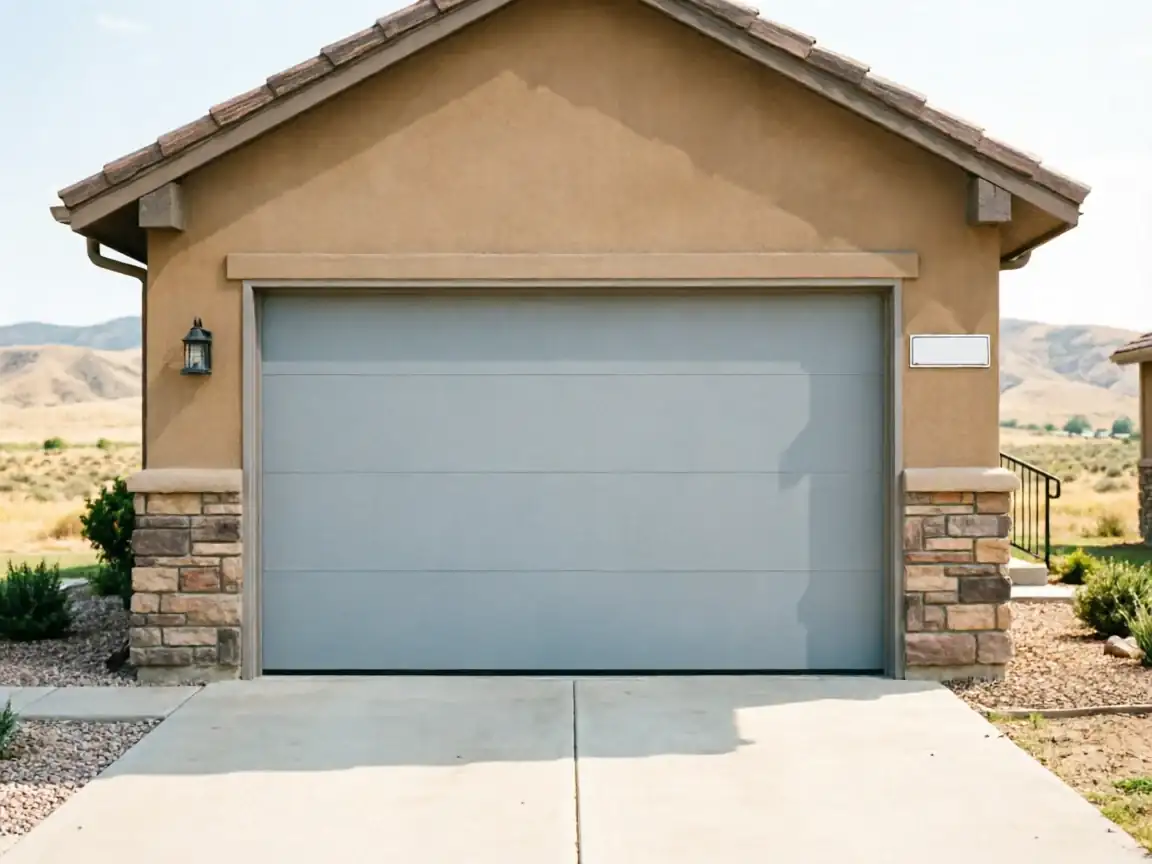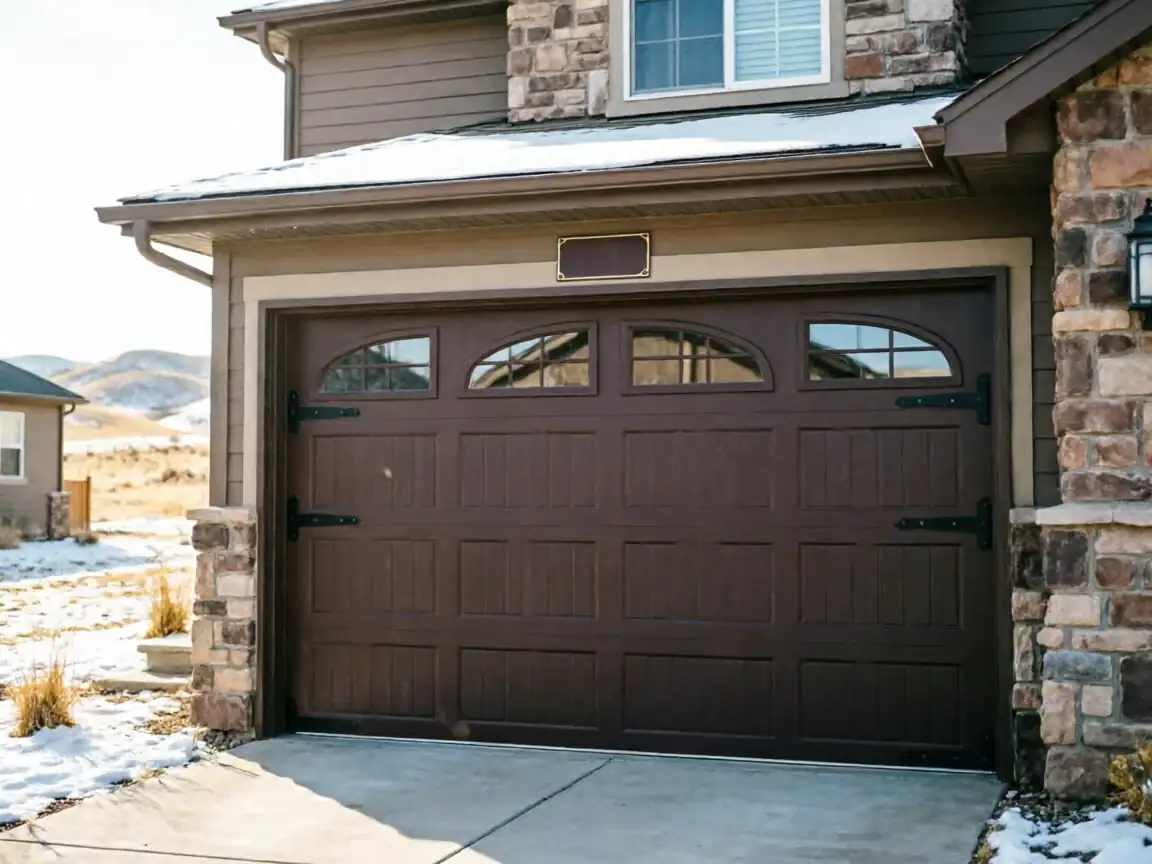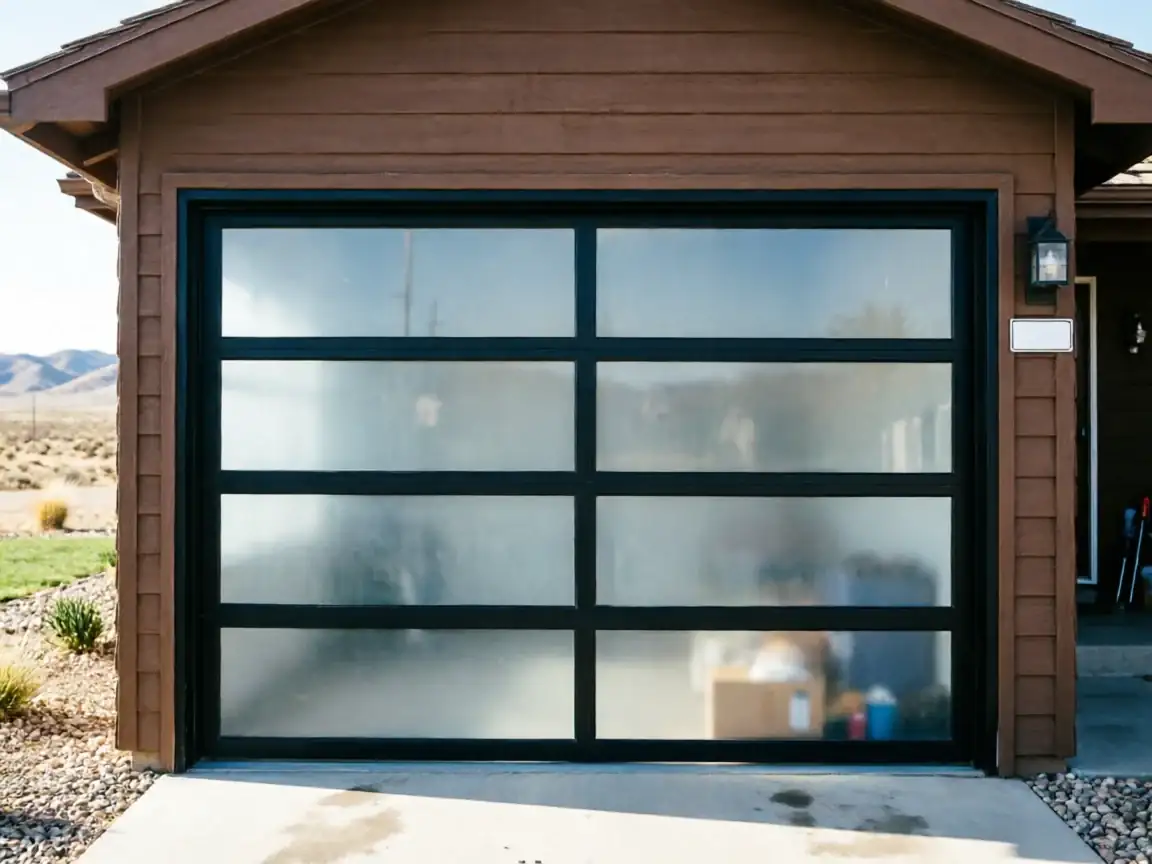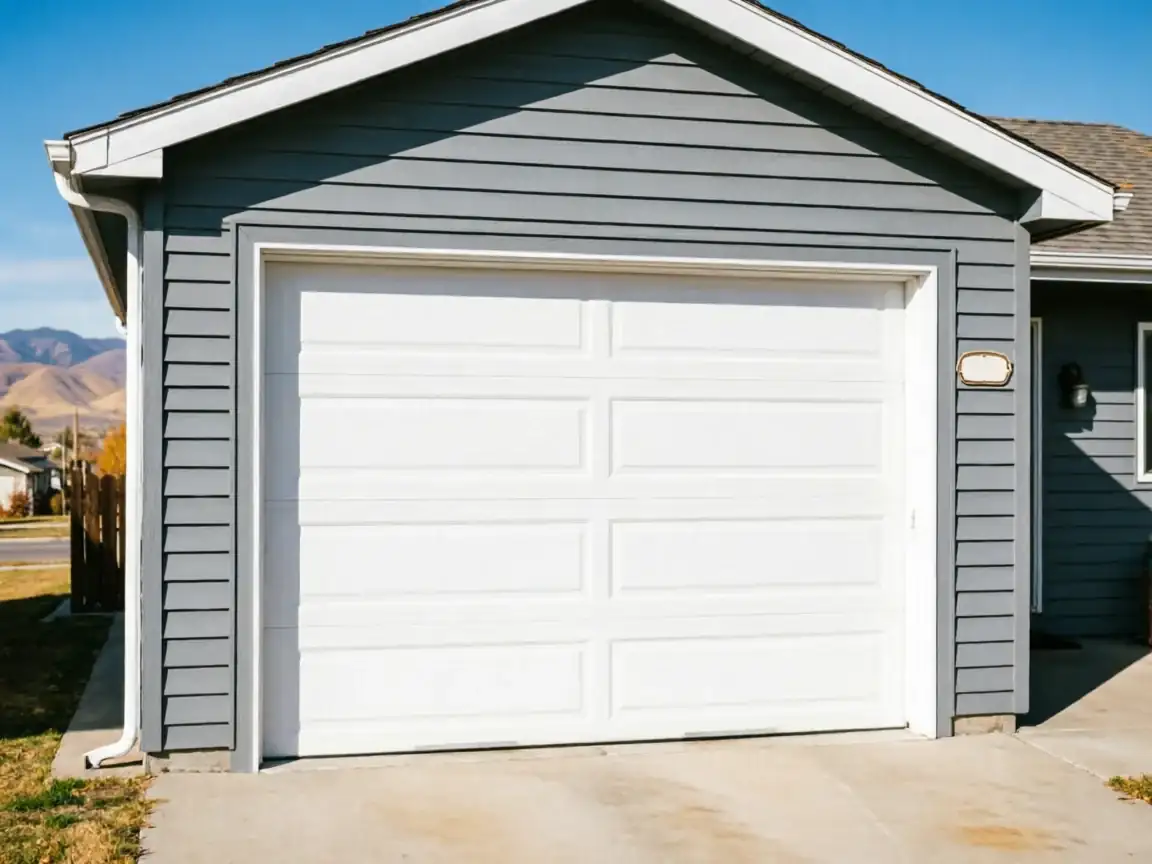
What You Are Seeing
At a median household income of $136,154, Bridger sits well above the $100,185 median across the rest of our service area. That number matters for one reason: it's usually cheaper, over a ten-year span, to replace a dying opener here than to keep nursing it. When a repair bill creeps past a third of what a new unit costs, most homeowners at this income level just replace it and move on. We're not going to talk you into a job you don't need, but we're also not going to recommend patching a motor that's circling the drain.
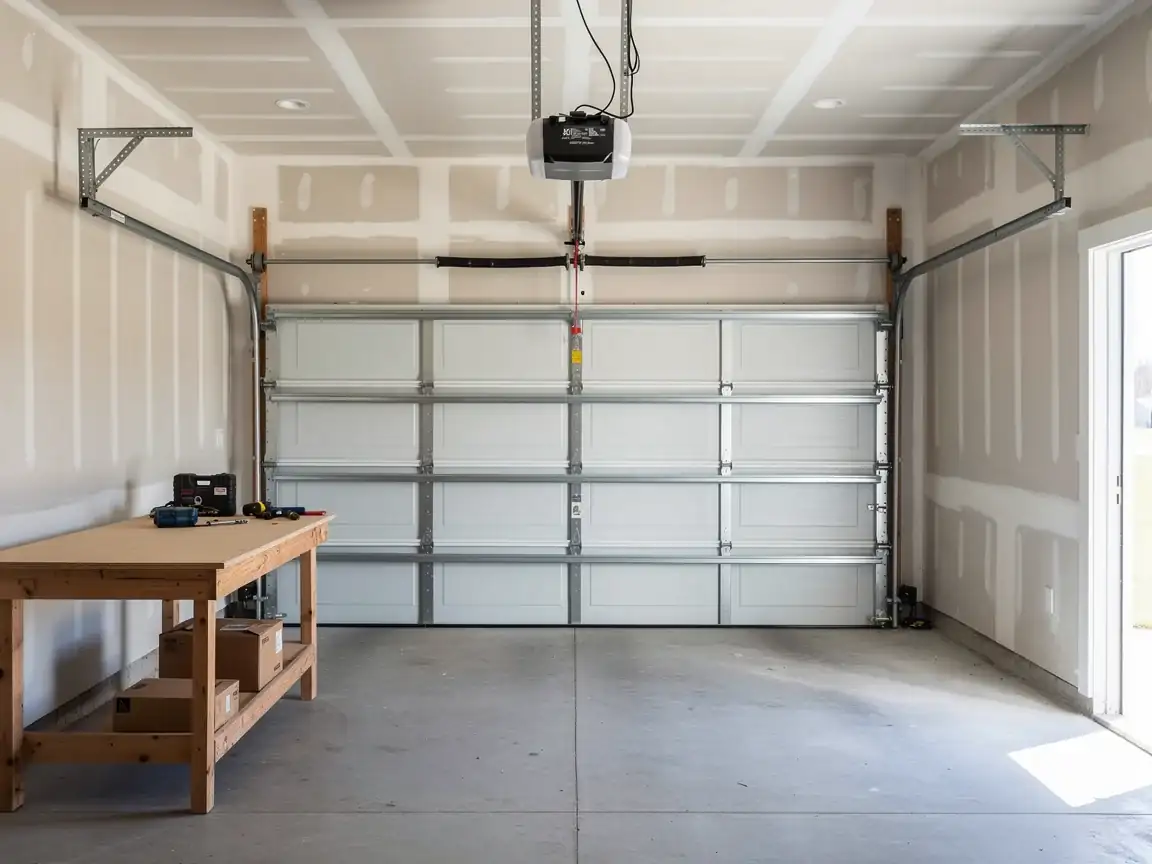
Bridger is a small pocket - just 46 households, a fraction of the roughly 7,705 across the wider area we cover. With houses here built around 1980, on average a bit older than the 1994 median across our broader territory, a fair number of these openers are original builder-grade units: chain drives, no battery backup, no rolling-code security, and gearsets that have been grinding for four decades. If yours is screaming on the way up or stalling halfway down, that's age talking, not a fluke.
Booking a Visit
We run out of Bozeman, about 11 miles away, so there's no local branch or drop-in counter here - every job is scheduled, we load the truck with what your opener needs, and we drive out. That means we ask a few questions up front: belt or chain, battery backup or not, how many remotes, whether you want smart-app control. Getting that right before we leave the shop keeps us from making two trips for one job.
We don't advertise a fixed response window for Bridger specifically, since it depends on what's already on the schedule that day and how far out from Bozeman the truck is running. If your opener has failed completely and the door is stuck down, say so when you call - that changes how we route the day.
Doing It Yourself
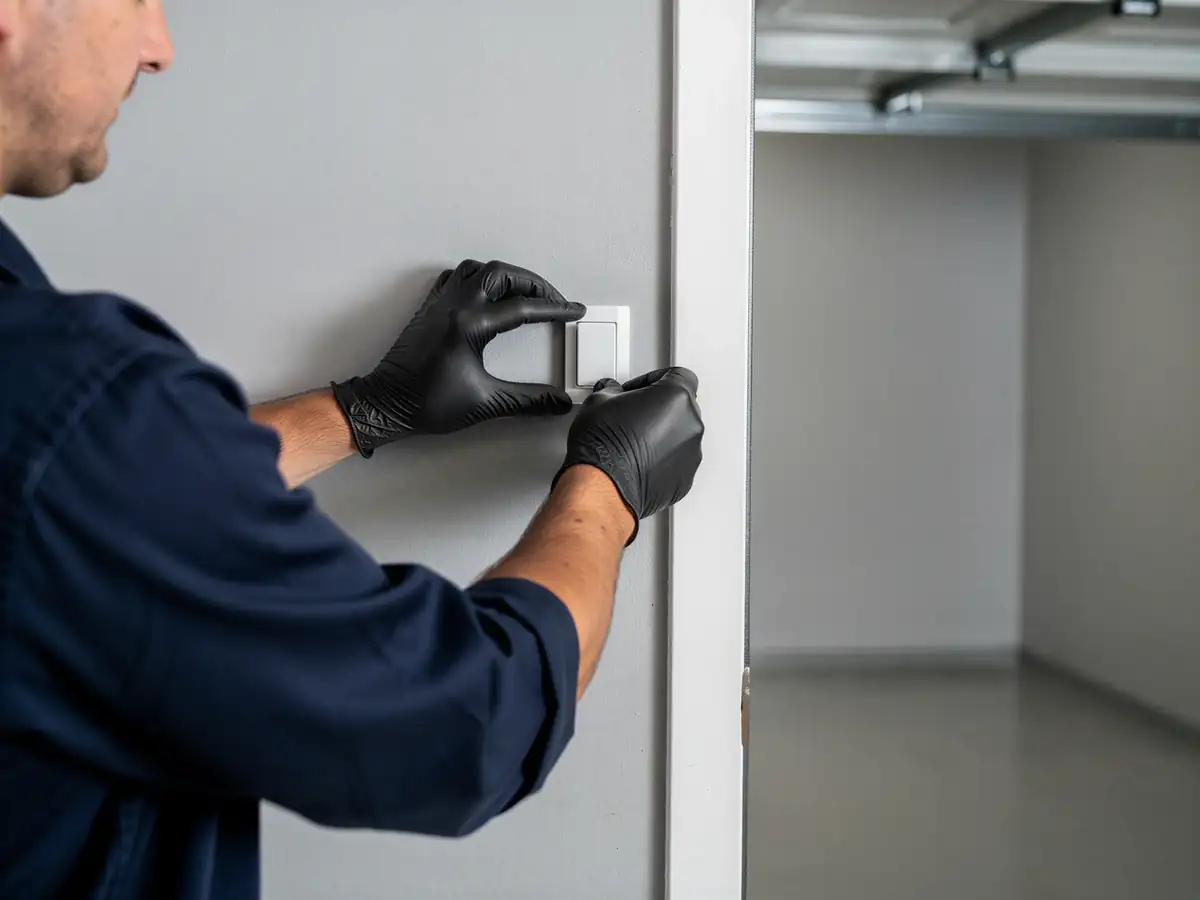
A lot of homeowners can swap remotes, reprogram a keypad, or replace a wall button without calling anyone
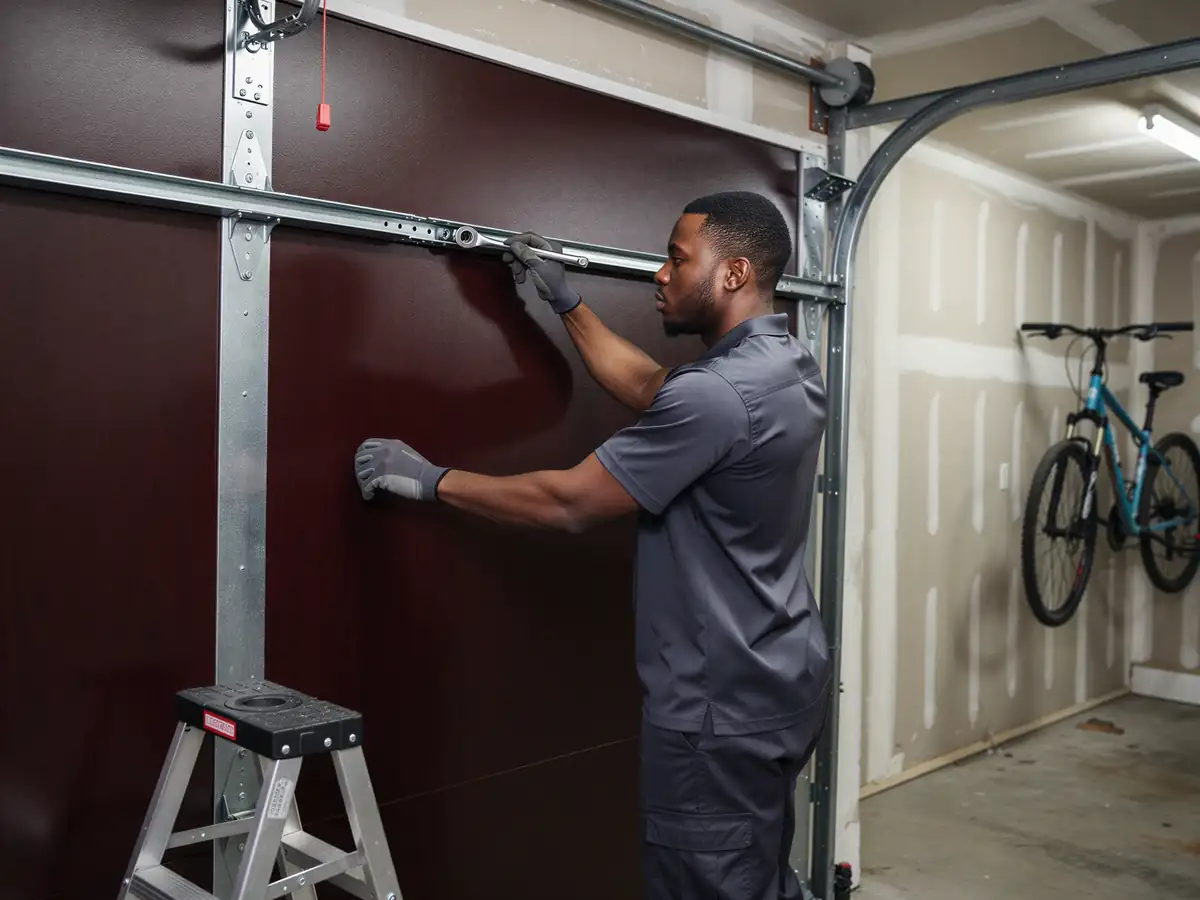
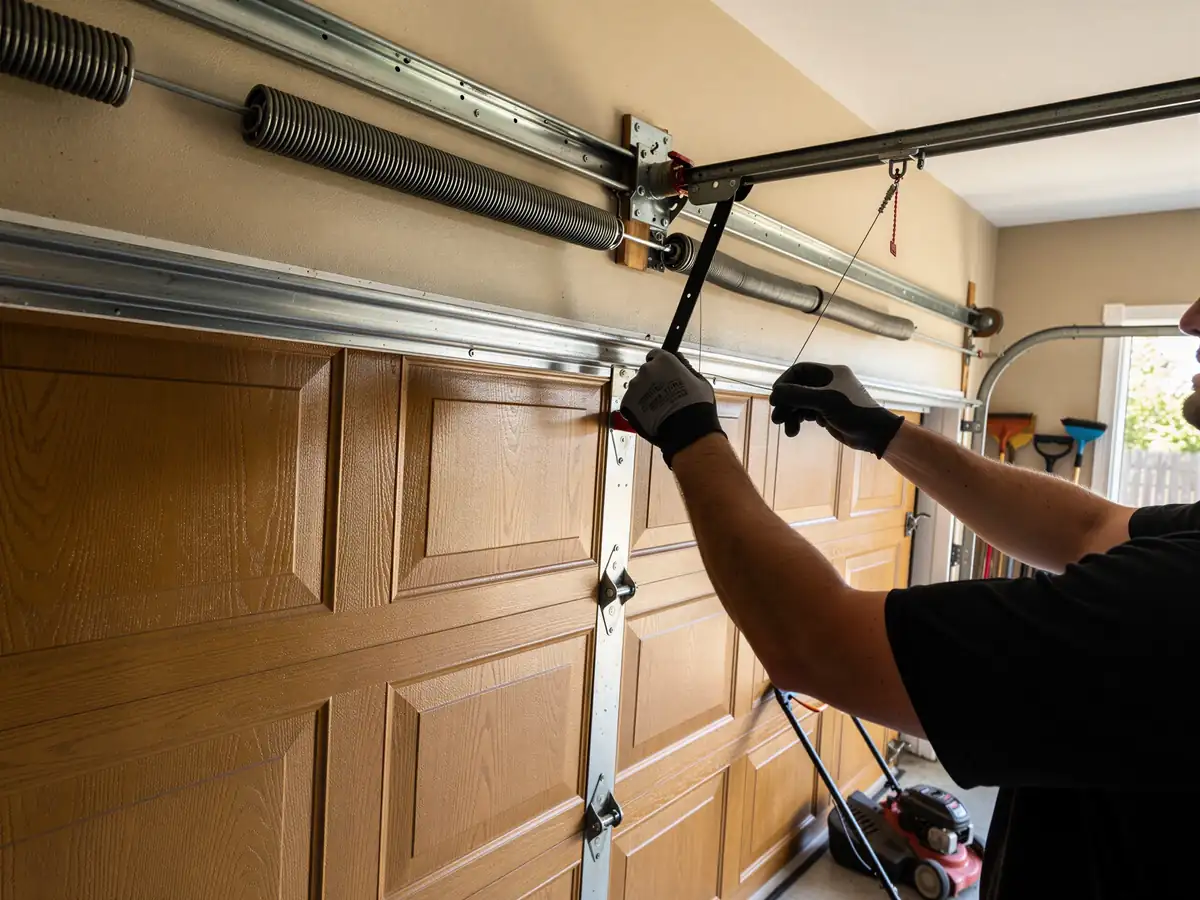
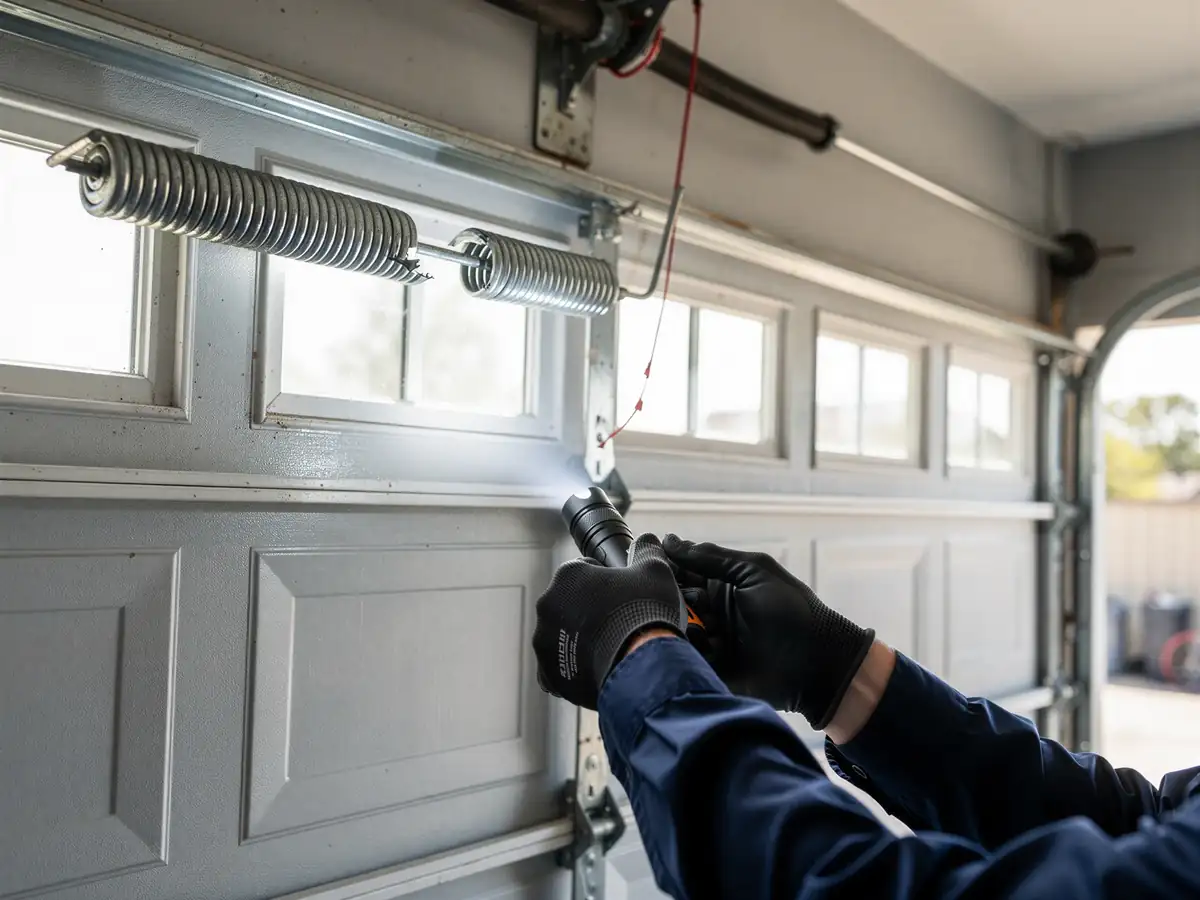
That's fair work for a Saturday afternoon. Where it gets risky is the opener head itself: disconnecting the old motor off a loaded spring system, or wiring a new logic board into house power wrong, can put a hand in the way of 150 pounds of door that drops when the opener isn't holding it anymore.
We won't pretend every install needs a pro
If you're swapping a like-for-like unit on standard track with no structural changes, a careful DIYer can do it. Where we draw the line is anything involving the torsion spring assembly, bracket reinforcement, or houses with the older low-headroom track setups common in 1980s builds - that's where a wrong move gets expensive fast.
Why It Happens Here
Bridger's winters put real stress on garage door hardware - this whole service area sits in a severe cold climate band, and openers feel it in two places: battery backup systems that quietly die in deep cold without anyone noticing until the power blinks, and chain or belt lubricant that thickens up and makes an aging motor work harder than it should. On a 1980-built house, that compounding stress on original equipment is usually what finally ends it.
We also see openers here outlast their safety features. A motor from the early 1980s may still turn over, but it likely has no auto-reverse sensor worth trusting and no rolling code to stop a cheap signal cloner. Age isn't just a reliability problem in these houses - it's a safety gap that newer code requires closing on replacement.
What the Fix Involves
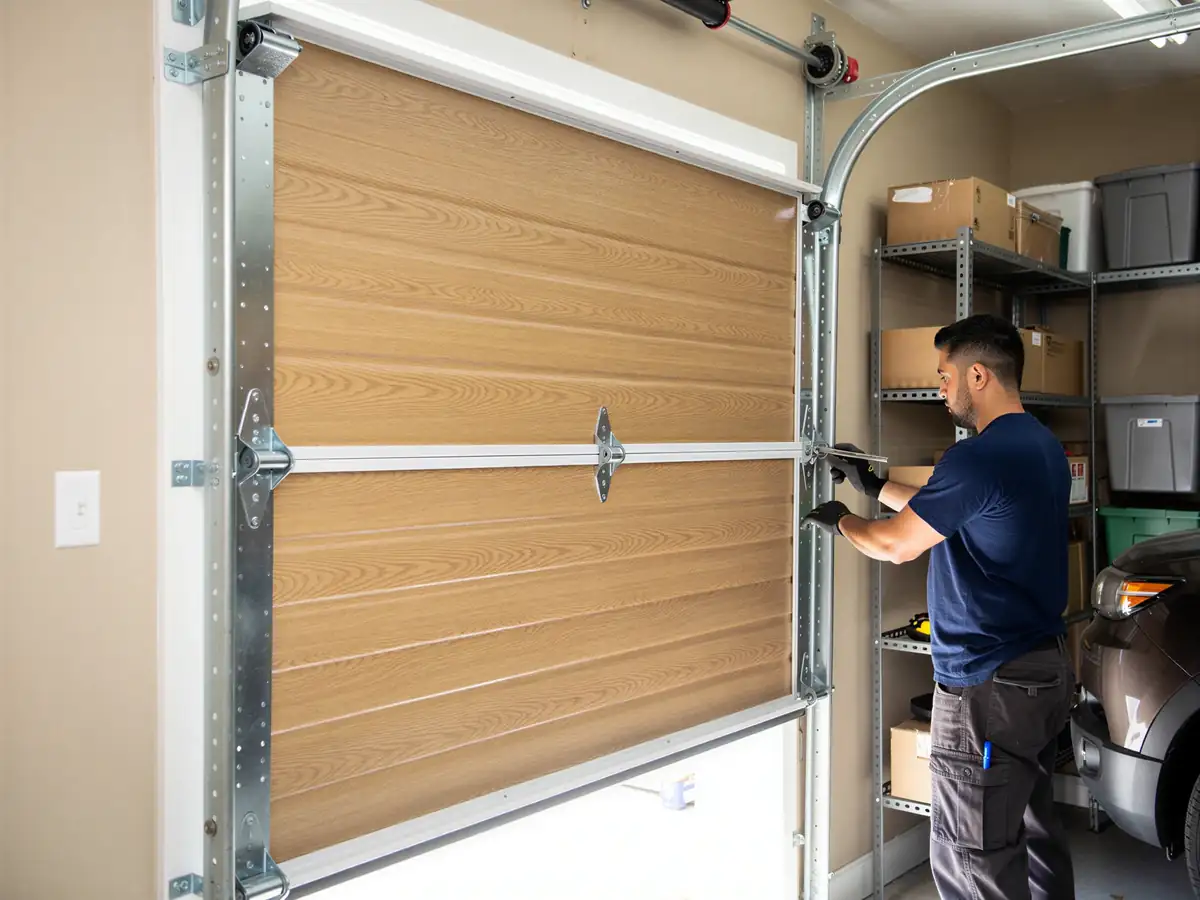
A straight opener swap - same mounting rail, same door weight class - usually goes quick once we're on site: disconnect the old unit, mount the new rail and head, set the limits, pair the remotes, and test the auto-reverse. Houses with low headroom or older bracket styles from the 1980-era builds take longer, since we sometimes have to adapt the mounting for a modern unit that wasn't designed around that hardware.
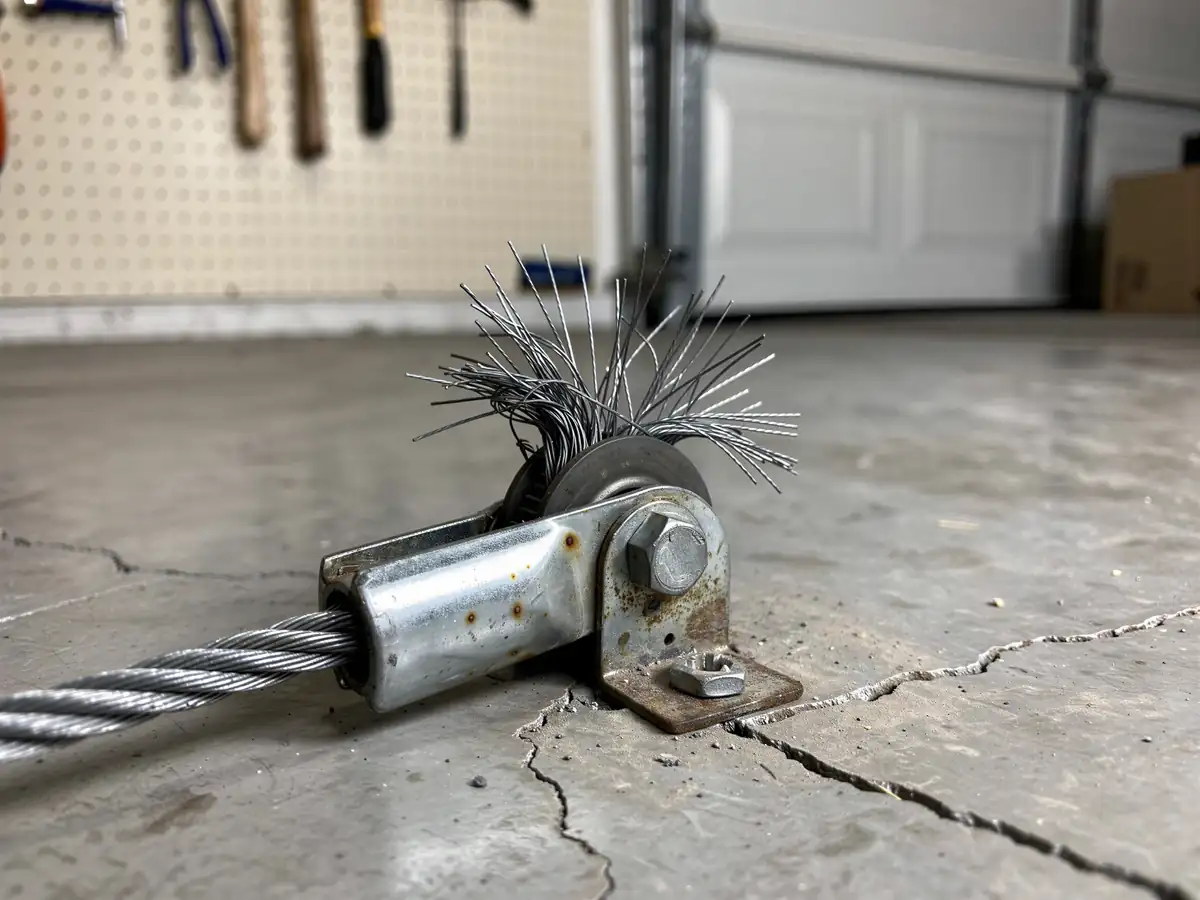
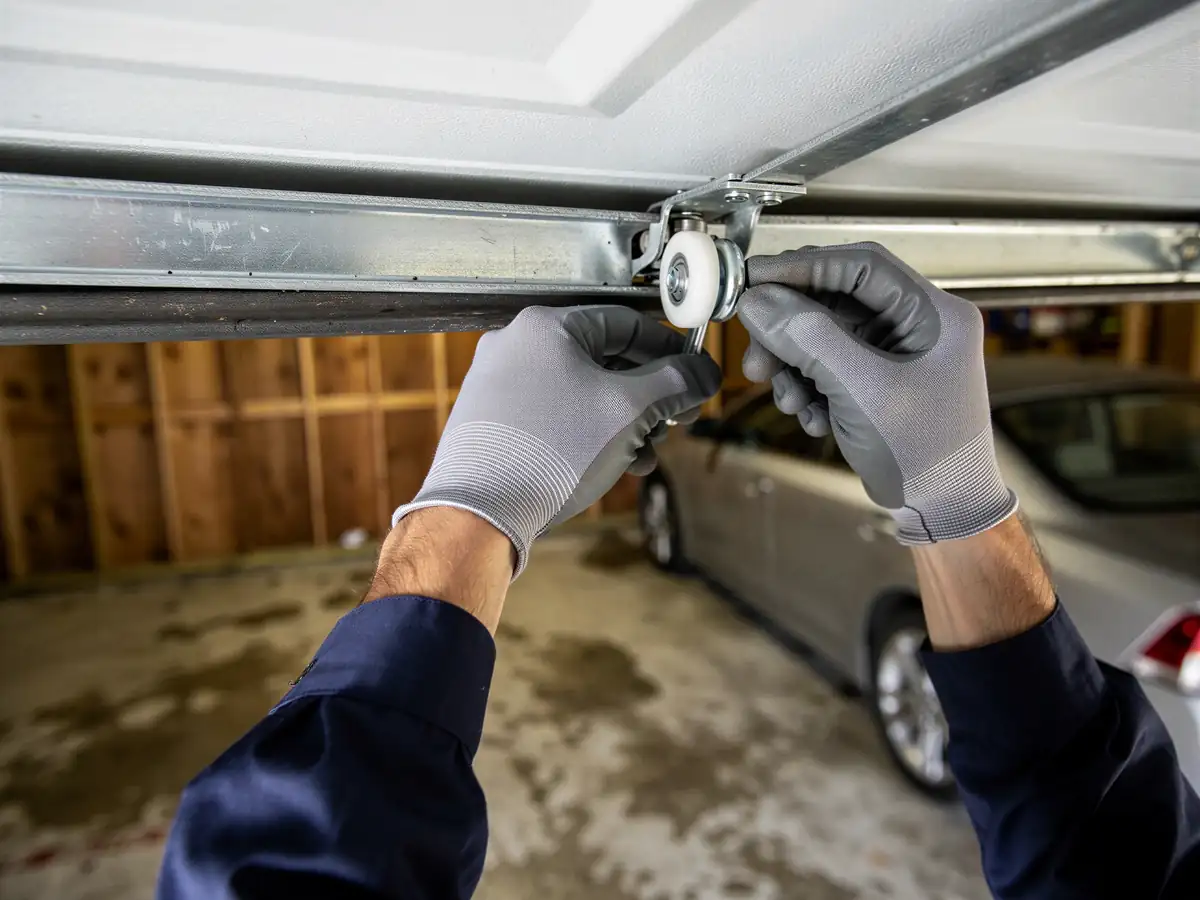
We carry battery backup units as standard stock given how often winter power blips show up on jobs out this way. If your existing rail or track is bent or undersized for a heavier insulated door, we'll flag it before we quote the job rather than after - that's not an upsell, it's just what keeps the new motor from failing early.