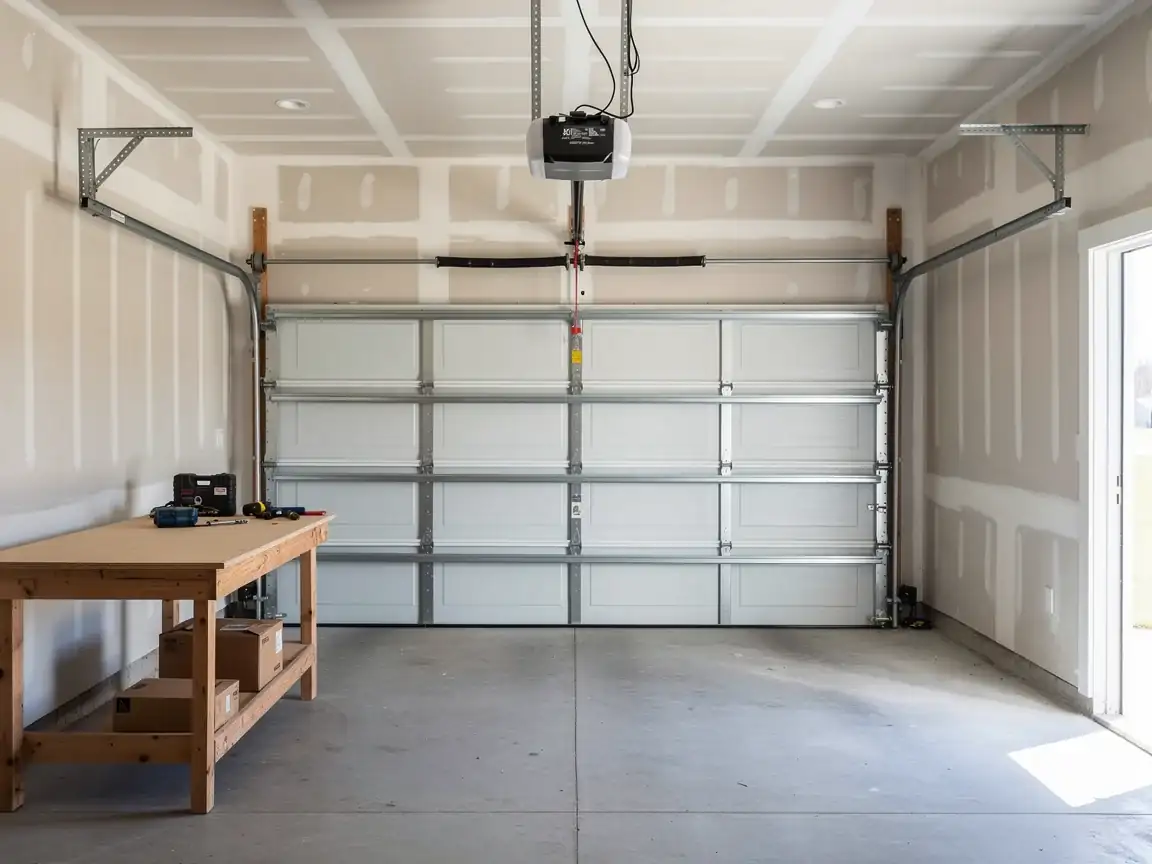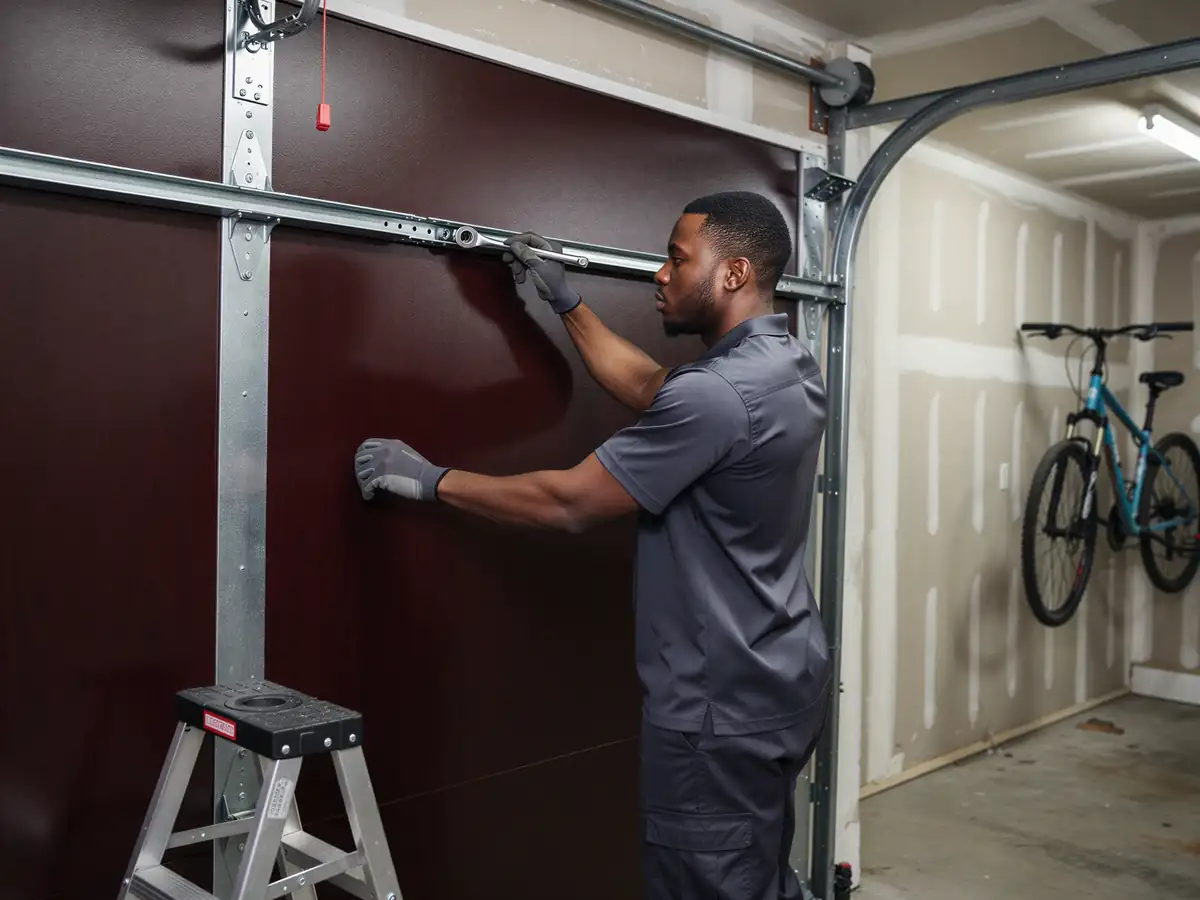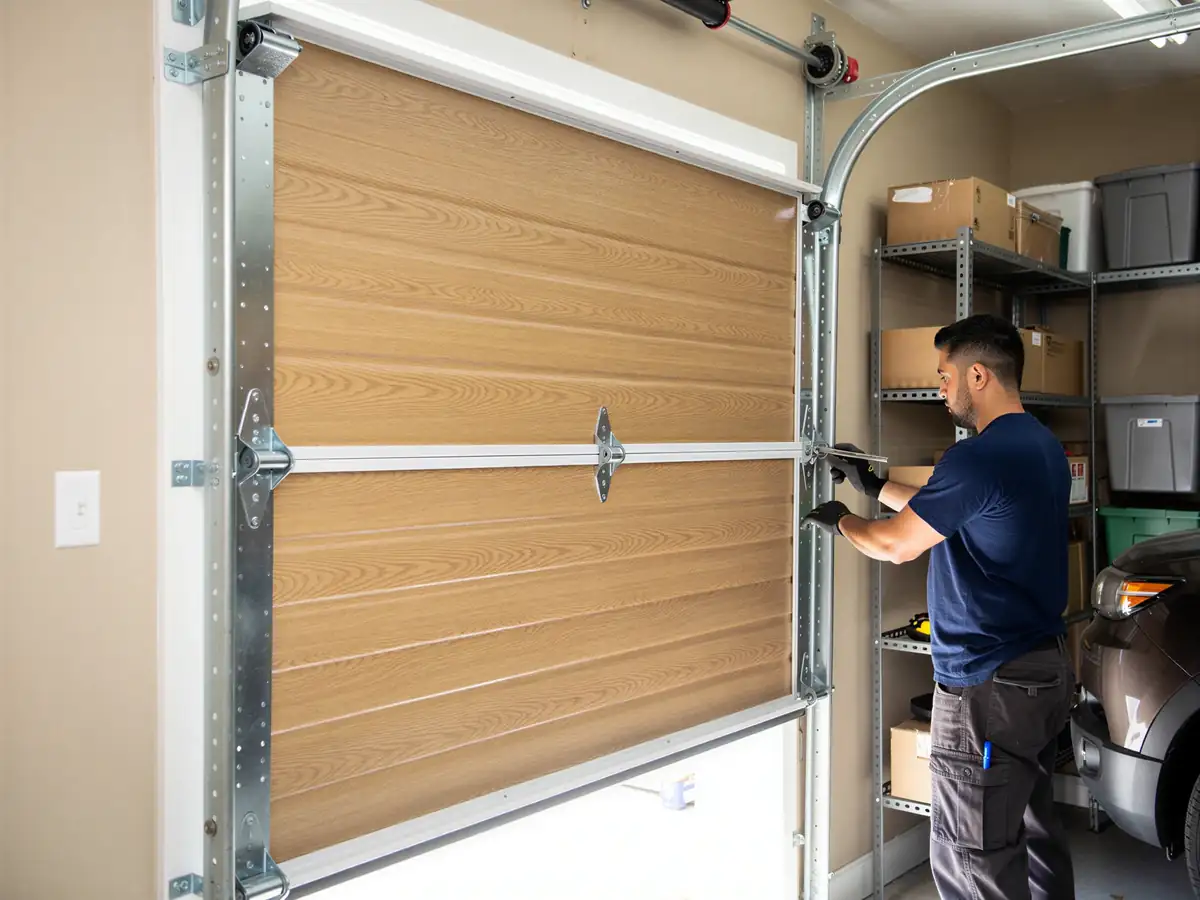
What You Are Seeing
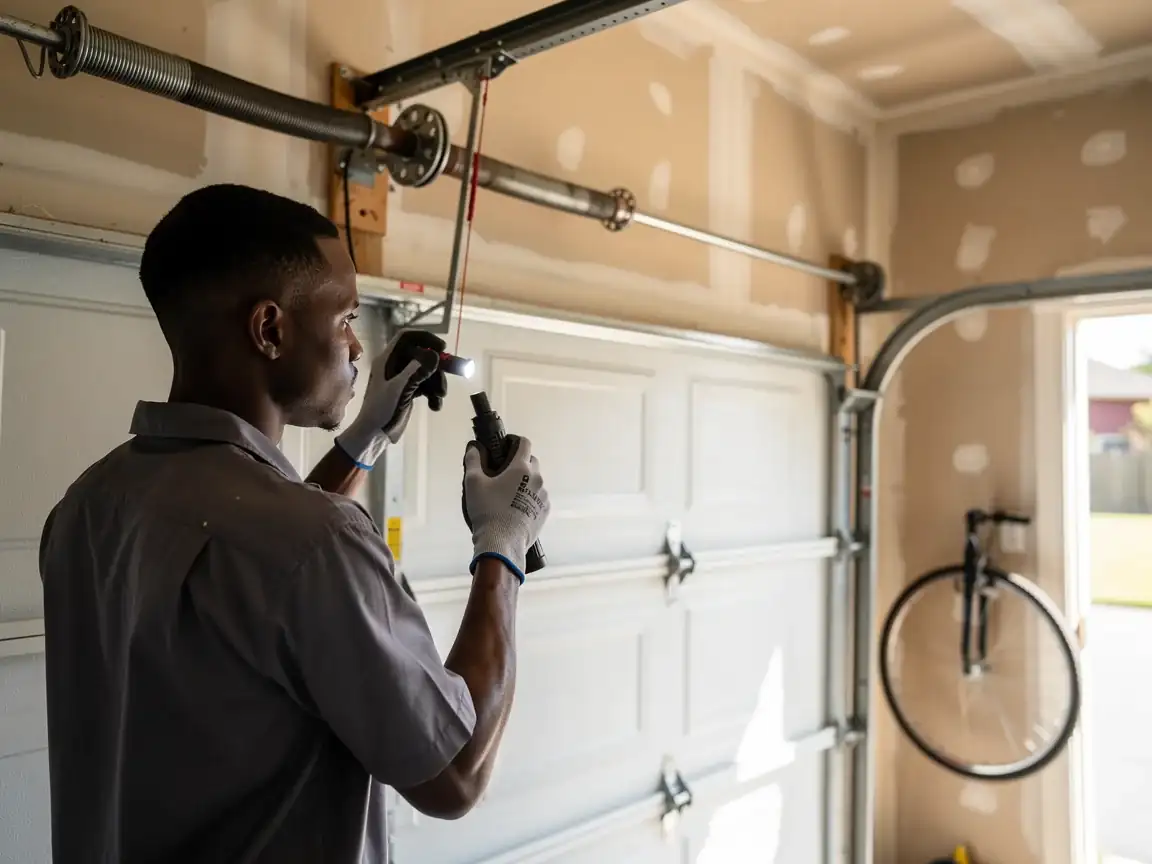
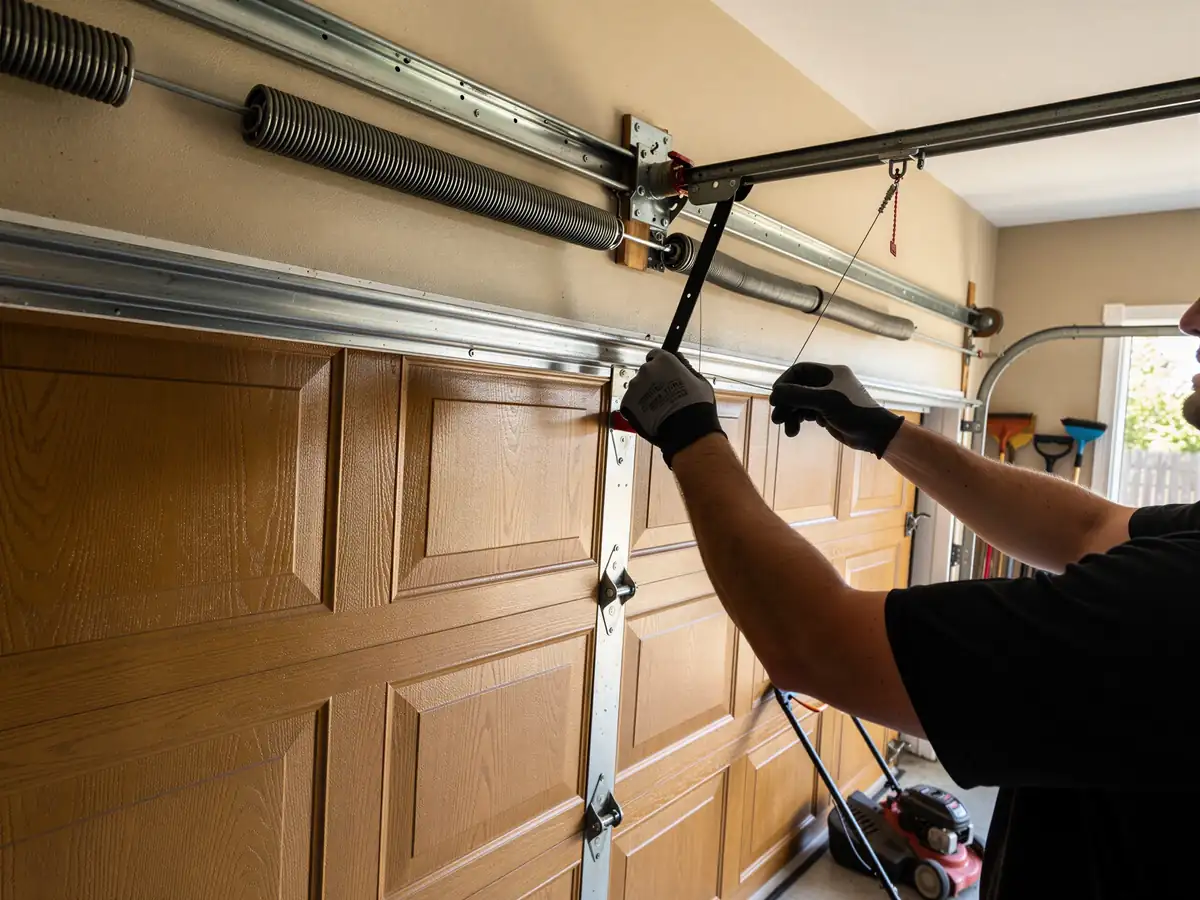
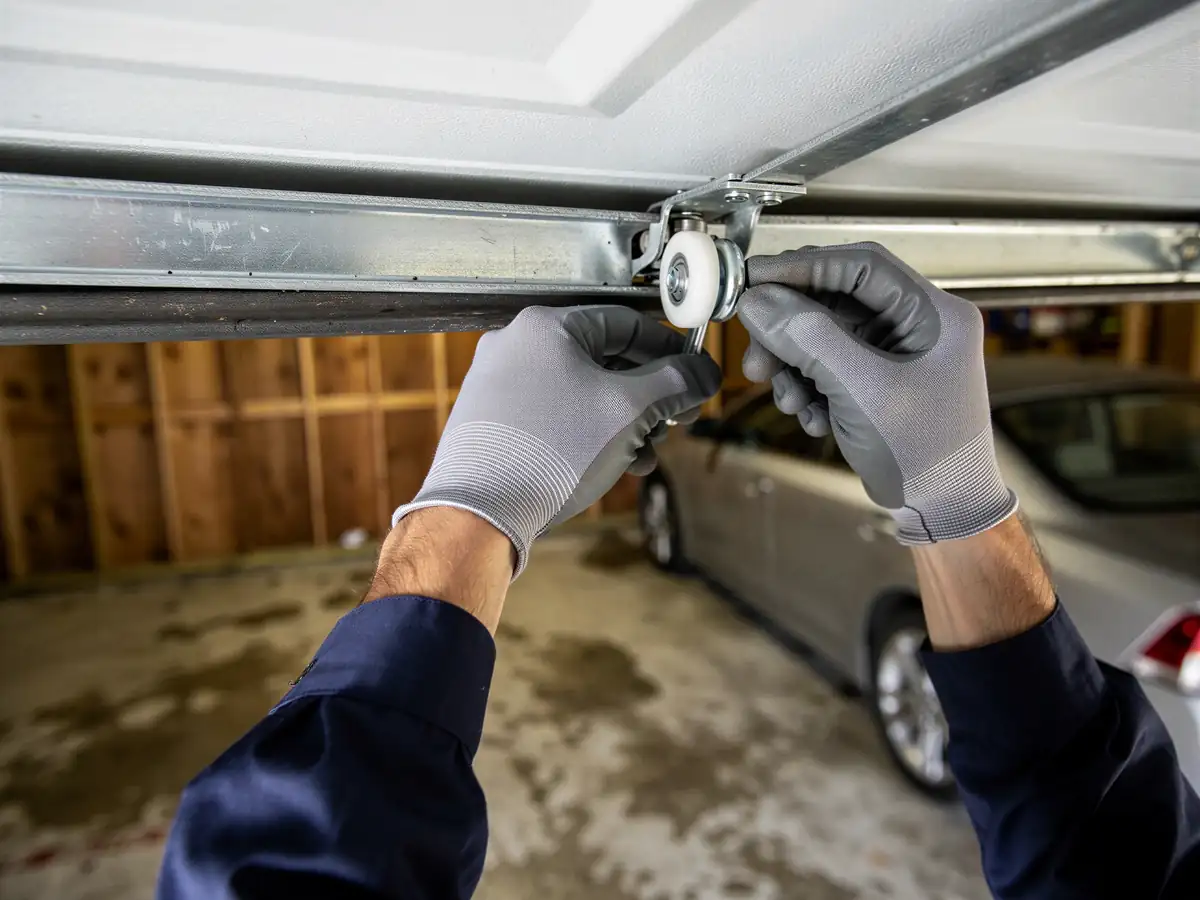
Manhattan sits 18 miles out from our shop in Bozeman, and that drive shapes how a roller call here actually goes. We're not pulling up from three streets over - we're loading the truck with what the job needs before we leave, because a second trip costs the better part of an hour each way. If you're hearing a grind or a bang when the door passes the bend in the track, or the door's started sticking a few inches before it closes all the way, that's a roller problem, not an opener problem. Most houses in this part of the service area went up in the late 1980s and 90s, median build year right around 1989, and the rollers that shipped on doors from that era are steel-wheeled, no nylon jacket, no sealed bearing. They're loud from day one and they get louder as the races wear. If your door sounds like it's dragging a chain over gravel, that's probably exactly what's happening inside the roller stem.
Why It Happens Here
Cold is the other half of it. This area sits in a severe cold climate band, and steel rollers don't handle long stretches of sub-freezing weather well - the factory grease stiffens, the wheel stops spinning freely in the track, and instead of rolling it starts skipping and binding. That's what wears a groove into the roller stem and eventually the track itself. On a late-80s or early-90s door, the rollers were never upgraded when the opener or the springs were, because nobody thinks about rollers until they're loud. With roughly 894 households in Manhattan and a good share of the housing stock dating to that same build window, this is less an exception than the normal wear pattern for the area - the doors are old enough that the original hardware has outlived its design life, and the winters here don't give it an easy ride.
Time on the Job
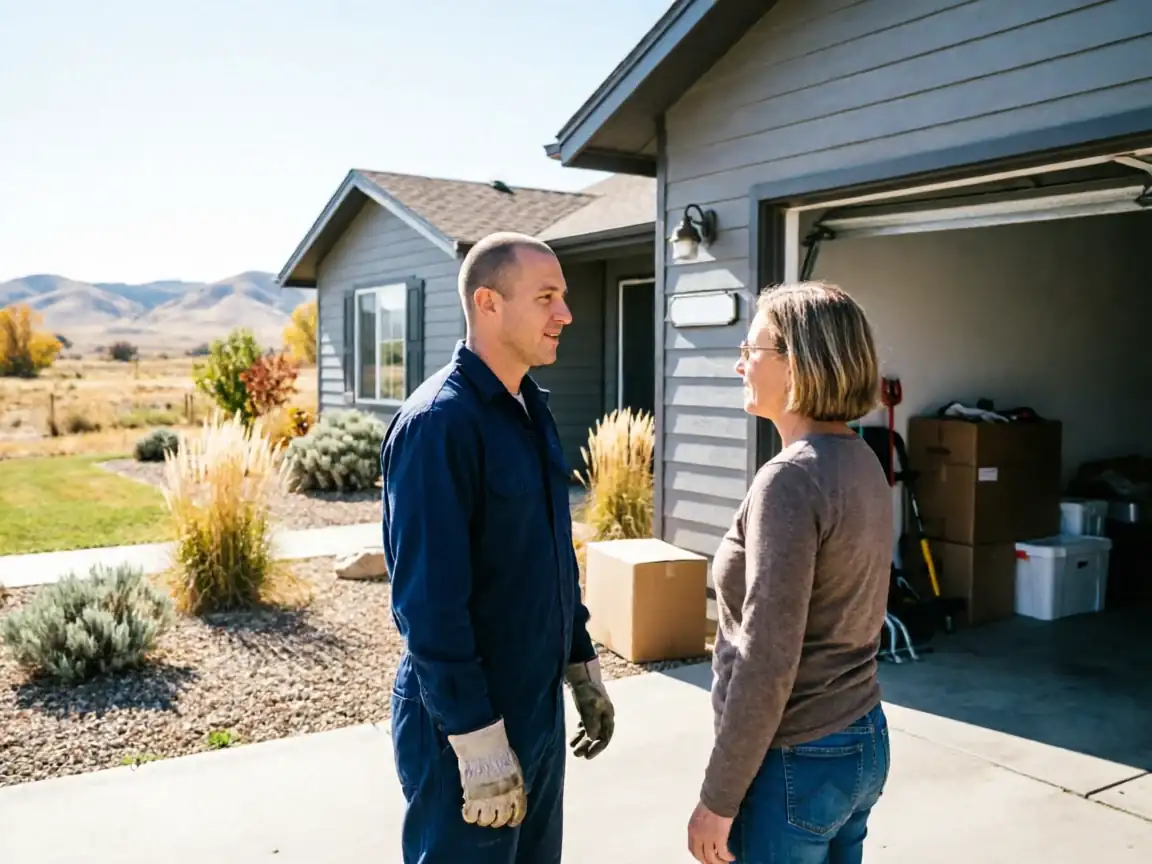
Once we're on site in Manhattan, a straight roller swap on a standard double door runs under an hour - it's the drive, not the repair, that adds the time to the day. We carry nylon rollers with sealed bearings on the truck for jobs like this, since they hold up far better than steel in a cold climate band and they run quieter from the first cycle. If the track's grooved or bent from a roller that's already failed, that's a separate repair we'll quote on site before any work starts, not something we fold in without telling you. We'd rather tell you a track needs attention now than have you call us back in a month for the same noise.