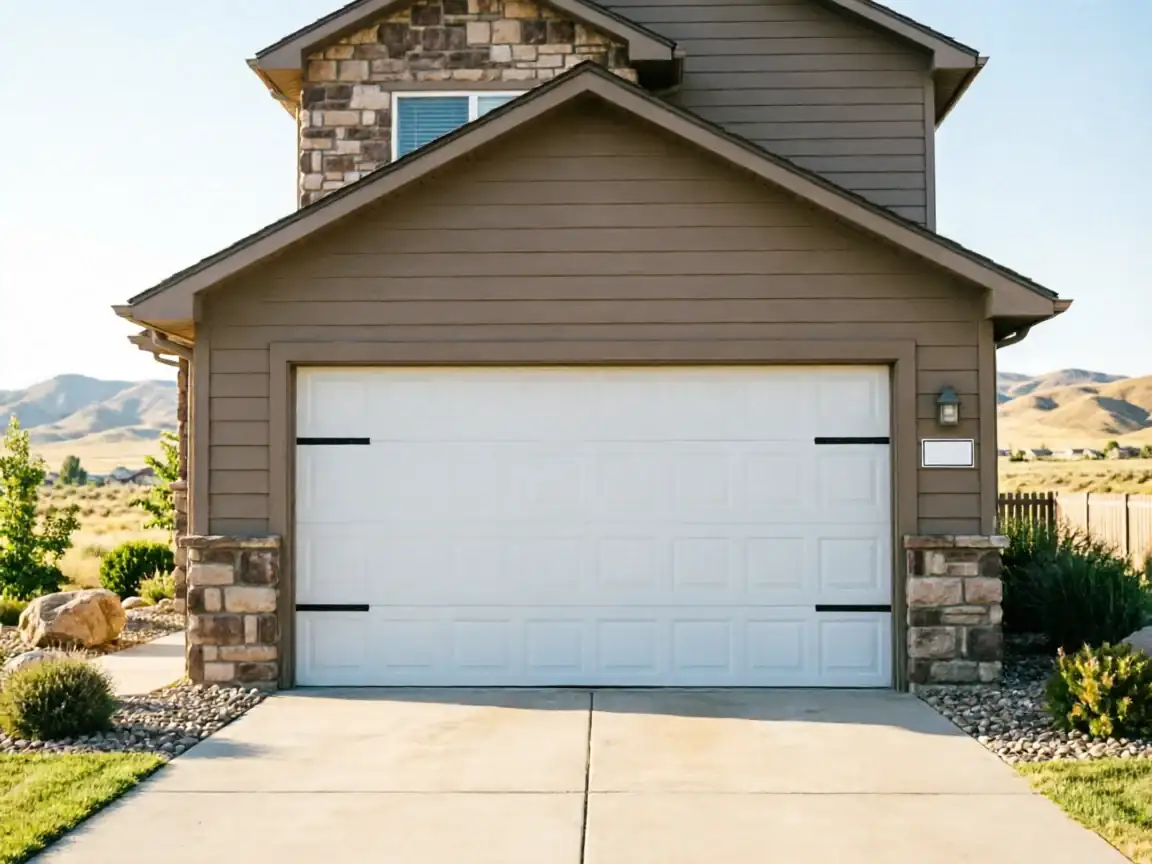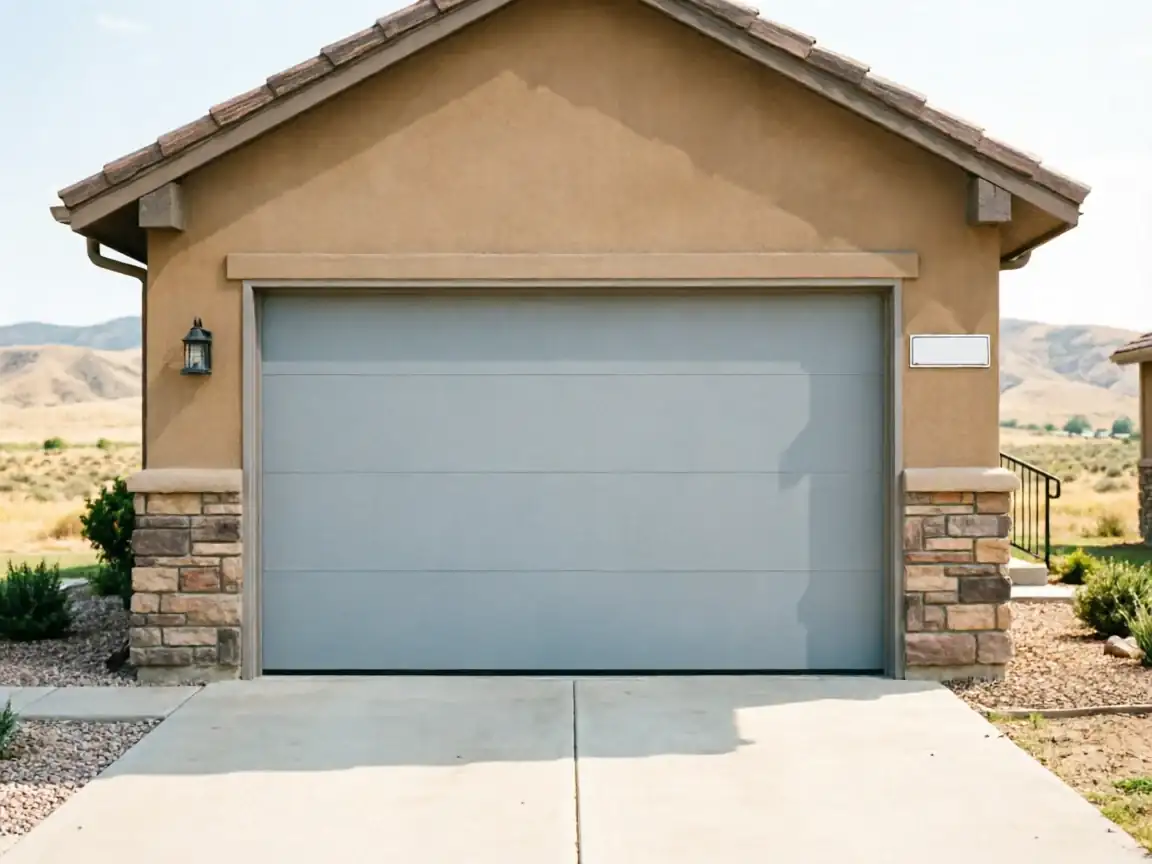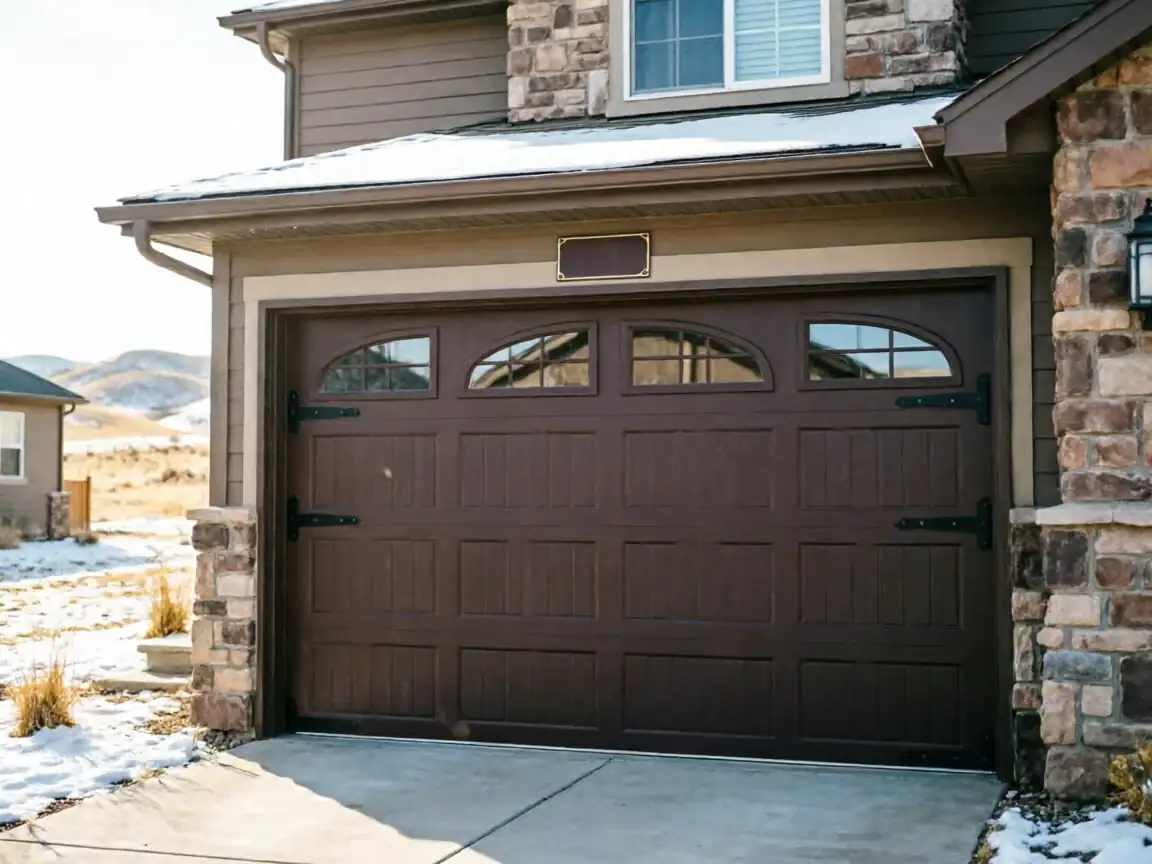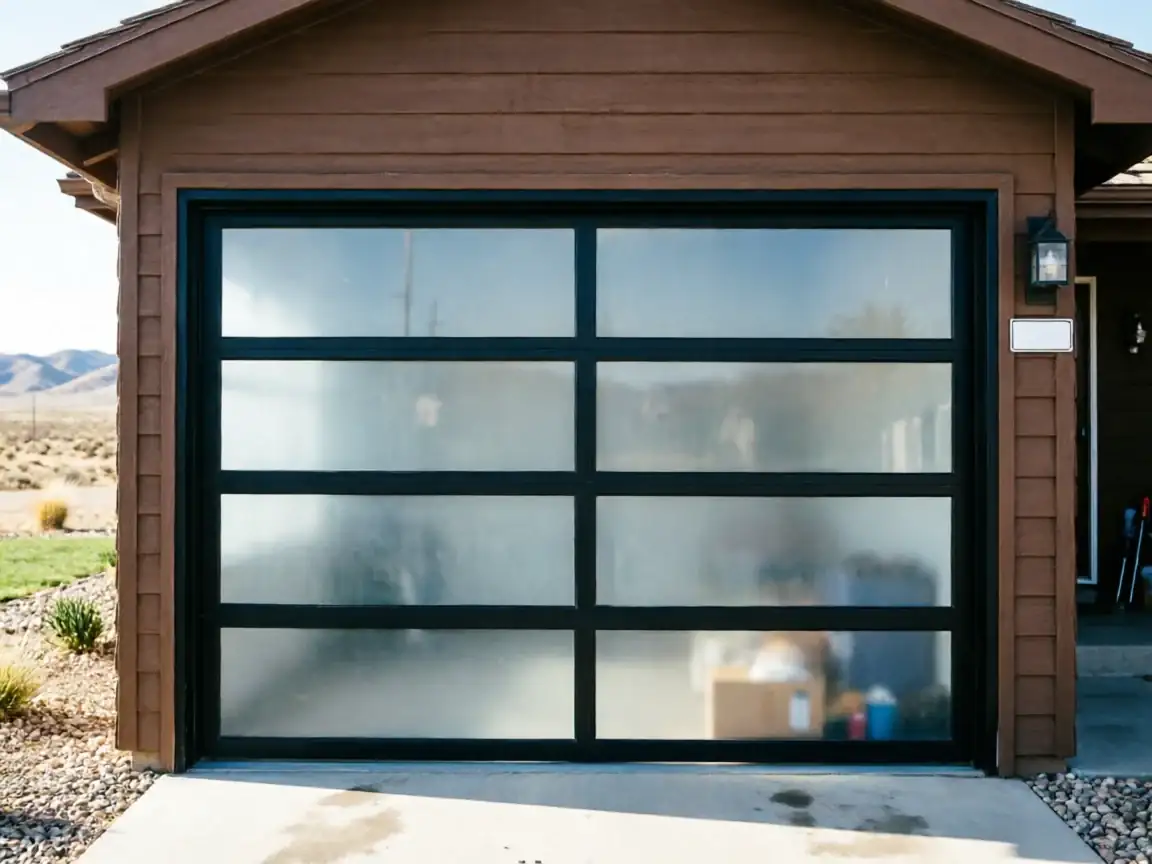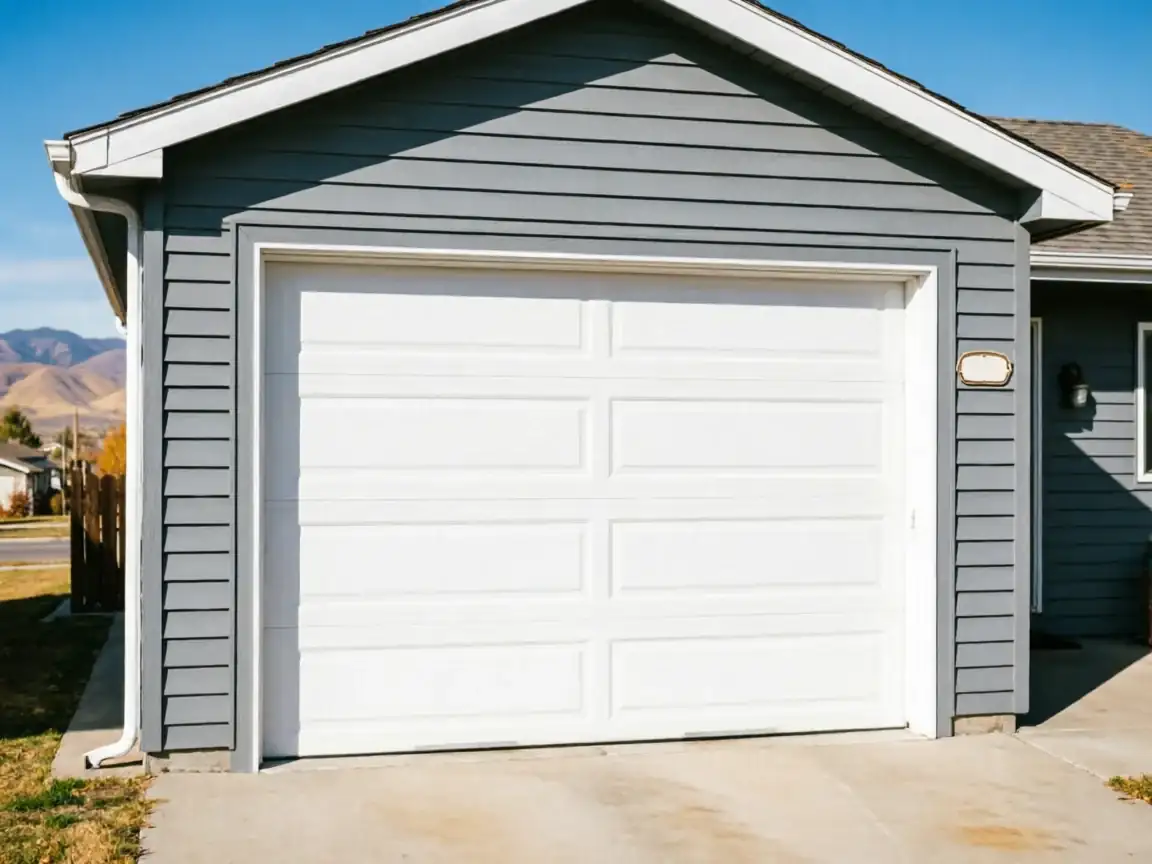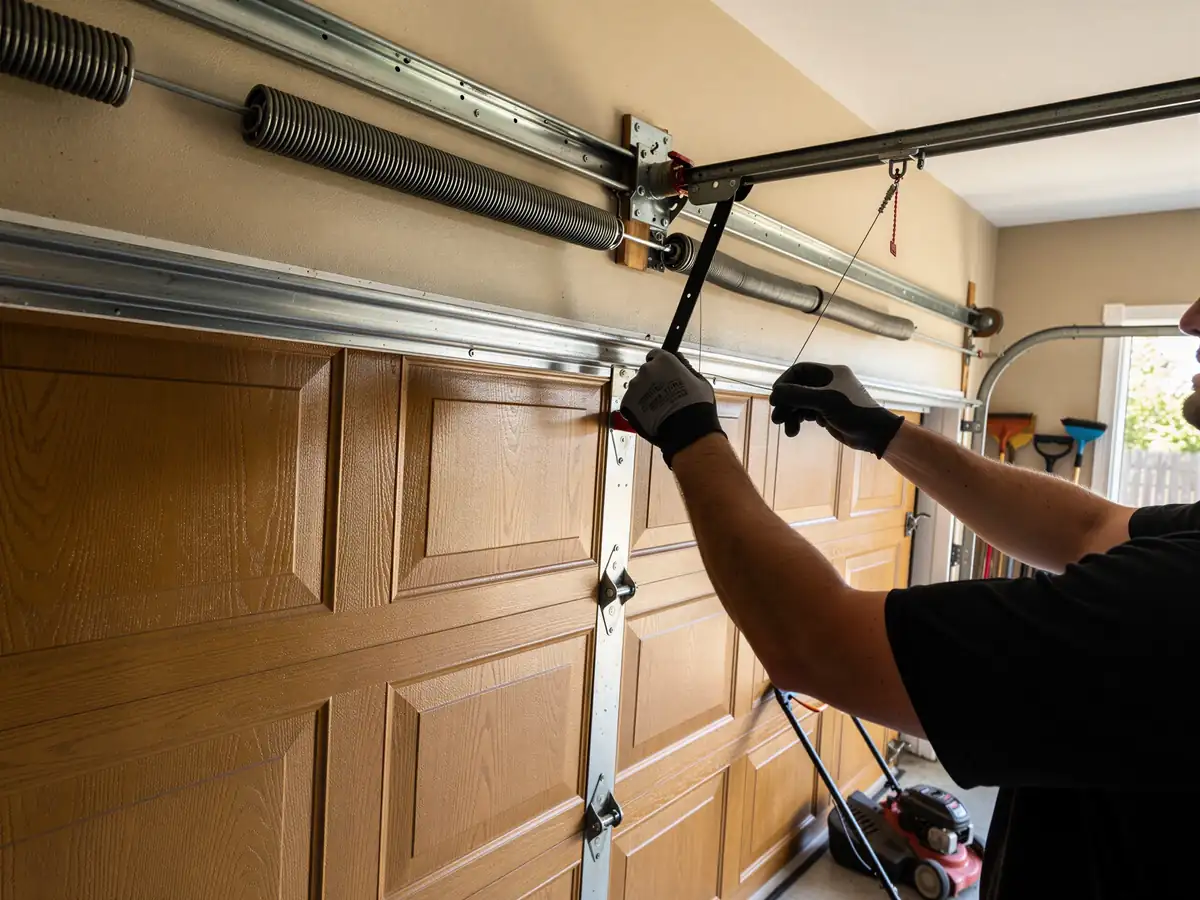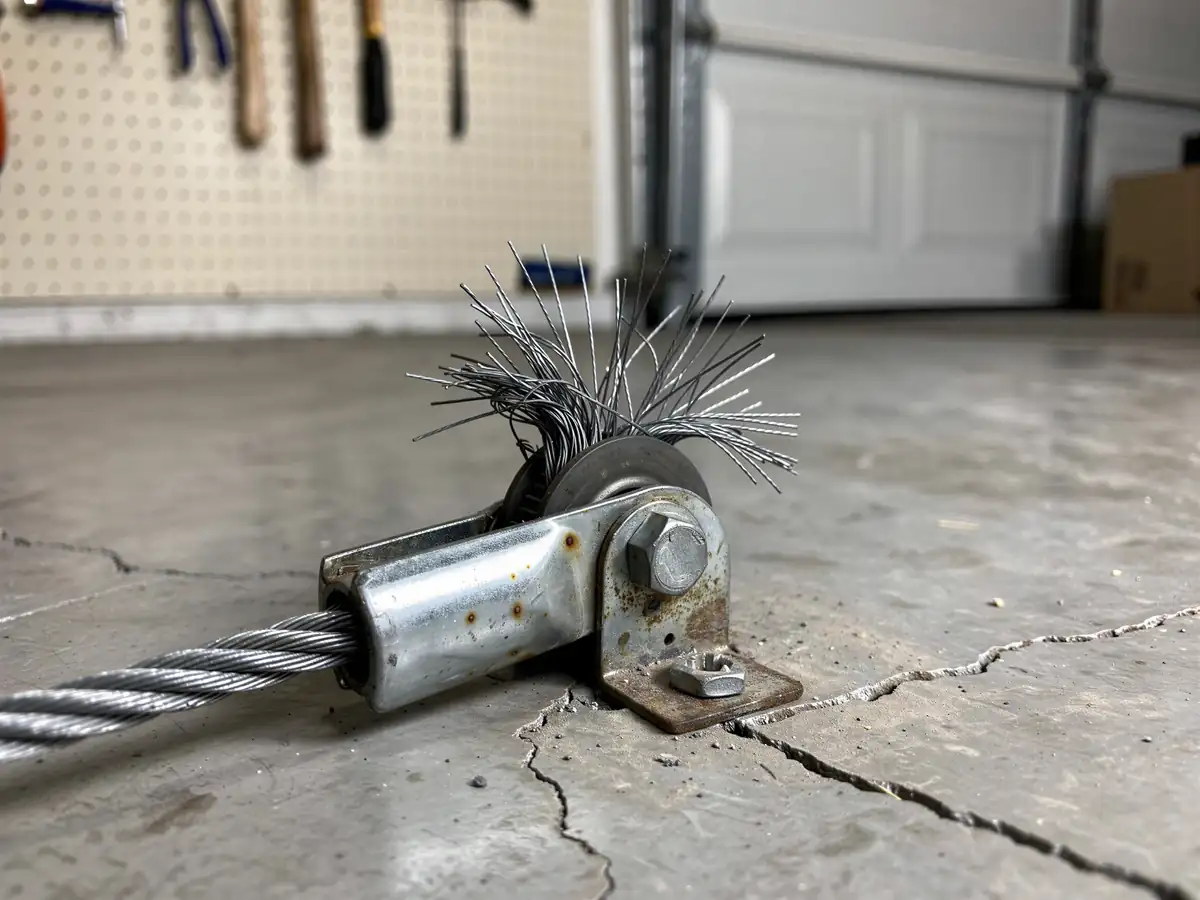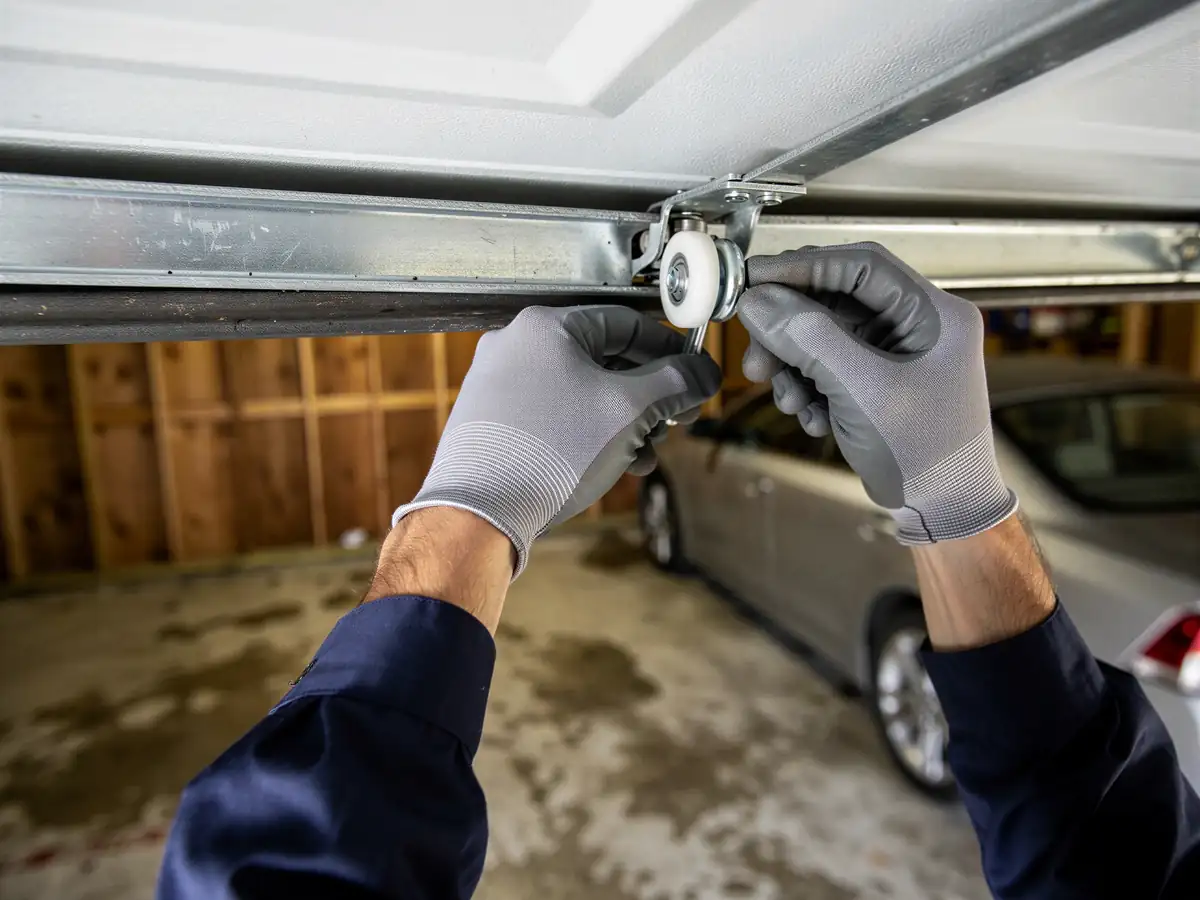
What You Are Seeing
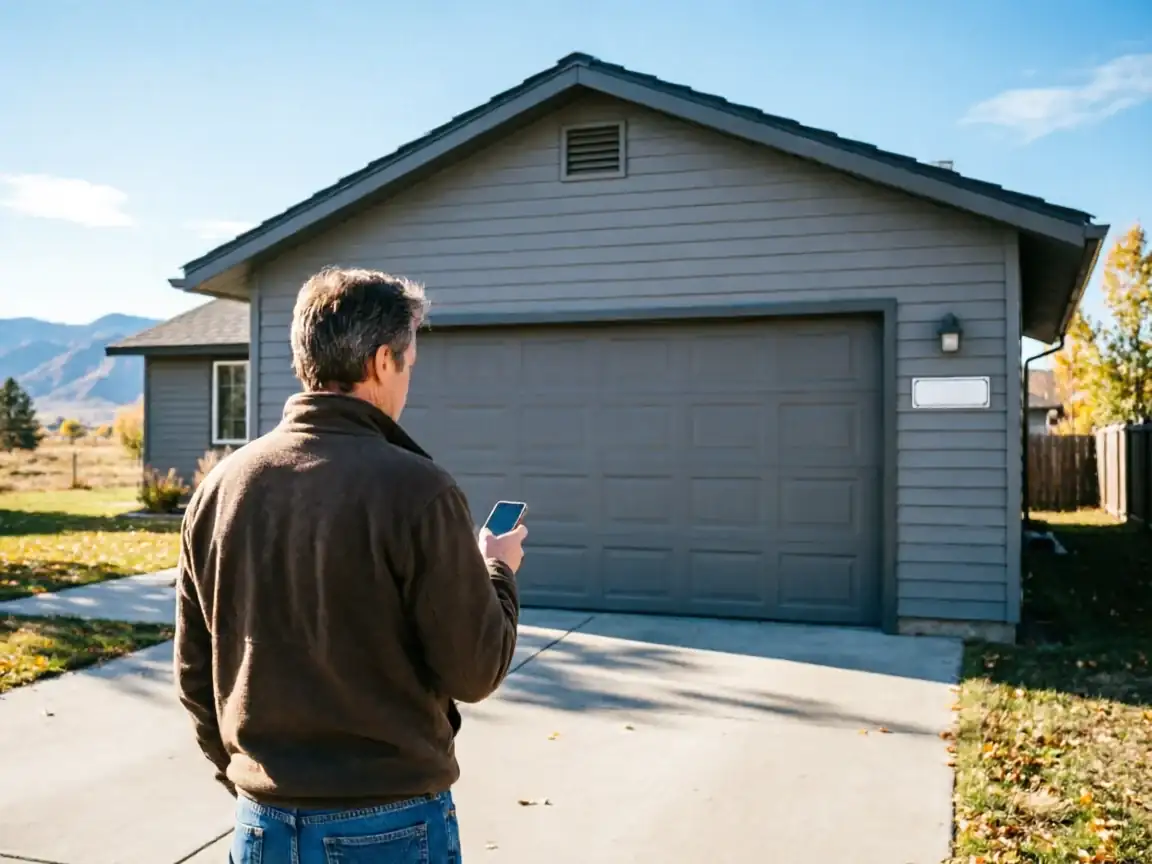
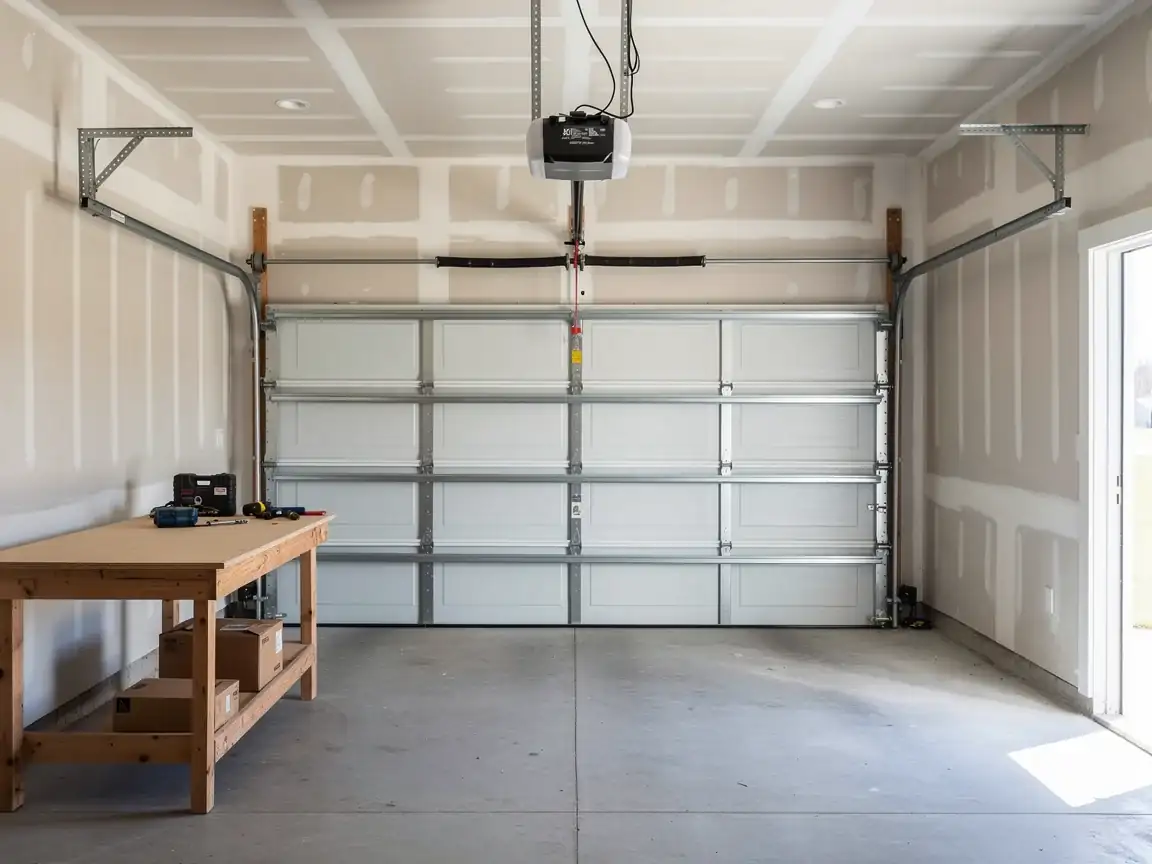
Most houses in Manhattan went up around 1989, which puts this town ahead of a lot of the wider Bozeman service area, where the median build year runs closer to 1994 and the stock stretches from 1980 into the 2000s. What that means for your opener: if the garage still has its original unit, it's almost certainly a chain-drive model from before the federal photo-eye reversal requirement became standard on new installs in the early '90s. These openers ran fine for years, but they lack the entrapment sensors that are now expected on any unit sold today. If you're replacing one in Manhattan, you're not just swapping a motor - you're bringing a 1989-era garage up to a safety standard it never had. Some homeowners also still have the original wall button and no keypad, which is a smaller fix but worth mentioning before we quote the job. We don't assume every house here has the same setup - some have been updated once or twice already - but the baseline we expect to find on a first visit is a builder-grade chain drive, original hardware, and no battery backup.
Why It Happens Here
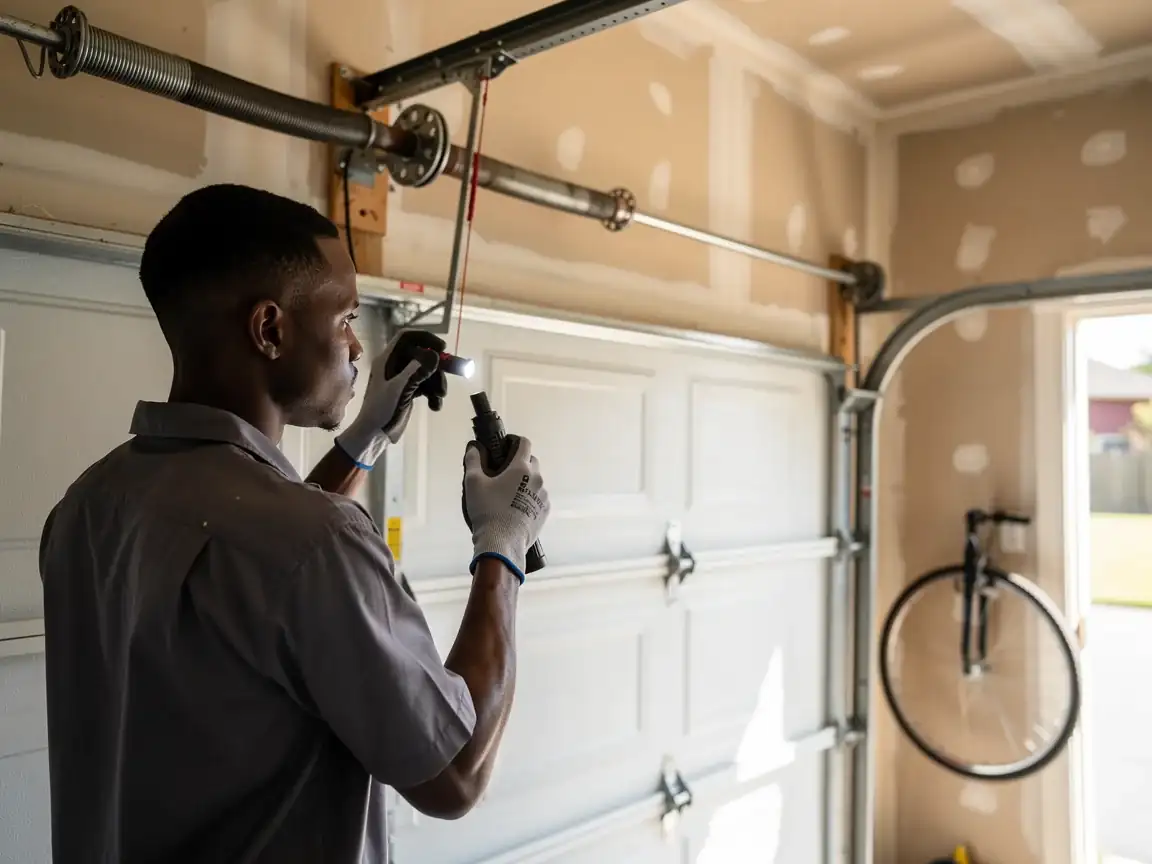
This whole region sits in a cold-severe climate band, and Manhattan doesn't get a pass on that. Cold affects openers in ways that have nothing to do with their age: grease in the drive gear thickens, chain tension that was set correctly in July binds in January, and limit switches that rely on consistent spring tension start misreading the door's position. On a chain-drive unit from 1989, none of that gets easier with time - the nylon gear inside the housing is the part that usually gives out first, and cold makes a worn gear fail faster, not slower. Belt-drive openers handle cold better because there's no metal-on-metal chain slap, but that's a newer option; most original Manhattan installs are chain. None of this is unique to any one street or block in town - it's a function of the age of the house and the climate the house sits in, and in Manhattan both point the same direction.
Time on the Job
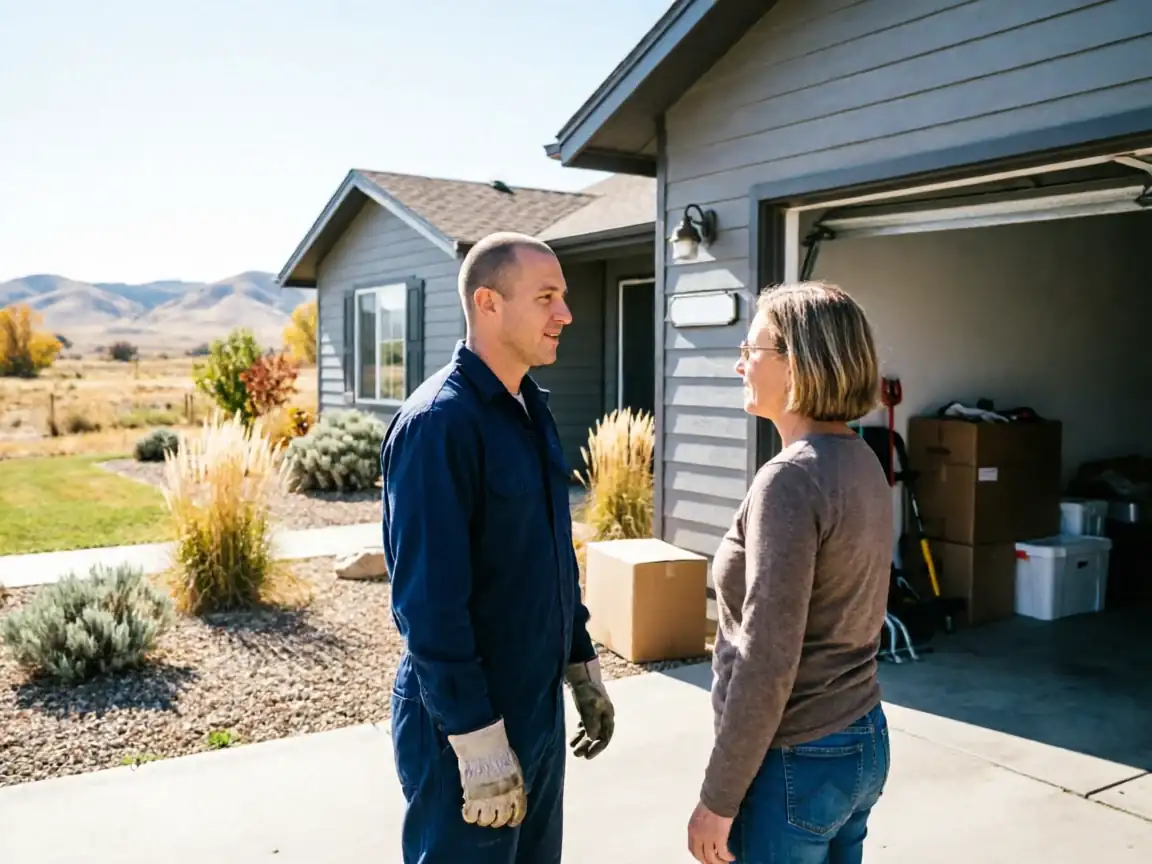
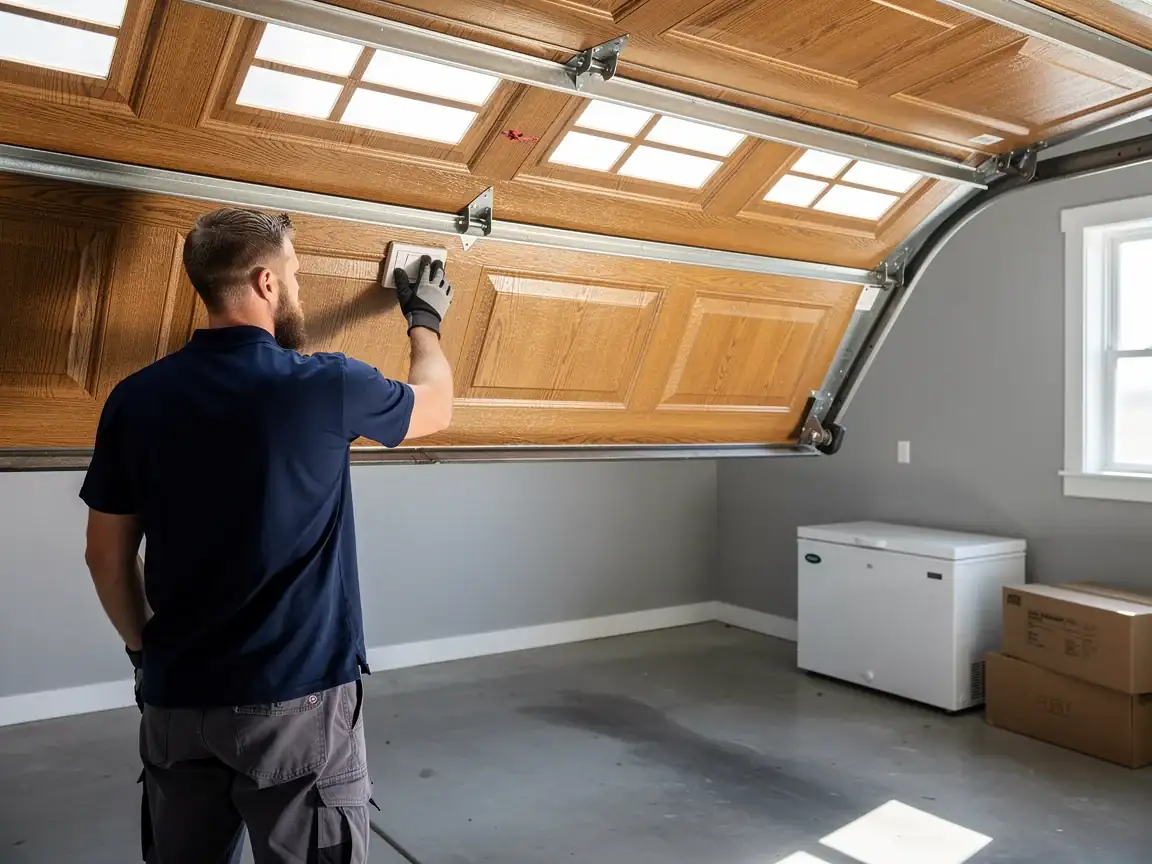
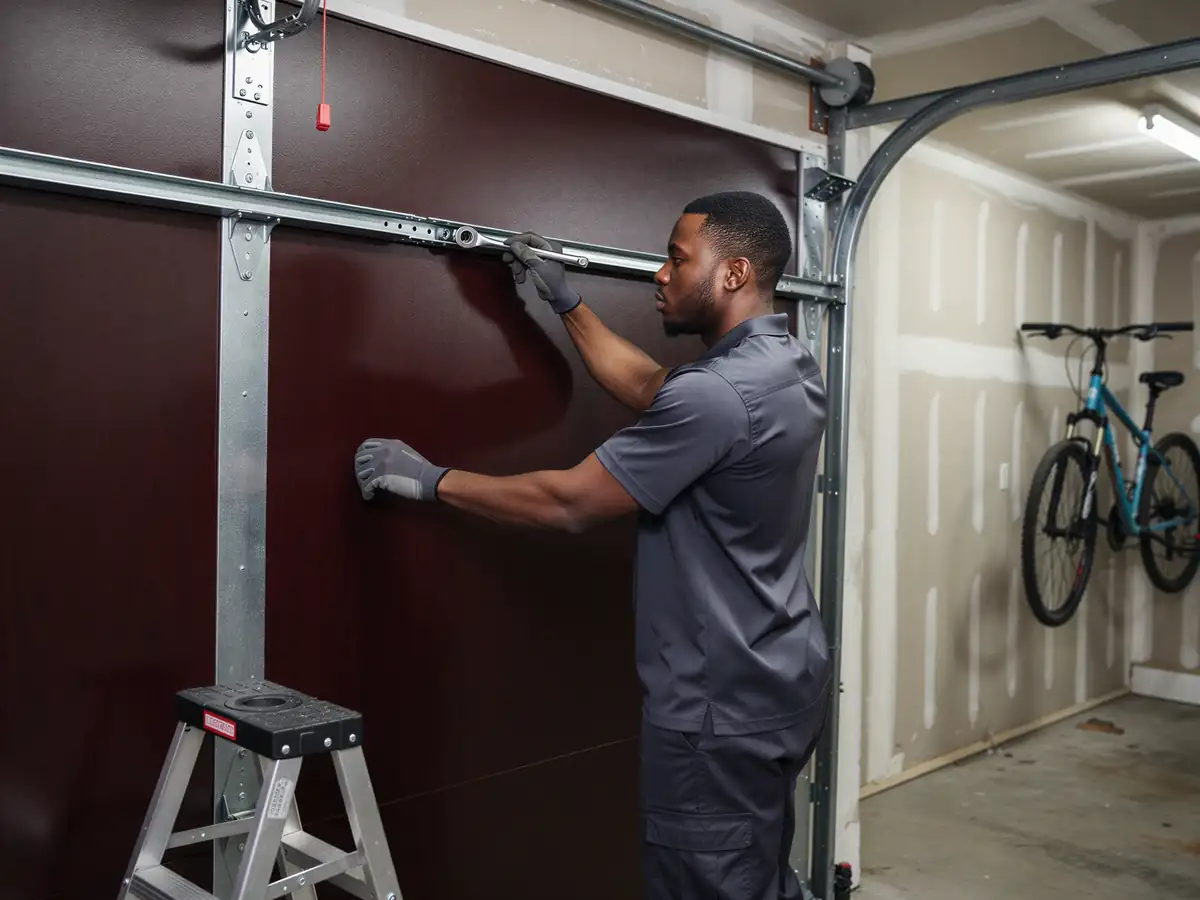
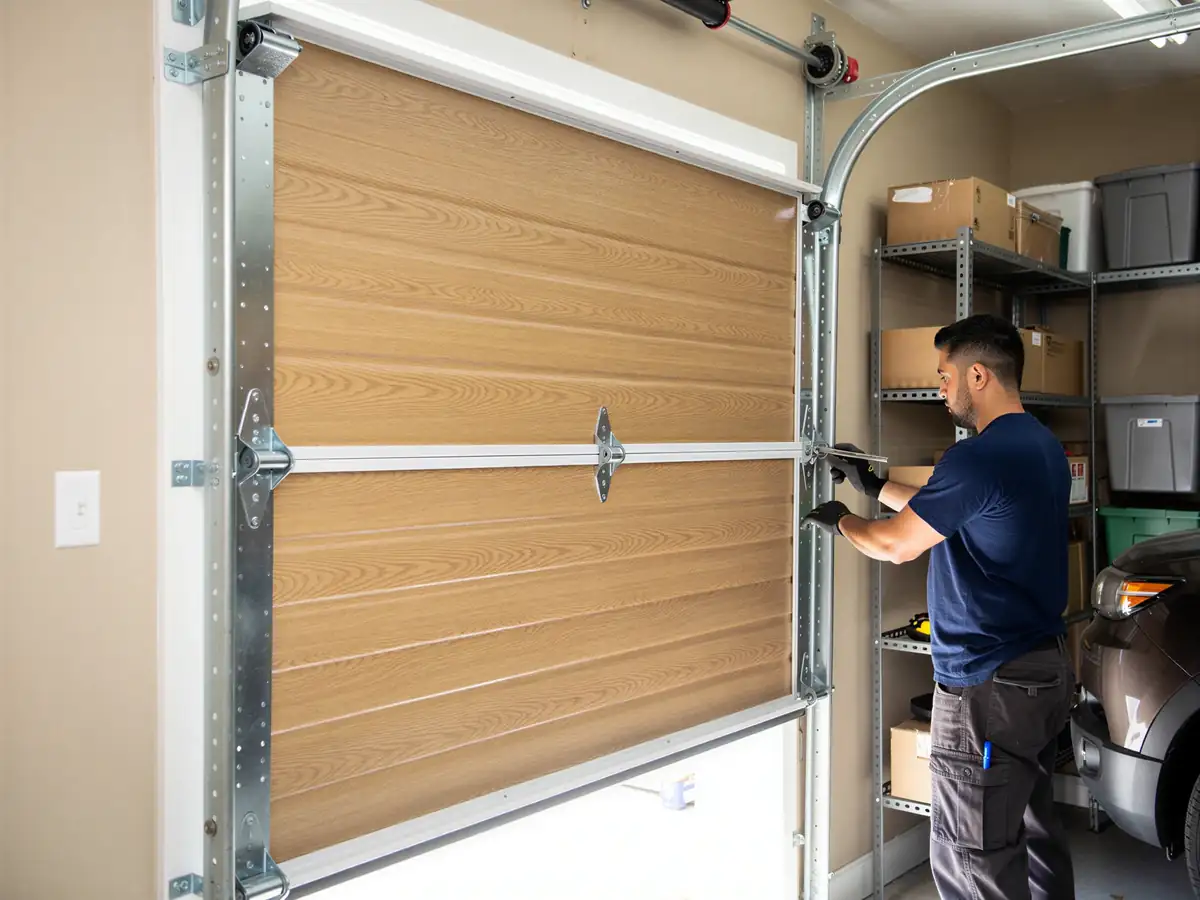
Manhattan sits about 18 miles from our shop in Bozeman, so every opener install here is a scheduled trip, not a drop-in - we don't keep a branch or a standing crew in town. That doesn't change the work itself: a standard swap, including removing the old chain-drive unit, mounting a new opener, and testing the safety reversal, takes a controlled block of time on site once we've got the right opener on the truck. What it does change is booking - we plan the trip around the job rather than fitting Manhattan in between closer calls. If you've got a dead opener and a car stuck in the garage, say so when you call, because that changes how we route the day.