Why It Happens Here
Four Corners sits about six miles from our shop in Bozeman, close enough that a roller call here doesn't get stacked behind the longer runs out toward Manhattan or Bridger. That short drive means we can get a tech on site without padding the day's route around it.
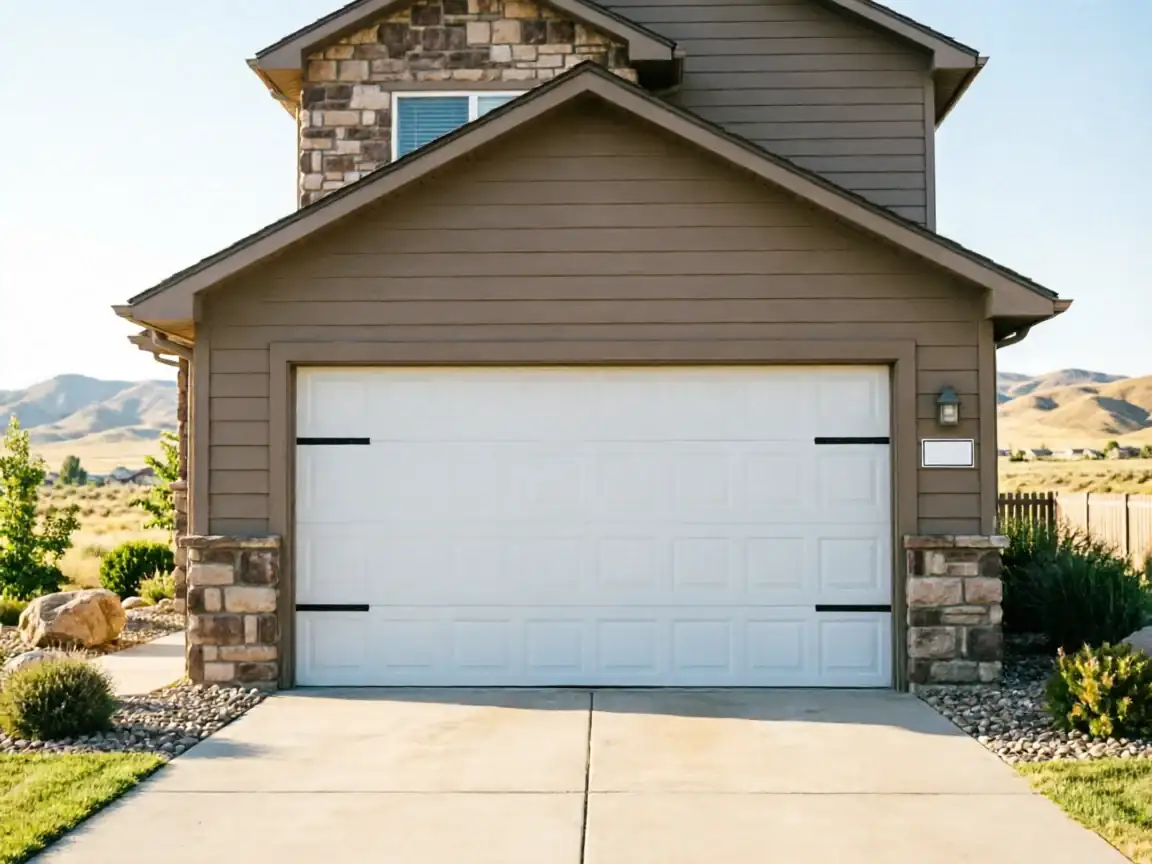
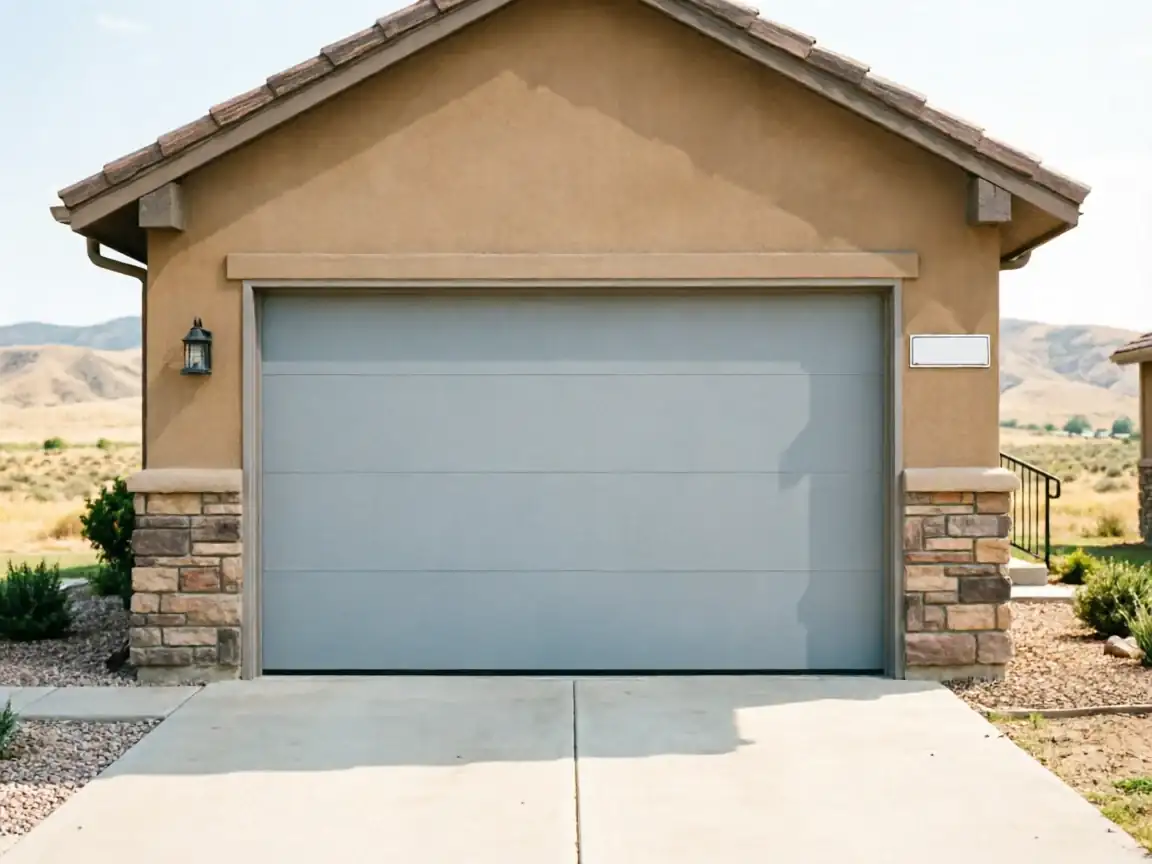
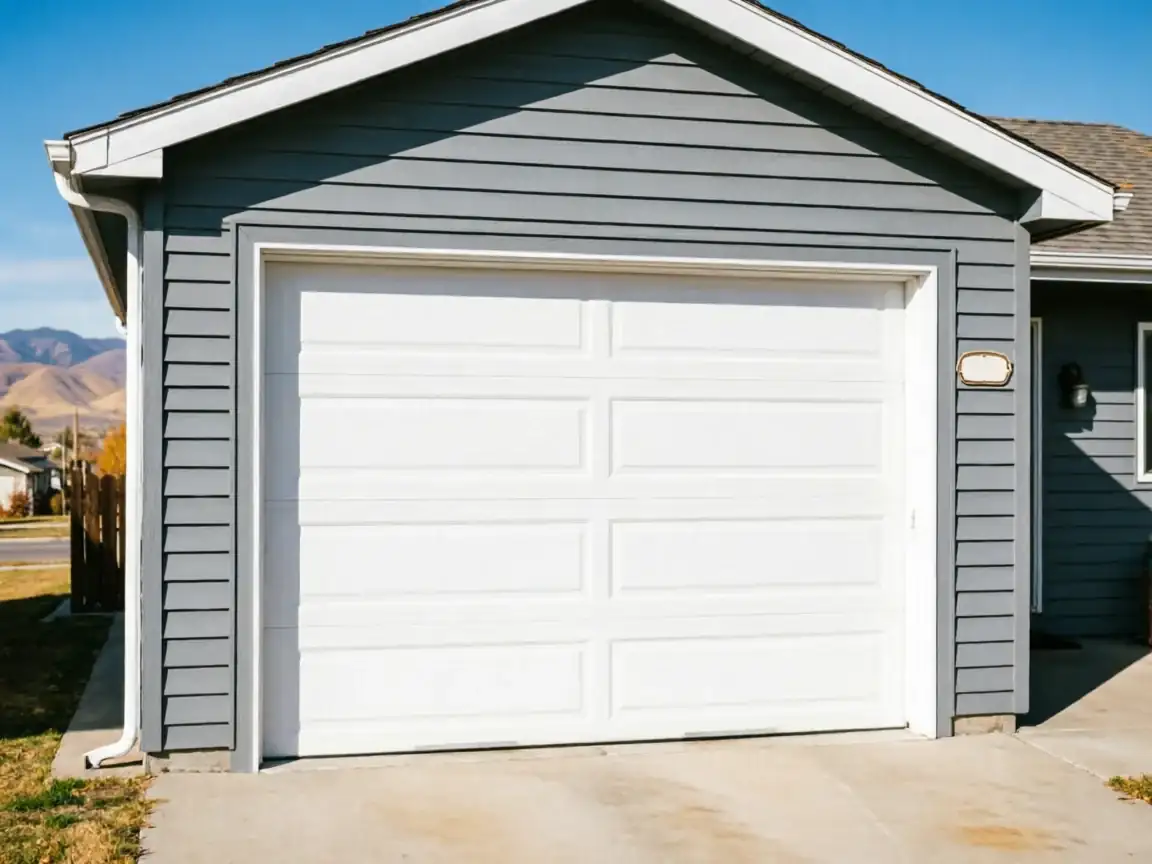
What we find once we're there is different from what we find on the Bozeman side of the valley. Across the wider service area, houses run 1980 to 2008 with a median build year of 1994, mixed in with older stock. Four Corners itself skews newer - most of what's gone up here clusters toward that 2008 end of the range, builder-grade construction from the subdivision boom. That means the rollers failing today are almost always the factory nylon rollers that came stock on a production door, not steel wheels on an older torsion setup.
Nylon holds up fine in a mild climate. It doesn't hold up as well through a cold band this severe, where repeated freeze-thaw cycles make the plastic brittle. Roller edges chip, then crack, then the door starts binding in the track on cold mornings. That's the complaint we hear most out here - not a stuck door, but a door that drags and clatters starting in the top third of its travel.
The Cost of This Job
We don't have a flat number to post here because the roller count, the hardware condition, and whether the track needs adjustment all change the bill. What we can tell you is what drives the range.
Four Corners runs a higher median household income than the broader service area - about $111,474 here against $100,185 across the four areas we cover. That doesn't change what the parts cost, but it does mean we see more owners opting for the full ten-roller set with sealed bearings instead of patching two or three nylon rollers to get another season out of a track that's already chipped elsewhere.
Patching is the cheaper call in the short run. It is not always the better one. If three rollers are cracked, the other seven are the same age and the same plastic, and they're going to go the same way inside another year or two. We'll tell you straight when a patch job is a real fix and when it's just delaying the full set by a few months.
Stocked Parts
Most of what fails on Four Corners doors is the same roller hardware
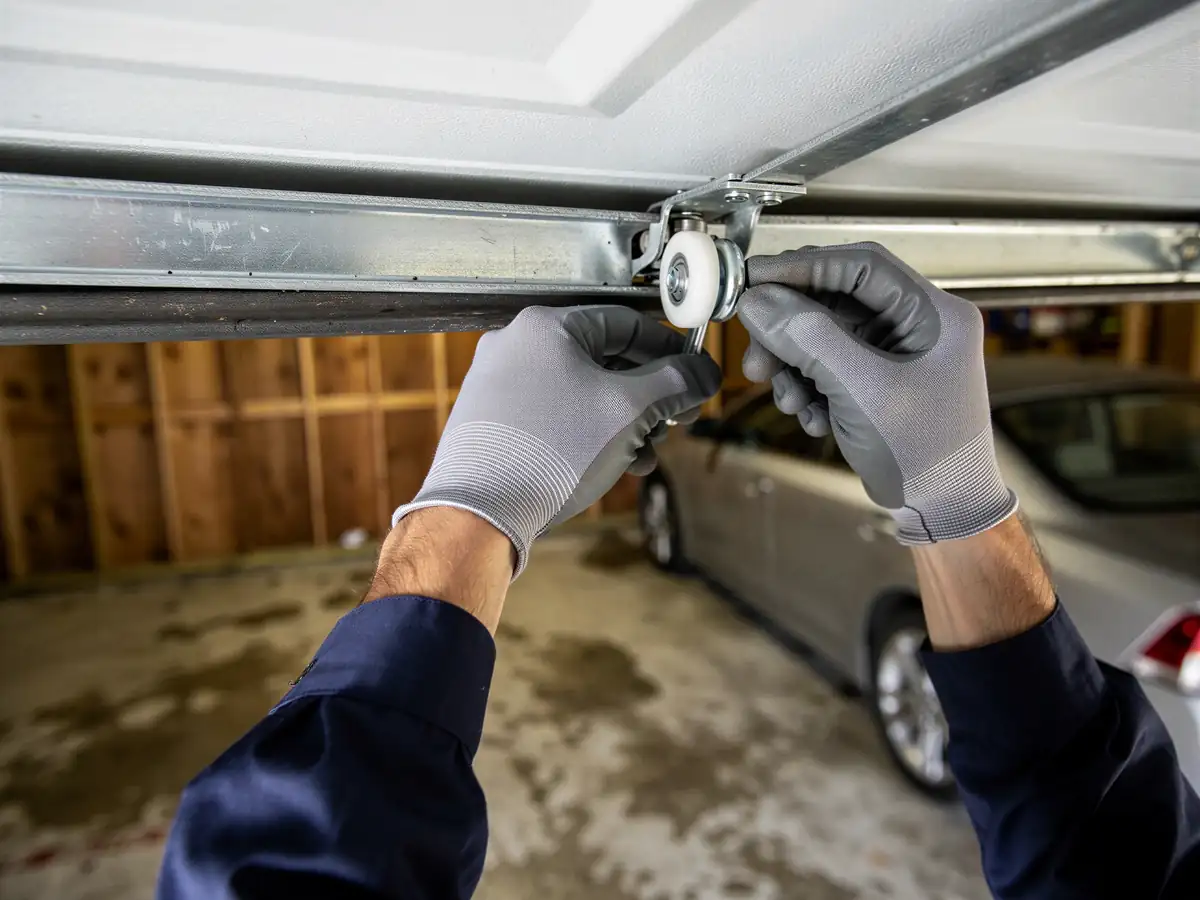
Which is useful - it means we carry it on the truck instead of ordering it in. Sealed-bearing nylon rollers in the stem lengths that fit builder-grade tracks from this era are standard stock, along with steel ball-bearing rollers for owners who want to stop replacing nylon every few winters and switch over for good.
What we don't carry on the truck is anything odd-sized
Short-stem rollers for a track profile that's been discontinued, or rollers sized for a door that's been modified from its original hardware. That's rare out here given how uniform the building stock is, but if we run into it, that part has to be ordered and the job becomes a two-visit job instead of one.
For the typical Four Corners call
Nylon rollers cracking in the cold on a door that's otherwise original - we can usually finish the swap in a single visit without a special order.
What the Fix Involves
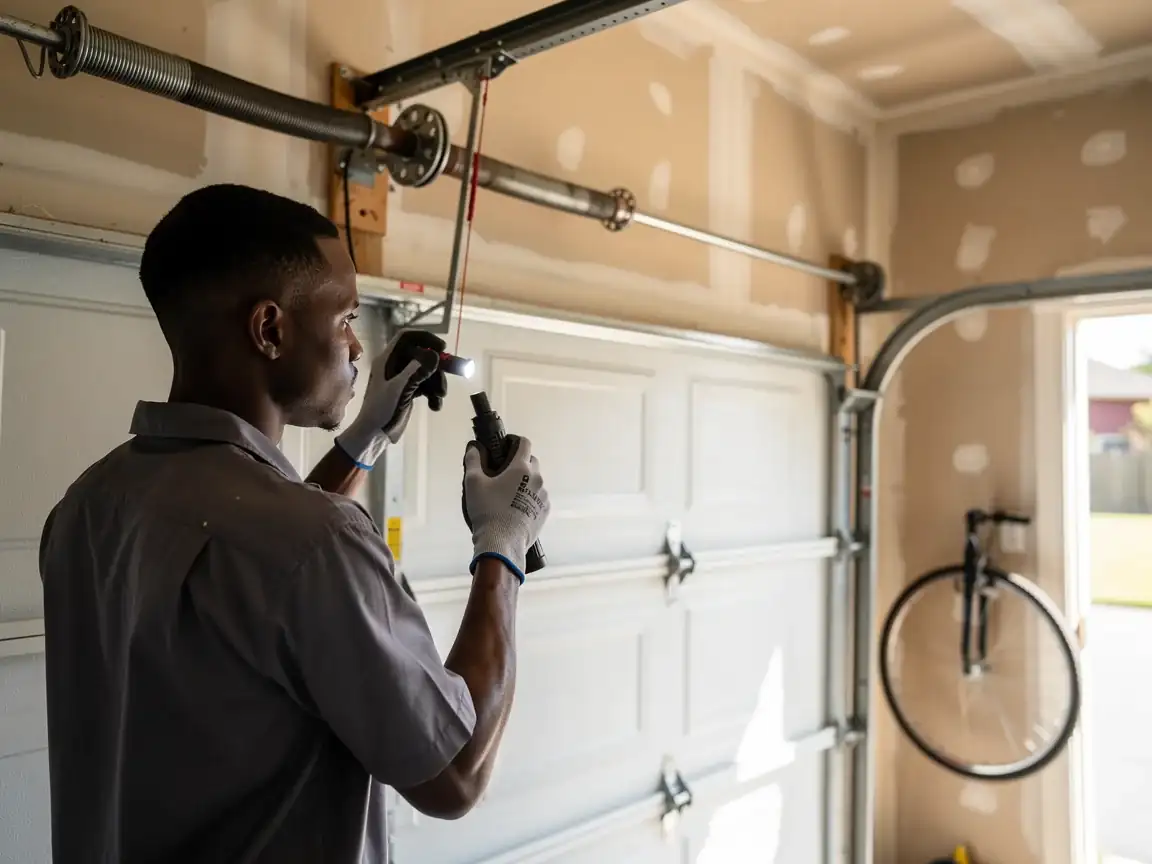
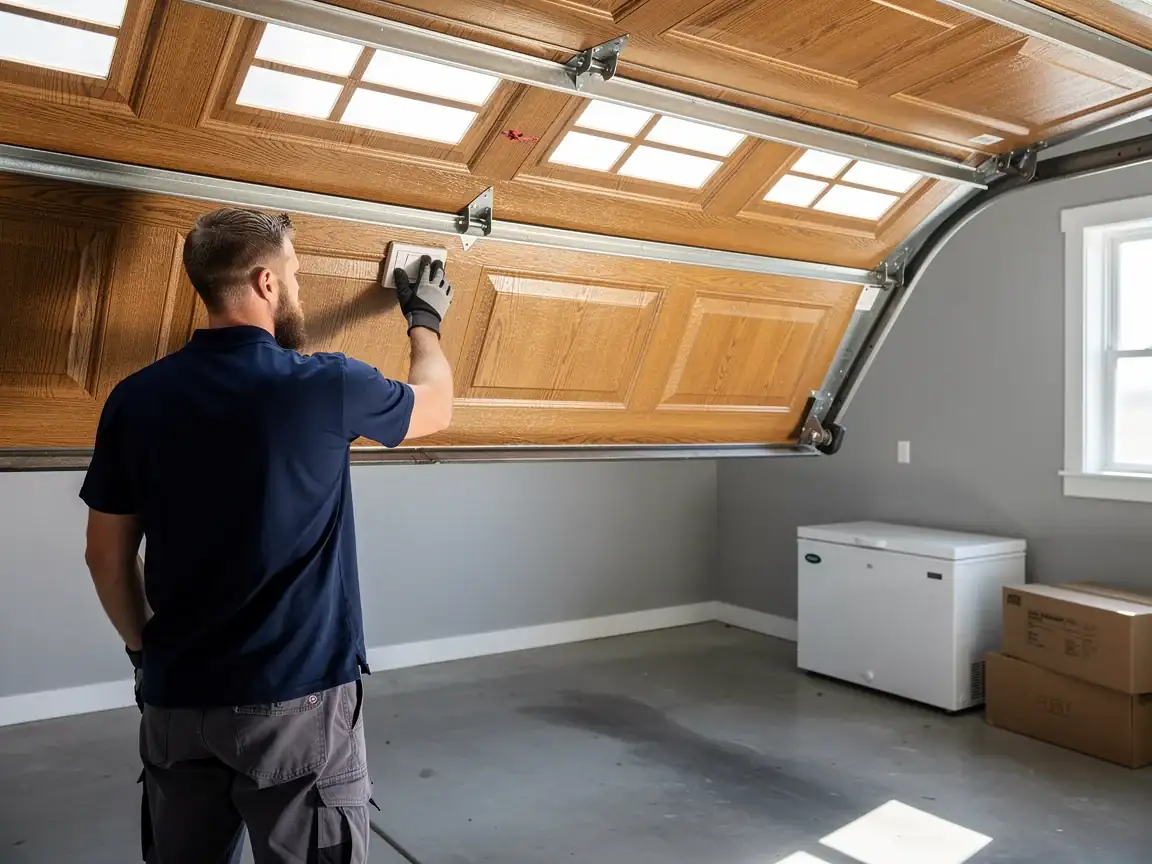
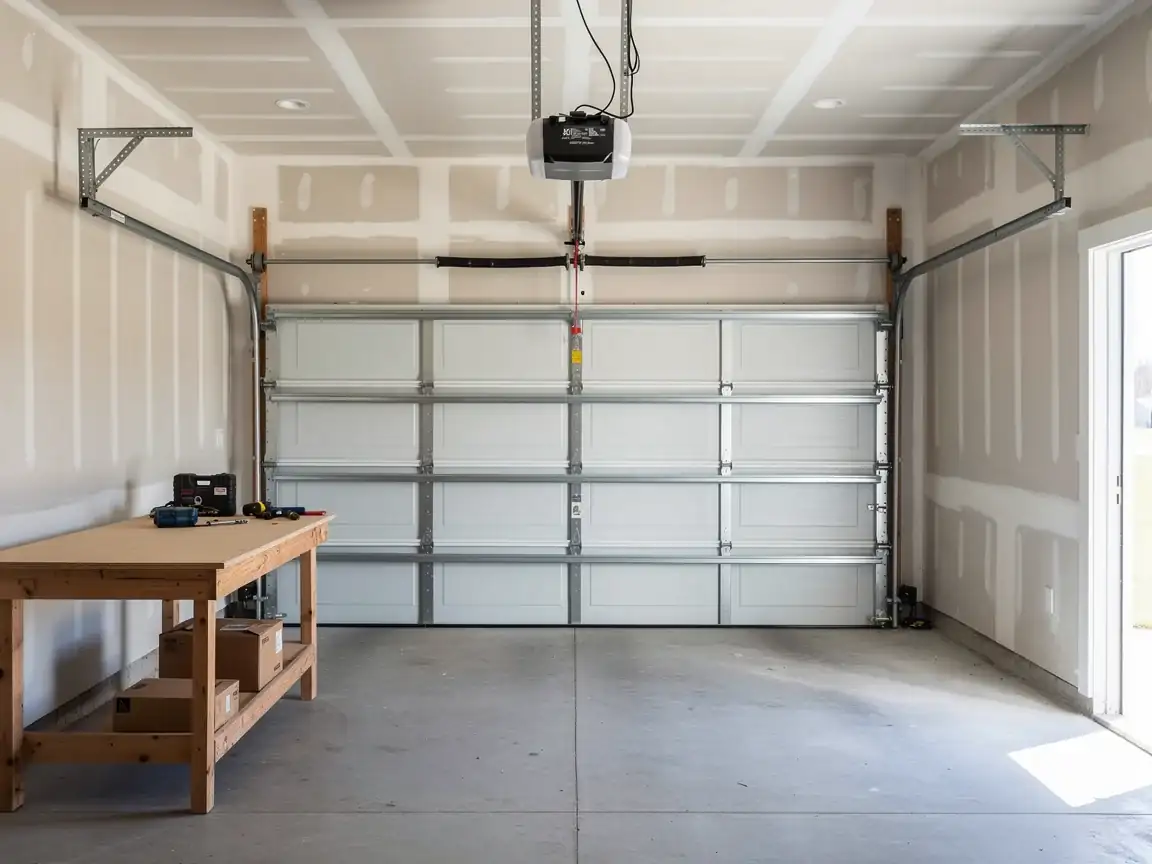
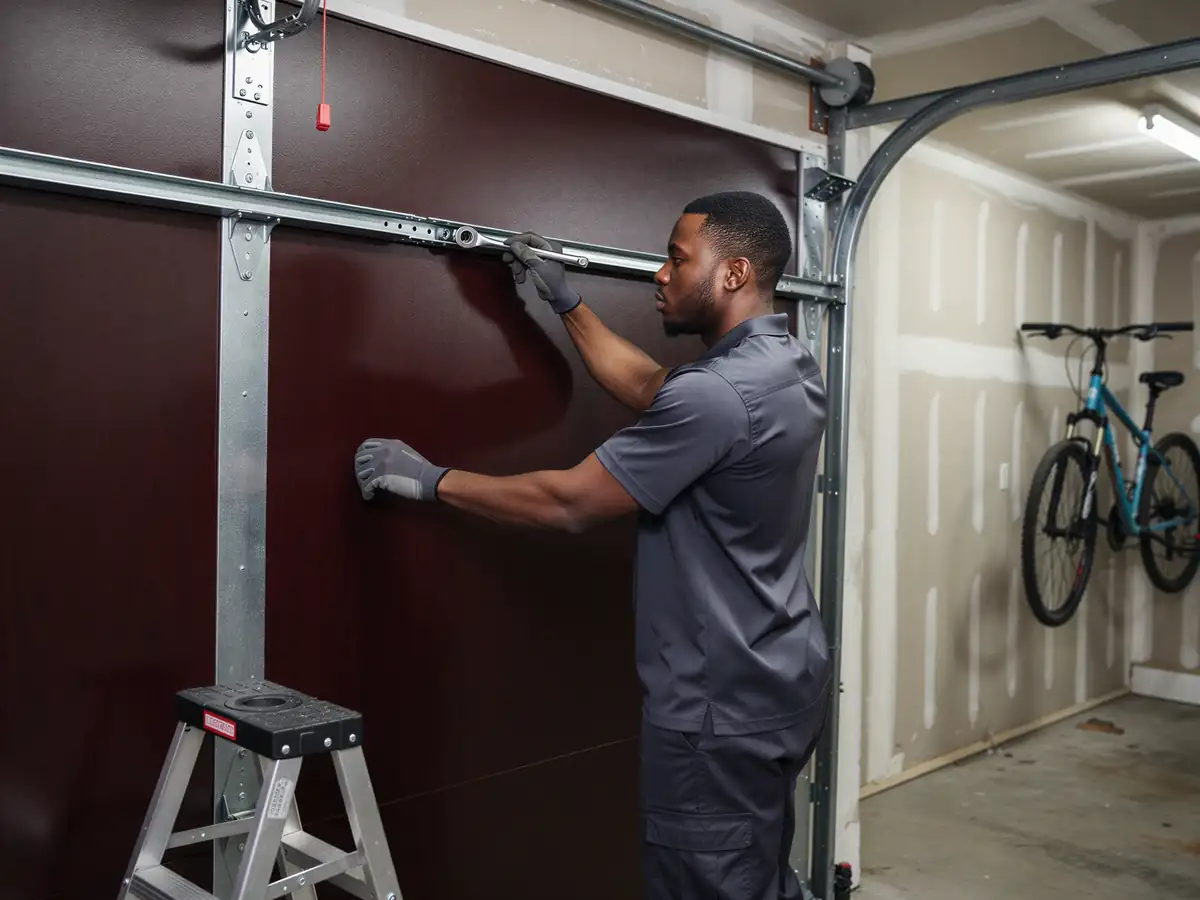
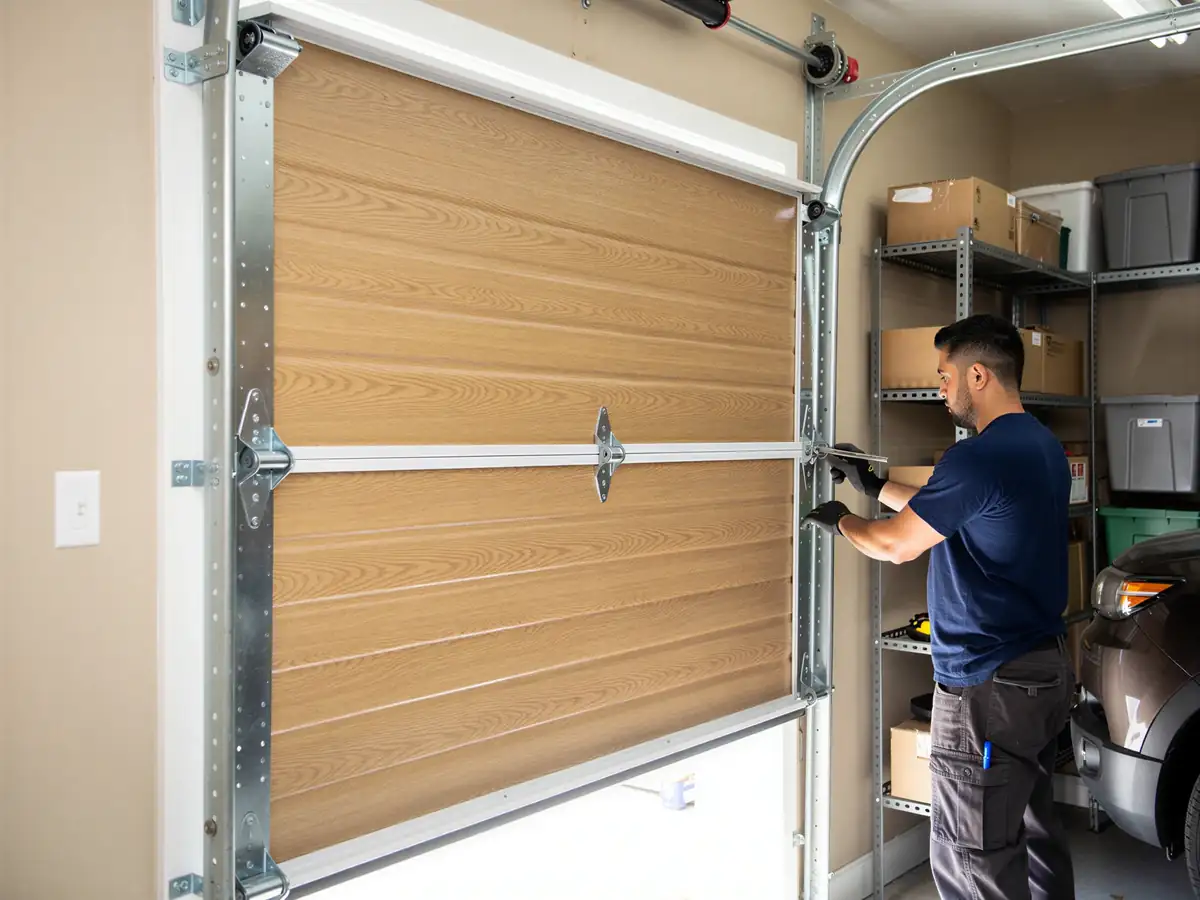
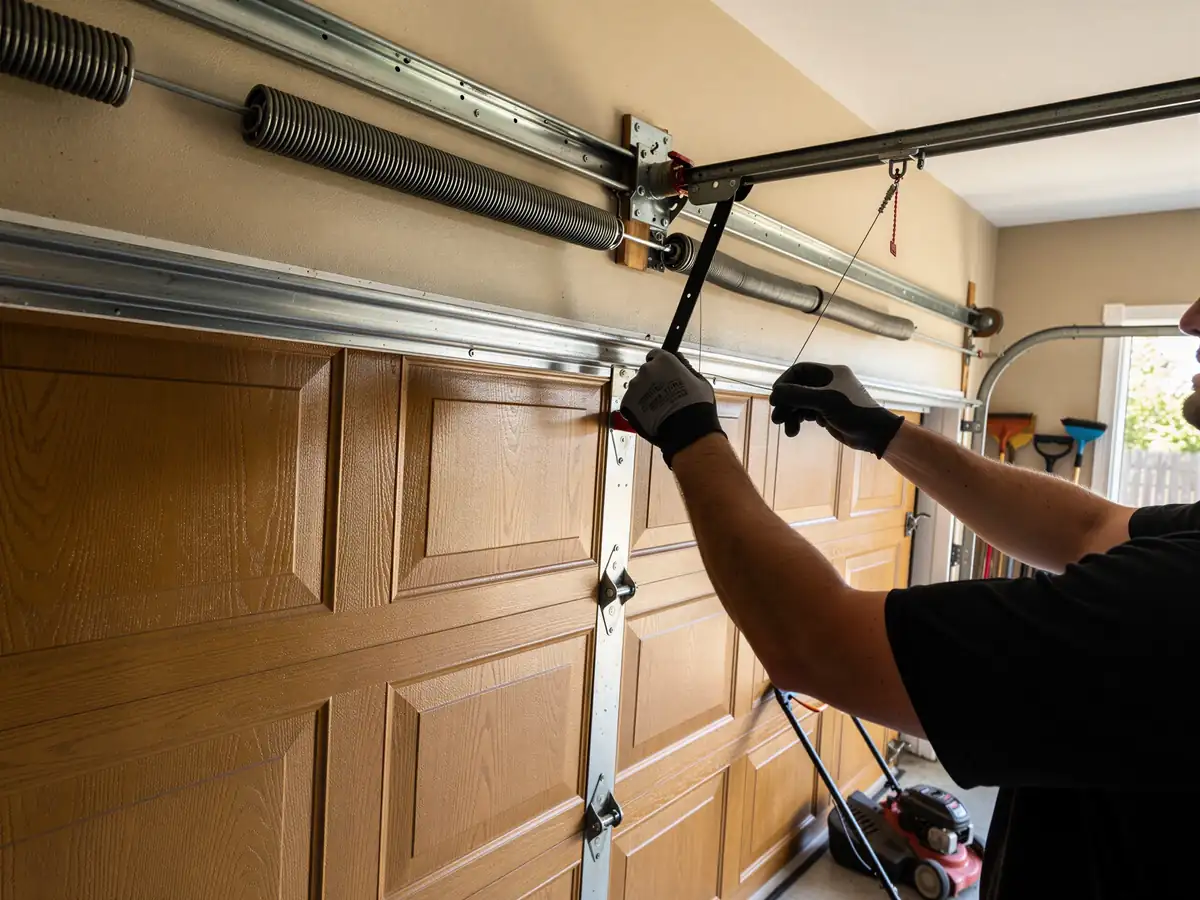
The job starts with pulling the door down on its cables so the track carries no load, then walking the rollers out of the track one at a time - top rollers first, bottom rollers last, since the bottom pair carries the most weight on a daily cycle.
Each stem gets checked before the new roller goes on. If the stem is bent or the roller bracket has worn loose in the hole, that bracket gets replaced along with the roller - putting a new roller on a chewed-out bracket just means you're back out here in six months. We check the track at the same time, because a cracked roller that's been dragging usually means some scoring in the track itself, and if the track is bent rather than just scored, that's a different repair.
Once the new rollers are in, we run the door through a full open-close cycle and listen. A roller job on a door that's otherwise sound should run quiet after the swap; if it doesn't, something else in the hardware is still worn and we'll flag it before we close out the ticket.
Time on the Job
Given the drive, about six miles each way from Bozeman, the Four Corners jobs fit into a route without stretching the day the way a Manhattan or Bridger call can.
On site, a straightforward roller swap - ten rollers, no bent brackets, no track damage - runs under an hour once the truck's parked. Add a bent bracket or two and that stretches out, since each one gets drilled and reset rather than just bolted over the old hole. A job that turns up track damage on top of the rollers takes longer still, because track sections aren't something we carry pre-cut to every length on the truck.
We don't lock Four Corners into a fixed arrival window the way a shop with a branch in town could. We're coming from Bozeman every time, so the appointment window accounts for that six-mile drive plus whatever's ahead of it on the route that day.