Why It Happens Here
Most of the houses we work on across the broader Bozoman service area went up somewhere between 1980 and 2008, with a median build year around 1994. Four Corners sits at the newer end of that range, with a median build year closer to 2008. That fourteen-year gap matters more than it sounds like it should.
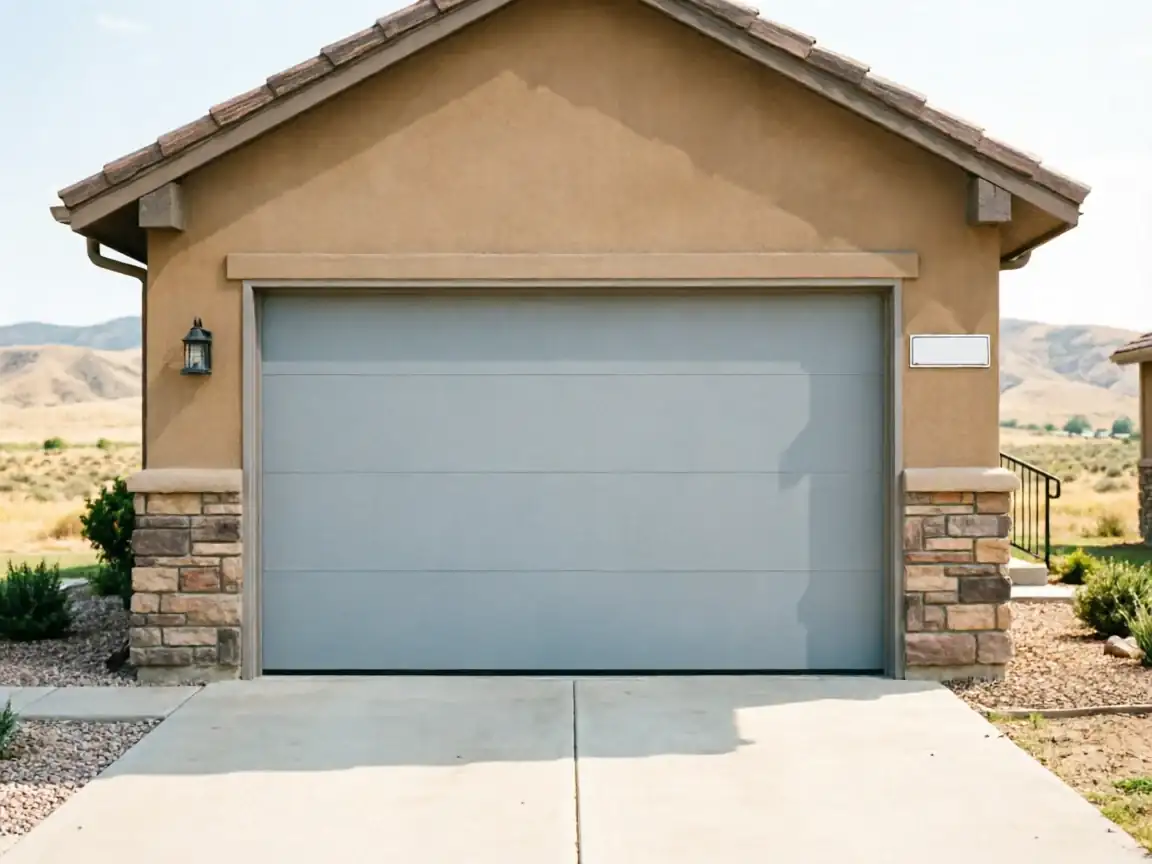
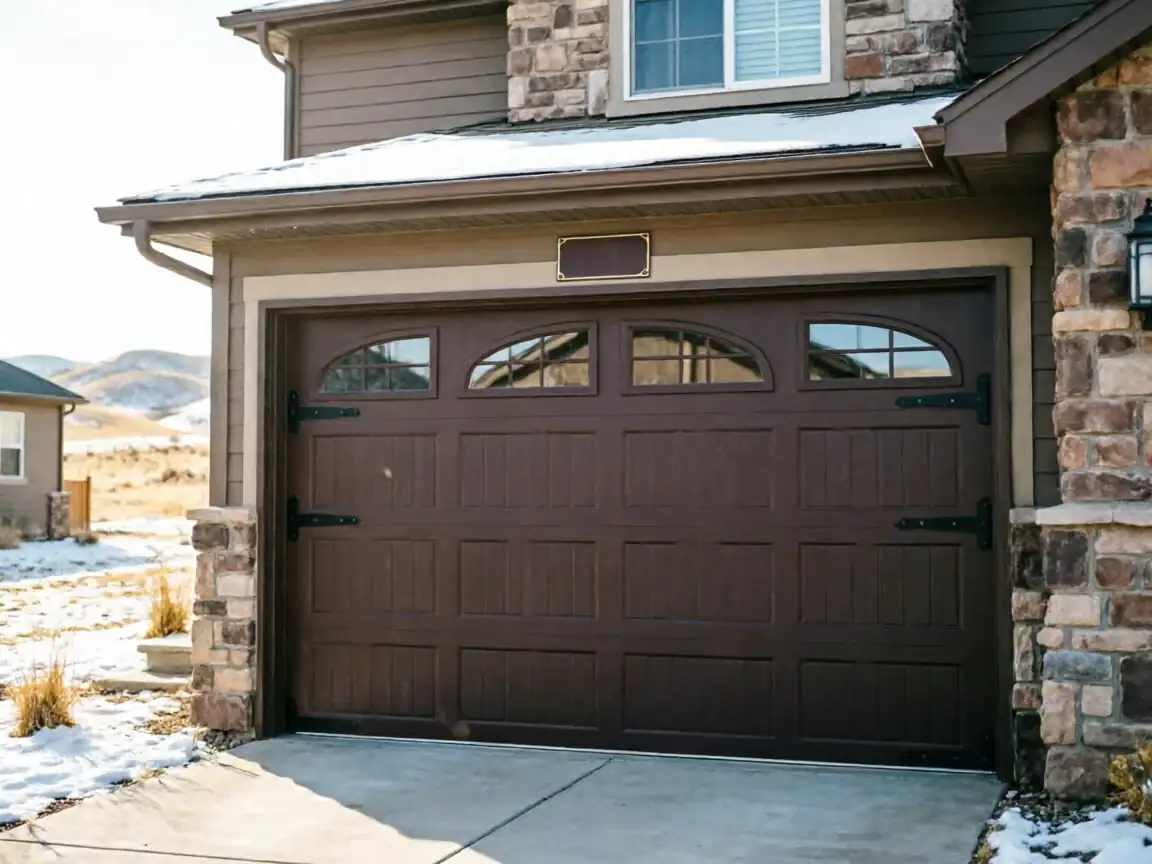
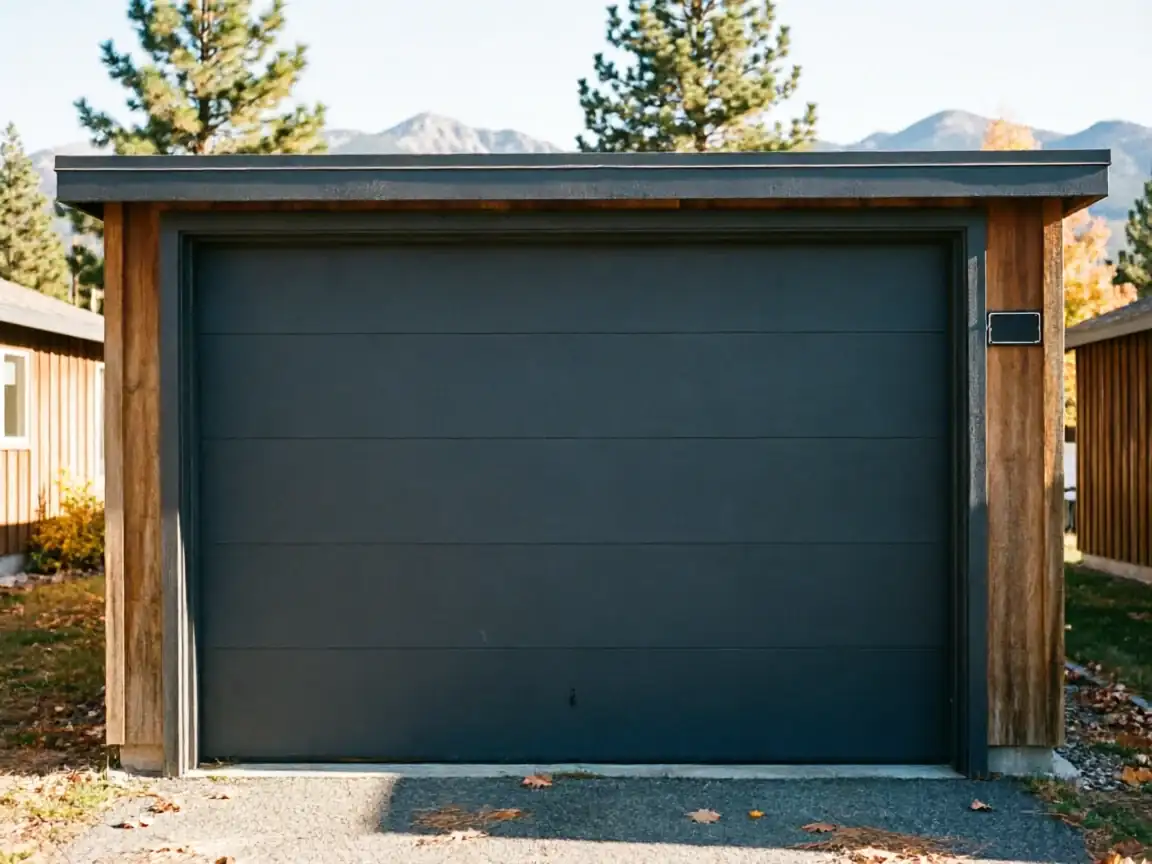
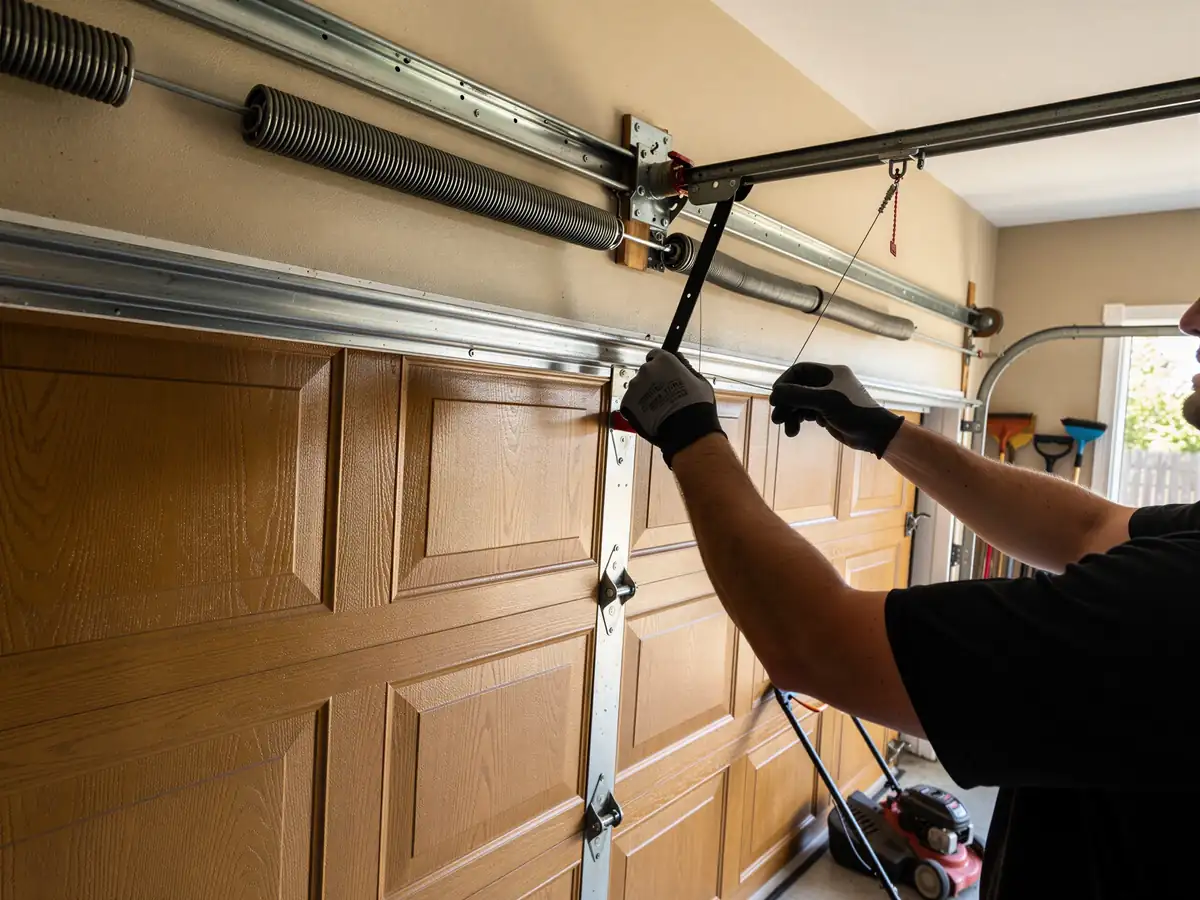
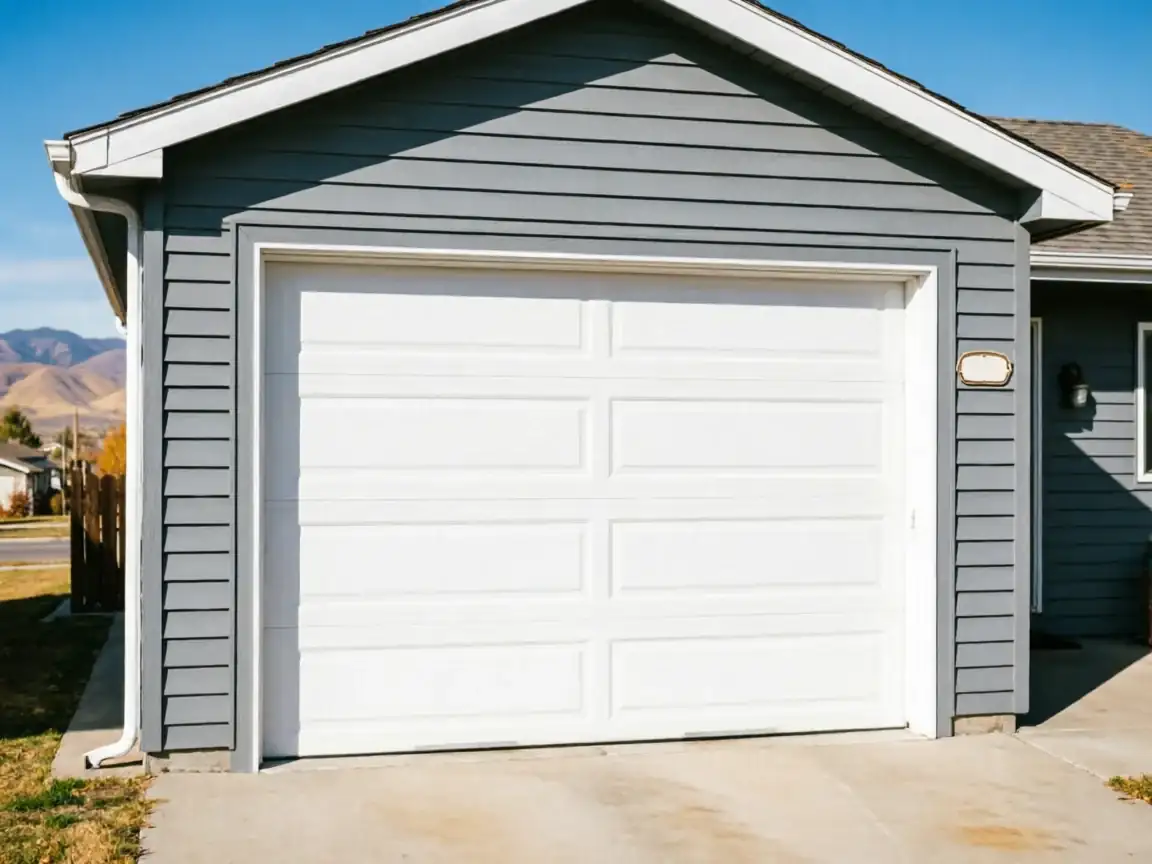
An older door, built in the early '90s, is more likely to be a heavier wood or hollow-core steel panel on an extension spring system that's been replaced once or twice already. A 2008-era door out here is more likely original equipment: a lighter-gauge steel section, factory torsion spring, and a builder-grade opener that was never upgraded because it didn't need to be - until now. These doors are old enough that the factory springs and rollers are finally wearing out, but they're not old enough that the hardware is obsolete.
The cold still does its part. Montana's severe cold band doesn't care what year the door was built - it stiffens lubricant, shrinks steel tolerances, and puts extra load on a spring every time the temperature drops below freezing overnight. On a 2008 door, that shows up first as a torsion spring that's lost tension, not as rust eating through an old track.
The Cost of This Job
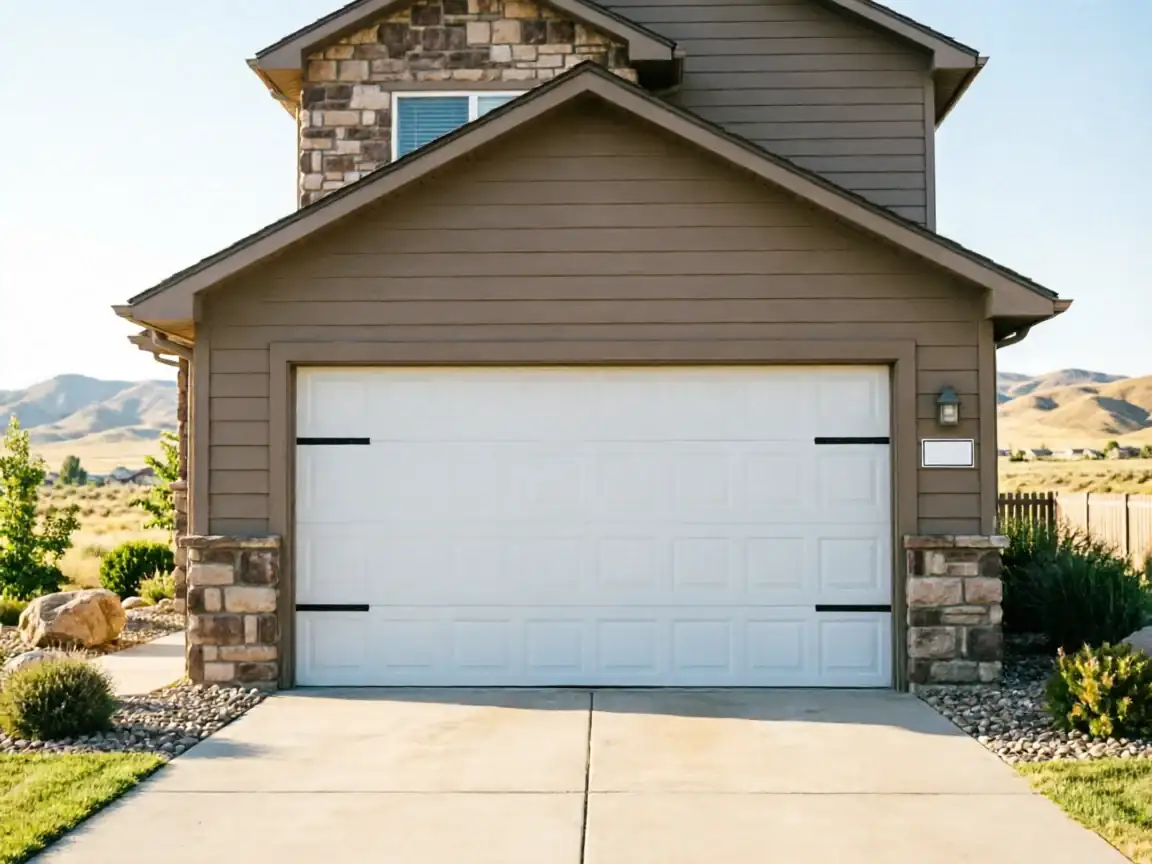
We don't post flat prices here because the job changes with the door - a torsion spring swap on a builder-grade single is not the same bill as a double-door opener replacement. What we can tell you is what drives the number in Four Corners specifically: most doors we see are standard-width, standard-height builder models from the 2000s housing push, which means parts are common rather than special-order. That keeps the job closer to a straightforward repair than a hunt for discontinued hardware.
Four Corners households run a median income noticeably higher than the wider service area average, and we mention that only because it tends to show up in the choice homeowners make: more requests out here for a full opener upgrade instead of a patch repair, even when the patch would hold. We'll tell you straight when a repair is the better call and when it isn't worth the labor to save a door that's going to fail again in a year.
Stocked Parts
Because the housing stock here clusters so tightly around the 2000s
The truck carries what that generation of door actually needs: standard torsion springs sized for lighter steel sections, nylon rollers in the common sizes builders used through the mid-2000s, and the control boards and safety sensors that match openers from that same era. We're not stocking parts for the older wood one-piece doors you'd find on a 1960s build, because that's not what's sitting in driveways out here.
One honest limit: if a Four Corners home has a door that's an outlier
A custom or imported unit installed outside the standard builder spec - we may need to order the part rather than carry it on the truck. That's rare given how uniform the build years are here, but it happens, and we'd rather say so up front than promise same-visit parts we don't have.
What the Fix Involves
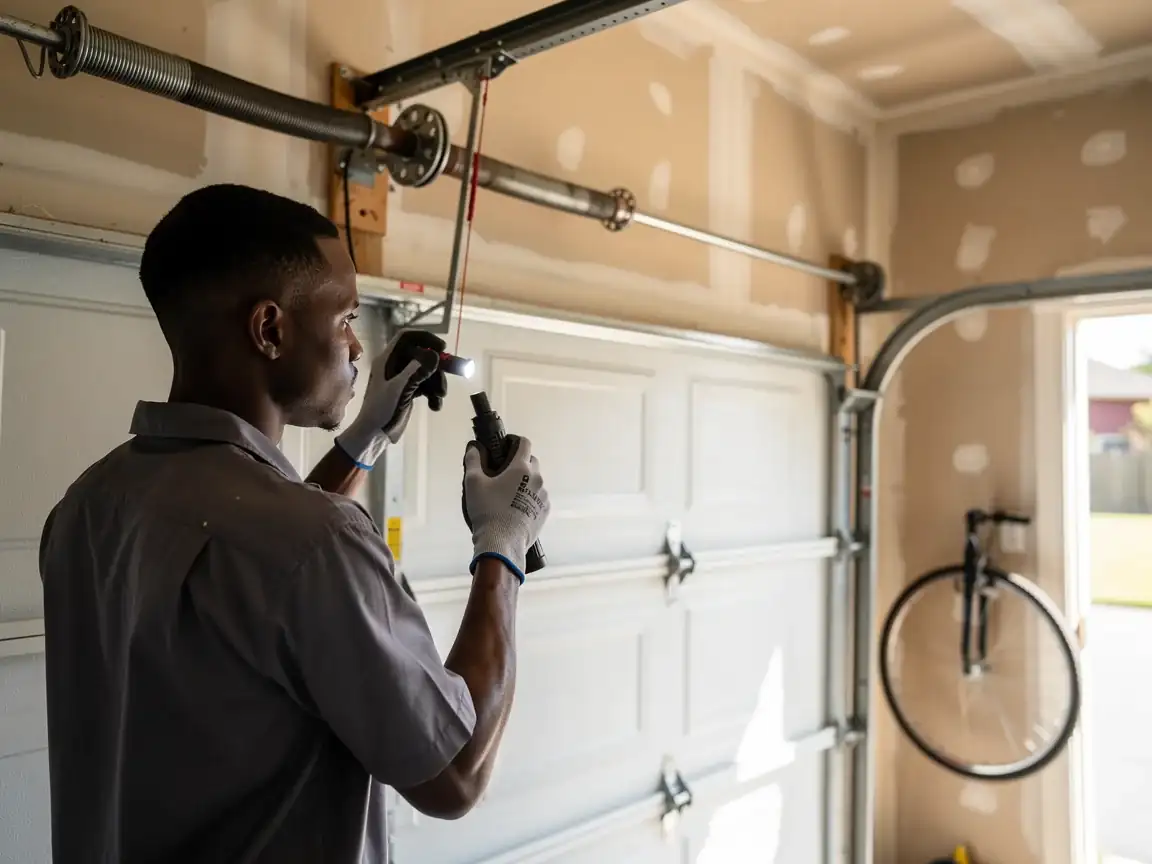
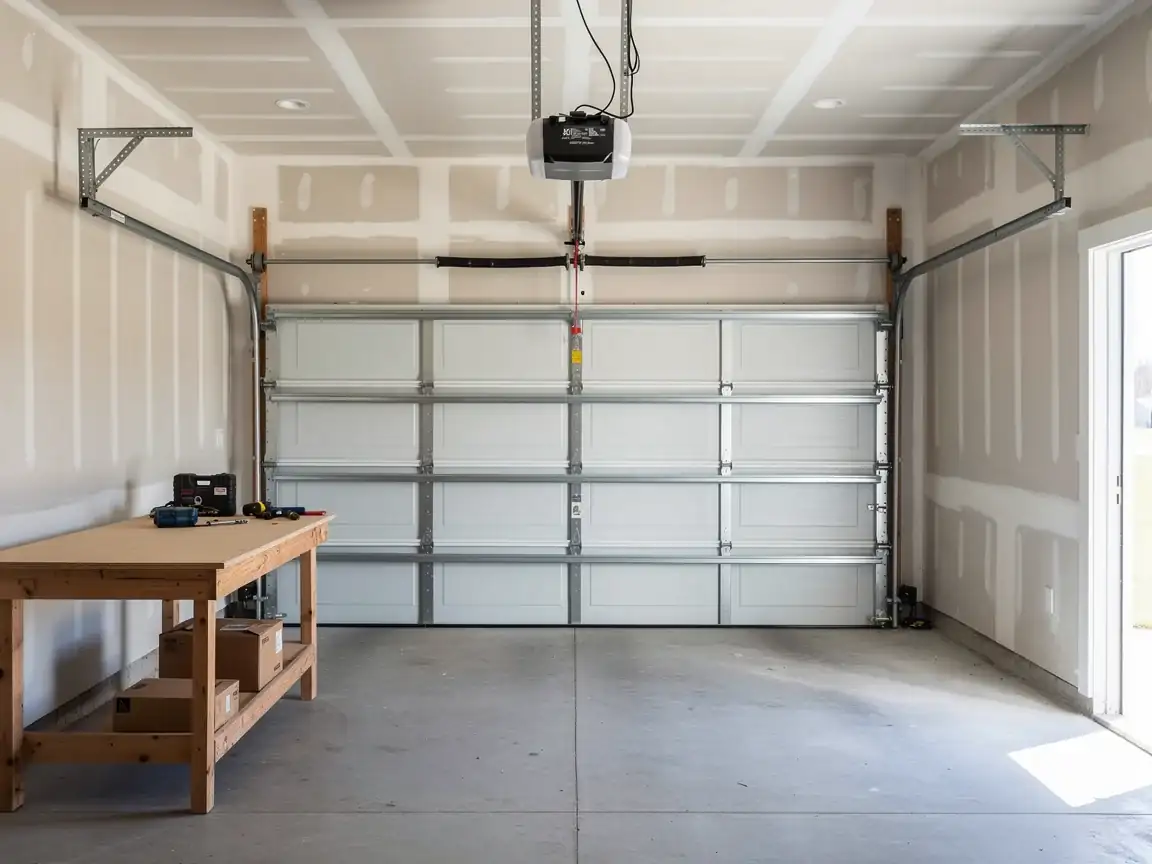
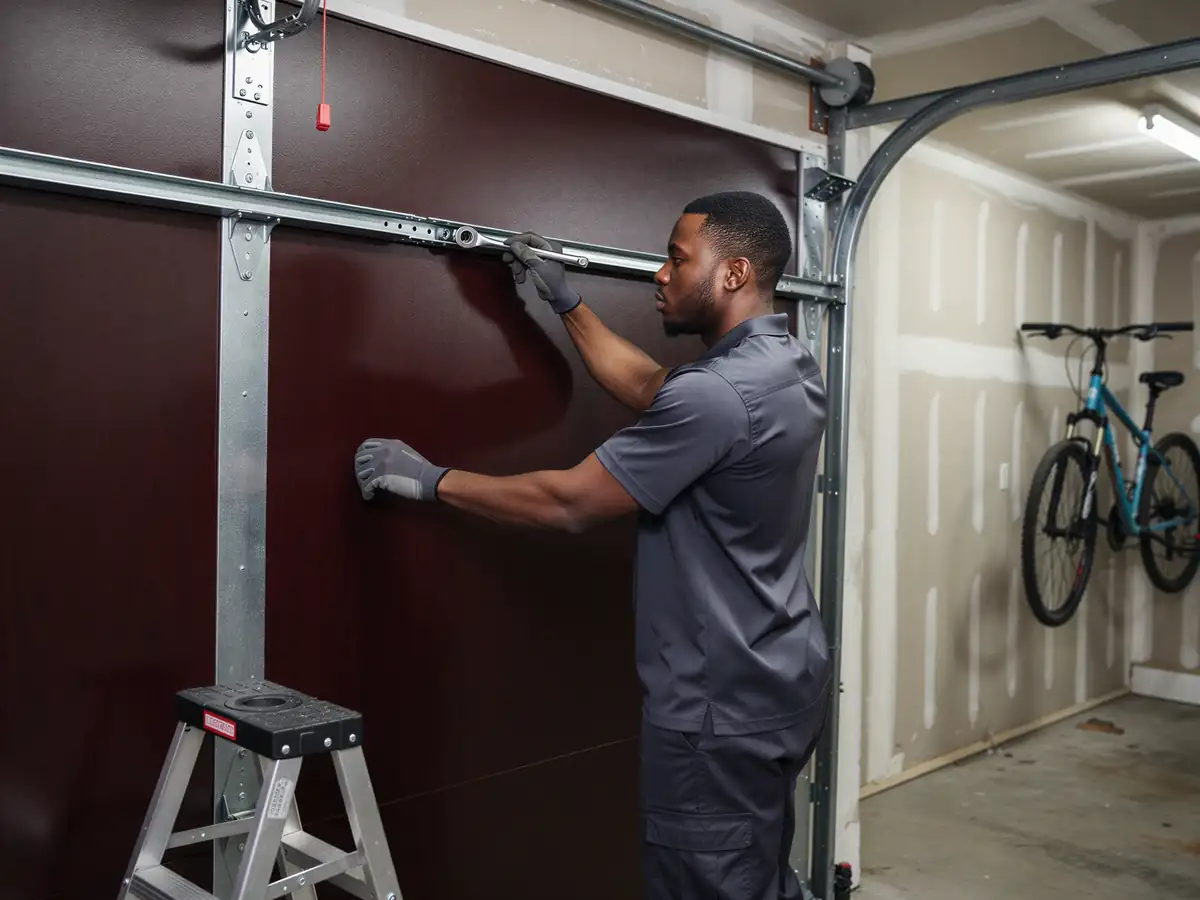
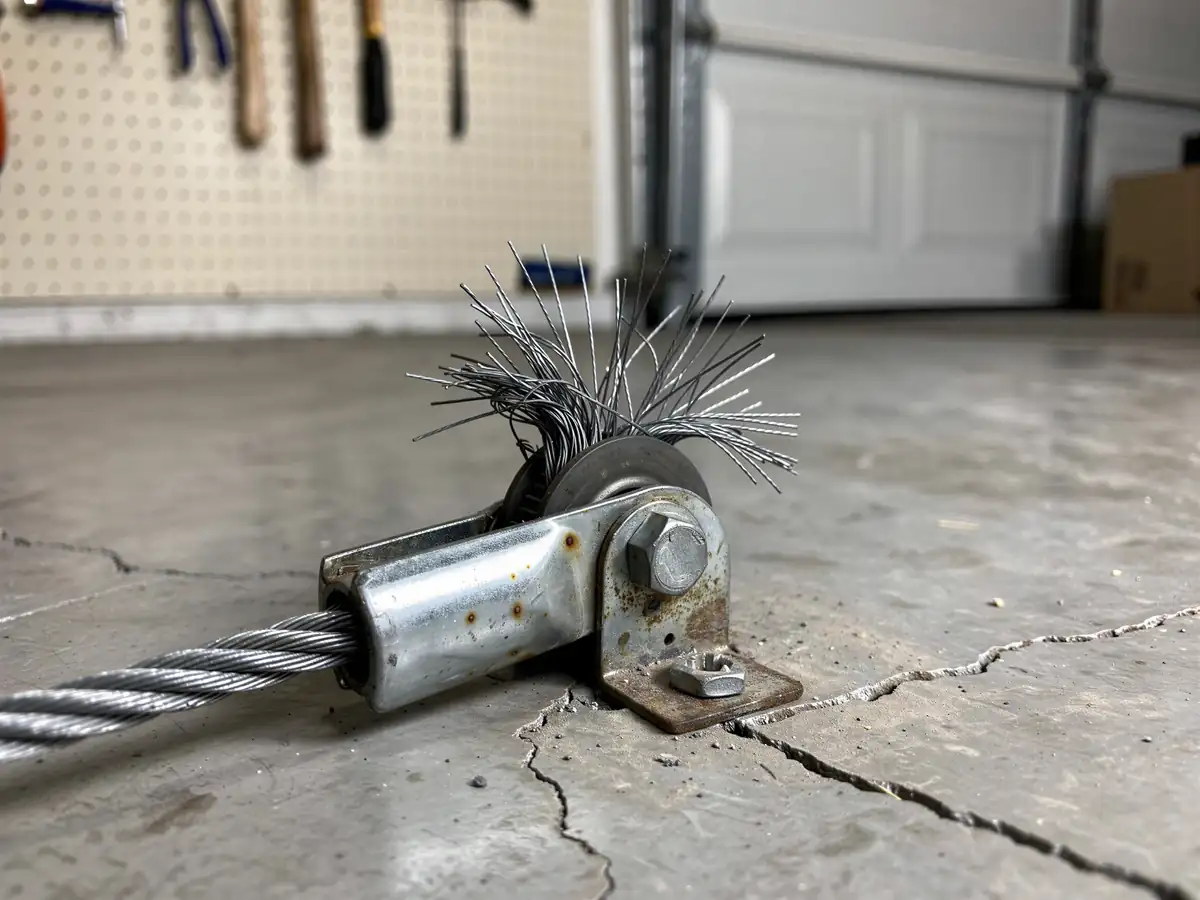
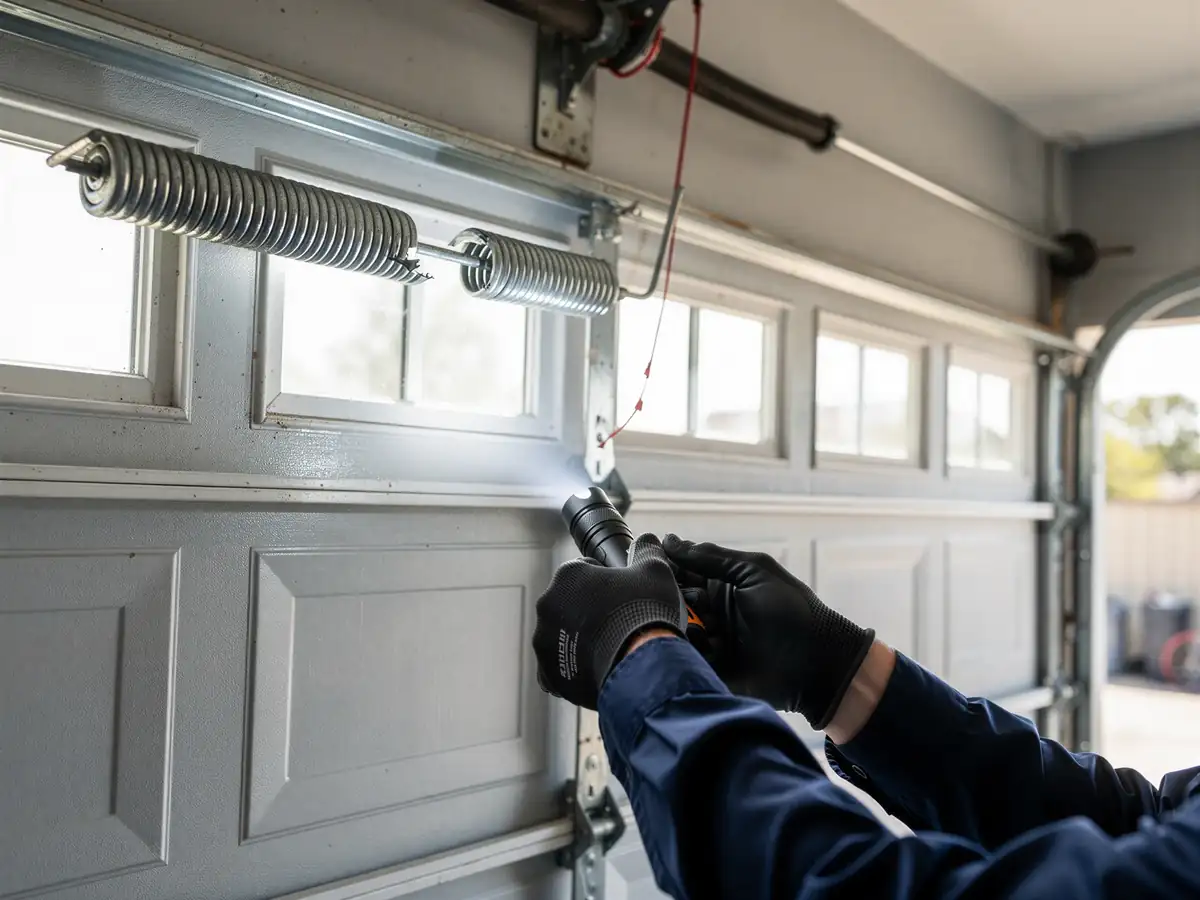
On a typical Four Corners call, we start by checking the torsion spring tension and the cable condition, since those are the parts doing the most work on a door built to a 2008-era spec. If the spring has lost tension - which in this cold band happens gradually over several winters, not all at once - we replace it matched to the door weight rather than guessing at a close-enough size.
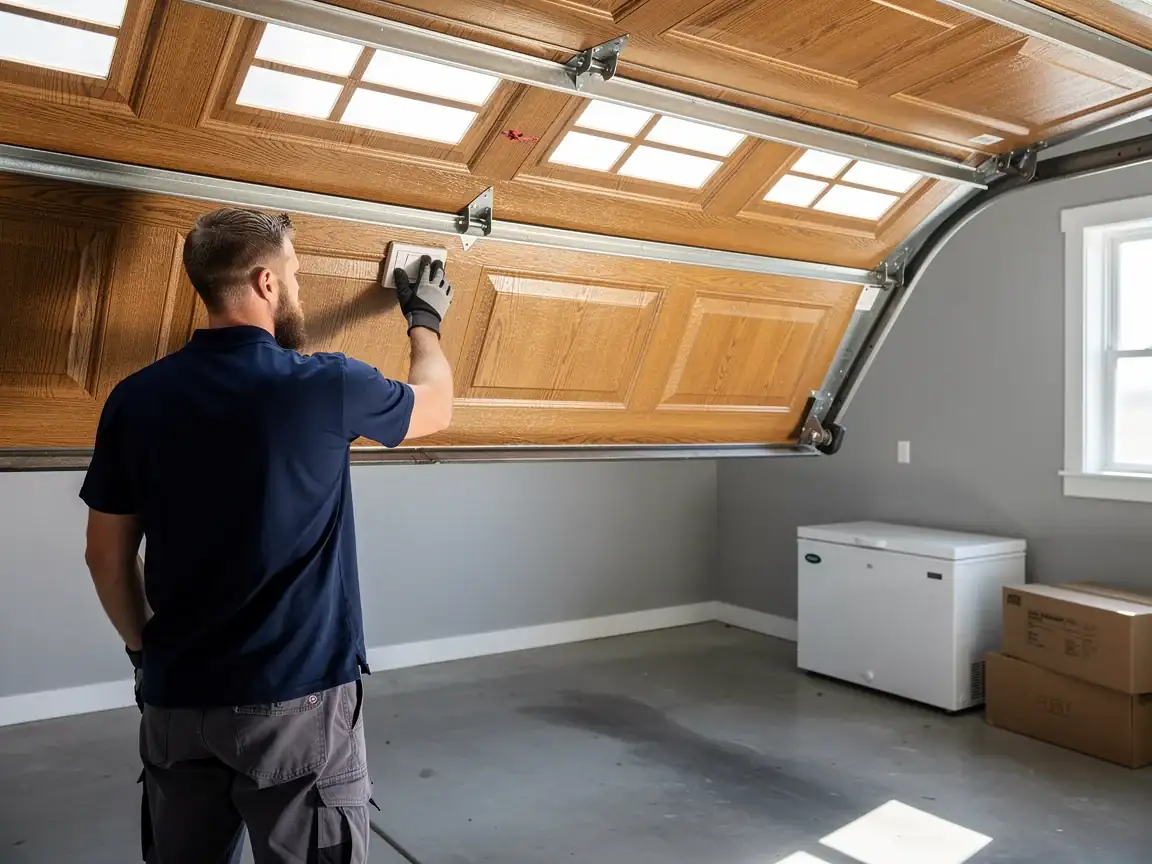
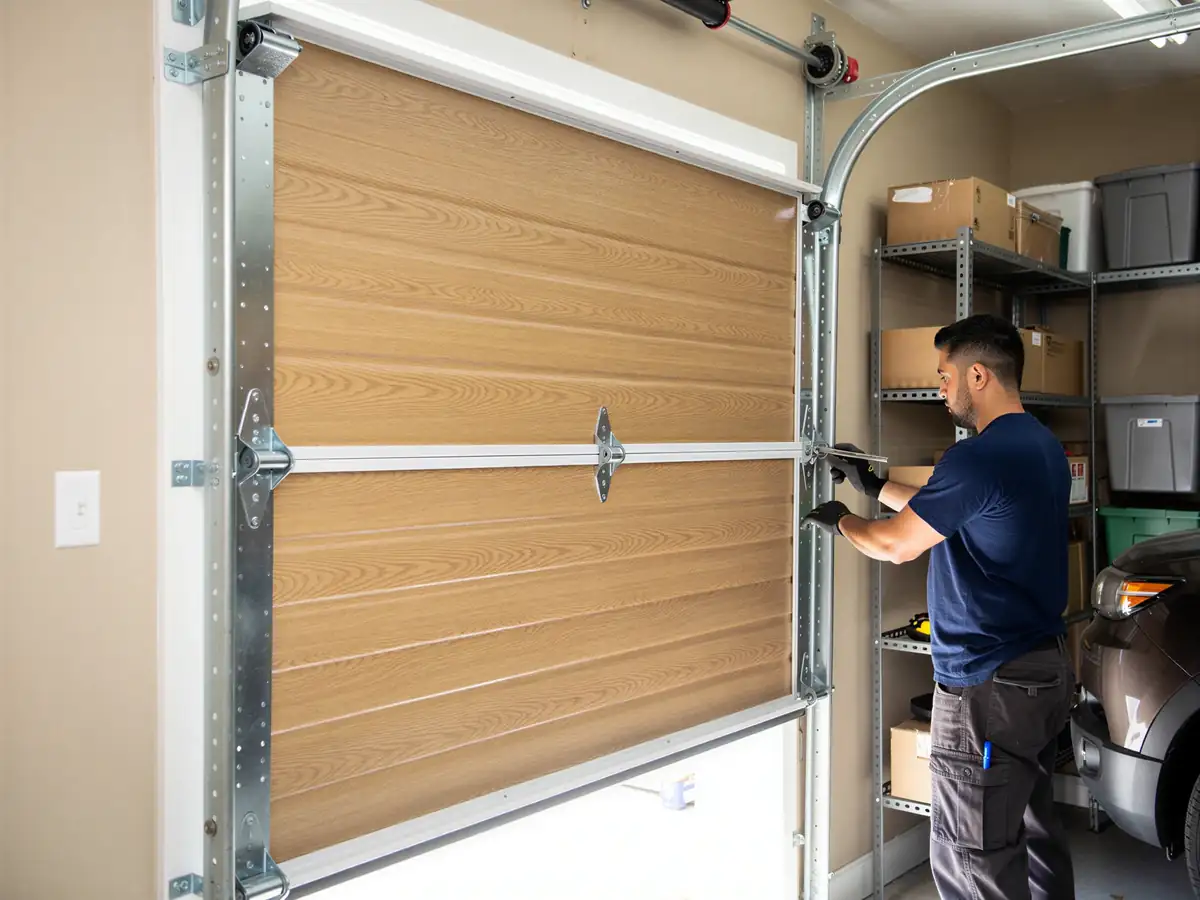
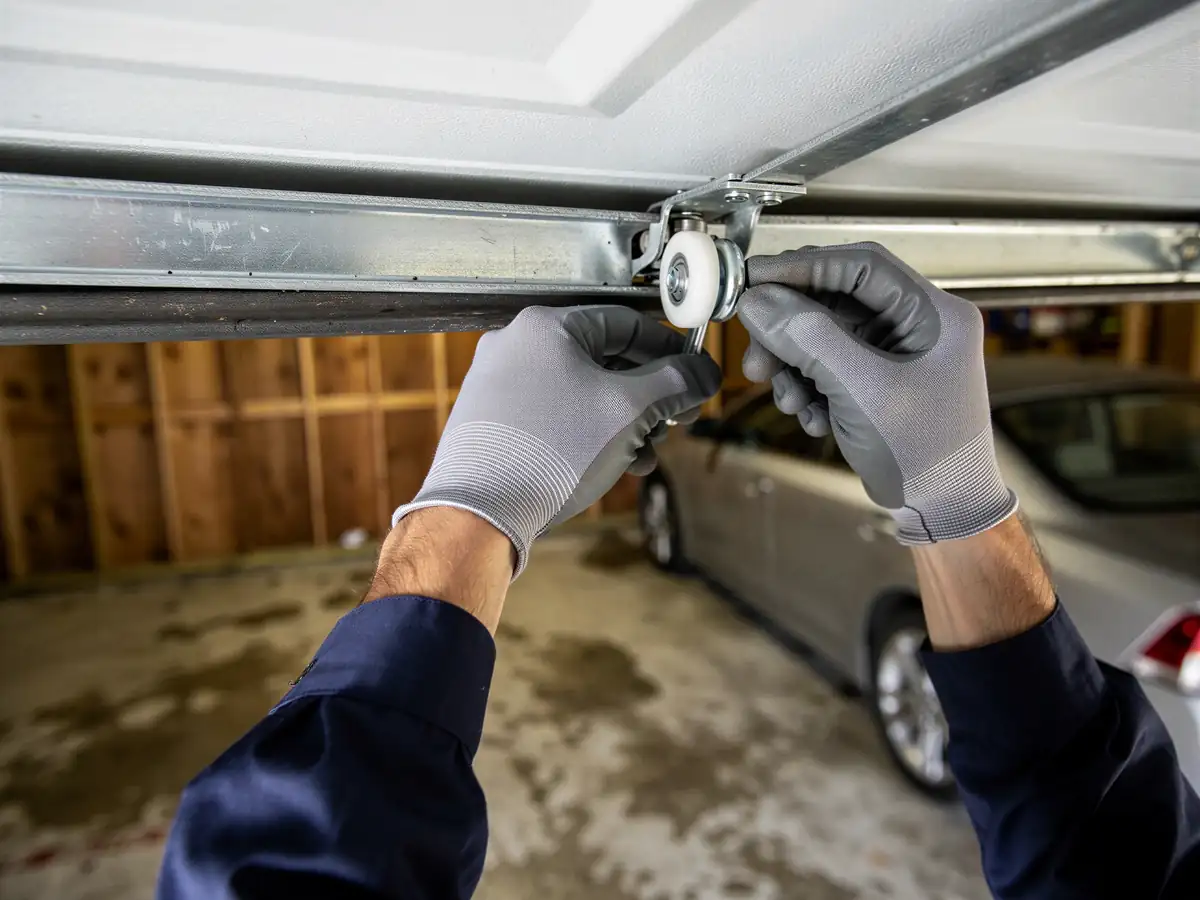
Next is the roller and track alignment. Builder-grade installs from this period often used nylon rollers that hold up fine for over a decade before the wheel itself starts cracking in cold weather; we swap those out and recheck the track for the kind of minor misalignment that comes from a decade of seasonal ground movement, not damage.
If the opener itself is the complaint, we check the logic board and sensors before replacing anything - a lot of the 2000s-era openers on these doors are still serviceable, and a sensor realignment or board reset solves more calls out here than a full opener swap does.
Time on the Job
We run the Bozeman-based crew out to Four Corners for every job - it's a 6 mile drive, which is short enough that it doesn't change how we schedule the work once we're on site. A spring replacement on one of the standard builder-grade doors common here is usually a single visit. An opener swap takes longer, mostly because we test the safety sensors and travel limits properly rather than just bolting the new unit up and leaving.
We don't advertise a guaranteed arrival window for Four Corners specifically, since we're dispatching from Bozeman rather than running a local branch. What we can tell you is that the drive itself is never the bottleneck - the job is.